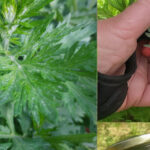
A Journey into the Emerald Labyrinth
From the sun-drenched fields of ancient Egypt to the bustling spice markets of India, and finally to the contemporary kitchens of the world, Anethum graveolens, commonly known as dill, has whispered its aromatic secrets across millennia. More than just a fleeting garnish or a pungent companion to pickles, dill is a testament to nature’s intricate biochemical artistry. Its feathery fronds and potent seeds harbor a universe of compounds, each playing a critical role in its life and, by extension, in ours. This is not merely an analysis; it is a story – a narrative of discovery, unfolding the layers of an herb often underestimated, revealing its profound contributions to human health through its rich tapestry of micronutrients.
Our journey begins not with a microscope, but with a sensory experience. Close your eyes and imagine the scent of fresh dill – a verdant, slightly anise-like, clean aroma that evokes summer gardens and crisp flavors. This fragrance, itself a complex symphony of volatile organic compounds, is merely the overture to a much grander composition. Beneath the surface, within the delicate cells of its leaves, stems, and seeds, lies a meticulously organized factory, diligently synthesizing and storing an array of micronutrients – vitamins, minerals, and a vast cohort of phytochemicals – that collectively bestow upon dill its unique character and potent biological activities.
Chapter 1: The Botanical Tapestry – Dill’s Place in the World
Anethum graveolens belongs to the Apiaceae family, a distinguished lineage that includes carrots, parsley, celery, and cumin. This botanical kinship hints at a shared evolutionary strategy, often involving the production of distinctive aromatic compounds and a penchant for accumulating a diverse spectrum of nutrients. Dill is an annual herb, reaching up to 3 feet in height, crowned by umbrella-like clusters of yellow flowers (umbels) that eventually yield its characteristic flat, oval seeds. Both the fronds (often called dill weed) and the seeds are prized for their culinary and medicinal attributes, each offering a slightly different nutritional profile and flavor intensity.
Historically, dill’s narrative is rich and varied. The ancient Egyptians used it for its digestive and soothing properties, while Greek and Roman cultures valued it for both culinary purposes and as a symbol of wealth and vitality. Medieval European monasteries cultivated it for its medicinal uses, believing it could ward off witchcraft and promote sleep. Its presence in traditional medicine systems, from Ayurveda to European folk remedies, speaks volumes about its perceived efficacy long before the advent of modern nutritional science. These traditional applications, often passed down through generations, were, in essence, an empirical validation of the very micronutrient bounty we now seek to systematically dissect.
Chapter 2: The Macro-Micro Divide – Why Tiny Matters So Much
Before we delve into the specifics, it’s crucial to distinguish between macronutrients and micronutrients. Macronutrients – carbohydrates, proteins, and fats – provide the bulk of our energy and building blocks. Micronutrients, however, are required in much smaller quantities (milligrams or micrograms), yet their absence or insufficiency can have catastrophic effects on metabolic processes, cellular function, and overall health. They are the essential co-factors, catalysts, and structural components that enable the macronutrients to perform their roles effectively. In the context of dill, its caloric contribution is negligible; its true power lies in these concentrated pockets of micronutrient density.
Dill, like many herbs, is a prime example of a nutrient-dense food. This means it provides a high amount of nutrients relative to its calorie count. For the knowledgeable audience, this concept is critical: it’s not about how much you eat, but what you eat. A small sprinkle of dill can deliver a disproportionately large dose of essential vitamins, minerals, and bioactive compounds, acting as a potent biological signal within the complex symphony of human physiology.
Chapter 3: The Vitamin Ensemble – Dill’s Essential Contributions
Vitamins are organic compounds that organisms require in limited amounts. While dill isn’t a primary source of all vitamins, it excels in providing several key players, particularly in its fresh frond form.
3.1. Vitamin A (as Beta-Carotene): The Visionary Antioxidant
Dill fronds are a notable source of Vitamin A, primarily in the form of beta-carotene, a powerful provitamin carotenoid. Beta-carotene is not only an antioxidant in its own right, protecting cells from oxidative damage, but it is also converted in the body into retinol, the active form of Vitamin A.
- Role in the Body: Vitamin A is indispensable for vision, especially in low light conditions, as it forms a crucial component of rhodopsin in the retina. Beyond vision, it plays a vital role in immune function, promoting the proper development and function of various immune cells. It is also essential for cell growth and differentiation, supporting healthy skin, mucous membranes, and reproductive health.
- Dill’s Contribution: The vibrant green of dill fronds hints at its carotenoid content. While not as concentrated as carrots, regular inclusion of dill contributes meaningfully to daily Vitamin A intake, offering a natural, food-matrix bound source that may enhance bioavailability compared to isolated supplements.
3.2. Vitamin C (Ascorbic Acid): The Collagen Architect and Immune Booster
Fresh dill is a decent source of Vitamin C, a water-soluble vitamin renowned for its antioxidant prowess.
- Role in the Body: Vitamin C is a powerful antioxidant, neutralizing free radicals and protecting cellular components from oxidative stress. It is absolutely essential for the biosynthesis of collagen, the primary structural protein in connective tissues, skin, blood vessels, and bones. Furthermore, Vitamin C enhances non-heme iron absorption, making it a valuable companion to iron-rich plant foods. It also plays a crucial role in immune system function, wound healing, and the synthesis of neurotransmitters.
- Dill’s Contribution: The Vitamin C in dill complements its other antioxidants, creating a synergistic protective effect. Its presence also aids in the absorption of iron found within dill itself, demonstrating nature’s intelligent design.
3.3. Vitamin K (Phylloquinone): The Coagulation Commander and Bone Ally
Perhaps one of the most significant vitamin contributions from dill, particularly its fresh leaves, is Vitamin K, specifically phylloquinone (K1).
- Role in the Body: Vitamin K is a fat-soluble vitamin critical for blood coagulation. It acts as a co-factor for an enzyme that modifies specific proteins, allowing them to bind calcium, which is essential for forming blood clots. Beyond coagulation, Vitamin K is increasingly recognized for its vital role in bone health. It participates in the carboxylation of osteocalcin, a protein that helps incorporate calcium into the bone matrix, thereby strengthening bones and potentially reducing fracture risk.
- Dill’s Contribution: A single tablespoon of fresh dill fronds can provide a substantial percentage of the daily recommended intake of Vitamin K. This makes dill an excellent dietary source for supporting both hemostasis and bone mineral density, a fact often overlooked when considering this humble herb.