
The very word "chocolate" often conjures images of decadent desserts, illicit pleasures, and a faint whisper of guilt. For generations, it has occupied a paradoxical space in our collective consciousness: a universally beloved treat, yet frequently demonized as an enemy of health, a culprit in weight gain, and a trigger for cravings. But what if this narrative, like a poorly processed cacao bean, has been stripped of its most valuable essence? What if the true story of chocolate, or more accurately, its pure, unadulterated progenitor – cocoa powder – is not one of indulgence to be regretted, but of profound wellness to be embraced?
This is the story we intend to tell: a journey from the sugary, fatty misconceptions surrounding commercial chocolate to the potent, health-affirming reality of raw or natural cocoa powder. We will explore how this ancient superfood, revered by civilizations past, can be a cornerstone of a healthier lifestyle, offering a symphony of benefits for the heart, brain, metabolism, and even our mood, all while delivering that unmistakable, deeply satisfying flavor. Prepare to shed the shackles of dietary guilt and rediscover a truly guilt-free indulgence.
The Genesis of Goodness: From Bean to Powder
Before we delve into the intricate biochemical dance that cocoa orchestrates within our bodies, it’s crucial to understand its origins and the transformative process that separates pure cocoa powder from its less virtuous cousins. The story begins in the equatorial rainforests of Central and South America, the ancestral home of Theobroma cacao, or "food of the gods." For millennia, indigenous cultures, particularly the Olmecs, Mayans, and Aztecs, cultivated cacao trees, valuing their beans not just as food, but as currency, medicine, and a sacred elixir. They consumed it as a bitter, frothy beverage, often spiced with chili and vanilla, a far cry from the sweetened bars we know today.
The journey from a humble cacao bean to the dark, aromatic powder in your pantry is a multi-step process, each stage influencing its final flavor and, crucially, its nutritional profile.
- Harvesting: Ripe cacao pods are harvested, and the beans, encased in a white mucilaginous pulp, are extracted.
- Fermentation: This is perhaps the most critical step for flavor development. The beans, still coated in pulp, are piled or placed in boxes, allowing natural yeasts and bacteria to break down the sugars in the pulp. This process, lasting several days, generates heat and initiates complex chemical reactions within the beans, developing the characteristic chocolatey precursors. Without proper fermentation, cocoa beans would taste intensely bitter and astringent.
- Drying: After fermentation, the beans are dried, traditionally under the sun, to reduce their moisture content and prevent mold growth.
- Roasting: The dried beans are roasted, a process that further develops their flavor and aroma, much like coffee beans. Roasting also makes the shells brittle, facilitating their removal.
- Winnowing: The roasted beans are cracked, and the outer shells are separated from the inner "nibs." These nibs are essentially pure cacao in its most unadulterated form.
- Grinding: The nibs are then ground into a thick, liquid paste called "cocoa liquor" or "chocolate liquor." This liquor contains both cocoa solids and cocoa butter.
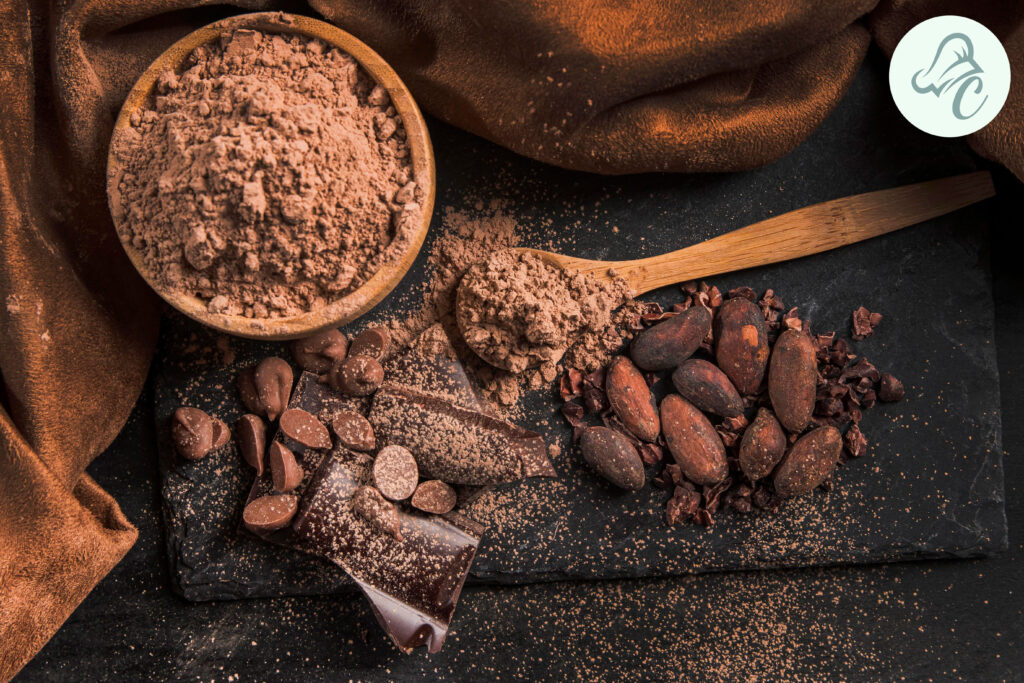
- Pressing: This is where cocoa powder truly emerges. The cocoa liquor is pressed, separating most of the cocoa butter (a valuable fat used in chocolate bars and cosmetics) from the solid mass. The remaining dry, solid "press cake" is then pulverized into the fine cocoa powder we recognize.
The Crucial Distinction: Natural vs. Dutch-Processed
Within the realm of cocoa powder, there’s a vital distinction: natural (or "non-Dutched") cocoa and Dutch-processed (or "alkalized") cocoa. This difference is paramount for understanding cocoa’s health benefits.
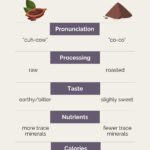
- Natural Cocoa: This is cocoa powder that has not undergone alkalization. It has a lighter color, a more acidic pH (typically 5.0-6.0), and a sharper, fruitier flavor. Critically, it retains a higher concentration of its naturally occurring flavanol antioxidants.
- Dutch-Processed Cocoa: Invented by Coenraad Johannes van Houten in the 19th century, this process involves treating cocoa solids with an alkaline solution (like potassium carbonate). This neutralizes cocoa’s natural acidity, resulting in a darker color, a milder, less bitter flavor, and a smoother texture. While Dutching enhances flavor and solubility in some applications, it significantly reduces the flavanol content – sometimes by as much as 60-90%.
For health-focused consumption, natural, unsweetened cocoa powder is unequivocally the superior choice. Its robust antioxidant profile is the key to unlocking its impressive array of health benefits, which we will now explore in detail.
The Biochemical Symphony: Unpacking Cocoa’s Health Benefits
The magic of cocoa powder lies primarily in its rich concentration of polyphenols, particularly a subclass known as flavanols (also called flavan-3-ols). These are potent plant compounds responsible for the bitter taste of cocoa and the vibrant colors of many fruits and vegetables. Unlike many nutrients, flavanols are not just a single compound but a complex family, with epicatechin, catechin, and procyanidins being some of the most prominent in cocoa.
Let’s dissect the profound impact these compounds, alongside other micronutrients, have on our well-being:
1. The Antioxidant Powerhouse: Battling Oxidative Stress
Our bodies are constantly engaged in metabolic processes that generate unstable molecules called free radicals. These highly reactive molecules, if left unchecked, can damage cellular components like DNA, proteins, and cell membranes, leading to a state known as oxidative stress. Oxidative stress is a major contributor to aging and the development of chronic diseases, including heart disease, cancer, neurodegenerative disorders, and inflammation.
Cocoa flavanols are exceptional antioxidants. They act as "free radical scavengers," neutralizing these harmful molecules before they can wreak havoc. By donating electrons to stabilize free radicals, flavanols protect our cells from damage, effectively slowing down the aging process at a cellular level and reducing the risk of a myriad of diseases linked to oxidative stress. The sheer antioxidant capacity of cocoa, as measured by ORAC (Oxygen Radical Absorbance Capacity) values, often surpasses that of many renowned superfoods like blueberries and green tea.
2. Cardiovascular Champion: Aiding Heart Health
Perhaps the most extensively researched benefit of cocoa powder is its profound positive impact on cardiovascular health. This is where flavanols truly shine: