
The human body, a marvel of biological engineering, possesses an intricate network of processes collectively known as metabolism. Far from being a static background function, metabolism is a dynamic, ever-adjusting engine that dictates our energy levels, our ability to maintain a healthy weight, and our overall vitality. In an era saturated with quick fixes and magic pills, the profound truth remains: our daily dietary choices are the most potent levers we have to fine-tune this metabolic symphony.
Imagine your kitchen not just as a place to prepare food, but as a laboratory, and your bowl as a canvas for metabolic artistry. The concept of "Metabolism in a Bowl" transcends a mere meal; it’s a philosophy, a deliberate act of choosing ingredients that work synergistically to stoke your body’s natural fat-burning furnace, optimize energy production, and foster long-term health. This isn’t about deprivation or bland eating; it’s about empowerment through informed choices, transforming everyday sustenance into a powerful tool for wellness.
For the knowledgeable individual, the allure of "fat burning" isn’t about vanity alone, but about metabolic flexibility, sustained energy, and reducing the risk of chronic disease. It’s about understanding the intricate dance of hormones, enzymes, and cellular pathways that dictate how our bodies utilize fuel. This article will embark on a deep dive into the science-backed ingredients that, when harmoniously combined in your bowl, can kickstart and sustain your metabolic engine, transforming your relationship with food from mere consumption to conscious cultivation of health.
The Foundation: Understanding Your Metabolic Engine
Before we assemble our metabolic masterpiece, a brief refresher on the core principles of metabolism is essential. Metabolism encompasses all the chemical reactions that occur in the body to maintain life. It’s broadly divided into two processes:
- Catabolism: The breakdown of complex molecules into simpler ones, releasing energy (e.g., digesting food).
- Anabolism: The building of complex molecules from simpler ones, requiring energy (e.g., building muscle).
Our goal, when focusing on "fat burning," is to optimize the balance between these two, leaning towards efficient catabolism of stored fat while supporting anabolism for muscle maintenance and repair. Key metabolic concepts include:
- Basal Metabolic Rate (BMR): The number of calories your body burns at rest to maintain basic functions (breathing, circulation, cell production). This is influenced by age, sex, weight, and crucially, muscle mass.
- Thermic Effect of Food (TEF): The energy expended to digest, absorb, and metabolize food. Protein has the highest TEF, meaning you burn more calories processing it than carbs or fats.
- Non-Exercise Activity Thermogenesis (NEAT): The energy expended for everything we do that is not sleeping, eating, or sports-like exercise (e.g., walking to work, fidgeting, gardening).
- Exercise Activity Thermogenesis (EAT): The calories burned during structured exercise.
- Total Daily Energy Expenditure (TDEE): BMR + TEF + NEAT + EAT. To burn fat, you generally need to consume fewer calories than your TDEE (a caloric deficit), but how you achieve this deficit through food choices is paramount.
True fat burning isn’t just about calorie restriction; it’s about metabolic flexibility – your body’s ability to efficiently switch between burning carbohydrates and fats for fuel. A metabolically flexible individual can tap into stored fat reserves more readily, leading to sustained energy and improved body composition. Our "Metabolism in a Bowl" strategy aims to cultivate this flexibility.
The Pillars of a Potent Bowl: Building Blocks for Metabolic Mastery
Every ingredient in your metabolism-boosting bowl should serve a purpose, contributing to satiety, nutrient density, hormonal balance, and the thermic effect of food. We focus on five key pillars:
- High-Quality Protein: The undisputed king of macronutrients for metabolic health. Protein has the highest TEF, meaning your body expends more energy to digest and process it. It also promotes satiety, preventing overeating, and is crucial for maintaining and building lean muscle mass – a primary driver of your BMR.
- Fiber-Rich Complex Carbohydrates: Often misunderstood, carbohydrates are not the enemy. The right kind of carbs – those rich in fiber – are essential for sustained energy, gut health, and blood sugar regulation. They prevent the sharp insulin spikes that can lead to fat storage and subsequent energy crashes.
- Healthy Fats: Essential for hormone production, nutrient absorption, and long-lasting satiety. Healthy fats, particularly monounsaturated (MUFAs) and polyunsaturated (PUFAs) fats, do not trigger an insulin response and can help you feel full and satisfied, reducing cravings.
- Micronutrient & Phytonutrient Powerhouses: Beyond the macronutrients, the vitamins, minerals, antioxidants, and anti-inflammatory compounds found in colorful fruits, vegetables, herbs, and spices play a critical role in optimizing cellular function, reducing oxidative stress, and supporting overall metabolic efficiency.
- Hydration & Electrolyte Balance: Often overlooked, adequate hydration is fundamental for every metabolic process in the body, including the transport of nutrients and waste products. Electrolytes play a crucial role in nerve and muscle function, and maintaining fluid balance.
The Ingredients: A Deep Dive into Metabolic Accelerators
Now, let’s explore the star players – the specific ingredients you should be incorporating into your "Metabolism in a Bowl" to unleash its full potential.
1. The Protein Powerhouses: Stoking the Thermic Fire
As established, protein is non-negotiable. Aim for a generous serving in every bowl.
- Lean Meats (Chicken Breast, Turkey, Lean Beef): Excellent sources of complete protein, rich in essential amino acids necessary for muscle repair and growth. Chicken and turkey are particularly lean, offering protein with minimal saturated fat. Lean beef provides heme iron, crucial for oxygen transport and energy production. The high TEF of these proteins means you’re burning calories just by eating them.
- Metabolic Benefit: High TEF, muscle preservation, satiety.
- Bowl Integration: Grilled, baked, or shredded chicken/turkey; thinly sliced lean steak.
- Fatty Fish (Salmon, Mackerel, Sardines): While higher in fat, these fish are packed with omega-3 fatty acids (EPA and DHA), which are powerful anti-inflammatory agents. Chronic inflammation can impair metabolic function. Omega-3s also support cardiovascular health and may improve insulin sensitivity, a key factor in fat burning.
- Metabolic Benefit: Omega-3s reduce inflammation, improve insulin sensitivity, high-quality protein.
- Bowl Integration: Flaked grilled salmon, canned sardines (packed in olive oil), baked mackerel.
- Eggs: The "perfect protein" due to their complete amino acid profile and high bioavailability. Eggs are also rich in choline, a nutrient vital for liver function and fat metabolism.
- Metabolic Benefit: Complete protein, choline for fat metabolism, high satiety.
- Bowl Integration: Hard-boiled, soft-boiled, poached, or a quick scrambled egg topping.
- Legumes (Lentils, Chickpeas, Black Beans): A fantastic plant-based protein source, legumes also deliver a substantial dose of dietary fiber, both soluble and insoluble. This dual punch makes them incredibly satiating and beneficial for gut health, which is intimately linked to metabolism.
- Metabolic Benefit: Plant protein, high fiber, gut health support, sustained energy.
- Bowl Integration: Cooked lentils as a base, roasted chickpeas for crunch, black beans for a hearty addition.
- Tofu & Tempeh: Soy-based proteins that are versatile and excellent sources of amino acids for vegetarians and vegans. Tempeh, being fermented, also offers probiotics that benefit gut health.
- Metabolic Benefit: Plant protein, versatile, tempeh offers probiotics.
- Bowl Integration: Baked, pan-fried, or crumbled tofu/tempeh.
- Greek Yogurt (Plain, Unsweetened): A probiotic-rich, high-protein dairy option. The fermentation process makes the lactose easier to digest, and the probiotics support a healthy gut microbiome, which can influence metabolism and weight management.
- Metabolic Benefit: High protein, probiotics, calcium.
- Bowl Integration: As a creamy dressing base, a side, or a breakfast bowl component.
2. The Fiber Fanatics: The Gut-Metabolism Connection
Fiber is the unsung hero of metabolic health. It slows down digestion, stabilizes blood sugar, feeds beneficial gut bacteria, and promotes satiety.
- Leafy Greens (Spinach, Kale, Arugula, Romaine): Low in calories but exceptionally high in vitamins, minerals, and antioxidants. Their high water content and fiber contribute to fullness without adding significant calories. Kale, in particular, is a nutrient powerhouse.
- Metabolic Benefit: High fiber, micronutrient dense, low calorie, antioxidants.
- Bowl Integration: The base of your bowl, mixed in with other ingredients, or lightly wilted.
- Cruciferous Vegetables (Broccoli, Cauliflower, Brussels Sprouts): Rich in fiber, vitamins C and K, and unique compounds like sulforaphane, which support detoxification pathways in the liver, crucial for efficient metabolism.
- Metabolic Benefit: Fiber, detoxification support, anti-inflammatory.
- Bowl Integration: Roasted, steamed, or raw florets/shredded.
- Bell Peppers (Red, Yellow, Orange): Bursting with vitamin C, a potent antioxidant that helps reduce oxidative stress, which can otherwise impair metabolic function. The fiber content also contributes to satiety.
- Metabolic Benefit: Vitamin C (antioxidant), fiber.
- Bowl Integration: Raw slices for crunch, roasted for sweetness.
- Berries (Blueberries, Raspberries, Strawberries): While fruits, berries are lower in sugar than many others and exceptionally high in fiber and antioxidants (anthocyanins in blueberries, ellagic acid in raspberries). These antioxidants combat inflammation and support cellular health.
- Metabolic Benefit: Low glycemic, high fiber, potent antioxidants.
- Bowl Integration: Fresh on top of a breakfast bowl, or as a vibrant side.
- Chia Seeds & Flaxseeds: Tiny but mighty. These seeds are phenomenal sources of soluble and insoluble fiber, omega-3 fatty acids (ALA), and lignans. Chia seeds absorb liquid to form a gel, promoting extreme satiety. Flaxseeds are beneficial for hormonal balance.
- Metabolic Benefit: High fiber, omega-3s, satiety, lignans.
- Bowl Integration: Sprinkled over any bowl, mixed into a dressing.
3. The Healthy Fats: Fueling Hormones and Satiety
Don’t fear fat; embrace the right fats. They are crucial for hormone production, nutrient absorption (especially fat-soluble vitamins A, D, E, K), and long-lasting energy.
- Avocado: A creamy, nutrient-dense fruit packed with monounsaturated fats (MUFAs), potassium, and fiber. MUFAs are heart-healthy and contribute to a feeling of fullness.
- Metabolic Benefit: MUFAs for heart health and satiety, potassium.
- Bowl Integration: Sliced, diced, or mashed as a creamy element.
- Nuts (Almonds, Walnuts, Pecans): Excellent sources of healthy fats, protein, and fiber. Walnuts are particularly high in omega-3 ALA. Nuts provide a satisfying crunch and can help curb cravings.
- Metabolic Benefit: Healthy fats, protein, fiber, satiety.
- Bowl Integration: Chopped as a topping for crunch and flavor.
- Seeds (Pumpkin Seeds, Sunflower Seeds, Hemp Seeds): Similar to nuts, seeds offer a diverse profile of healthy fats, protein, fiber, and micronutrients like magnesium and zinc, which are cofactors in numerous metabolic reactions. Hemp seeds are a complete protein.
- Metabolic Benefit: Healthy fats, protein, fiber, minerals.
- Bowl Integration: Sprinkled liberally for texture and nutrients.
- Extra Virgin Olive Oil (EVOO): A cornerstone of the Mediterranean diet, EVOO is rich in MUFAs and polyphenols, potent antioxidants with anti-inflammatory properties. It’s best used as a dressing or finishing oil to preserve its delicate compounds.
- Metabolic Benefit: MUFAs, anti-inflammatory polyphenols.
- Bowl Integration: Drizzled over your finished bowl as a dressing.
4. The Smart Carbohydrates: Sustained Energy, Not Spikes
The key is to choose complex carbohydrates that release glucose slowly, preventing insulin spikes and promoting sustained energy.
- Quinoa: A complete protein and a pseudo-grain, quinoa is rich in fiber, iron, and magnesium. Its low glycemic index ensures a slow and steady release of energy.
- Metabolic Benefit: Complete protein, high fiber, low glycemic index.
- Bowl Integration: As a warm base, replacing rice or other grains.
- Sweet Potato: A vibrant root vegetable packed with complex carbohydrates, fiber, vitamin A, and vitamin C. Its natural sweetness and creamy texture make it a satisfying addition.
- Metabolic Benefit: Complex carbs, fiber, vitamins, antioxidants.
- Bowl Integration: Roasted cubes, mashed, or as a warm base.
- Oats (Steel-Cut or Rolled, Unsweetened): Especially beneficial for breakfast bowls. Oats are a soluble fiber powerhouse (beta-glucan), which helps lower cholesterol, stabilize blood sugar, and promote satiety.
- Metabolic Benefit: Soluble fiber (beta-glucan), blood sugar regulation, satiety.
- Bowl Integration: As a warm breakfast base, mixed with protein and berries.
5. Spices, Herbs, and Functional Boosters: The Metabolic Magnifiers
These seemingly small additions pack a disproportionately powerful metabolic punch, often due to specific bioactive compounds.
- Turmeric (Curcumin): The active compound, curcumin, is a potent anti-inflammatory and antioxidant. Chronic inflammation can impede metabolic function and lead to insulin resistance. Curcumin may improve insulin sensitivity and support fat metabolism.
- Metabolic Benefit: Anti-inflammatory, antioxidant, supports insulin sensitivity.
- Bowl Integration: In dressings, marinades, or sprinkled on roasted vegetables.
- Ginger: Known for its digestive benefits, ginger also has thermogenic properties, slightly increasing calorie expenditure. It can also help reduce inflammation and improve satiety.
- Metabolic Benefit: Thermogenic, anti-inflammatory, digestive aid.
- Bowl Integration: Fresh grated in dressings, marinades, or stir-fries.
- Cinnamon: Remarkably effective at stabilizing blood sugar levels by improving insulin sensitivity. This means your body can process glucose more efficiently, reducing the likelihood of fat storage.
- Metabolic Benefit: Blood sugar regulation, improved insulin sensitivity.
- Bowl Integration: Sprinkled on breakfast bowls, in savory marinades (e.g., with chicken).
- Cayenne Pepper (Capsaicin): The compound capsaicin gives cayenne its heat and has been shown to temporarily boost metabolism and reduce appetite. It triggers thermogenesis, increasing heat production and calorie burning.
- Metabolic Benefit: Thermogenic, appetite suppression.
- Bowl Integration: A pinch in dressings, marinades, or directly on protein.
- Green Tea (EGCG & Caffeine): EGCG (epigallocatechin gallate) and caffeine work synergistically to boost metabolism and increase fat oxidation. Regular consumption has been linked to improved body composition.
- Metabolic Benefit: Boosts metabolism, increases fat oxidation.
- Bowl Integration: Brewed and used as a base for smoothies, or as a refreshing beverage alongside.
- Apple Cider Vinegar (ACV): Contains acetic acid, which has been shown to improve insulin sensitivity, lower blood sugar responses after meals, and potentially increase feelings of fullness.
- Metabolic Benefit: Improves insulin sensitivity, blood sugar control, satiety.
- Bowl Integration: As a key component of your bowl dressing.
- Fermented Foods (Kimchi, Sauerkraut): These probiotic powerhouses introduce beneficial bacteria to your gut microbiome. A healthy gut is increasingly recognized as critical for metabolic health, influencing everything from nutrient absorption to hormone regulation and inflammation.
- Metabolic Benefit: Probiotic support, gut health, anti-inflammatory.
- Bowl Integration: A small serving as a flavorful, tangy topping.
Crafting Your Metabolic Masterpiece: The Art of the Bowl
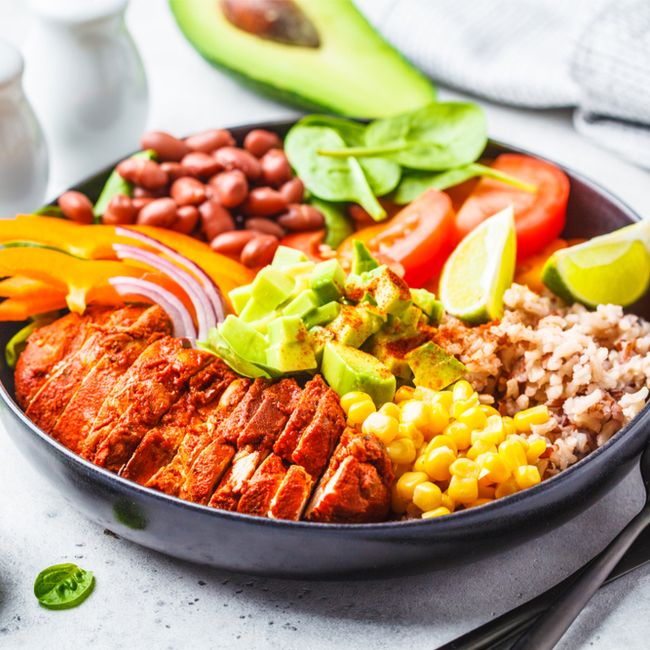
Building a metabolism-boosting bowl is more than just throwing ingredients together; it’s about thoughtful layering and flavor harmony. Here’s a template to guide your culinary alchemy:
- The Base (1-2 servings): Start with a foundation of fiber and complex carbs.
- Options: Leafy greens (spinach, kale, mixed greens), cooked quinoa, sweet potato cubes, cauliflower rice.
- The Protein Powerhouse (1-2 servings): The star of the show for satiety and TEF.
- Options: Grilled chicken breast, flaked salmon, hard-boiled eggs, black beans, lentils, baked tofu/tempeh, Greek yogurt (for breakfast bowls).
- The Vibrant Veggies & Fruits (2-3 servings): Load up on color, fiber, and micronutrients.
- Options: Roasted broccoli, bell peppers, shredded carrots, cucumber slices, cherry tomatoes, berries, avocado slices.
- The Healthy Fats & Seeds (1 serving): For sustained energy, hormone support, and crunch.
- Options: Sliced avocado, chopped almonds/walnuts, pumpkin seeds, chia seeds, flaxseeds.
- The Metabolic Magnifiers (to taste): The flavor and functional boost.
- Options: Fresh herbs (cilantro, parsley), a sprinkle of cayenne, cinnamon, turmeric, ginger.
- The Dressing (1-2 tablespoons): This is where you can tie it all together and add more metabolic enhancers.
- Options: Olive oil + apple cider vinegar + lemon juice + Dijon mustard + herbs/spices. Or a Greek yogurt-based dressing with dill and garlic.
Example Bowl Combinations:
- The "Green Goddess" Lunch Bowl:
- Base: Mixed baby greens and a scoop of quinoa.
- Protein: Grilled chicken breast or baked salmon.
- Veggies/Fruit: Sliced cucumber, bell peppers, cherry tomatoes, avocado.
- Fats/Seeds: Sprinkled pumpkin seeds and a few walnuts.
- Magnifiers: Fresh dill, parsley.
- Dressing: EVOO, lemon juice, ACV, a touch of Dijon, black pepper.
- The "Spicy Lentil & Sweet Potato" Dinner Bowl:
- Base: Roasted sweet potato cubes.
- Protein: Spiced lentils (cooked with turmeric, ginger, and a pinch of cayenne).
- Veggies/Fruit: Steamed broccoli florets, a spoonful of kimchi.
- Fats/Seeds: Drizzle of tahini, sprinkle of hemp seeds.
- Magnifiers: Fresh cilantro, a squeeze of lime.
- Dressing: Tahini, water, lemon juice, a touch of maple syrup, cayenne.
- The "Berry Boost" Breakfast Bowl:
- Base: Plain Greek yogurt or cooked steel-cut oats.
- Protein: (From yogurt/oats) or a scoop of protein powder mixed in.
- Veggies/Fruit: Mixed berries (blueberries, raspberries).
- Fats/Seeds: Almond slivers, chia seeds, flaxseeds.
- Magnifiers: A dash of cinnamon, a few drops of vanilla extract.
- Dressing: A swirl of natural almond butter.
Beyond the Bowl: A Holistic Metabolic Lifestyle
While the "Metabolism in a Bowl" approach is incredibly powerful, it’s crucial to remember that food is one piece of a larger puzzle. For truly optimal metabolic health and sustainable fat burning, these dietary strategies must be integrated into a holistic lifestyle:
- Prioritize Sleep: Chronic sleep deprivation disrupts hormones like leptin and ghrelin (appetite regulators) and increases cortisol, all of which can hinder fat loss and promote fat storage. Aim for 7-9 hours of quality sleep per night.
- Manage Stress: Elevated cortisol levels due to chronic stress can lead to increased appetite, preferential fat storage around the abdomen, and impaired insulin sensitivity. Incorporate stress-reduction techniques like meditation, yoga, deep breathing, or spending time in nature.
- Move Your Body: Beyond structured exercise, increase your NEAT (Non-Exercise Activity Thermogenesis). Take the stairs, walk more, stand while working. Incorporate strength training to build and maintain muscle mass, which is a key driver of your BMR. Cardio is important for cardiovascular health and burning calories, but resistance training is paramount for long-term metabolic health.
- Stay Hydrated: Water is essential for every metabolic process, nutrient transport, and detoxification. Drink plenty of filtered water throughout the day. Often, thirst is mistaken for hunger.
- Listen to Your Body: Pay attention to hunger and fullness cues. Practice mindful eating, savoring each bite and noticing how different foods make you feel. This bio-feedback loop is invaluable for personalization.
The Journey Continues: Embrace the Experiment
The journey to optimized metabolic health is not a destination but an ongoing exploration. The "Metabolism in a Bowl" concept empowers you to take control, to experiment with ingredients, and to discover what combination best fuels your unique body. It moves beyond restrictive dieting to a philosophy of nourishing abundance, where every ingredient is chosen with purpose.
By consistently selecting high-quality proteins, fiber-rich complex carbohydrates, healthy fats, and a spectrum of micronutrient-dense foods and functional boosters, you are not just eating a meal; you are actively engaging in the sophisticated alchemy of your own biology. You are building metabolic flexibility, sustaining energy, and laying the groundwork for a healthier, more vibrant future. So, step into your kitchen, embrace your inner metabolic scientist, and begin crafting your next bowl – a testament to the power of food as medicine, as fuel, and as a catalyst for profound well-being. The story of your metabolism is written, one delicious, nutrient-dense bowl at a time.