
In the vast culinary landscape, few ingredients command as much fundamental importance as salt. It is the primal seasoning, the bedrock of flavor, and for millennia, a vital preservative. Yet, in our modern era, this ubiquitous white crystal has become a nutritional villain, inextricably linked to the rising tide of cardiovascular disease, hypertension, and a host of other health woes. We are, as a global society, grappling with the tyranny of sodium, desperately seeking ways to reduce our intake without sacrificing the very essence of taste that makes food enjoyable.
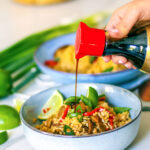
Enter soy sauce, a dark, complex elixir born from the ancient traditions of East Asia. For centuries, it has been a staple, celebrated for its unique ability to deepen and enrich flavors. But what if this fermented marvel, often perceived as another high-sodium culprit, actually holds a secret, a culinary superpower that could position it not just as an alternative, but as a superior choice for heart health when compared to its crystalline counterpart, table salt? This is not merely a question of swapping one seasoning for another; it is an invitation to a deeper understanding of flavor, physiology, and the intricate dance between our palates and our well-being. This is the story of the Salt Swap, a narrative that challenges conventional wisdom and reveals why soy sauce, when understood and utilized intelligently, might just be the unsung hero our hearts have been waiting for.
The Tyranny of the Crystal: Salt’s Reign and Its Repercussions
To truly appreciate the potential of soy sauce, we must first confront the formidable adversary: table salt. Chemically known as sodium chloride (NaCl), table salt is typically 97-99% pure sodium chloride. Its function in food is multifaceted: it preserves, enhances existing flavors, and suppresses bitterness. From the earliest human settlements, salt was a prized commodity, traded across continents, sparking wars, and forming the bedrock of economies. Our biological need for sodium is undeniable; it’s essential for nerve function, muscle contraction, and maintaining fluid balance. However, the modern diet has pushed us far beyond this evolutionary requirement.
The average global intake of sodium vastly exceeds the recommended daily limits. The World Health Organization suggests no more than 2,000 mg of sodium per day (equivalent to about 5 grams of salt), yet many populations consume double or even triple that amount. The consequences are stark and well-documented. High sodium intake is a primary driver of hypertension, or high blood pressure, a silent killer that significantly increases the risk of heart attack, stroke, kidney disease, and heart failure. The mechanism is straightforward: increased sodium leads to increased fluid retention, which in turn elevates blood volume and pressure within the arteries, forcing the heart to work harder.
The problem is exacerbated by the insidious nature of hidden sodium in processed foods. Bread, cheese, cured meats, ready meals, sauces, and snacks are often laden with sodium, making it incredibly difficult for consumers to track their intake. Even foods that don’t taste particularly salty can be significant contributors. This pervasive presence of sodium has led to a global health crisis, prompting governments and health organizations to launch campaigns advocating for reduced salt consumption. But the challenge remains: how do we reduce sodium without making food bland and unappealing? This is where the story truly begins to pivot.
The Fifth Taste Awakens: Umami, the Unsung Hero of Flavor
For centuries, our palates were understood to perceive four basic tastes: sweet, sour, bitter, and salty. Then, at the turn of the 20th century, a Japanese chemist named Kikunae Ikeda identified a fifth taste, a profound savory deliciousness that he named "umami," derived from the Japanese word "umai" (delicious) and "mi" (taste). Ikeda isolated glutamic acid, an amino acid, as the primary compound responsible for this unique sensation, which he found in kombu seaweed broth.
Umami is more than just a taste; it’s a feeling, a mouth-filling richness that deepens and harmonizes other flavors. It signals the presence of proteins, specifically amino acids like glutamate, aspartate, and nucleotides (inosinate and guanylate), which are abundant in aged cheeses, mushrooms, ripe tomatoes, cured meats, and, crucially, fermented foods like soy sauce. When umami receptors on our tongues are activated, they send signals to the brain that contribute to a sense of satisfaction and fullness, even at lower sodium levels.
This is the lynchpin of the argument for soy sauce’s heart-healthy potential. Research has increasingly demonstrated that incorporating umami-rich ingredients into meals can allow for a significant reduction in sodium content without compromising palatability. By leveraging the power of umami, we can trick our brains into perceiving food as equally or even more delicious, even when the actual sodium chloride content is lower. This is not a mere substitution; it’s a re-engineering of the flavor experience. Umami doesn’t just add flavor; it enhances and amplifies existing flavors, creating a more complex and satisfying profile that masks the absence of excessive salt.
Soy Sauce: A Symphony of Fermentation and Flavor Beyond Sodium
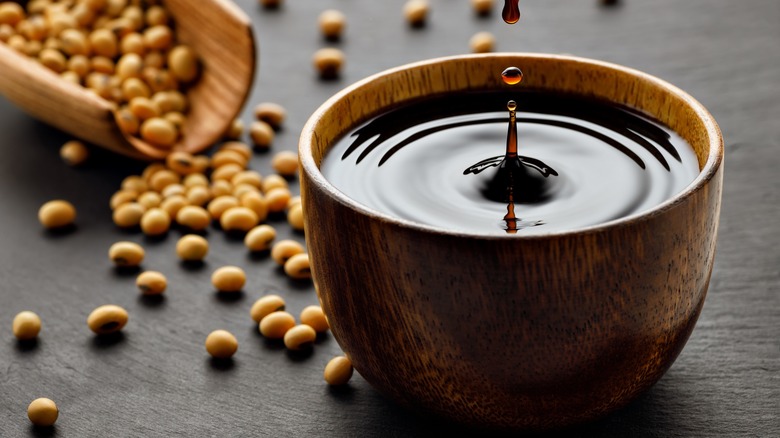
To understand why soy sauce is a potential heart-health ally, we must delve into its intricate composition and the ancient art of its creation. Authentic soy sauce is not a simple condiment; it is a meticulously crafted product of fermentation, typically involving four key ingredients: soybeans, wheat, water, and salt, inoculated with koji mold (Aspergillus oryzae) and then fermented with brine and yeast. This complex process, which can last from several months to several years, transforms simple ingredients into a rich tapestry of flavors, aromas, and compounds.
During fermentation, the koji mold breaks down the proteins in soybeans into a symphony of amino acids, including a significant amount of glutamate – the primary umami compound. The starches in the wheat are converted into sugars and then into alcohol, which contributes to the sauce’s aroma and helps preserve it. The salt, while present, plays a critical role in controlling the fermentation process, inhibiting unwanted bacteria, and, of course, contributing to the overall taste profile.
The magic of soy sauce lies in this intricate interplay of components. Unlike pure table salt, which is predominantly sodium chloride, soy sauce is a dilute solution (typically 15-18% NaCl) brimming with hundreds of flavor compounds: amino acids, organic acids, esters, alcohols, and more. This complexity means that a small amount of soy sauce delivers a much broader and more intense flavor experience than an equivalent amount of pure salt. The umami, the subtle sweetness from fermented sugars, the hint of bitterness, and the aromatic notes all contribute to a powerful flavor punch that table salt simply cannot replicate.
The Sodium Paradox: Comparing Apples and Umami
Now, let’s address the elephant in the room: soy sauce does contain sodium. A typical tablespoon (15ml) of regular soy sauce can contain around 800-900 mg of sodium. This is a substantial amount, and at first glance, it might seem counterintuitive to suggest it as a heart-healthier alternative to table salt, which contains about 2,300 mg of sodium per teaspoon (5 grams).
However, the comparison is misleading if based solely on absolute sodium content per unit weight or volume. The crucial distinction lies in usage and perceived flavor intensity.
-
Concentration vs. Usage: Table salt is pure sodium chloride. A tiny pinch delivers a powerful, direct salty hit. Soy sauce, being a liquid solution of about 15-18% salt, means that a tablespoon of soy sauce contains roughly 1.5 to 1.8 grams of sodium chloride, not 5 grams. Furthermore, due to its complex flavor profile, especially its high umami content, a smaller quantity of soy sauce is often needed to achieve a desired level of flavor satisfaction compared to pure table salt. Imagine seasoning a stir-fry: a tablespoon of soy sauce might provide sufficient flavor and savory depth, whereas an equivalent amount of pure salt would render the dish inedible.
-
The Umami Effect on Sodium Perception: This is the most critical factor. Numerous studies have shown that umami-rich foods and seasonings can allow for a reduction of up to 30-50% in sodium content in various dishes without consumers perceiving a significant drop in palatability. The umami compounds in soy sauce stimulate specific taste receptors that signal savory satisfaction, effectively masking the reduction in saltiness. Our brains are tricked into thinking the food is just as flavorful, or even more so, because of the profound umami depth. This is a game-changer for sodium reduction strategies.
-
Dilution Factor: When you add a tablespoon of soy sauce to a dish, you are not adding a tablespoon of pure salt. You are adding a dilute liquid, rich in water, amino acids, and other compounds. The sodium is dispersed within this complex matrix, contributing to a broader flavor experience rather than just a sharp saltiness.
-
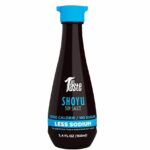
Reduced-Sodium Varieties: The market has responded to health concerns with reduced-sodium soy sauce options, which typically contain 25-50% less sodium than regular varieties (e.g., around 400-600 mg per tablespoon). When these are used, the heart-healthy advantage becomes even more pronounced. By combining the inherent umami power with a lower initial sodium load, these products represent a significant step forward.