
Introduction: The Humble Bowl, The Profound Promise
In a world obsessed with fleeting trends, miraculous supplements, and ever-evolving dietary fads, there exists a quiet, unassuming hero that has graced our tables for centuries: the salad. Often dismissed as mere side fare or a dieter’s last resort, this vibrant medley of greens, vegetables, and healthy accoutrements holds a profound secret, one whispered by scientists and echoed in the robust health of populations worldwide. It is the secret of the "Longevity Leaf," a testament to the idea that some of the most powerful medicine can be found not in a pill, but on a plate.
This isn’t about bland rabbit food or calorie-counting asceticism. This is a story woven through the intricate tapestry of human biology, nutritional science, and the timeless wisdom of eating close to nature. It’s the compelling narrative of how a regular embrace of nutrient-dense salads can quite literally add years to your life, and more importantly, life to your years. According to a growing body of research, salad eaters aren’t just making a dietary choice; they’re investing in a legacy of health, vitality, and extended longevity.
In the following exploration, we will peel back the layers of this verdant phenomenon, diving deep into the scientific mechanisms that underpin the Longevity Leaf’s power. We will journey through the nutritional symphony contained within each bowl, examine the compelling research that links salad consumption to a reduced risk of chronic diseases, explore its impact on cellular health and the very aging process, and finally, empower you with the knowledge to cultivate your own path to a longer, healthier life, one vibrant salad at a time.
Chapter 1: Beyond the Bowl – Defining the "Longevity Leaf"
Before we delve into the science, it’s crucial to define what we mean by a "Longevity Leaf" salad. Not all salads are created equal. A plate piled high with iceberg lettuce, drowning in creamy, sugary dressing, topped with fried chicken and processed croutons, is hardly the elixir of life we’re discussing. The Longevity Leaf is about intention, nutrient density, and diversity.
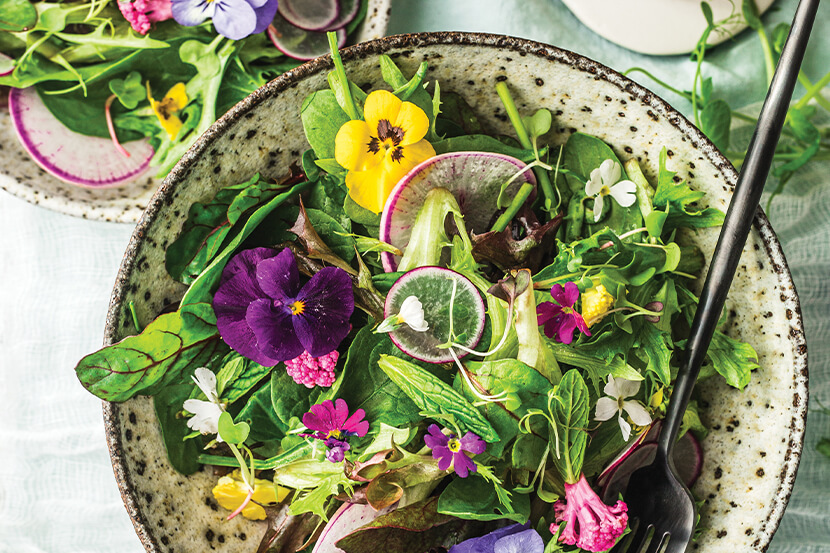
Imagine a canvas of dark, leafy greens – spinach, kale, romaine, mixed spring greens, arugula. These are the undisputed champions, packed with vitamins, minerals, and phytonutrients. To this foundation, we add a vibrant spectrum of non-starchy vegetables: ruby-red tomatoes, crisp cucumbers, crunchy bell peppers in every color, shredded carrots, broccoli florets, purple cabbage, and perhaps some thinly sliced radishes. These provide a kaleidoscopic array of antioxidants and fiber.
The Longevity Leaf then embraces healthy fats – a drizzle of extra virgin olive oil, a scattering of avocado slices, a sprinkle of nuts (walnuts, almonds) and seeds (chia, flax, pumpkin). These not only enhance flavor and satiety but also aid in the absorption of fat-soluble vitamins inherent in the vegetables. Lean protein, such as grilled salmon, chicken breast, beans, or lentils, can be added to create a complete, satisfying meal, ensuring sustained energy and muscle maintenance.
The dressing is simple, clean, and flavor-forward: olive oil, vinegar (balsamic, apple cider), fresh lemon juice, herbs, and spices. It’s a composition designed for maximum nutritional impact, where every ingredient plays a vital role in promoting health and combating the processes of aging. This is the salad that science applauds, the one that tells a story of proactive wellness with every bite.
Chapter 2: The Nutritional Symphony – A Deep Dive into Key Components
The magic of the Longevity Leaf lies not in a single ingredient, but in the synergistic interplay of hundreds of compounds. It’s a nutritional symphony where each component contributes to a harmonious whole far greater than the sum of its parts.
2.1 The Power of Dark Leafy Greens: These are the bedrock.
- Vitamin K: Abundant in greens, Vitamin K is crucial for blood clotting, but increasingly recognized for its role in bone health (preventing osteoporosis) and potentially cardiovascular health by preventing arterial calcification.
- Vitamin A (Beta-carotene): A powerful antioxidant, essential for vision, immune function, and skin health. It’s a precursor to retinoids involved in cellular growth and differentiation.
- Vitamin C: Another potent antioxidant, vital for immune support, collagen synthesis (skin elasticity), and protecting cells from oxidative stress.
- Folate (Vitamin B9): Critical for DNA synthesis and repair, folate plays a key role in preventing birth defects and is implicated in cardiovascular health by reducing homocysteine levels.
- Minerals: Magnesium (muscle and nerve function, blood sugar control), Potassium (blood pressure regulation), Iron (oxygen transport), Calcium (bone health).
- Antioxidants: Lutein and Zeaxanthin, specific carotenoids found in high concentrations in greens, are paramount for eye health, protecting against age-related macular degeneration and cataracts.
2.2 The Rainbow of Phytonutrients: Beyond vitamins and minerals, vegetables boast an incredible array of bioactive compounds.
- Carotenoids: (e.g., lycopene in tomatoes, beta-carotene in carrots, lutein in greens) These vibrant pigments are powerful antioxidants, protecting cells from damage and supporting immune function.
- Flavonoids: (e.g., quercetin in onions, anthocyanins in purple cabbage) These compounds exhibit strong anti-inflammatory and antioxidant properties, potentially reducing the risk of heart disease and certain cancers.
- Glucosinolates: Found in cruciferous vegetables (broccoli, cabbage), these compounds are converted into isothiocyanates, which are potent detoxifiers and have demonstrated anti-cancer properties.
- Polyphenols: A broad category of compounds with diverse benefits, including improving gut health, reducing inflammation, and protecting against chronic diseases.
2.3 The Fiber Factor: Often overlooked, fiber is a superstar for longevity.
- Soluble Fiber: Found in vegetables, nuts, and seeds, it forms a gel-like substance in the digestive tract, which helps lower cholesterol, stabilize blood sugar levels, and promote satiety.
- Insoluble Fiber: The "roughage" that adds bulk to stool, preventing constipation and promoting regular bowel movements.
- Prebiotic Power: Both types of fiber act as prebiotics, feeding the beneficial bacteria in your gut microbiome. This leads to the production of short-chain fatty acids (SCFAs) like butyrate, which nourish gut cells, reduce inflammation, and have systemic health benefits extending to brain health and immune function.
2.4 Healthy Fats and Proteins: Essential for nutrient absorption and overall satiety.
- Monounsaturated and Polyunsaturated Fats: From olive oil, avocado, nuts, and seeds, these healthy fats are crucial for brain health, hormone production, and reducing inflammation. They are also vital for absorbing the fat-soluble vitamins (A, D, E, K) found abundantly in vegetables.
- Lean Protein: Whether plant-based (beans, lentils) or animal-based (fish, chicken), protein provides essential amino acids for muscle repair, enzyme production, and maintaining a healthy metabolism. It also contributes to satiety, helping to manage weight.
This intricate blend of nutrients, antioxidants, anti-inflammatory compounds, and gut-loving fiber creates a powerful internal environment that actively resists disease and supports the body’s natural processes of repair and rejuvenation.
Chapter 3: The Scientific Bedrock – Research Unveils the Mechanisms
The concept of the Longevity Leaf isn’t just intuitive; it’s robustly supported by a wealth of scientific research. Epidemiological studies, clinical trials, and molecular investigations consistently point to the profound impact of plant-rich diets, with salads at their core, on human health and lifespan.
3.1 The Anti-Inflammatory Powerhouse:
Chronic, low-grade inflammation is now recognized as a root cause of most age-related diseases, including heart disease, cancer, diabetes, and neurodegenerative disorders. The compounds in salads – particularly antioxidants like Vitamin C, E, carotenoids, and polyphenols – actively combat oxidative stress and modulate inflammatory pathways. They neutralize free radicals, reduce the production of pro-inflammatory cytokines, and protect cellular integrity, effectively dampening the "silent fire" of inflammation that erodes health over time. Research consistently shows that individuals consuming higher amounts of fruits and vegetables have lower markers of inflammation in their blood.
3.2 Cardiovascular Guardians:
Heart disease remains a leading cause of death globally. Salads are a cornerstone of cardiovascular health.
- Blood Pressure: The high potassium content in leafy greens and other vegetables helps to counteract the effects of sodium, promoting healthy blood pressure. Nitrates, particularly abundant in leafy greens, are converted into nitric oxide in the body, which helps relax and widen blood vessels, improving blood flow.
- Cholesterol: Soluble fiber in vegetables, nuts, and seeds binds to cholesterol in the digestive tract, preventing its absorption and helping to lower LDL ("bad") cholesterol levels.
- Endothelial Function: The array of antioxidants and anti-inflammatory compounds protects the delicate lining of blood vessels (the endothelium), ensuring their proper function and preventing the buildup of plaque. Studies consistently link higher vegetable intake to a reduced risk of hypertension, stroke, and heart attack.
3.3 Cancer Prevention Potential:
The link between diet and cancer risk is one of the most thoroughly researched areas. Salads, rich in antioxidants, phytonutrients, and fiber, offer multifaceted protection against various cancers.
- DNA Protection: Antioxidants shield cellular DNA from damage caused by free radicals, which can lead to mutations and cancer development.
- Detoxification: Glucosinolates in cruciferous vegetables activate detoxification enzymes in the liver, helping the body eliminate carcinogens.
- Cell Cycle Regulation: Certain phytonutrients can influence cell growth, differentiation, and apoptosis (programmed cell death), preventing uncontrolled cell proliferation characteristic of cancer.
- Epidemiological Evidence: Large cohort studies, such as the Nurses’ Health Study and the Health Professionals Follow-up Study, have repeatedly demonstrated a lower incidence of colorectal, breast, lung, and other cancers in individuals with high vegetable and fiber intake.
3.4 Brain Health & Cognitive Resilience:
The brain is highly susceptible to oxidative stress and inflammation. The Longevity Leaf provides crucial nutrients for cognitive function and protection against neurodegenerative diseases.
- Antioxidant Defense: Lutein, zeaxanthin, and other antioxidants concentrate in the brain, protecting neurons from damage.
- Folate: Essential for neurotransmitter synthesis and reducing homocysteine, which is linked to cognitive decline and Alzheimer’s disease.
- Vitamin K: Emerging research suggests Vitamin K plays a role in brain health and cognitive function.
- Improved Blood Flow: The cardiovascular benefits translate directly to brain health, ensuring a steady supply of oxygen and nutrients to neural tissues. Research from Rush University Medical Center and other institutions has highlighted the "MIND Diet," which heavily emphasizes leafy greens and berries, for its ability to significantly reduce the risk of Alzheimer’s disease.
3.5 Gut Microbiome Mastery:
The gut microbiome, a complex ecosystem of trillions of bacteria, profoundly impacts overall health, immunity, and even mood. Salads are supreme architects of a healthy gut.
- Prebiotic Fiber: As discussed, the diverse fiber content feeds beneficial gut bacteria, promoting their growth and diversity. A diverse microbiome is associated with better immune function, reduced inflammation, and protection against various diseases.
- Short-Chain Fatty Acids (SCFAs): The fermentation of fiber by gut bacteria produces SCFAs, which strengthen the gut barrier, reduce systemic inflammation, and have beneficial effects on metabolism and brain health.
- Gut-Brain Axis: A healthy gut microbiome, fostered by fiber-rich foods, communicates with the brain, influencing mood, stress response, and cognitive function.
3.6 Metabolic Harmony & Weight Management:
Maintaining a healthy weight is a critical factor in longevity, reducing the risk of type 2 diabetes, heart disease, and certain cancers. Salads excel in this regard.
- Low Caloric Density, High Nutrient Density: Salads allow for large, satisfying portions with relatively few calories, while delivering a wealth of nutrients. This helps to manage overall caloric intake without feeling deprived.
- Fiber for Satiety: The high fiber content promotes fullness, reducing the likelihood of overeating and snacking on less healthy options.
- Improved Insulin Sensitivity: The slow digestion of fiber and the abundance of phytonutrients help stabilize blood sugar levels, improving insulin sensitivity and reducing the risk of insulin resistance and type 2 diabetes.
3.7 Cellular Longevity & Telomeres:
At the cutting edge of longevity research is the study of telomeres – protective caps at the ends of our chromosomes that shorten with each cell division. Shorter telomeres are associated with cellular aging and increased risk of age-related diseases.
- Antioxidant Protection: Oxidative stress is a major contributor to telomere shortening. The antioxidants in salads help mitigate this damage, potentially preserving telomere length.
- Anti-Inflammatory Effects: Chronic inflammation also accelerates telomere shortening. By reducing inflammation, salads contribute to telomere maintenance.
- Research: Studies have shown that diets rich in fruits, vegetables, and whole grains are associated with longer telomeres, suggesting a direct link between a plant-predominant diet and cellular longevity. While not a magic bullet, the consistent consumption of nutrient-rich foods like salads plays a significant role in fostering a cellular environment conducive to graceful aging.
Chapter 4: The Nuance and the Naysayers – Addressing Complexities
While the evidence for the Longevity Leaf is compelling, a knowledgeable audience understands that no dietary strategy is without nuance. It’s important to address potential pitfalls and common questions.
4.1 Not All Salads Are Equal: This bears repeating. The health benefits are tied to the quality of the ingredients. Sugary dressings, processed meats, fried toppings, and excessive cheese can negate many of the positive effects, transforming a potential longevity booster into a caloric bomb devoid of true nutritional value. The emphasis must remain on whole, unprocessed ingredients.
4.2 Organic vs. Conventional: The debate over organic produce often arises. While organic produce may have slightly higher levels of certain nutrients and fewer pesticide residues, the overwhelming consensus is that any increase in vegetable consumption, whether organic or conventional, is beneficial. The health gains from consuming more plants far outweigh the potential risks associated with conventional farming practices, especially when produce is properly washed.
4.3 Preparation Methods: While raw salads are excellent for preserving heat-sensitive vitamins (like Vitamin C and some B vitamins) and enzymes, some nutrients (like lycopene in tomatoes or beta-carotene in carrots) become more bioavailable when lightly cooked. The Longevity Leaf embraces both raw and lightly cooked vegetables, recognizing the diverse benefits of each. A varied approach ensures a wider spectrum of nutrient absorption.
4.4 Individual Variations: Digestive issues, allergies, or specific health conditions might require adjustments to salad composition. For example, individuals with irritable bowel syndrome (IBS) might need to avoid certain high-FODMAP vegetables. The core principle remains: prioritize nutrient-dense plants, but always listen to your body and consult with healthcare professionals if necessary.
4.5 Salad as Part of a Holistic Lifestyle: While powerful, the Longevity Leaf is not a magic bullet in isolation. Its benefits are amplified when combined with other healthy lifestyle factors: regular physical activity, adequate sleep, stress management, and avoidance of smoking and excessive alcohol. It’s a vital piece of the longevity puzzle, not the entire solution.
Chapter 5: Cultivating Your Own Longevity Leaf – Practical Application
The scientific story of the Longevity Leaf is inspiring, but its true power lies in its practical application. Incorporating more vibrant salads into your daily life doesn’t have to be daunting; it can be a delicious and empowering journey.
5.1 Start Simple, Grow Gradually: Don’t feel pressured to create a gourmet masterpiece overnight. Begin by adding a handful of dark leafy greens to one meal a day. Then, gradually introduce more vegetables, varying colors and textures.
5.2 Diversify Your Greens: Rotate your leafy greens to maximize nutrient intake. Don’t stick to just romaine; explore spinach, kale, arugula, mixed spring greens, collard greens, and Swiss chard. Each offers a unique nutrient profile.
5.3 "Eat the Rainbow": Aim for a spectrum of colors in your salad. Red (tomatoes, bell peppers), orange (carrots, sweet potatoes), yellow (corn, bell peppers), green (broccoli, cucumber), purple (red cabbage, beets). Each color often signifies different phytonutrients.
5.4 Master the Dressing: Ditch the bottled, sugar-laden dressings. Opt for a simple vinaigrette made with extra virgin olive oil, a good quality vinegar (balsamic, apple cider, red wine), fresh lemon juice, Dijon mustard, and herbs. This provides healthy fats and flavor without unnecessary additives.
5.5 Add Healthy Fats and Protein: These are crucial for satiety and nutrient absorption.
- Fats: Avocado, nuts (walnuts, almonds, pecans), seeds (chia, flax, pumpkin, sunflower).
- Proteins: Grilled fish (salmon, tuna), chicken breast, hard-boiled eggs, beans, lentils, chickpeas, tofu, tempeh.
5.6 Incorporate Whole Grains or Legumes: For a more substantial meal, add cooked quinoa, farro, brown rice, or lentils. These provide complex carbohydrates and additional fiber.
5.7 Make it a Habit: Consistency is key. Prep ingredients in advance – wash and chop greens, roast vegetables, cook grains – so assembling a nutritious salad becomes quick and easy. Consider a "salad bar" approach in your fridge.
5.8 Embrace Creativity: Salads are incredibly versatile. Experiment with different flavor profiles: Mediterranean (olives, feta, cucumber), Asian (edamame, shredded carrots, sesame ginger dressing), Mexican (black beans, corn, avocado, salsa). The possibilities are endless.
Conclusion: A Legacy of Leaves
The journey through the "Longevity Leaf" reveals a profound truth: optimal health and a longer, more vibrant life are not found in elusive secrets or expensive elixirs, but often in the simple, accessible wisdom of nature. The humble salad, when thoughtfully constructed, stands as a powerful testament to this principle.
We’ve seen how this daily ritual, rich in dark leafy greens, a rainbow of vegetables, healthy fats, and fiber, orchestrates a symphony of beneficial effects within the body. From its potent anti-inflammatory and antioxidant properties that quell the fires of disease, to its role as a cardiovascular guardian, a cancer deterrent, a brain protector, and a gut microbiome master, the Longevity Leaf impacts virtually every system in the body, promoting resilience and robust health. It even touches upon cellular longevity, offering a shield against the relentless march of time.
This isn’t just a story about food; it’s a story about empowerment. It’s about understanding that the power to significantly influence your health trajectory lies not in the hands of fate, but often at the end of your fork. By consciously choosing to embrace the Longevity Leaf, you are making a tangible investment in your future self – a self less burdened by illness, more energized, and capable of experiencing life to its fullest, for longer.
So, the next time you prepare a salad, remember the profound science contained within that simple bowl. It’s more than just a meal; it’s a daily act of self-care, a delicious commitment to a healthier, longer, and more fulfilling life. The Longevity Leaf awaits, ready to tell its story on your plate, one vibrant, life-affirming bite at a time.