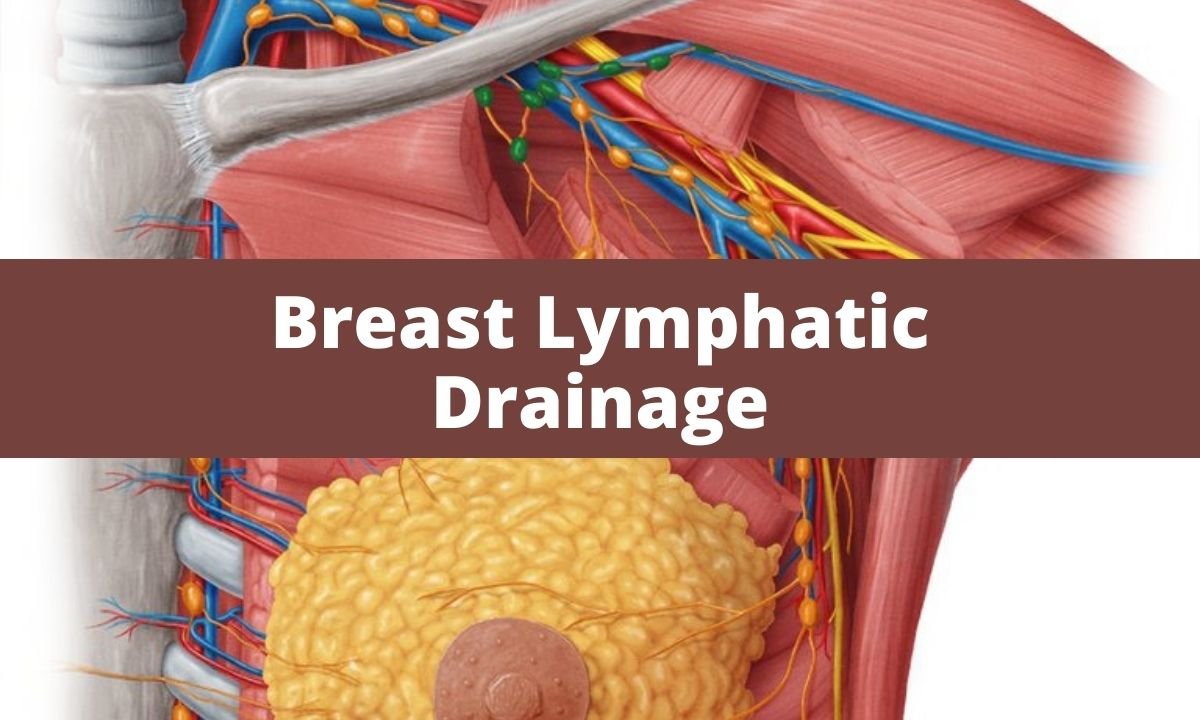

The Unseen Current: A Prelude to Discovery
In the intricate tapestry of human physiology, there exist systems whose profound importance often remains shrouded in subtlety, their relentless work unfolding beneath the radar of our conscious awareness. We laud the pulsating heart, the expansive lungs, the discerning brain, but what of the silent river that flows within us, a network of vessels and nodes, tirelessly cleansing, defending, and nourishing? This is the lymphatic system – an unsung hero, a hidden current that, when understood and nurtured, holds the key to vitality that extends far beyond conventional health paradigms.
The phrase "Beyond the Bra" serves not merely as a nod to breast health, but as a metaphor. It invites us to look past the obvious, to delve deeper than surface-level concerns, and to uncover the profound, systemic impact of a system too long overlooked. For many, the lymphatic system enters their vocabulary only in the context of illness – lymphedema after cancer treatment, swollen glands signaling infection. Yet, its daily operation is fundamental to every facet of our well-being, influencing everything from our immune resilience and energy levels to our mental clarity and the very texture of our skin.
This is a story of rediscovery, a journey into the body’s subtle intelligence. It is a narrative for the knowledgeable, for those who seek to move beyond symptomatic treatment and embrace a holistic understanding of health. We will explore the anatomy and physiology of this extraordinary system, uncover the insidious ways modern life can impede its flow, and ultimately, chart a course towards conscious lymphatic care, empowering us to unlock a deeper, more resilient state of health.
I. The Anatomy of an Unsung Hero: The Lymphatic System Unveiled
Imagine a meticulous, parallel universe within your body, a secondary circulatory system operating in quiet concert with your blood vessels. This is the lymphatic system, a sophisticated network designed not to pump blood, but to manage the interstitial fluid, the vital liquid that bathes every cell and tissue.
A. The Components of the River:
- Lymph: This is the clear, yellowish fluid itself, derived from blood plasma that has seeped out of capillaries into the interstitial spaces. It carries proteins, waste products, cellular debris, bacteria, viruses, and crucially, lymphocytes (a type of white blood cell). Unlike blood, lymph does not contain red blood cells.
- Lymphatic Vessels: These are the tributaries and main channels of the system. Starting as microscopic, blind-ended capillaries interwoven with blood capillaries, they are highly permeable, designed to absorb the larger molecules and excess fluid that blood capillaries cannot. These capillaries merge into progressively larger collecting vessels, which then feature one-way valves, much like veins, to prevent backflow.
- Lymph Nodes: Strategically positioned along the lymphatic vessels, these bean-shaped structures are the crucial filtering stations and immune command centers. Clustered in areas like the neck (cervical), armpits (axillary), groin (inguinal), and abdomen, they are packed with lymphocytes (T-cells, B-cells) and macrophages. Here, foreign particles, pathogens, and cellular waste are trapped and destroyed.
- Lymphatic Organs:
- Spleen: The largest lymphatic organ, it filters blood (not lymph), removes old red blood cells, stores platelets, and houses lymphocytes, playing a critical role in immune surveillance.
- Thymus: Located in the chest, it’s where T-lymphocytes mature and differentiate, becoming critical players in cell-mediated immunity.
- Tonsils & Adenoids: Rings of lymphatic tissue in the throat, forming a first line of defense against inhaled and ingested pathogens.
- Peyer’s Patches: Aggregations of lymphatic tissue found in the lining of the small intestine, integral to gut immunity (GALT – Gut-Associated Lymphoid Tissue).
- Appendix: While its function has long been debated, it’s now recognized as having lymphatic tissue, potentially acting as a "safe house" for beneficial gut bacteria.
- Bone Marrow: The birthplace of all blood cells, including the lymphocytes that populate the lymphatic system.
B. The Core Functions: A Symphony of Support:
The lymphatic system is a multi-talented orchestrator of health, performing three primary, interconnected roles:
- Fluid Balance (The Drainage System): Approximately 20 liters of fluid filter out of blood capillaries into the interstitial spaces each day. While 17 liters are reabsorbed directly into the blood capillaries, about 3 liters remain. The lymphatic system is solely responsible for collecting this remaining interstitial fluid, preventing tissues from swelling. Without this crucial drainage, our tissues would swell dramatically, and our circulatory system would eventually fail due to fluid loss.
- Waste Removal & Detoxification (The Janitorial Service): The lymph picks up metabolic waste products, cellular debris, excess proteins, and even dead cells from the interstitial fluid. It transports these to the lymph nodes for processing and eventual elimination, primarily via the kidneys and liver. It acts as the body’s internal plumbing, ensuring a clean and optimal environment for cellular function.
- Immune Surveillance & Defense (The Silent Guardian): This is perhaps its most celebrated, yet often underestimated, role. As lymph flows through the nodes, it’s rigorously screened for pathogens (bacteria, viruses, fungi), abnormal cells (including cancer cells), and foreign substances. Lymphocytes launch immune responses, multiplying rapidly to combat threats. The lymphatic system is the highways and command centers of our adaptive immune response, facilitating communication and coordination among immune cells.
- Fat Transport (The Dietary Bridge): Specialized lymphatic capillaries called lacteals, located in the villi of the small intestine, are responsible for absorbing dietary fats and fat-soluble vitamins (A, D, E, K). These fats, packaged as chylomicrons, are too large to enter blood capillaries directly. The lymphatic system transports them to the bloodstream via the thoracic duct, bypassing the liver’s initial processing, ensuring these vital nutrients reach the body.