
We live in a world obsessed with performance, with optimization. We fine-tune our careers, our investments, our workouts. Yet, for many men, a crucial aspect of their long-term well-being—prostate health—often remains a silent, unseen variable, lurking in the background until it demands attention. It’s a bit like owning a magnificent, complex machine; we admire its power and utility, but only truly consider its maintenance when a warning light flickers on the dashboard.
But what if we could be the architects of our own prostate health, not just reactive mechanics? What if the power to significantly influence this vital gland lay not in complex medical interventions, but in the deceptively simple, daily choices we make at the dinner table? For the knowledgeable man, understanding the intricate dance between diet and physiology isn’t just about avoiding illness; it’s about optimizing vitality, ensuring the unseen architect builds a foundation of enduring strength.
The prostate, a small, walnut-sized gland situated beneath the bladder, plays a pivotal role in male reproductive health. As men age, it becomes increasingly susceptible to conditions ranging from the inconveniently common Benign Prostatic Hyperplasia (BPH) – an enlargement that can impede urinary flow – to the more serious, prostate cancer, the second most common cancer among men worldwide. While genetics, age, and ethnicity are undeniable factors, a growing body of robust scientific evidence points to diet as a profoundly influential, and crucially, modifiable, determinant of prostate destiny.
This isn’t about radical overhauls or deprivation; it’s about subtle, strategic shifts. It’s about empowering ourselves with knowledge, understanding the cellular conversations sparked by every meal, and consciously choosing ingredients that whisper "resilience" rather than "risk." Today, we’re going to explore five simple, yet profoundly impactful, dietary swaps. These aren’t just food changes; they are invitations to become active participants in our own health narrative, starting right now.
Swap 1: From the Charred & Cured to the Fin-Flashed & Field-Farmed – Reimagining Protein
Imagine your body as a high-performance engine. The fuel you put in directly impacts its longevity, efficiency, and the cleanliness of its exhaust. For too long, the default protein source in many Western diets has been heavily reliant on red and processed meats—the sizzling steak, the smoky bacon, the ubiquitous hot dog. While undeniably satisfying to the palate, these choices often come with a hidden cost for prostate health, making them the first area ripe for a transformative swap.
The "Why" Behind the Shift: The Red Meat Conundrum
The connection between high consumption of red and processed meats and an increased risk of prostate issues, particularly aggressive prostate cancer, is a well-documented concern. Several mechanisms are at play:
- Saturated Fat & Inflammation: Red meats, especially fattier cuts, are rich in saturated fats. Excessive intake of these fats can promote systemic inflammation, a chronic, low-grade internal fire that fuels cellular damage and proliferation, creating an environment conducive to cancer development.
- Heme Iron Overload: Red meat is an excellent source of heme iron, which is highly bioavailable. While essential in moderation, excessive heme iron can act as a pro-oxidant, generating harmful free radicals that damage DNA and cellular structures within the prostate.
- Carcinogenic Compounds: When red meats are cooked at high temperatures (grilling, frying), particularly to a charred state, compounds like Heterocyclic Amines (HCAs) and Polycyclic Aromatic Hydrocarbons (PAHs) are formed. These potent carcinogens have been linked to various cancers, including prostate cancer, by directly damaging DNA.
- Nitrates & Nitrites: Processed meats (bacon, sausages, deli meats) often contain nitrates and nitrites, used as preservatives and for flavor. In the body, these can be converted into N-nitroso compounds (NOCs), which are known carcinogens.
- IGF-1 Pathway: High consumption of animal protein, particularly from dairy and red meat, has been associated with elevated levels of Insulin-like Growth Factor 1 (IGF-1). IGF-1 is a hormone that, while vital for growth, can also stimulate the growth and proliferation of prostate cells, potentially accelerating the development of both BPH and prostate cancer.
The Power of the Swap: Embracing Lean Proteins and Plant-Based Alternatives
Shifting away from a heavy reliance on red and processed meats opens the door to a diverse world of prostate-protective proteins:
- Fatty Fish (Salmon, Mackerel, Sardines): These are champions of prostate health, brimming with Omega-3 fatty acids (EPA and DHA). Omega-3s are potent anti-inflammatory agents, directly counteracting the pro-inflammatory effects of saturated fats. They also play a role in modulating cell growth and reducing the risk of aggressive prostate cancer. Imagine these fish as tiny internal fire extinguishers, calming the cellular inflammation that could otherwise rage.
- Lean Poultry (Chicken, Turkey Breast): Opt for skinless, lean cuts. While still animal protein, they are lower in saturated fat and heme iron compared to red meat, making them a healthier choice when consumed in moderation.
- Legumes (Lentils, Beans, Chickpeas): These plant-based powerhouses are not only excellent sources of protein but also rich in fiber, vitamins, and minerals. Their fiber content helps regulate blood sugar and hormone levels, while their diverse phytochemicals offer antioxidant and anti-cancer benefits. Think of a bowl of lentil soup as a nutritional fortress, guarding your cells.
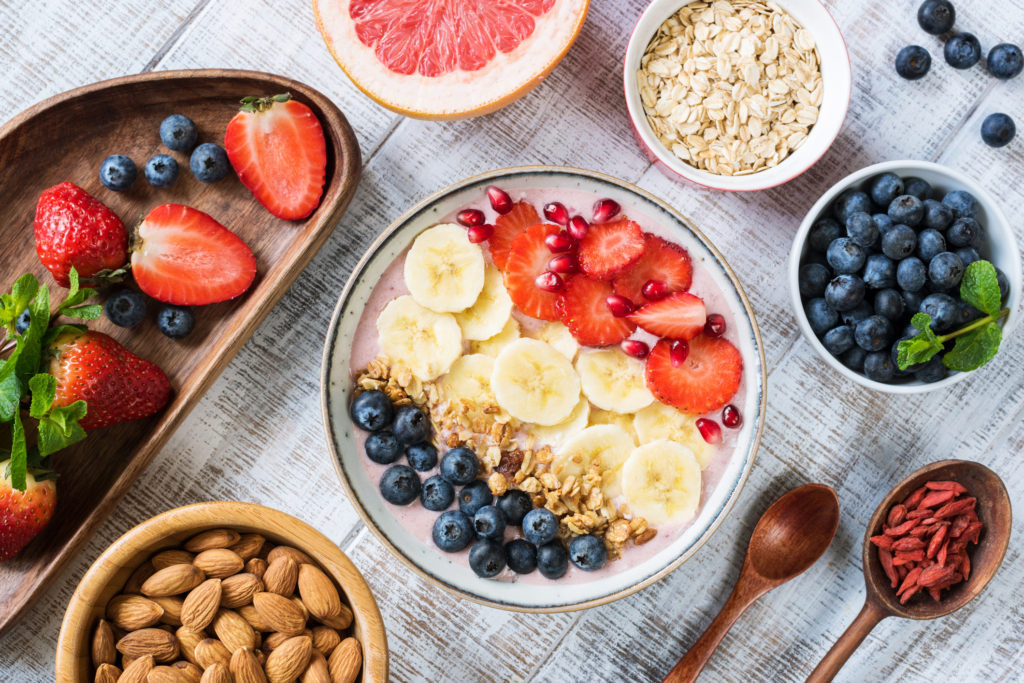
- Nuts & Seeds (Walnuts, Almonds, Flaxseeds, Chia Seeds): Beyond protein, these offer healthy fats, fiber, and an array of micronutrients. Walnuts, for instance, are rich in alpha-linolenic acid (ALA), another beneficial Omega-3, and contain compounds like gamma-tocopherol (a form of Vitamin E) that have demonstrated anti-cancer properties. Flaxseeds are particularly notable for their lignans, phytoestrogens that can help modulate hormone levels, potentially reducing prostate cancer risk.
- Tofu & Tempeh: Fermented soy products are excellent sources of plant-based protein and contain isoflavones (genistein and daidzein), which have been studied extensively for their potential prostate-protective effects. These compounds can act as weak phytoestrogens, competing with more potent endogenous estrogens and androgens, thereby potentially slowing the growth of prostate cells.
Making the Swap a Story of Success:
Instead of a nightly steak, consider a grilled salmon fillet twice a week. Replace bacon with avocado slices on your morning toast. Experiment with "meatless Mondays" featuring lentil curries or black bean burgers. The shift isn’t just about what you remove, but what vibrant, health-affirming foods you introduce. It’s a journey from the heavy, potentially harmful, to the light, life-giving, and profoundly protective.
Swap 2: From the Sugar Rush & Starchy Drain to the Steady Glow – Rethinking Carbohydrates
Our modern world is awash in refined carbohydrates and added sugars. From the breakfast cereal that promises energy but delivers a sugar spike, to the ubiquitous white bread and pasta, these foods have become staples. Yet, for prostate health, they represent a significant metabolic burden, often acting as silent saboteurs. The second crucial swap invites us to move from the chaotic energy rollercoaster of simple carbs to the steady, nourishing glow of complex, whole grains.
The "Why" Behind the Shift: The Refined Carb Cascade