
In the intricate tapestry of modern life, few decisions carry the weight and continuous mental load quite like contraception. For countless individuals and couples, the journey to finding the "right" method is a narrative fraught with anxiety, inconvenience, and often, unexpected side effects. It’s a perpetual quest for balance: efficacy versus side effects, convenience versus cost, spontaneity versus responsibility. But what if there was a path to profound liberation, a single decision that could unravel years of contraceptive stress, offering not just protection, but an unparalleled sense of peace?
This is the story of tubectomy, often misunderstood, sometimes feared, but for millions of women worldwide, a gateway to the most stress-free contraceptive experience imaginable. It is the quintessential "one and done" solution, a quiet revolution in personal autonomy and mental tranquility. For the knowledgeable audience, those who have navigated the complex landscape of reproductive choices, this article aims to illuminate why tubectomy stands as an apex of contraceptive freedom, a testament to the power of a single, thoughtful decision.
The Labyrinth of Contraceptive Stress: A Universal Narrative
Before we extol the virtues of tubectomy, it’s crucial to acknowledge the landscape it seeks to transcend. The story of contraception for many is a saga of ongoing effort, vigilance, and compromise.
The Daily Burden: The Pill and its Persistent Demands
Consider the oral contraceptive pill, a marvel of modern medicine, yet simultaneously a daily psychological tether. For years, decades even, a woman commits to a ritual: taking a pill at the same time every day. Imagine the mental checklist: "Did I take it? Is it packed for my trip? What if I’m sick? What about that antibiotic?" This seemingly small act accumulates into a significant cognitive load. A forgotten pill sparks a cascade of anxiety – the scramble for emergency contraception, the fear of unintended pregnancy, the disruption of carefully laid life plans. Beyond the adherence, there’s the monthly pharmacy visit, the cost, and the relentless stream of hormonal side effects: mood swings, weight fluctuations, changes in libido, headaches, nausea. It’s a constant negotiation with one’s own body, a daily reminder of the ongoing effort required to prevent conception.
The Periodic Anxiety: Injections, Patches, and the Calendar’s Tyranny
Then there are methods that offer slightly longer intervals of peace, but introduce their own unique stresses. The contraceptive injection, for instance, grants a few months of freedom, but then demands a return to the clinic, a commitment to a schedule. Missed appointments lead to renewed anxiety. Patches and rings offer weekly or monthly changes, but still necessitate remembering, acquiring, and applying/inserting them. These methods, while alleviating daily worry, replace it with a periodic, high-stakes calendar management. And like the pill, they often come with their own suite of hormonal impacts, compelling women to constantly evaluate whether the benefits outweigh the persistent side effects.
The Invasive Intrigue: IUDs and the Unseen Presence
Intrauterine devices (IUDs), both hormonal and non-hormonal, represent a longer-term solution, often lasting years. They offer a significant reduction in daily or monthly effort. Yet, their story isn’t entirely devoid of stress. The insertion procedure itself can be daunting, even painful for some. There’s the initial adjustment period, the potential for heavier periods or cramping, and the ever-present awareness of a foreign object within one’s body. While effective, the possibility of expulsion, perforation, or simply discomfort can lead to periodic checks and a lingering, albeit often subconscious, awareness. For some, the thought of a device inside them, however safe, can be a source of unease.
The Unreliable Roulette: Barrier Methods and Withdrawal
Moving further down the efficacy scale, barrier methods like condoms and diaphragms, and the withdrawal method, introduce a different kind of stress: the stress of human error and compromised spontaneity. Condoms, while vital for STI prevention, can interrupt intimacy, require immediate availability, and carry a small but present risk of breakage or misuse. The withdrawal method, notoriously unreliable, is less a contraceptive strategy and more a gamble, placing immense pressure on both partners and often leading to cycles of fear and relief. These methods underscore the constant vigilance required, transforming intimacy from a spontaneous act into a carefully managed event.
The Shadow of Emergency Contraception: Post-Hoc Panic
And finally, the ultimate manifestation of contraceptive stress: emergency contraception. The frantic search, the race against time, the intense worry and emotional turmoil after a potential contraceptive failure. It’s a stark reminder of the high stakes involved in reproductive control, a reactive measure born out of the inherent imperfections and stresses of other methods.
The cumulative toll of these methods is not just physical or logistical; it is profoundly psychological. It’s the anxiety of unintended pregnancy, the exhaustion of managing side effects, the erosion of spontaneity in intimate relationships, and the pervasive sense of a life constantly influenced by the demands of contraception. This is the narrative that tubectomy seeks to rewrite.
Tubectomy Unveiled: A Path to Liberation
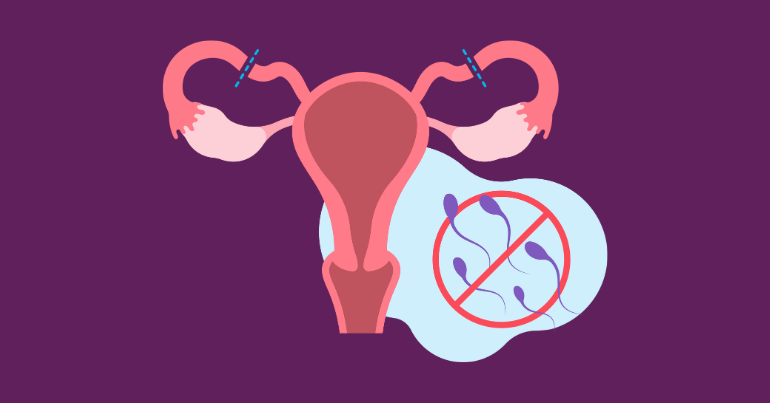
Tubectomy, often referred to as female sterilization, is a surgical procedure that permanently prevents pregnancy. At its core, it involves blocking or sealing the fallopian tubes, the pathways through which eggs travel from the ovaries to the uterus. Once these tubes are blocked, sperm cannot reach the egg, and a fertilized egg cannot reach the uterus. The procedure is remarkably simple in concept and, with modern medical advancements, increasingly straightforward in execution.
The Procedure: Modern Techniques and Minimal Disruption
Gone are the days when tubectomy was a major abdominal surgery requiring extensive recovery. Today, the vast majority of tubectomies are performed using minimally invasive techniques, primarily laparoscopy. This involves making one or two tiny incisions, typically less than half an inch, near the navel. A thin, lighted tube with a camera (laparoscope) is inserted, allowing the surgeon to view the fallopian tubes on a monitor. Small surgical instruments are then inserted through the same or another tiny incision to seal or block the tubes. This can be done by:
- Cutting and tying: A segment of the tube is removed, and the remaining ends are tied off.
- Cauterization: The tubes are sealed using heat (electrocautery).
- Clips or rings: Small plastic or titanium clips or rings are placed on the tubes to block them.
Another common method, particularly after childbirth, is a mini-laparotomy. This involves a small incision, usually just below the navel or near the pubic hairline, through which the fallopian tubes are accessed and sealed. This approach is often chosen when a woman is already undergoing a C-section or shortly after a vaginal delivery, leveraging the uterus’s higher position.
Both laparoscopic and mini-laparotomy procedures are typically performed under general anesthesia, though sometimes local anesthesia with sedation is used. The entire procedure usually takes less than an hour, and most women are discharged the same day. Recovery is generally swift, with most women resuming normal activities within a few days to a week.
Debunking Myths: Clarity for the Knowledgeable
Despite its simplicity and efficacy, tubectomy has been a target of numerous misconceptions, often rooted in misinformation or cultural biases. For the knowledgeable audience, it’s vital to separate fact from fiction: