
The relentless pursuit of fat loss often feels like an intricate dance, a complex choreography of diet, exercise, and willpower. We scrutinize macro ratios, measure heart rates, and weigh every morsel, often overlooking the quiet powerhouses that could be working as our unseen architects in this metabolic ballet. Among these unsung heroes, one creamy, unassuming staple stands out: yogurt.
Often relegated to a quick breakfast or a light snack, the true metabolic prowess of yogurt is profoundly underestimated. This isn’t merely a vessel for fruit or granola; it is a sophisticated modulator of our internal systems, a fermented food with roots stretching back millennia, now understood through the lens of modern nutritional science as a potent ally in the quest for a leaner physique. This isn’t just about calories; it’s about intricate biological mechanisms, hormonal signals, and the subtle yet powerful shifts yogurt can induce, nudging our bodies towards a more efficient fat-burning state.
Join us on a journey to uncover how this humble food orchestrates a symphony within our bodies, transforming our understanding of its role in fat loss. We will explore five profound ways yogurt actively contributes to the complex ballet of fat burning, revealing it not as a simple dairy product, but as a strategic component in our metabolic toolkit.
The Grand Tapestry of Fat Burning: A Primer for the Knowledgeable
Before we dive into the specific contributions of yogurt, it’s essential to establish the complex landscape of fat loss itself. The adage "calories in versus calories out" serves as a foundational principle, much like gravity is foundational to physics. However, just as physics extends far beyond gravity, so too does fat loss extend beyond a simple caloric ledger. What those calories are, when they are consumed, and how they interact with our unique biological machinery matters immensely.
Imagine your body as a highly sophisticated internal furnace, constantly burning fuel to maintain its temperature, power its functions, and rebuild its structures. This is your metabolism, encompassing your Basal Metabolic Rate (BMR) – the energy burned at rest – the Thermic Effect of Food (TEF) – the energy expended to digest and process food – and the energy used for physical activity. Each of these components contributes to your total daily energy expenditure.
But the furnace doesn’t operate in isolation; it’s intricately managed by a complex web of hormonal orchestrators. Insulin, the storage hormone, ushers glucose into cells. Glucagon, its counterpoint, mobilizes stored energy. Leptin signals satiety, while ghrelin rings the hunger alarm. Cortisol, the stress hormone, can influence fat distribution, and thyroid hormones regulate the overall pace of your metabolic furnace. These are the conductors of our metabolic symphony, constantly communicating and adjusting.
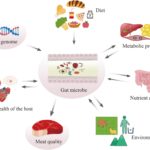
And then there’s the gut-brain axis, a crucial, often overlooked player. Our digestive tract, teeming with trillions of microorganisms – our microbiome – isn’t just a processing plant; it’s a bustling metropolis influencing everything from mood and immunity to nutrient absorption and, critically, metabolism.
Why does this context matter? Because yogurt doesn’t just "burn fat" in a simplistic, direct manner. Instead, it intelligently intervenes within these intricate systems, subtly influencing hormonal balance, nurturing the gut microbiome, and optimizing cellular functions, all of which collectively nudge the body towards a more fat-burning state. It’s not a blunt force; it’s an intelligent, multi-faceted intervention.
The Five Pillars of Yogurt’s Fat-Burning Power
Now, let’s peel back the creamy layers and explore the precise mechanisms through which yogurt exerts its remarkable influence.
Pillar 1: The Protein Powerhouse – Satiety, Thermogenesis, and Muscle Preservation
One of the most common pitfalls in any fat loss journey is the relentless battle against hunger. Diets often leave us feeling deprived, leading to a vicious cycle of cravings, overeating, and, unfortunately, muscle loss, which further slows metabolism. Yogurt steps in here as a formidable ally, primarily due to its rich content of high-quality protein.
Yogurt, particularly Greek yogurt, is a concentrated source of two exceptional proteins: whey and casein. Whey is rapidly absorbed, providing a quick surge of amino acids, ideal for post-workout recovery. Casein, on the other hand, digests slowly, releasing amino acids gradually over several hours. This dynamic duo offers a sustained release of nutritional benefits.
Mechanism 1: Sustained Satiety – Quieting the Hunger Alarms
Protein’s most immediate and noticeable benefit is its profound impact on satiety. Unlike carbohydrates or fats, protein takes longer to digest and absorb. This extended digestive process keeps you feeling fuller for longer periods, reducing the likelihood of mindless snacking or overeating at subsequent meals.
But the magic isn’t just in the physical bulk; it’s in the hormonal signaling. When you consume protein, it triggers the release of specific satiety hormones in your gut, such as Cholecystokinin (CCK), Glucagon-like Peptide-1 (GLP-1), and Peptide YY (PYY). These hormones travel to your brain, sending clear "I’m full" signals, effectively turning down the volume on hunger pangs and dampening cravings. Imagine protein as a slow-release fuel capsule for your body, ensuring a steady energy supply that prevents the drastic dips that often lead to impulsive eating. By providing this sustained sense of fullness, yogurt helps you adhere to a caloric deficit more comfortably and consistently.
Mechanism 2: The Thermic Effect of Food (TEF) – A Metabolic Spark
Beyond satiety, protein offers a subtle yet significant metabolic boost through the Thermic Effect of Food (TEF). TEF refers to the energy your body expends simply to digest, absorb, transport, and metabolize the nutrients you’ve consumed. Among the macronutrients, protein has the highest TEF. While carbohydrates require about 5-10% of their caloric value to be processed, and fats even less (0-3%), protein demands a substantial 20-30%.
This means that for every 100 calories of protein you consume, your body uses 20-30 of those calories just to process it. While individually small, this cumulative effect throughout the day contributes to a higher overall daily energy expenditure. Including protein-rich yogurt in your diet means your body is working slightly harder, burning a few more calories with each serving, contributing to a more efficient fat-burning environment. It’s like adding kindling to your metabolic furnace, keeping the flames burning a little brighter.
Mechanism 3: Muscle Preservation – Protecting Your Metabolic Engine
Perhaps one of protein’s most critical roles in fat loss is its ability to preserve muscle mass. Muscle tissue is metabolically active; it burns more calories at rest than fat tissue. When you embark on a caloric deficit to lose weight, your body, unfortunately, doesn’t always discriminate between fat and muscle. Without adequate protein intake, a significant portion of the weight you lose can be muscle, which is counterproductive. Losing muscle slows your metabolism, making it harder to sustain fat loss in the long run and increasing the likelihood of weight regain.
Yogurt’s high-quality protein provides the essential amino acids necessary for muscle repair and synthesis. By consuming sufficient protein, especially during periods of caloric restriction, you signal to your body to preferentially retain muscle mass while shedding fat. Think of muscle as your body’s primary fat-burning engine. Protein ensures this engine stays well-maintained, powerful, and efficient, preventing it from sputtering out as you lose weight.
Pillar 2: Probiotic Prowess – Nurturing the Gut Microbiome for Metabolic Harmony
In recent years, scientific understanding has shifted dramatically, revealing the profound impact of our gut microbiome on virtually every aspect of health, including metabolism and body weight. A dysfunctional or imbalanced gut microbiome has been linked to chronic inflammation, insulin resistance, and an increased propensity for weight gain. This is where yogurt, with its live and active cultures – probiotics – steps onto the stage as a powerful therapeutic food.
Yogurt’s Solution: Many yogurts contain beneficial bacterial strains such as Lactobacillus and Bifidobacterium, which, when consumed regularly, can help replenish and diversify the gut flora, fostering a healthier internal ecosystem.
Mechanism 1: Gut-Brain Axis Influence – The Internal Communication Network
The gut and brain are in constant, bidirectional communication, a highway known as the gut-brain axis. Our gut microbes aren’t just passive residents; they are active communicators, producing a wide array of compounds, including neurotransmitters and short-chain fatty acids (SCFAs), that profoundly influence mood, appetite, and metabolic function.
When beneficial probiotics in yogurt ferment dietary fiber (which can be consumed alongside yogurt), they produce SCFAs like butyrate, propionate, and acetate. These SCFAs have far-reaching effects: they can influence energy expenditure, modulate fat storage, improve insulin sensitivity in the liver and muscle cells, and even impact satiety signals. Butyrate, for instance, is a primary fuel source for gut cells and plays a critical role in maintaining gut barrier integrity, reducing inflammation. Propionate has been shown to reduce food intake and improve glucose metabolism. Imagine the gut as an internal garden; probiotics are the beneficial seeds that, when nurtured, help it flourish, yielding a harvest of better health and optimized metabolism.