
For millennia, yogurt has held a cherished place in human diets, lauded for its creamy texture, tangy flavor, and perceived digestive benefits. From ancient pastoral communities who discovered the magic of fermented milk to modern health enthusiasts reaching for a quick, protein-rich snack, its reputation has largely revolved around gut comfort and regularity. Yet, beneath this familiar surface lies a profound and far more intricate story. The humble yogurt, often relegated to the breakfast table or a post-meal digestive aid, harbors a sophisticated biological arsenal capable of orchestrating responses deep within our immune system. It’s a narrative that transcends simple digestion, revealing a surprising and powerful link between this fermented food and our body’s complex defense mechanisms.
This isn’t merely about feeling good after a meal; it’s about the intricate dialogue between billions of microscopic organisms within our gut and the very cells designed to protect us from illness. As scientific understanding of the human microbiome explodes, we are uncovering the extent to which our internal ecosystem dictates our overall health, with immune function emerging as one of its most critical beneficiaries. For the knowledgeable mind, the journey into this connection is not just informative but revelatory, transforming our perception of yogurt from a dietary staple to a potent immune modulator, a silent guardian in our daily diet.
The Gut: Our Inner Ecosystem and Immune Command Center
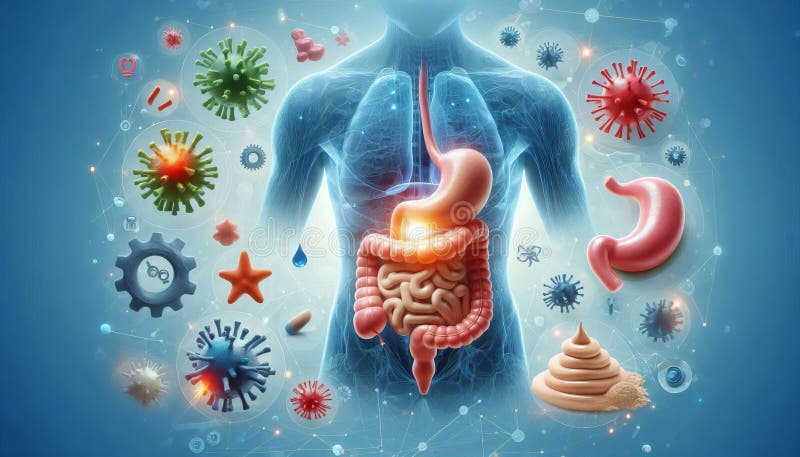
To truly appreciate yogurt’s role, we must first embark on a journey into the remarkable landscape of the human gut – a world far more complex and influential than previously imagined. It is here, within the winding corridors of our intestines, that an entire universe thrives: the gut microbiome. This vast community comprises trillions of microorganisms – bacteria, archaea, fungi, and viruses – outnumbering our own human cells by a factor of ten to one. Far from being passive inhabitants, these microbes are active participants in our biology, acting as a metabolic organ, a chemical factory, and, crucially, a primary educator and regulator of our immune system.
The Microbiome Defined: A Symphony of Life
Imagine a bustling rainforest, teeming with diverse species, each playing a vital role in the ecosystem’s health. Our gut is precisely that, but on a microscopic scale. A healthy microbiome is characterized by its diversity and balance, featuring a harmonious blend of beneficial bacteria like Bifidobacterium and Lactobacillus, alongside a controlled presence of potentially less friendly organisms. This intricate balance is essential for extracting nutrients, synthesizing vitamins, and protecting against pathogens. When this delicate equilibrium is disrupted – a state known as dysbiosis – the consequences can ripple throughout the body, manifesting as digestive issues, metabolic disorders, and, significantly, immune dysregulation and inflammation.
The Gut-Immune Axis: Where Defense Begins
The gut is not merely a conduit for food; it is, in essence, our body’s largest immune organ, housing an astonishing 70-80% of all immune cells. This strategic positioning is no accident. The intestinal lumen represents the largest interface between our internal environment and the external world, making it a critical gateway for potential threats. To manage this constant exposure, the gut has developed a sophisticated defense system known as Gut-Associated Lymphoid Tissue (GALT).
GALT is a diffuse network of immune cells and lymphoid structures, including Peyer’s patches, isolated lymphoid follicles, and mesenteric lymph nodes. Within these structures reside a diverse array of immune cells: M cells (specialized epithelial cells that sample antigens), dendritic cells (antigen-presenting cells), T lymphocytes (including helper T cells, cytotoxic T cells, and regulatory T cells), and B lymphocytes (antibody-producing cells). These cells are in constant communication with the gut microbiota, learning to distinguish between harmless food particles, beneficial microbes, and genuine pathogens. From birth, the microbes we encounter play a pivotal role in "educating" our developing immune system, teaching it tolerance to beneficial elements and vigilance against invaders.
Strengthening the Barrier: The Gut Lining as a Fortification
A healthy gut is synonymous with a strong gut barrier. This barrier is formed by a single layer of epithelial cells lining the intestine, sealed tightly together by complex protein structures called tight junctions. Overlying this cellular wall is a protective layer of mucus, a viscous gel that traps pathogens and prevents them from directly contacting the epithelial cells. A robust microbiome contributes significantly to maintaining this barrier integrity. Beneficial bacteria produce compounds that strengthen tight junctions, enhance mucus production, and even directly compete with pathogens for adhesion sites, preventing their colonization and subsequent breach of the barrier. When this barrier is compromised – often referred to as "leaky gut" – harmful substances like bacterial toxins (e.g., lipopolysaccharide or LPS) can cross into the bloodstream, triggering systemic inflammation and placing an undue burden on the immune system.
The Power of Short-Chain Fatty Acids (SCFAs)
Among the most profound ways gut microbes influence immunity is through the production of short-chain fatty acids (SCFAs), primarily butyrate, acetate, and propionate. These remarkable molecules are end-products of the bacterial fermentation of dietary fibers that our own digestive enzymes cannot break down. SCFAs are far more than mere waste products; they are potent signaling molecules with wide-ranging effects on gut health and immune function.
- Butyrate, in particular, is a superstar. It serves as the primary energy source for colonocytes (the cells lining the colon), promoting their health and integrity. Beyond fueling the gut lining, butyrate exhibits powerful anti-inflammatory properties, modulating the activity of immune cells and even influencing gene expression through epigenetic mechanisms. It is known to induce the differentiation of T-regulatory cells (Tregs), a crucial subset of T cells responsible for maintaining immune tolerance and preventing excessive or autoimmune responses.
- Acetate and propionate also contribute to gut health, with propionate having systemic effects on metabolism and satiety, and acetate playing a role in energy metabolism and influencing microbial growth. The constant supply of SCFAs from a thriving, fiber-fermenting microbiome is therefore indispensable for a resilient immune system.
Yogurt: A Probiotic Powerhouse
Having established the gut’s central role in immunity, we can now turn our attention to yogurt, understanding it not just as a food but as a living delivery system for beneficial microorganisms – a probiotic powerhouse.
What is Yogurt? The Art of Fermentation
At its core, yogurt is a fermented milk product. The transformation from liquid milk to the thick, tangy consistency we recognize is a testament to microbial alchemy. The process begins by heating milk, then cooling it to a specific temperature and inoculating it with specific starter cultures, typically two species of lactic acid bacteria (LAB): Lactobacillus bulgaricus and Streptococcus thermophilus. These bacteria consume the lactose (milk sugar) and convert it into lactic acid, which lowers the pH of the milk. This acidification causes the milk proteins (casein) to coagulate, thickening the milk and giving yogurt its characteristic texture and tangy flavor. The acidic environment also acts as a natural preservative, inhibiting the growth of spoilage organisms.
Defining Probiotics: Live Allies for Health
While all yogurts contain starter cultures, not all are considered probiotic. The term probiotic has a specific scientific definition: "live microorganisms that, when administered in adequate amounts, confer a health benefit on the host." This definition highlights several key aspects:
- Live: The bacteria must be alive and viable when consumed.
- Adequate Amounts: There needs to be a sufficient quantity of these live microbes to exert a beneficial effect.
- Health Benefit: The benefit must be demonstrable and scientifically proven.
Many yogurts, particularly those marketed for health, are fortified with additional, specific probiotic strains beyond the starter cultures. Common examples include Lactobacillus acidophilus, Lactobacillus casei, Lactobacillus rhamnosus GG, and various species of Bifidobacterium (e.g., Bifidobacterium lactis). It is crucial to understand that probiotic benefits are strain-specific. The benefits observed for one strain, say Lactobacillus rhamnosus GG, do not necessarily apply to another, even within the same genus. Therefore, discerning consumers look for yogurts that clearly list the specific probiotic strains present and ideally, their quantity (measured in Colony Forming Units or CFUs).