
The Silent Guardians: An Overture to the Night Shift
In the bustling symphony of our daily lives, where productivity reigns supreme and the relentless pursuit of goals often extends far beyond sundown, we tend to view sleep as a passive intermission – a necessary pause to recharge for the next act. We close our eyes, drift into unconsciousness, and assume our bodies simply power down, resting idly until morning. But beneath the tranquil surface of slumber, an extraordinary transformation occurs. Far from a mere pause, the hours of darkness initiate an intricate, highly coordinated operation – the immune system’s night shift.
Imagine a sprawling metropolis, vibrant and active by day, but as twilight descends, a different kind of activity begins. Specialized teams, unseen by the casual observer, emerge to perform critical maintenance, defense, and strategic planning. This is the nightly reality within your body. Your immune system, a complex network of cells, tissues, and organs, doesn’t merely rest when you do; it shifts gears, intensifying certain crucial functions that are either less efficient or actively suppressed during your waking hours. This article will delve into the profound and multifaceted ways in which sleep orchestrates immune resilience, revealing why genuine rest is not just a medicine, but arguably the best medicine.
The Circadian Rhythm: The Master Conductor of Immunity
To truly appreciate the immune system’s night shift, we must first understand its master conductor: the circadian rhythm. This intrinsic biological clock, roughly 24 hours in length, governs nearly every physiological process in our bodies, from hormone release and metabolism to body temperature and, critically, immune cell activity. It’s an ancient, evolutionary masterpiece, finely tuned over millennia to align our internal biology with the Earth’s light-dark cycle.
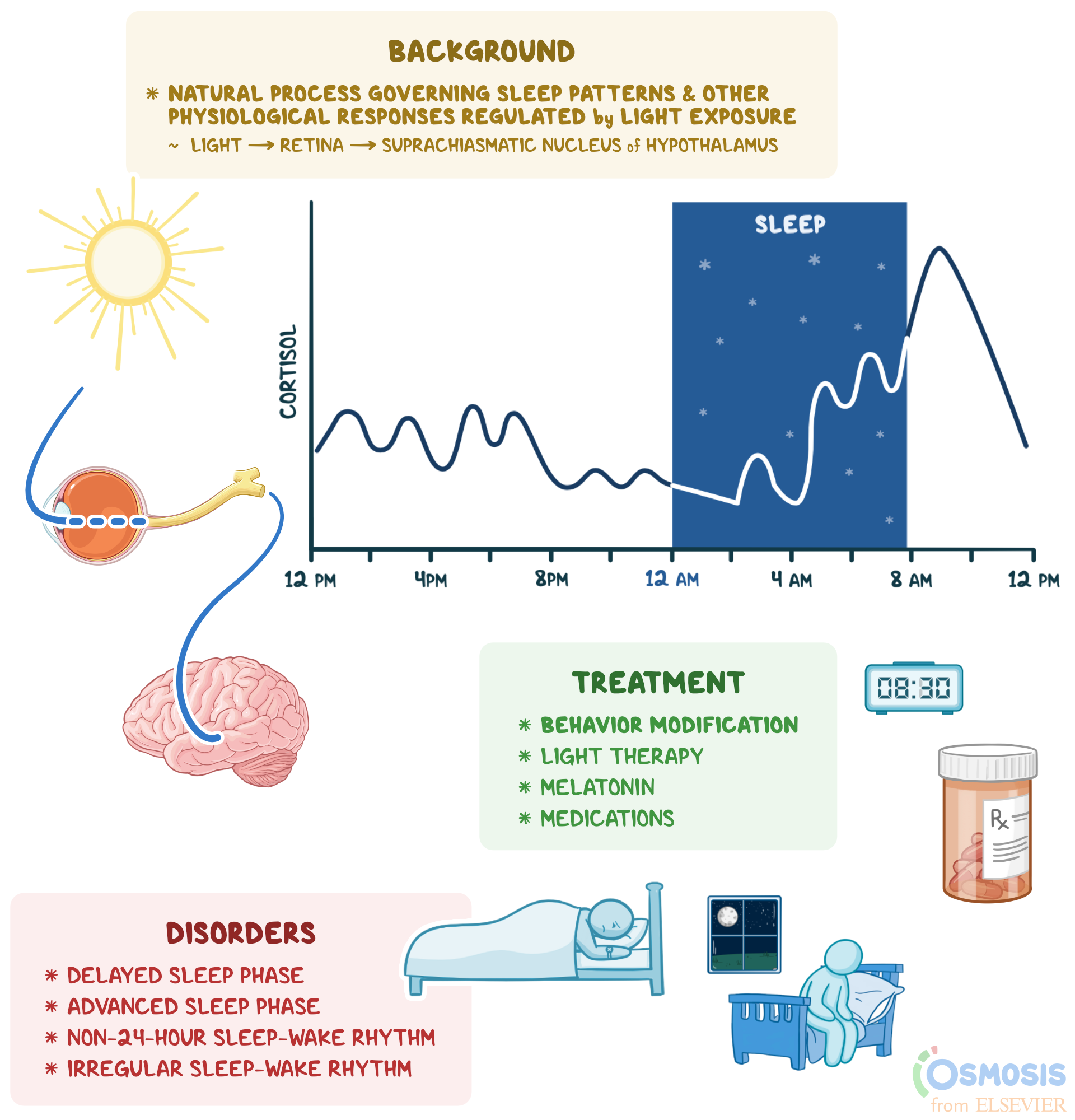
Every cell in your body, including those of your immune system, possesses a molecular clock. These cellular clocks are synchronized by a central "master clock" located in the suprachiasmatic nucleus (SCN) of the hypothalamus in the brain, which receives direct input from light exposure. This intricate timing mechanism dictates when genes are expressed, when proteins are manufactured, and when cells are most active. For the immune system, this means a precise daily schedule where certain immune functions are upregulated during the day to respond to immediate threats, while others are intensified at night, during sleep, to consolidate memory, repair damage, and prepare for future challenges.
During waking hours, when we are exposed to pathogens, allergens, and physical stressors, the immune system is primed for immediate defense. However, this active state also comes with a metabolic cost and can generate inflammation. The night, therefore, offers a crucial window for the system to perform deeper, more systemic work, free from the constant barrage of daily stimuli and the energy demands of consciousness. This shift in activity is not random; it’s a carefully orchestrated dance, governed by the rhythm of our sleep-wake cycle. The very genes that regulate immune cell trafficking, cytokine production, and inflammatory responses exhibit strong circadian oscillations. Disrupt this rhythm, and the entire immunological symphony falls into disarray.
Hormonal Orchestration: The Chemical Ballet of Night
The circadian rhythm’s influence on immunity is largely mediated by a complex interplay of hormones, whose levels fluctuate dramatically between day and night. Three key players in this chemical ballet are cortisol, melatonin, and growth hormone, each performing a distinct yet interconnected role in shaping the immune system’s night shift.
Cortisol: The Daytime Suppressor, Nighttime Liberator
Cortisol, often dubbed the "stress hormone," is a powerful anti-inflammatory and immunosuppressive agent. Its levels typically peak in the morning, helping us wake up and mobilizing energy, and gradually decline throughout the day, reaching their lowest point during the early hours of sleep. This diurnal pattern is crucial for immune function. During the day, higher cortisol levels help to keep inflammation in check and prevent an overzealous immune response to the constant stream of environmental exposures.
However, the nighttime dip in cortisol is a deliberate and essential liberation for the immune system. When cortisol levels are low, immune cells, particularly T-lymphocytes, are no longer "held back." This allows them to become more active, proliferate, and migrate to lymphoid organs (like lymph nodes and the spleen) where they can engage in critical processes such as antigen presentation and memory formation. Think of cortisol as a watchful supervisor during the day, ensuring everything runs smoothly without excessive disruption. But at night, the supervisor leaves, allowing the night crew to perform their heavy-duty, often more inflammatory, maintenance tasks.
Melatonin: The Sleep Hormone and Immune Modulator
Melatonin, famously known as the "hormone of darkness," is primarily responsible for regulating our sleep-wake cycle. It begins to rise in the evening, signaling to the body that it’s time to prepare for sleep, and peaks in the middle of the night. But melatonin is far more than just a sleep aid; it is also a potent immune modulator and antioxidant.
Research has shown that melatonin can enhance various aspects of the immune response. It stimulates the production of immune cells, particularly T-helper cells, and can promote the differentiation of immune cells into more active forms. It also influences cytokine production, often tipping the balance towards pro-inflammatory cytokines during the initial phase of sleep, which are essential for mounting an effective response against pathogens. Furthermore, melatonin’s powerful antioxidant properties protect immune cells from oxidative stress, ensuring their optimal function. Its presence during sleep effectively creates an environment conducive to robust immune activity and repair, actively participating in the "night shift" rather than just signaling its commencement.
Growth Hormone: The Repair and Rejuvenation Specialist
Growth hormone (GH) is predominantly released during deep, slow-wave sleep. While its name suggests a primary role in growth during childhood, in adults, GH is crucial for tissue repair, cellular regeneration, and metabolic regulation. Its immune implications are equally significant.
GH stimulates the proliferation and differentiation of various immune cells, including T-cells and natural killer (NK) cells, thereby bolstering the immune system’s capacity to fight infections and clear damaged cells. It also plays a role in the maturation of immune cells and the production of antibodies. During deep sleep, when GH surges, the body is effectively given a powerful internal restorative agent, repairing the wear and tear of the day and replenishing the immune system’s cellular arsenal.
The synchronized fluctuation of these hormones during sleep creates a unique immunological window, a period of heightened activity and strategic planning that is simply not possible during waking hours. Any disruption to this delicate hormonal balance – through sleep deprivation or irregular sleep patterns – inevitably compromises the efficiency and effectiveness of the immune system’s nocturnal operations.
The Cellular Reorganization and Reconnaissance Mission
With the hormonal stage set, the immune cells themselves embark on their critical night shift duties, undergoing significant reorganization, migration, and activation. This period is akin to intelligence gathering, strategic planning, and specialized task execution, all aimed at bolstering the body’s defenses.
T-Cells: The Strategists and Memory Keepers
During sleep, there is a marked increase in the trafficking of T-cells, especially naïve T-cells and memory T-cells, to lymph nodes. Lymph nodes are the command centers of the immune system, where immune cells interact with antigen-presenting cells (APCs) that display fragments of invading pathogens. This nocturnal migration is crucial. It allows T-cells to effectively "patrol" these hubs, increasing their chances of encountering foreign invaders and becoming activated.
More importantly, sleep is vital for the formation of immunological memory. After exposure to a pathogen or vaccination, the immune system "learns" to recognize it, forming memory T and B cells that can mount a faster, stronger response upon re-exposure. Studies have shown that adequate sleep following vaccination significantly enhances the development of robust antibody responses and memory T-cell formation. Think of it as the immune system consolidating its "lessons learned" during the day, filing them away for future reference, and drawing up battle plans based on the intelligence gathered. Without this consolidation, the lessons are forgotten, and the immune system remains perpetually unprepared.
Natural Killer (NK) Cells: The Elite Special Forces
Natural killer cells are a type of lymphocyte that forms a crucial part of the innate immune system. Their primary role is to rapidly detect and destroy cells infected with viruses or cancerous cells, without the need for prior sensitization. During sleep, the activity of NK cells is significantly enhanced.
This nocturnal surge in NK cell activity is a testament to the immune system’s proactive approach. While we sleep, these "special forces" are more vigilant, more potent, and more effective at patrolling the body, identifying and eliminating threats before they can establish a foothold. Sleep deprivation, even for a single night, has been shown to dramatically reduce NK cell activity, leaving the body more vulnerable to viral infections and potentially hindering its ability to detect and destroy nascent cancer cells.
Cytokines: The Communication Network and Orchestrators of Inflammation
Cytokines are small proteins that act as messengers between immune cells, orchestrating the immune response. They can be broadly categorized as pro-inflammatory (e.g., IL-1, IL-6, TNF-alpha) or anti-inflammatory (e.g., IL-10). The balance between these cytokines is critical for a healthy immune response.