
The morning light filtering through the blinds found Sarah at her kitchen table, a lukewarm mug of coffee cradled in her hands. Another Monday, another week stretching ahead like an endless highway, punctuated by deadlines, digital notifications, and the quiet hum of her own solitude. She had a fulfilling career, a comfortable apartment, and a meticulously organized life, yet a subtle, persistent ache resonated beneath the surface – a feeling of disconnection, a quiet yearning for something more. She scrolled through her phone, a mosaic of curated online lives flashing before her, a stark contrast to the palpable silence of her own space. It wasn’t loneliness in the acute, crushing sense, but a pervasive sense of being unanchored, of navigating the complex currents of existence without the robust sails and sturdy keel that truly meaningful connections provide.
Sarah’s story is not unique. In an era that paradoxically offers unprecedented means of communication yet often fosters profound isolation, many of us find ourselves caught in the relentless current of professional demands, personal aspirations, and the siren call of digital distraction. We are conditioned to believe that success lies in individual achievement, in the relentless pursuit of self-optimization. Yet, as we climb the ladders of ambition, we often leave behind the very foundations that support genuine well-being: the rich, complex, and utterly indispensable tapestry of friendship. This article is a deep dive into the profound, often underestimated, and fundamentally human necessity of spending more time with our friends. It is a story not just of fleeting joy, but of a fundamental recalibration of what it means to live a truly healthy, resilient, and flourishing life.
The Echo of Our Ancestors: We Are Inherently Social Creatures
To understand the indispensable role of friendship, we must first look back, not just to our personal histories, but to the very genesis of humanity. We are, at our core, social creatures. Our evolutionary success wasn’t predicated on individual prowess alone, but on our unparalleled capacity for cooperation, empathy, and collective action. From the earliest hunter-gatherer societies, survival depended on the strength of the group. Shared hunts provided sustenance, collective vigilance offered protection against predators, and the communal hearth became the crucible for the transmission of knowledge, culture, and emotional support.
This ancient blueprint is etched deep within our psyche. The intricate neural pathways that govern our emotions, our capacity for trust, and our very sense of self were forged in the crucible of social interaction. When we feel disconnected, a primal alarm bell rings, echoing the dangers faced by an isolated ancestor. Modern loneliness, therefore, isn’t just a fleeting emotion; it’s a deep-seated evolutionary distress signal, indicating a fundamental mismatch between our innate need for belonging and the often atomized reality of contemporary life. Friends, in this profound sense, are not merely companions for leisure; they are the modern embodiment of our tribe, offering the psychological and emotional security that our species has always relied upon. Ignoring this fundamental need is akin to denying a part of our very being, leaving us vulnerable and adrift in a world we were never designed to navigate alone.
The Mind’s Sanctuary: Friendships as a Bulwark Against Modern Malaise
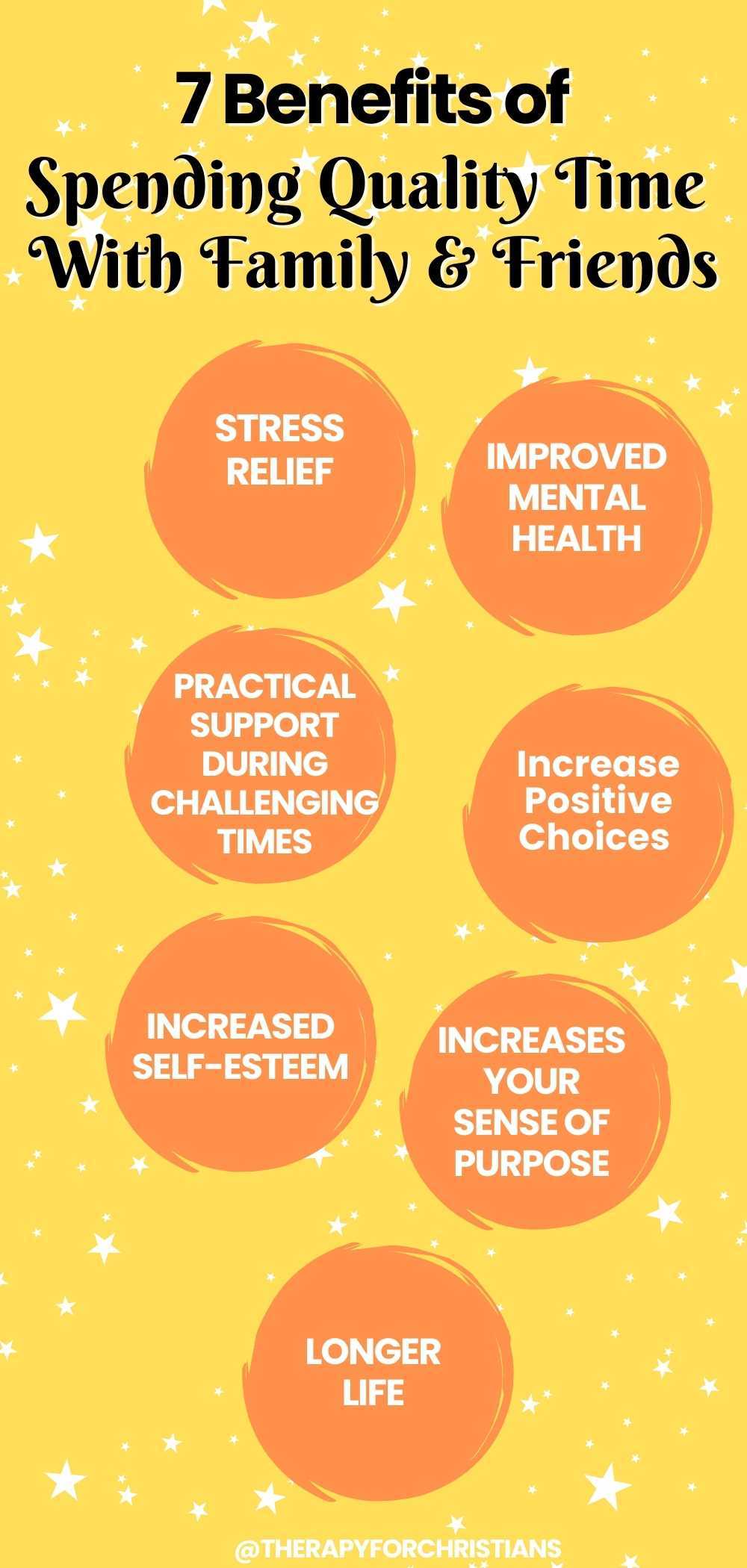
The relentless pace of modern life, with its constant demands and pervasive uncertainty, has given rise to an epidemic of stress, anxiety, and depression. In this mental landscape, friendships emerge not just as pleasant diversions, but as crucial therapeutic interventions, offering a sanctuary for the mind and a potent antidote to psychological distress.
Consider Mark, a mid-level manager constantly battling the pressures of quarterly targets and an ever-expanding inbox. His days are a blur of meetings, emails, and the gnawing anxiety of unmet expectations. When he meets his old college friend, David, for their bi-weekly beer, something transformative happens. Over the clinking of glasses and shared laughter, the weight of his responsibilities begins to lift. David doesn’t offer solutions to his work problems; sometimes, he barely listens to the specifics. But his presence, his easy humor, and the shared history they embody provide a vital perspective. Mark realizes that his struggles are not unique, that he is seen and understood beyond his professional persona. This act of shared presence, of simply being with someone who knows you intrinsically, acts as a powerful stress reducer. The brain, flooded with oxytocin – the "cuddle hormone" – and endorphins from laughter, literally begins to unwind, shifting from a state of fight-or-flight to one of calm and connection.
Furthermore, friendships are powerful combatants against the insidious creep of loneliness, which the former U.S. Surgeon General Vivek Murthy has described as a public health epidemic. Social isolation has been linked to increased risks of heart disease, stroke, dementia, and even premature death – a health risk comparable to smoking 15 cigarettes a day. Friends provide a vital buffer, a network of mutual care that reminds us we are not alone in our struggles or our triumphs. They offer validation, a mirror reflecting our best selves back to us, fostering a sense of belonging that is essential for robust self-esteem. When we feel understood, accepted, and valued by our friends, our internal narrative shifts from self-criticism to self-compassion. This external validation helps us to regulate our emotions, to process difficult experiences through shared dialogue, and to develop a more nuanced understanding of our own feelings and those of others. In essence, friends don’t just make us feel better; they make us be better, more emotionally intelligent and resilient individuals.
The Body’s Best Medicine: How Friends Fortify Our Physical Health
The benefits of strong friendships extend far beyond the psychological realm, seeping into the very fabric of our physical health. It might sound counterintuitive, but the warmth of a genuine connection can be as potent a health intervention as a balanced diet or regular exercise.
Decades of research have painted a clear picture: individuals with robust social ties tend to live longer, healthier lives. The famous "Blue Zones" – regions of the world where people live significantly longer and healthier lives – consistently highlight strong community and social bonds as a common denominator. It’s not just about having people around; it’s about having meaningful, supportive relationships.
Take for instance, the impact on our immune system. Chronic stress, as discussed, is a notorious immune suppressor, making us more susceptible to illness. Friendships, by mitigating stress, indirectly bolster our body’s defenses. Studies have shown that individuals with strong social networks exhibit higher levels of immune markers and are less likely to catch colds or suffer from severe symptoms when they do. Imagine Eleanor, a dedicated volunteer who, despite a demanding schedule, always makes time for her weekly walking group. Beyond the physical exercise, the camaraderie, the shared stories, and the laughter with her friends act as a potent tonic, reducing her cortisol levels and reinforcing her body’s natural defenses.
Moreover, the calming effect of social support directly impacts our cardiovascular system. People with strong friendships tend to have lower blood pressure and a reduced risk of heart disease. The presence of supportive friends during times of stress can literally prevent our blood vessels from constricting, mitigating the damaging effects of chronic hypertension. Friends also act as silent health guardians. They encourage healthier habits, whether it’s nudging us to go for that run, reminding us to eat better, or offering accountability when we’re trying to quit a detrimental habit. A friend’s concern, expressed out of genuine care, can be a more powerful motivator than any doctor’s advice. In essence, friends aren’t just good for the soul; they are vital for the body, weaving a protective net around our physical well-being.
Sharpening the Mind: Friends as Catalysts for Cognitive Growth and Personal Evolution
Beyond comfort and care, friends serve as powerful catalysts for intellectual stimulation and personal development, challenging our perspectives and expanding our horizons in ways that solitude rarely can. The presence of diverse viewpoints within a friendship group acts like a mental gym, constantly working out our cognitive muscles.
Consider Lena, an artist whose creative process often involves intense periods of solitary work. While valuable, these isolated stretches can sometimes lead to a narrow perspective, a self-reinforcing echo chamber. Her friends, however, come from vastly different backgrounds – an engineer, a teacher, a social activist. When they gather, Lena is exposed to new ways of thinking, different interpretations of events, and alternative solutions to problems. The engineer might offer a logical framework for a chaotic creative challenge, while the activist might introduce a social dimension to a piece of art Lena is contemplating. This intellectual cross-pollination is invaluable. Friends challenge our assumptions, gently prod us out of our comfort zones, and introduce us to new ideas, books, and experiences that we might never have encountered on our own.
This intellectual sparring isn’t just about winning an argument; it’s about deepening our understanding and fostering critical thinking. Friends provide a safe space to explore nascent ideas, to brainstorm solutions to complex problems, and to learn from each other’s mistakes and successes. They act as sounding boards, allowing us to articulate our thoughts aloud, which often clarifies and refines our understanding. This process is crucial for cognitive flexibility and adaptability, skills increasingly vital in a rapidly changing world.
Furthermore, friends are instrumental in the development of empathy and emotional intelligence. By engaging with individuals who have different life experiences, emotional landscapes, and coping mechanisms, we learn to step outside ourselves, to truly listen, and to understand perspectives that may initially seem alien. This practice of empathy is not just a social grace; it’s a fundamental cognitive skill that enhances our ability to navigate complex social situations, both personal and professional. They also provide accountability and motivation. When Sarah confided in her friend, Maria, about her goal to learn a new language, Maria didn’t just nod; she offered to practice with her weekly. This gentle, consistent encouragement and shared commitment transformed a vague aspiration into a tangible achievement. Friends, in their unwavering support and occasional firm nudges, become crucial partners in our journey of continuous self-improvement and growth.
The Anchor in the Storm: Resilience Forged in the Crucible of Friendship
Life, in its inevitable unfolding, will invariably present us with storms – periods of profound challenge, loss, and uncertainty. It is in these moments that the true strength and indispensable value of friendship become most evident. Friends are not just fair-weather companions; they are the anchors that hold us steady when the tempest rages, the emotional scaffolding that helps us rebuild when life crumbles.
Imagine the devastating blow that hit David when his long-term relationship unexpectedly ended. The world seemed to tilt on its axis, leaving him adrift in a sea of grief and confusion. His family offered comfort, but it was his friends who truly wrapped him in a cocoon of support. They didn’t offer platitudes; they offered presence. One friend brought him meals when he couldn’t face cooking. Another simply sat with him in silence, acknowledging his pain without needing to fix it. A third dragged him out for walks, forcing him to engage with the outside world, however minimally. They listened to his repetitive narratives of heartbreak without judgment, offering different perspectives when he was ready to hear them, and simply holding space for his sorrow until it began to subside.
This kind of support is invaluable. Friends provide practical assistance – helping with moving, running errands, or simply being a shoulder to cry on. But more profoundly, they offer emotional scaffolding. They help us carry the burden of grief, fear, or anxiety, making overwhelming situations feel more manageable. Knowing that there are people who genuinely care, who will show up, listen, and offer unwavering support, fundamentally alters our capacity to navigate adversity. It instills a sense of hope and reduces the debilitating feeling of isolation that often accompanies personal crises.
Furthermore, friends help us process traumatic experiences. The act of sharing our pain, articulating our fears, and receiving empathetic responses helps us to integrate difficult events into our life narrative. It allows us to move from feeling alone in our suffering to feeling connected, understood, and ultimately, more resilient. This shared burden doesn’t diminish the pain, but it makes it bearable, reminding us that even in our darkest hours, we are not alone. They provide a crucial external perspective when our own internal world is in chaos, helping us to see pathways forward that we might be too overwhelmed to perceive on our own.
The Symphony of Laughter and Shared Joy: Enriching Life’s Fabric
While friends are indispensable during hardship, it’s crucial not to overlook their fundamental role in amplifying joy, fostering laughter, and creating the vibrant, unforgettable memories that truly enrich the tapestry of our lives. Life without moments of unadulterated fun, shared jokes, and celebratory gatherings would be a muted, colorless existence.
Think of the sheer delight of an inside joke that only your oldest friends understand, sparking immediate, uninhibited laughter. Remember the exhilaration of a spontaneous road trip, the collective excitement of a concert, or the simple pleasure of a shared meal punctuated by lively conversation. These moments are not merely pleasant diversions; they are essential for our emotional well-being, providing a much-needed release from the stresses of daily life and reconnecting us with our innate capacity for play and lightheartedness.
Friends are the co-authors of our most cherished memories. From childhood adventures to awkward teenage phases, from college escapades to adult milestones, our friends are often central figures in the narratives we carry with us. These shared histories form a unique bond, a repository of collective experiences that strengthens the connection and provides endless material for reminiscing and renewed laughter. As Sarah reflected on her quiet mornings, she remembered a particularly raucous brunch with her friends, where they had recounted old college stories until their sides ached from laughing. That memory, vivid and warm, was a stark reminder of the joy she was missing.
Moreover, friends amplify celebration. A personal triumph, whether big or small, feels infinitely more meaningful when shared with people who genuinely root for your success. Their excitement mirrors and magnifies your own, transforming a private victory into a communal moment of joy. This shared experience of happiness not only deepens the friendship but also imprints the positive emotion more profoundly, creating a lasting sense of fulfillment. In a world that often emphasizes individual struggle, friends remind us of the simple, profound beauty of collective joy and the sheer delight of shared human experience.
The Web of Connection: Practical Benefits and Expanding Horizons
Beyond the deep emotional and psychological rewards, friendships also offer a plethora of practical benefits that often go unnoticed but significantly ease the complexities of daily living and expand our opportunities. Friends are not just emotional support systems; they are a vital part of our practical support network.
Consider the mundane yet essential aspects of life: needing a ride to the airport, a recommendation for a reliable plumber, someone to water your plants while you’re away, or an extra set of hands for a home project. In these scenarios, friends often step in without hesitation, offering their time, skills, and resources out of genuine care. This reciprocal exchange of favors builds a strong community of mutual assistance, reducing the burden of individual tasks and fostering a sense of collective well-being. Emily, a single mother, often relies on her close friend, Chloe, for childcare during unexpected work emergencies. This unspoken agreement, born of years of friendship, alleviates immense stress and allows Emily to navigate her demanding life with greater ease, knowing she has a reliable safety net.
Furthermore, friendships are often the gateways to new opportunities and broader networks. It’s not just about professional networking, though friends can certainly open doors in that realm through referrals and introductions. More broadly, friends introduce us to new social circles, new hobbies, and different ways of engaging with the world. They might invite us to a book club, a hiking group, a volunteer organization, or simply to meet their other friends, thereby expanding our own social universe. This continuous expansion of our social fabric enriches our lives, exposes us to diverse perspectives, and creates a more vibrant, interconnected existence. In essence, friends don’t just provide individual support; they weave us into a larger web of human connection, making the world feel a little smaller, a little friendlier, and a lot more navigable.
The Art of Cultivating and Nurturing Friendship in a Disconnected World
Given the profound and multifaceted benefits of friendship, the critical question arises: how do we cultivate and maintain these invaluable connections in a world that often seems designed to pull us apart? It requires intentionality, effort, and a willingness to prioritize these relationships amidst the clamor of other demands.
The first step is recognizing that friendships, like any garden, require consistent tending. They don’t simply blossom and thrive indefinitely without care. This means being intentional about making time. In an age where our calendars are meticulously planned, scheduling "friend time" with the same diligence we apply to work appointments or personal errands is crucial. It could be a regular coffee date, a weekly phone call, or an annual weekend getaway. The consistency, more than the grandiosity of the gesture, reinforces the bond. Sarah, reflecting on her loneliness, decided to reinstate her weekly Friday night dinner with her friends, a tradition that had slowly faded amidst busy schedules. The simple act of committing to this time reignited the spark.
Quality over quantity is another vital principle. While a broad social network has its benefits, it is the depth and authenticity of a few close friendships that truly provide the profound support discussed earlier. Cultivating these deep bonds requires vulnerability, empathy, and active listening. It means being truly present when a friend is speaking, not just waiting for your turn to talk. It means offering a listening ear without immediately jumping to solutions, and validating their feelings even if you don’t fully understand them. It means being willing to share your own struggles and imperfections, allowing your friends to see the real you, fostering trust and intimacy.
Navigating conflicts with grace and understanding is also part of the journey. No friendship is without its disagreements or misunderstandings. The ability to forgive, to communicate openly and honestly, and to acknowledge each other’s humanity is essential for longevity. It’s about valuing the relationship enough to work through the rough patches, emerging stronger on the other side.
Finally, in our hyper-connected digital age, it’s imperative to distinguish between virtual interaction and genuine, in-person connection. While social media can facilitate staying in touch and sharing updates, it is a poor substitute for the richness of face-to-face interaction. The nuances of body language, the shared energy of a physical space, the spontaneous laughter that erupts in real-time – these elements are crucial for deepening bonds. Mark realized this when he found himself constantly scrolling through friends’ vacation photos, feeling a pang of envy rather than connection. He consciously started suggesting actual meet-ups instead of just liking posts, understanding that a digital "heart" could never replace the warmth of a real hug. Make the effort to meet up, to call, to share experiences in the tangible world.
The Call to Connection: Reclaiming a Life of Richness and Belonging
Sarah, sitting at her kitchen table weeks later, still had a demanding job and a busy schedule. But something fundamental had shifted. Her mornings no longer felt silent, but pregnant with the promise of connection. She had called Maria, then David, then Emily, rekindling the embers of dormant friendships. She had initiated a group chat for a regular "decompression dinner," and surprisingly, everyone had jumped at the chance.
The transformation wasn’t sudden or dramatic, but gradual and profound. The subtle ache of disconnection had begun to recede, replaced by a sense of robust belonging. She found herself laughing more freely, her burdens feeling lighter as she shared them, and her perspective broadening with each conversation. She realized that her meticulously organized life, while efficient, had lacked the beautiful, unpredictable chaos that genuine human connection brings. The pursuit of individual success, she now understood, was incomplete without the shared journey.
The message is clear, unambiguous, and profoundly human: spending more time with your friends is not a luxury; it is a fundamental necessity for a life truly lived. It is an investment in your mental health, your physical well-being, your cognitive agility, and your capacity for joy and resilience. It is a return to our evolutionary roots, a reclaiming of our innate need for tribe and belonging.
So, as you navigate the intricate pathways of your own life, pause for a moment. Look beyond the screens and the to-do lists. Think of a friend, perhaps one you haven’t spoken to in a while, or one you see often but could deepen your connection with. Pick up the phone, send a text, schedule a coffee. Reclaim the joy, the support, and the profound enrichment that only true friendship can provide. For in the shared laughter, the quiet understanding, and the unwavering support of our friends, we discover not just a path to a better life, but the very essence of what it means to be truly alive.