
The sharp, sinus-clearing jolt of wasabi is an experience almost synonymous with Japanese cuisine, particularly the delicate art of sushi and sashimi. For many, it’s merely a fiery green paste, a daring condiment to be approached with caution or savored for its unique kick. Yet, beneath this pungent surface lies a fascinating story, one steeped in centuries of traditional wisdom now being validated by cutting-edge scientific inquiry. Wasabi, the true Wasabia japonica, is far more than a mere flavor enhancer; it is a botanical powerhouse brimming with bioactive compounds that possess remarkable antibacterial and anti-inflammatory properties, hinting at a future where this humble rhizome could play a significant role in modern medicine.
This journey from a culinary curiosity to a potential therapeutic agent is a compelling narrative of discovery, bridging ancient practices with contemporary understanding. To truly appreciate wasabi’s multifaceted potential, we must first peel back the layers of its mystique, delve into its unique chemistry, and then explore the intricate mechanisms through which it exerts its profound biological effects.
The Elusive Green Gold: A Story of Cultivation and Tradition
Before we dissect its chemical prowess, it’s essential to understand the very nature of wasabi itself. The true wasabi plant, Wasabia japonica, is a member of the Brassicaceae family, kin to mustard, horseradish, and cabbage. Unlike its more common relatives, however, wasabi is notoriously difficult to cultivate. It thrives in very specific, pristine conditions: cool, clear, flowing mountain stream water, dappled sunlight, and a consistent temperature. This demanding environment makes its cultivation a labor-intensive art, often passed down through generations of farmers in regions like the Izu Peninsula in Japan.
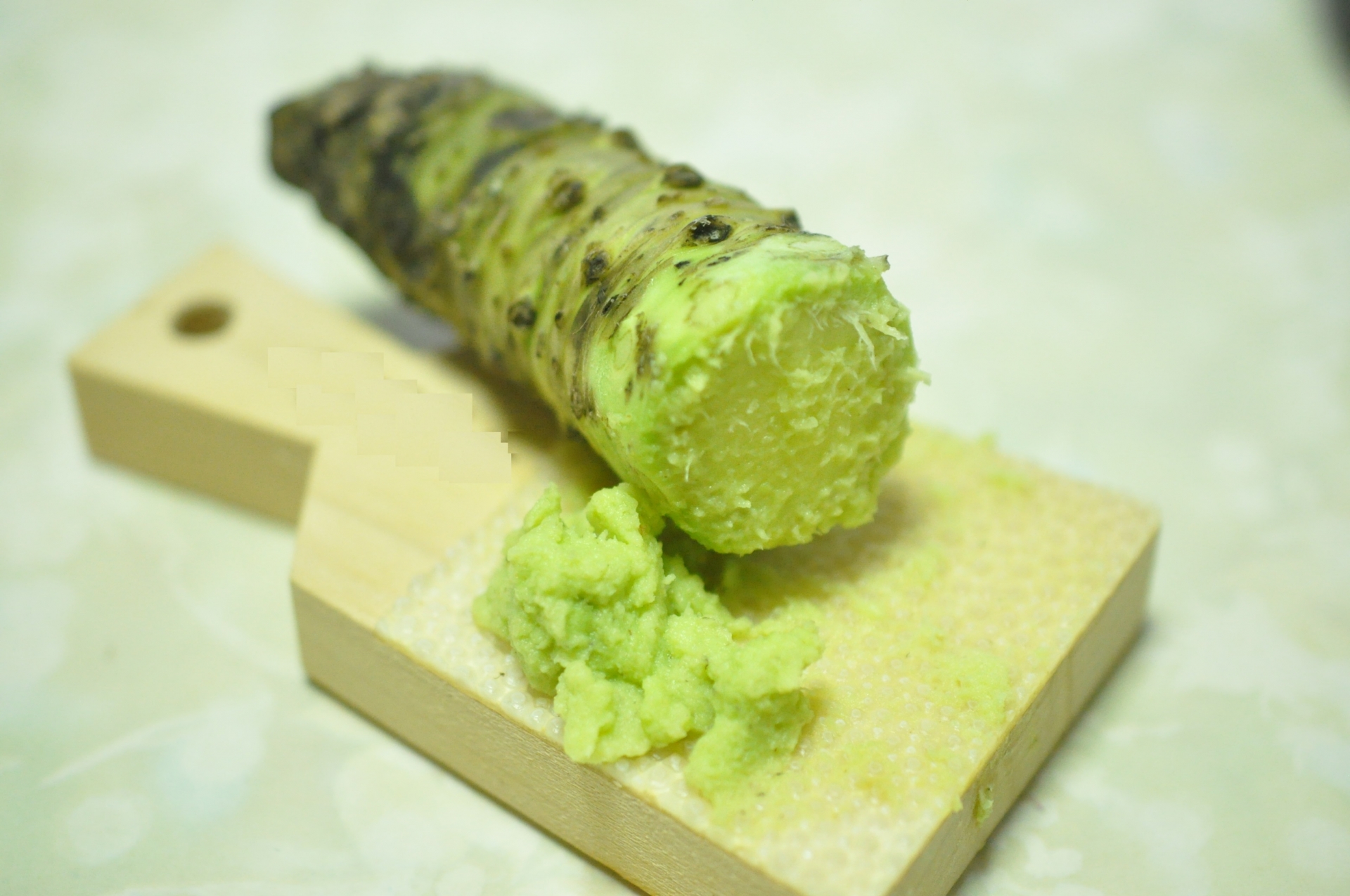
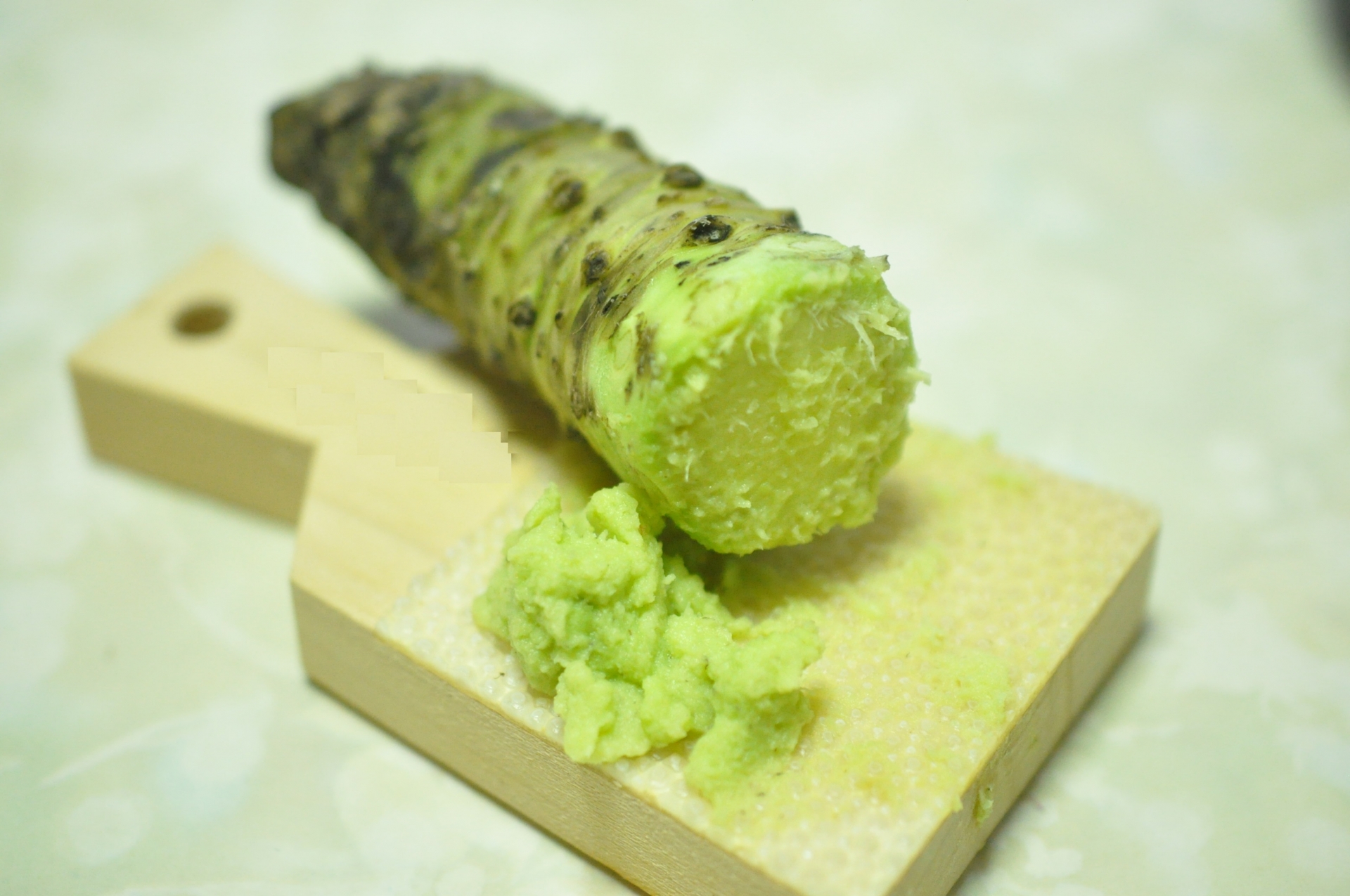
The part of the plant we consume is primarily the rhizome – a thick, subterranean stem – which is traditionally grated fresh using a sharkskin grater (oroshi) just before serving. This ritualistic preparation is not merely for aesthetic appeal; it is crucial for unlocking wasabi’s signature flavor and, more importantly, its medicinal compounds. The scarcity and difficulty of cultivation mean that much of what is sold globally as "wasabi" is, in fact, a mixture of horseradish, mustard, and green food coloring. The authentic experience, with its complex flavor profile that is initially sweet, then pungent, and finally fades with a clean finish, is a rare treat.
Historically, the Japanese have understood wasabi’s value beyond its taste. For centuries, it has been paired with raw fish, a culinary tradition that now appears to be a sophisticated form of food safety. In a pre-refrigeration era, the consumption of raw fish posed significant health risks from bacterial contamination. The consistent pairing of wasabi with sashimi and sushi was, in essence, an intuitive application of its antimicrobial properties, a testament to generations of empirical observation that predated the germ theory of disease. This historical context provides a compelling backdrop for our exploration of its scientific merits.
The Chemical Symphony: Isothiocyanates, the Stars of the Show
The magic of wasabi, its characteristic pungent flavor, and its therapeutic potential all stem from a remarkable chemical reaction that occurs when the plant’s cells are damaged – precisely when the rhizome is grated. Intact wasabi cells contain compounds called glucosinolates (specifically sinigrin, glucoraphanin, and sinalbin) and a separate enzyme called myrosinase. When the cell walls are broken, myrosinase comes into contact with the glucosinolates, triggering a rapid hydrolysis reaction. This enzymatic breakdown produces a class of highly volatile and biologically active compounds known as isothiocyanates (ITCs).
Among the various ITCs produced, allyl isothiocyanate (AITC) is the most prominent and is largely responsible for wasabi’s signature sinus-clearing pungency. Other significant ITCs include methyl isothiocyanate (MITC) and 6-methylsulfinylhexyl isothiocyanate (6-MSITC), the latter being particularly potent and unique to Wasabia japonica. These ITCs are not stable for long, which is why freshly grated wasabi loses its potency within minutes. This fleeting nature underscores the importance of traditional preparation methods and presents a challenge for developing stable wasabi-derived therapeutic products.
It is these ITCs, particularly AITC and 6-MSITC, that are the primary architects of wasabi’s impressive antibacterial and anti-inflammatory effects. Unlike the capsaicin in chili peppers, which primarily activates pain receptors, wasabi’s ITCs stimulate TRPA1 (Transient Receptor Potential Ankyrin 1) ion channels, creating a sensation that is often described as a "burn" that travels up the nasal passages. This activation is part of their broader biological interaction, signaling their presence and initiating a cascade of cellular responses.
Wasabi as a Sentinel: Unleashing its Antibacterial Arsenal
The historical pairing of wasabi with raw fish wasn’t just a culinary quirk; it was an act of survival. Modern science has now provided the compelling evidence for this ancestral wisdom, revealing wasabi’s potent and broad-spectrum antibacterial activity. The ITCs, particularly AITC and 6-MSITC, act as natural antimicrobial agents, disrupting bacterial cell functions through multiple pathways.
One of the most significant and well-researched targets of wasabi’s ITCs is Helicobacter pylori (H. pylori). This spiral-shaped bacterium is a notorious human pathogen, responsible for chronic gastritis, peptic ulcers, and is a major risk factor for gastric cancer. Conventional antibiotic treatments for H. pylori are often lengthy, can have significant side effects, and are increasingly challenged by the emergence of antibiotic-resistant strains. This makes the search for novel antimicrobial agents, especially from natural sources, critically important.
Studies have demonstrated that wasabi’s ITCs, particularly 6-MSITC, exhibit strong inhibitory effects against H. pylori growth and adherence to gastric epithelial cells. The proposed mechanisms of action involve:
- Disruption of Cell Membranes: ITCs are lipophilic (fat-loving) molecules that can easily penetrate bacterial cell membranes. Once inside, they can compromise the integrity of the cell membrane, leading to leakage of essential intracellular components and ultimately cell death.
- Inhibition of Bacterial Enzymes: ITCs can bind to and inactivate various bacterial enzymes that are crucial for metabolism, replication, and survival. They often target sulfhydryl groups on proteins, altering their structure and function.
- Interference with Biofilm Formation: Many bacteria, including H. pylori, form protective biofilms that make them highly resistant to antibiotics. Wasabi ITCs have been shown to inhibit biofilm formation and even disrupt existing biofilms, making bacteria more vulnerable.
- Inhibition of Urease Activity: H. pylori produces urease, an enzyme that neutralizes stomach acid, allowing the bacterium to survive in the harsh acidic environment of the stomach. Wasabi ITCs have been found to inhibit urease activity, thus hindering the bacterium’s ability to colonize the stomach lining.
Beyond H. pylori, wasabi ITCs have demonstrated efficacy against a wide range of other common foodborne pathogens and spoilage bacteria. These include:
- Escherichia coli (E. coli): A common cause of food poisoning and gastrointestinal infections.
- Staphylococcus aureus (S. aureus): Responsible for skin infections and various other illnesses, including food poisoning.
- Salmonella species: A leading cause of foodborne illness.
- Vibrio parahaemolyticus and Vibrio vulnificus: Bacteria often associated with seafood consumption, reinforcing the traditional Japanese practice.
- Listeria monocytogenes: A dangerous pathogen capable of causing severe illness, particularly in vulnerable populations.
The broad-spectrum activity of wasabi’s ITCs suggests their potential as natural food preservatives, reducing the reliance on synthetic chemicals and contributing to food safety. Furthermore, in an era grappling with increasing antibiotic resistance, wasabi offers a fascinating avenue for developing new antimicrobial strategies, either as standalone agents or as adjuncts to conventional therapies. Its natural origin and historical use in food also lend it a perceived safety advantage, though proper dosage and delivery methods for therapeutic applications would require rigorous testing.
Quelling the Flames: Wasabi’s Anti-Inflammatory Prowess
Inflammation is a fundamental biological process, the body’s protective response to injury, infection, or irritation. While acute inflammation is crucial for healing, chronic inflammation is a silent perpetrator behind a vast array of debilitating diseases, including arthritis, inflammatory bowel disease, cardiovascular disease, neurodegenerative disorders, and even cancer. The search for effective anti-inflammatory agents with minimal side effects is therefore a major focus of medical research. Here too, wasabi steps into the spotlight.
The anti-inflammatory effects of wasabi’s ITCs are multifaceted, involving the modulation of key signaling pathways and the suppression of pro-inflammatory mediators. Some of the primary mechanisms include:
- Inhibition of NF-κB Pathway: The nuclear factor-kappa B (NF-κB) pathway is a central regulator of inflammation. When activated, NF-κB translocates to the nucleus and promotes the expression of genes encoding pro-inflammatory cytokines, chemokines, and enzymes. Wasabi ITCs have been shown to inhibit the activation of NF-κB, thereby dampening the inflammatory response at its core. This is a crucial mechanism, as dysregulation of NF-κB is implicated in many chronic inflammatory diseases.
- Modulation of Cytokines: Cytokines are small proteins that act as messengers between cells, orchestrating the immune response. Pro-inflammatory cytokines like Tumor Necrosis Factor-alpha (TNF-α), Interleukin-6 (IL-6), and Interleukin-1 beta (IL-1β) are elevated during inflammation. Wasabi ITCs can suppress the production and release of these harmful cytokines, helping to resolve inflammation.
- Inhibition of Cyclooxygenase (COX) Enzymes: Cyclooxygenase enzymes (COX-1 and COX-2) are responsible for the synthesis of prostaglandins, lipid mediators that play a critical role in pain and inflammation. Non-steroidal anti-inflammatory drugs (NSAIDs) like ibuprofen work by inhibiting COX enzymes. Research suggests that wasabi ITCs can also inhibit COX-2 activity, reducing the production of pro-inflammatory prostaglandins without necessarily affecting COX-1, which is important for maintaining gastric mucosal integrity (a common side effect of traditional NSAIDs).
- Reduction of Inducible Nitric Oxide Synthase (iNOS): iNOS produces nitric oxide (NO), a molecule that contributes to inflammation and tissue damage when produced in excess. Wasabi ITCs have been shown to decrease iNOS expression, thereby reducing NO levels and mitigating inflammatory responses.
- Antioxidant Activity: Chronic inflammation is often accompanied by oxidative stress, an imbalance between the production of reactive oxygen species (ROS) and the body’s ability to neutralize them. While not its primary mechanism, some ITCs exhibit antioxidant properties, helping to scavenge ROS and protect cells from oxidative damage, thereby indirectly contributing to anti-inflammatory effects.
These mechanisms suggest wasabi’s potential utility in managing a range of inflammatory conditions. For instance, in models of arthritis, wasabi extracts have shown promise in reducing joint swelling, pain, and cartilage degradation. In the context of inflammatory bowel diseases (IBD) like Crohn’s disease and ulcerative colitis, its ability to modulate gut inflammation and fight pathogens like H. pylori could be particularly beneficial. Furthermore, its anti-inflammatory effects may extend to respiratory conditions like asthma and even neuroinflammation, which is implicated in neurodegenerative diseases.
The distinctive "burn" of wasabi, caused by TRPA1 activation, also plays a role in its immediate physiological impact. While primarily a sensory experience, TRPA1 activation can also trigger anti-inflammatory and pain-modulating pathways, suggesting a more complex interaction than mere pungency.
Beyond the Core: A Glimpse into Other Therapeutic Horizons
The antibacterial and anti-inflammatory properties of wasabi are compelling, but research continues to uncover an even broader spectrum of potential health benefits, further solidifying its status as a "superfood" or a functional ingredient.
- Anticancer Potential: Numerous studies have investigated the anticancer properties of ITCs from cruciferous vegetables, and wasabi is no exception. 6-MSITC, in particular, has shown promise in inducing apoptosis (programmed cell death) in various cancer cell lines, inhibiting tumor growth, and preventing metastasis. Its mechanisms often involve cell cycle arrest, inhibition of angiogenesis (new blood vessel formation to supply tumors), and modulation of detoxification enzymes.
- Neuroprotective Effects: Emerging research suggests that wasabi ITCs may have protective effects on the brain. They can cross the blood-brain barrier and potentially mitigate neuroinflammation, oxidative stress, and protein aggregation, all of which are implicated in neurodegenerative diseases like Alzheimer’s and Parkinson’s.
- Detoxification and Antioxidant Boost: Wasabi ITCs can induce Phase II detoxification enzymes in the liver, such as glutathione S-transferases (GSTs). These enzymes play a crucial role in neutralizing and eliminating harmful toxins, carcinogens, and xenobiotics from the body. This detoxification capacity, coupled with its antioxidant potential, enhances the body’s overall protective mechanisms.
- Cardiovascular Health: Some studies hint at wasabi’s potential to improve cardiovascular health by reducing platelet aggregation, a factor in blood clot formation, and by modulating cholesterol levels.
These additional properties underscore the complexity and richness of wasabi’s phytochemical profile, painting a picture of a plant with profound and diverse impacts on human health.
Challenges and Future Directions: Bridging the Lab to the Clinic
Despite the exciting preclinical data, translating wasabi’s potential into clinically viable therapies presents several challenges:
- Bioavailability and Stability: ITCs are highly volatile and reactive. Their stability and bioavailability (the proportion of a drug that enters the circulation when introduced into the body and is able to have an active effect) in the human body are critical considerations. Developing stable formulations that deliver effective concentrations of ITCs to target tissues is a major hurdle.
- Dosage and Efficacy: Determining the optimal therapeutic dose for various conditions is crucial. The amount of wasabi typically consumed as a condiment is likely far lower than what would be required for significant therapeutic effects.
- Authenticity and Standardization: The prevalence of fake wasabi means that consumers may not be getting the active compounds they expect. For therapeutic applications, standardized extracts with consistent ITC profiles would be essential.
- Clinical Trials: While promising in vitro and in vivo (animal) studies exist, robust human clinical trials are necessary to confirm the safety, efficacy, and optimal dosing of wasabi-derived compounds for specific health conditions.
- Sustainability of Cultivation: If wasabi gains widespread recognition as a therapeutic agent, the demand for true Wasabia japonica will skyrocket, placing immense pressure on its already challenging cultivation. Sustainable farming practices and alternative methods of producing its active compounds would become paramount.
The future of wasabi in health and medicine likely lies in several key areas:
- Functional Foods and Supplements: Developing food products and dietary supplements enriched with standardized wasabi extracts could offer a convenient way to incorporate its benefits into daily diets.
- Targeted Therapies: Isolating and synthesizing specific ITCs or creating novel derivatives could lead to more potent and targeted drugs for specific diseases.
- Combination Therapies: Wasabi compounds could be used in conjunction with conventional medicines, potentially enhancing their efficacy or reducing side effects, particularly in cases of antibiotic resistance.
- Topical Applications: Given its antibacterial and anti-inflammatory properties, wasabi extracts could find applications in dermatological preparations for skin conditions or wound healing.
Conclusion: A Spicy Revelation
The journey of wasabi from a culinary curiosity to a subject of intense scientific scrutiny is a testament to nature’s enduring pharmacy. The fiery emerald paste, once relegated to the role of a mere condiment, is now revealing itself as a sophisticated biological agent with profound antibacterial and anti-inflammatory capabilities. Its unique blend of isothiocyanates, particularly 6-MSITC, orchestrates a symphony of cellular responses that can combat dangerous pathogens like H. pylori and quell the chronic flames of inflammation.
This narrative is more than just a list of scientific facts; it’s a story of how ancient wisdom, born from empirical observation and cultural practices, can be validated and illuminated by the rigorous lens of modern science. The Japanese tradition of pairing wasabi with raw fish, once simply a custom, now stands as a brilliant example of intuitive preventive medicine.
As we navigate an era of increasing antibiotic resistance and the pervasive burden of chronic inflammatory diseases, the humble wasabi plant offers a beacon of hope. While challenges remain in harnessing its full therapeutic potential – from improving bioavailability to conducting large-scale clinical trials – the scientific evidence overwhelmingly points to a future where wasabi, in its authentic form, will be celebrated not just for its electrifying flavor, but as a potent natural medicine, truly "more than a condiment." The story of wasabi is still unfolding, and its next chapters promise to be as intriguing and impactful as its pungent first bite.