
The silence of depression is a peculiar and terrifying thing. It’s not merely the absence of sound, but the hollowing out of connection, the silencing of hope, and the insidious whisper that you are utterly, irrevocably alone. For decades, our understanding of this profound suffering centered on chemical imbalances, genetic predispositions, and the therapeutic dialogues between patient and professional. Yet, an ancient, instinctual force has been quietly gaining ground, demonstrating a power to heal that transcends the clinic: peer support. This isn’t just about a friendly chat; it’s a sophisticated, neurobiologically impactful intervention that actively rewires the brain, offering a profound pathway out of the blues and into a renewed sense of self and connection.
To truly grasp the transformative power of peer support, we must first dive into the intricate, often chaotic, landscape of the depressed brain. Imagine a complex orchestral score where certain sections are playing too loud, others too soft, and the conductor, the prefrontal cortex, is struggling to maintain harmony.
The Brain Under Siege: A Neurobiological Snapshot of Depression
At its core, major depressive disorder (MDD) is a disorder of connection – both within the brain and between the individual and the world. Neuroimaging studies consistently reveal a constellation of dysfunctions:
- Hyperactive Amygdala: This almond-shaped region, the brain’s alarm system, goes into overdrive. It interprets neutral stimuli as threatening, exaggerating fear and anxiety responses. This constant state of alert floods the system with stress hormones.
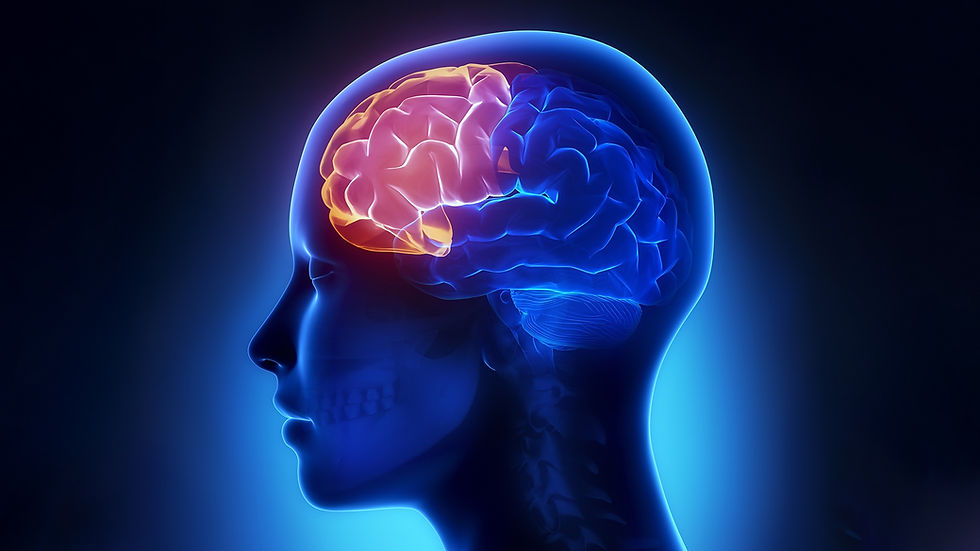
- Hypoactive Prefrontal Cortex (PFC): The PFC, particularly its dorsolateral and ventromedial regions, is the seat of executive function – planning, decision-making, emotional regulation, and working memory. In depression, its activity often plummets. This leads to impaired problem-solving, difficulty concentrating, and a struggle to modulate negative emotions generated by the amygdala. It’s like the conductor losing control, allowing the brass section (amygdala) to drown out everything else.
- Disrupted Reward Pathways: The nucleus accumbens and other areas rich in dopamine, crucial for motivation and pleasure, show reduced activity. This explains anhedonia, the inability to experience joy or interest in previously pleasurable activities. The brain simply isn’t registering reward signals effectively.
- Altered Hippocampus: Essential for memory formation and emotional regulation, the hippocampus often appears smaller in individuals with chronic depression. Chronic stress, particularly elevated cortisol, is neurotoxic to hippocampal neurons, impairing memory and learning and contributing to a cycle of negative rumination.
- Neurotransmitter Imbalances: While not a simple "chemical imbalance," dysregulation in serotonin, norepinephrine, and dopamine systems is well-documented, affecting mood, sleep, appetite, and energy levels.
- Inflammation and Oxidative Stress: Emerging research highlights the role of chronic low-grade inflammation in depression, potentially driven by persistent stress and affecting neurotransmitter synthesis and neuronal health. This biological stress further exacerbates the brain’s dysfunction.
- Dysfunctional Default Mode Network (DMN): The DMN, active when the mind is at rest, is often overactive in depression, contributing to self-referential rumination, dwelling on past failures, and negative self-talk. This internal monologue can become a relentless tormentor.
The net effect of these neurological changes is a brain trapped in a feedback loop of negativity, isolation, and perceived threat. The individual withdraws, further reinforcing the neural pathways of isolation and despair. It is within this deeply entrenched neural landscape that peer support emerges as a powerful, non-pharmacological, and profoundly human intervention.
The Genesis of Connection: A Brief History of Peer Support
The concept of "healing through sharing" is as old as humanity itself. Tribes and communities have always leaned on collective wisdom and shared suffering. However, modern peer support movements gained significant traction in the 20th century. Alcoholics Anonymous (AA), founded in 1935, stands as a monumental testament to the power of shared experience in overcoming addiction. Its success laid the groundwork for peer-led initiatives across various mental health challenges.
In the latter half of the century, the "consumer/survivor/ex-patient movement" vigorously advocated for the rights and voices of individuals with mental health conditions. They challenged the paternalistic medical model, asserting that lived experience held unique insights and therapeutic value often overlooked by professionals. From this crucible emerged formalized peer support roles, individuals with lived experience trained to offer empathy, guidance, and hope to others navigating similar struggles.
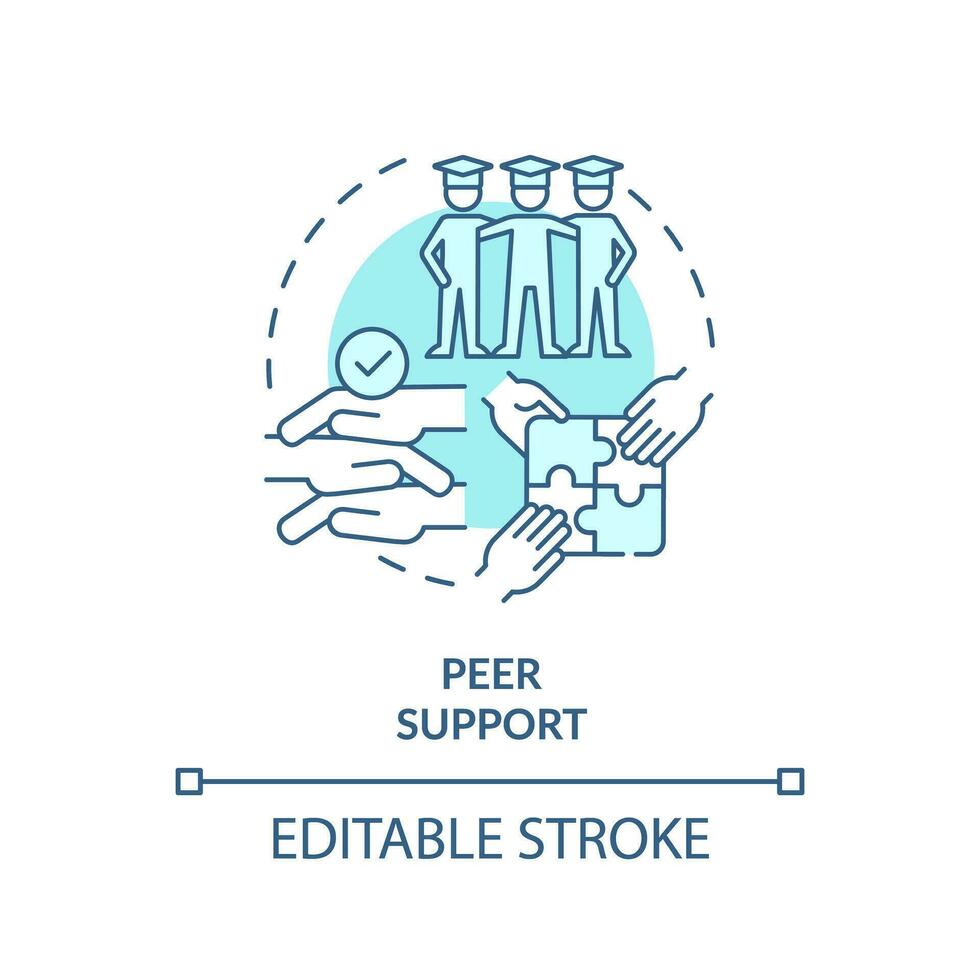
What distinguishes peer support is its inherent egalitarianism. It dismantles the traditional hierarchy of "expert" and "patient." Instead, it fosters a relationship built on mutual respect, shared vulnerability, and the profound understanding that only someone who has walked a similar path can truly offer. This fundamental shift in dynamic is where the rewiring truly begins.
Rewiring the Brain: The Neurobiological Mechanisms of Peer Support
Peer support isn’t just "nice to have"; it’s a potent neurobiological intervention that directly addresses the dysfunctions observed in the depressed brain. Let’s break down how this happens:
-
The Empathy Engine: Mirror Neurons and Amygdala Deactivation
Imagine Sarah, consumed by a suffocating blanket of despair. Her amygdala is on high alert, her PFC struggling to find solutions. She meets Mark, a peer support specialist who openly shares his own journey through depression. As Mark speaks, Sarah’s brain doesn’t just process words; it engages its mirror neuron system.
Mirror neurons are specialized brain cells that fire both when we perform an action and when we observe someone else performing the same action. Crucially, they also activate when we witness or experience emotions. When Mark describes his feelings of hopelessness, Sarah’s brain registers a similar neural pattern, creating an immediate, visceral sense of understanding. "He gets it," her brain signals.
This empathetic resonance is revolutionary. For someone like Sarah, whose amygdala has been screaming "threat!" and whose social isolation has reinforced feelings of being alien, this shared experience acts as a powerful de-escalator. The activation of empathy circuits, involving areas like the anterior insula and anterior cingulate cortex, dampens the amygdala’s hypervigilance. The brain registers connection, not threat. This reduces the flood of cortisol, allowing the nervous system to begin calming down. It’s the first crack in the wall of isolation.
-
The Oxytocin Hug: Social Connection and Stress Reduction
When Sarah feels understood and accepted by Mark, her brain releases oxytocin. Often called the "love hormone" or "bonding hormone," oxytocin plays a critical role in social affiliation, trust, and reducing anxiety. Its release is triggered by positive social interactions, physical touch (even a warm hand gesture), and feelings of safety.
Oxytocin counteracts the effects of cortisol, the primary stress hormone. It helps regulate the Hypothalamic-Pituitary-Adrenal (HPA) axis, the body’s central stress response system, which is often dysregulated in depression. By promoting relaxation and reducing physiological arousal, oxytocin helps quiet the sympathetic nervous system (fight-or-flight) and activate the parasympathetic nervous system (rest-and-digest).
Furthermore, social connection itself, facilitated by peer support, acts as a potent buffer against stress. Research on social baseline theory suggests that the brain assumes a baseline of social connection, and the absence of it is perceived as a threat, demanding more cognitive resources and increasing stress. Peer support re-establishes this social baseline, reducing the brain’s perceived workload and freeing up resources for healing and growth. This sustained reduction in chronic stress begins to reverse the neurotoxic effects of cortisol on the hippocampus, paving the way for improved memory and emotional regulation.
-
Narrative and Re-storying: Re-shaping the Prefrontal Cortex and Hippocampus
One of the most insidious aspects of depression is the pervasive negative self-narrative. The DMN becomes a broken record, playing tales of inadequacy, regret, and hopelessness. Peer support provides a unique platform for narrative reframing.
When Sarah shares her story with Mark, and Mark shares his, something profound happens. The act of articulating one’s experience engages the prefrontal cortex, particularly areas involved in language, sequencing, and self-reflection. This externalization helps Sarah gain distance from her overwhelming emotions, allowing her PFC to begin exercising its regulatory functions.
Crucially, Mark doesn’t just listen; he validates, normalizes, and offers alternative perspectives rooted in his own experience. "I felt that too," he might say, "but I learned that feeling isn’t the whole story." This collaborative re-storying helps Sarah’s brain construct a more coherent, hopeful narrative. It challenges the rigid, negative schemas that have become deeply ingrained.
This process directly impacts the hippocampus. As Sarah integrates new perspectives and experiences of connection, her brain begins to form new neural associations. The hippocampus, involved in memory consolidation, can start to lay down memories of positive interactions and successful coping strategies, rather than just reinforcing memories of pain and failure. This builds cognitive flexibility, a hallmark of a healthy PFC, and gradually reduces the grip of depressive rumination.
-
Empowerment and Agency: Activating Reward Pathways and the Dorsal Striatum
Depression often manifests as learned helplessness – the belief that one has no control over negative circumstances. Peer support directly combats this by fostering agency and empowerment.
When Sarah sees Mark, who has navigated similar depths and emerged stronger, she witnesses a living example of recovery. This observational learning activates her brain’s reward pathways, particularly the ventral striatum, associated with motivation and anticipation of reward. It instills hope – a crucial ingredient for brain change.
Furthermore, the act of giving support, as Sarah might do for someone else later in her journey, is immensely powerful. Prosocial behavior – helping others – activates the brain’s reward system, including the ventral tegmental area and nucleus accumbens, releasing dopamine. This creates a positive feedback loop: helping others feels good, reinforcing the behavior. This shift from being a passive recipient to an active helper can be transformative, re-engaging the reward system that was previously shut down by anhedonia. It reinstates a sense of purpose and self-efficacy, crucial for long-term recovery. The dorsal striatum, involved in habit formation and goal-directed behavior, also becomes more active as individuals engage in positive actions and roles within the peer community.
-
Reducing Stigma and Shame: Normalizing and Deactivating Threat
One of the heaviest burdens of depression is the pervasive shame and stigma associated with mental illness. This shame triggers intense self-criticism and social withdrawal, further fueling the amygdala’s threat response and reinforcing feelings of isolation.
In a peer support group, the very act of sharing vulnerability in a safe, non-judgmental space directly confronts shame. When Sarah confesses her deepest fears and experiences, and others nod in understanding, she realizes she is not alone, nor is she fundamentally flawed. This normalization is a powerful antidote to stigma.
From a neurobiological perspective, reducing shame lowers the perceived social threat. This directly helps to quiet the overactive amygdala and the insula, which processes feelings of disgust and social exclusion. As the threat response diminishes, the brain can allocate more resources to higher-order cognitive functions in the PFC, allowing for more rational thought and emotional regulation. The "weight" on the brain is literally lifted, allowing for greater neuroplasticity.
-
Modeling and Observational Learning: Shaping Neural Pathways for Coping
Peer support isn’t just about commiseration; it’s about learning and growth. Peers model effective coping strategies, problem-solving approaches, and resilience in action. When Sarah observes Mark calmly navigate a setback or articulate a healthy boundary, her brain registers these behaviors.
This observational learning is a fundamental way humans acquire new skills and modify behavior. It involves the activation of the PFC and parietal lobe, which are crucial for planning, attention, and integrating sensory information. By witnessing successful coping, Sarah’s brain begins to form new neural pathways, associating challenges with potential solutions rather than insurmountable obstacles. This vicarious learning provides a blueprint for her own recovery, enhancing her adaptive responses and building her coping repertoire.
-
Neuroplasticity in Action: The Sum of All Parts
Ultimately, all these mechanisms converge on a single, powerful principle: neuroplasticity. The brain is not static; it constantly reshapes itself in response to experience. Depression, in essence, is a state of maladaptive neuroplasticity, where neural pathways for negativity and isolation become deeply entrenched.
Peer support acts as a catalyst for adaptive neuroplasticity. Through repeated positive social interactions, emotional regulation exercises, narrative reframing, and empowered action, the brain literally reorganizes itself.
- New dendritic spines (connections between neurons) are formed.
- Synaptic strengths are modified, strengthening pathways for positive emotions and weakening those for negative ones.
- Neurogenesis (the birth of new neurons) in areas like the hippocampus may be promoted, especially with reduced chronic stress.
- The balance between the DMN and the Central Executive Network (CEN – responsible for focus and problem-solving) begins to shift, reducing rumination and increasing goal-directed thought.
The depressed brain, once trapped in a rigid, self-reinforcing cycle, becomes more flexible, resilient, and connected.
A Story of Transformation: The Journey of Elara
Consider Elara, a brilliant architect whose life had become a monochromatic sketch. For years, major depression had painted her world in shades of grey. Her mind was a constant battleground: the amygdala screaming "worthless," the PFC too exhausted to command a coherent defense. She tried therapy, medication, meditation – all with varying degrees of transient success. But the core loneliness, the feeling of being fundamentally broken and alien, persisted. Her reward pathways were dormant; even her most intricate designs brought no joy.
Elara reluctantly joined a peer support group, dragged there by a concerned friend. She sat in silence for weeks, observing. She watched as others, people who looked "normal" on the surface, articulated the very thoughts that haunted her private world. She heard stories of days spent staring at walls, of the crippling inability to make a phone call, of the fear of judgment.
Slowly, imperceptibly at first, Elara’s brain began to shift. When Liam, a fellow group member, spoke of his own struggle with anhedonia, Elara’s mirror neurons fired. A tiny spark of recognition, a faint sense of "I’m not the only one," flickered. This tiny spark, amplified by the safety of the group, began to quiet her amygdala. Her brain registered not threat, but connection.
As she cautiously shared her own experience, the release of oxytocin fostered a sense of trust and belonging. Her HPA axis, long in overdrive, began to calm. For the first time in years, she experienced moments of genuine presence, not just the ceaseless hum of anxiety.
The group leader, a peer with years of lived experience, didn’t offer clinical advice but shared how he’d reframed his internal critic. "That voice," he’d said, "it’s not you. It’s just a broken record playing old fears." This narrative reframing gave Elara a new lens through which to view her own inner torment. Her PFC, gently prompted, began to challenge the automatic negative thoughts. She started to see her struggle not as a personal failing, but as a shared human challenge, one that others had faced and overcome. This re-storying started to prune the overactive DMN pathways of rumination.
Months later, Elara found herself offering a word of encouragement to a new member, a young man who sat with the same despondent posture she once had. As she spoke, sharing her journey and offering hope, a warmth spread through her. Dopamine surged through her reward pathways. The act of helping, of contributing, felt profoundly good. She wasn’t just receiving support; she was giving it. This active agency, this shift from recipient to giver, reignited her internal motivation. The colors in her world, slowly but surely, began to return. Her designs once again filled her with purpose, and this time, with genuine joy.
Challenges and The Road Ahead
Despite its profound efficacy, peer support is not a panacea, nor is it without its challenges. Integration with traditional mental healthcare remains crucial. Peer support specialists complement, rather than replace, clinical care. Robust training programs are essential to ensure peers are equipped with ethical guidelines, boundaries, and effective communication skills. Furthermore, funding and systemic recognition are often lacking, hindering the widespread implementation of these invaluable services.
Future research will delve deeper into the precise neurobiological markers of change in individuals engaging in peer support, utilizing advanced neuroimaging techniques like fMRI and quantitative EEG. Longitudinal studies are needed to track these brain changes over time and correlate them with long-term recovery outcomes.
Beyond the Blues, Towards a Connected Brain
Depression is a brutal adversary, often isolating its sufferers in a neural prison of their own making. But peer support offers a profound key to liberation. It leverages the inherent human capacity for connection, empathy, and shared experience to actively rewire the brain. It calms the amygdala, strengthens the prefrontal cortex, rekindles reward pathways, and fosters adaptive neuroplasticity.
In an era of increasing social fragmentation, the simple yet profound act of one human reaching out to another, sharing their truth, and walking together on the path to healing, stands as a testament to our enduring capacity for resilience. Beyond the blues lies not just relief, but a connected, rewired brain, ready to embrace a world no longer painted in shades of grey, but in the vibrant, hopeful hues of shared humanity.