
From the first cry of a newborn seeking comfort to the last shared glance between old friends, the human experience is profoundly shaped by connection. We are, at our core, social beings. This isn’t merely a philosophical or psychological observation; it’s a fundamental biological imperative etched into the very architecture of our brains. The yearning for belonging, the profound satisfaction derived from meaningful interaction, and the deep ache of isolation are not mere sentiments; they are orchestrated by an intricate symphony of neural circuits, neurotransmitters, and evolutionary adaptations. To truly understand how the brain thrives, we must embark on a journey into the neurobiology of belonging, unraveling the story of how our grey matter has been sculpted by the timeless human need for connection.
The Evolutionary Imperative: Our Tribal Brain
Imagine our early ancestors, vulnerable and exposed on the vast savannas. A lone individual was a meal waiting to happen; a group, however, offered protection, shared resources, and the collective wisdom necessary for survival. This harsh reality imprinted an indelible lesson on the developing human brain: belonging equals survival. Those individuals genetically predisposed to seek out and maintain social bonds were more likely to live, reproduce, and pass on their genes. Over millennia, this evolutionary pressure forged a brain exquisitely wired for social engagement, capable of intricate communication, empathy, and cooperation.
This deep history manifests today in our immediate, often subconscious, reactions to social cues. A warm smile can instantly soothe; a look of disdain can trigger an alarm. These aren’t learned responses in the conventional sense; they are reflexes rooted in a primal fear of ostracism, a biological echo of a time when expulsion from the tribe meant certain death. The brain, therefore, didn’t just allow for social interaction; it demanded it, building sophisticated mechanisms to reward connection and punish its absence.
The Brain’s Social Toolkit: A Symphony of Neurochemicals and Circuits
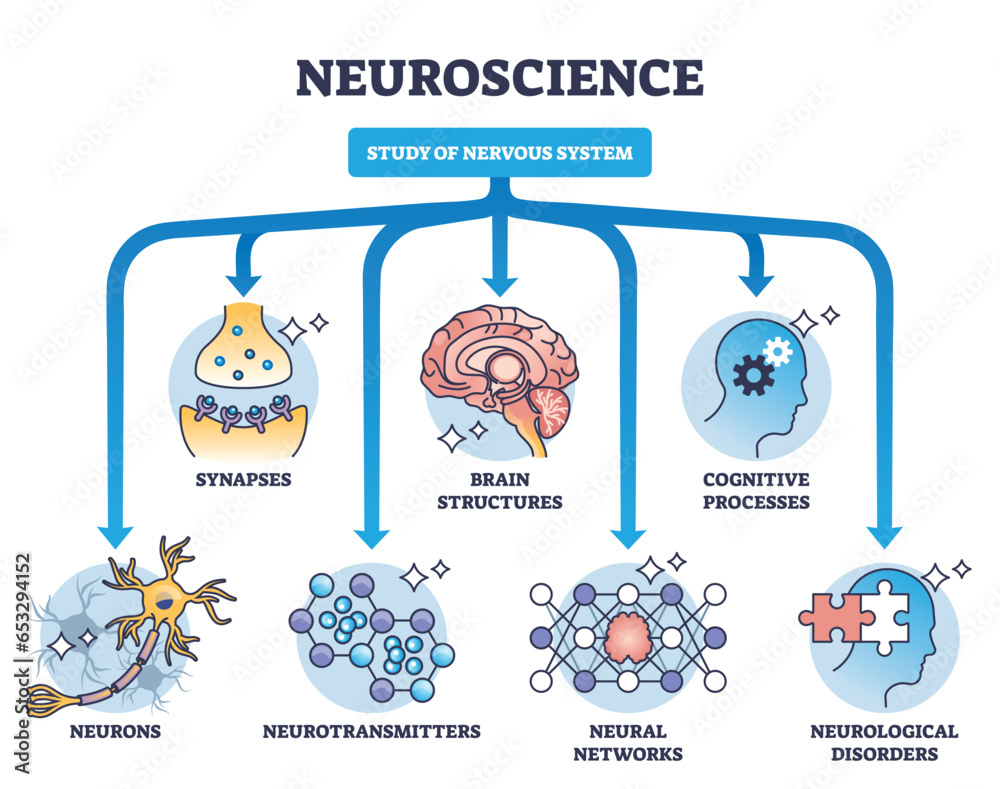
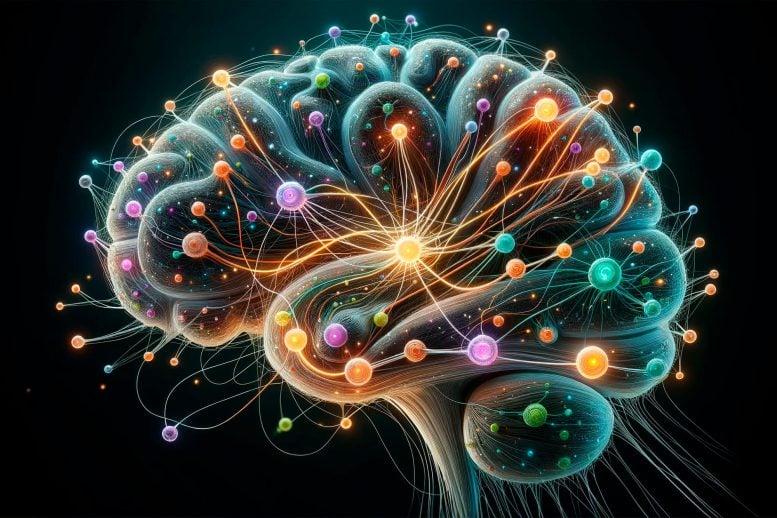
To truly appreciate how the brain thrives on meaningful interaction, we must delve into the specific neurobiological systems at play. It’s not a single switch but a complex orchestra, with different instruments playing crucial roles in fostering connection and signaling its value.
1. The Reward System: The Sweet Taste of Connection (Dopamine)
At the heart of our motivation lies the brain’s reward system, primarily involving the ventral tegmental area (VTA) and the nucleus accumbens. When we experience something pleasurable – a delicious meal, a successful hunt, or a meaningful social interaction – these areas release dopamine, a neurotransmitter associated with pleasure, motivation, and learning.
Meaningful interaction, such as receiving a genuine compliment, sharing a laugh with a friend, or feeling understood by a loved one, triggers this dopamine release. This isn’t accidental; it’s the brain’s way of saying, "This is good. Do more of this." This neurochemical reward reinforces social behaviors, driving us to seek out further connections and strengthening existing bonds. It’s the intrinsic "feel-good" factor that makes social gatherings appealing, despite the energy they might demand. This dopaminergic loop ensures that social connection is not just an optional extra but a highly valued commodity, essential for our psychological well-being.
2. The Attachment System: Bonding and Trust (Oxytocin and Vasopressin)
If dopamine is the initial spark, oxytocin is the glue that binds. Often dubbed the "love hormone" or "cuddle chemical," oxytocin plays a pivotal role in social bonding, trust, and empathy. Released from the posterior pituitary gland, its production is stimulated by physical touch, intimacy, and positive social interactions.
Oxytocin’s influence is widespread:
- Mother-infant bonding: It facilitates the profound attachment between mothers and their babies, essential for early survival and development.
- Pair-bonding: In romantic relationships, oxytocin strengthens feelings of attachment, trust, and fidelity.
- Pro-social behavior: It enhances empathy, generosity, and cooperation, making us more inclined to help and connect with others.
- Stress reduction: Oxytocin can buffer the effects of stress by reducing cortisol levels and activating the parasympathetic nervous system, promoting a sense of calm and safety in social contexts.
Closely related, vasopressin also plays a role in social behavior, particularly in male bonding, aggression, and pair-bonding. Together, oxytocin and vasopressin form the neurochemical bedrock of our capacity for deep, lasting relationships, allowing us to form the secure attachments that are crucial for emotional stability.
3. The Empathy and Theory of Mind Circuits: Understanding Each Other (Mirror Neurons, mPFC, TPJ)
Meaningful interaction requires us to understand and respond to the internal states of others. This capacity, known as empathy and theory of mind (the ability to attribute mental states—beliefs, intents, desires, emotions, knowledge—to oneself and to others), relies on a sophisticated network of brain regions:
- Mirror Neuron System: These fascinating neurons, found in areas like the premotor cortex and inferior parietal lobule, fire not only when we perform an action but also when we observe someone else performing the same action. They are thought to be crucial for imitation, learning, and, most importantly, for experiencing the emotions and intentions of others as if they were our own. When we wince as we see someone stub their toe, or smile involuntarily when a friend laughs, mirror neurons are likely at work, blurring the line between self and other.
- Medial Prefrontal Cortex (mPFC): This region is heavily involved in self-referential processing, social cognition, and mentalizing (thinking about what others are thinking or feeling). It helps us differentiate between our own perspectives and those of others, a crucial skill for navigating complex social dynamics.
- Temporoparietal Junction (TPJ): Located at the intersection of the temporal and parietal lobes, the TPJ is critical for perspective-taking and understanding others’ beliefs and intentions, especially when they differ from our own.
- Anterior Insula: This region integrates emotional and bodily states, allowing us to feel and process emotions, both our own and those we perceive in others, contributing to our subjective experience of empathy.
These interconnected circuits allow us to move beyond superficial interactions, enabling us to genuinely connect, to feel with others, and to understand their worldviews. Without them, meaningful interaction would be impossible, reduced to a transactional exchange rather than a profound human connection.
4. The Stress Response System: Social Buffering (HPA Axis, Cortisol)
Chronic stress is a major detriment to both mental and physical health. The hypothalamic-pituitary-adrenal (HPA) axis orchestrates our stress response, releasing hormones like cortisol that prepare the body for "fight or flight." While essential for acute threats, prolonged activation of this system is highly damaging.
Meaningful social interaction acts as a powerful buffer against stress. Feeling supported, heard, and cared for can significantly dampen the HPA axis’s activity, lowering cortisol levels and promoting physiological calm. This "social buffering" effect is a critical mechanism by which belonging contributes to thriving. When we feel connected, our brains perceive the world as a safer place, reducing the need for constant vigilance and conserving precious energetic resources. This, in turn, strengthens the immune system, reduces inflammation, and protects against the ravages of chronic stress on the brain, such as hippocampal atrophy and impaired prefrontal cortex function.
The Nuance of "Meaningful": Quality Over Quantity
It’s crucial to distinguish between mere social contact and meaningful interaction. While superficial acquaintances have their place, the deepest neurobiological benefits arise from relationships characterized by:
- Vulnerability and Authenticity: The willingness to be seen for who we truly are, imperfections and all, and to accept others in the same way. This fosters trust and deepens bonds, activating oxytocin pathways.
- Reciprocity: A balanced give-and-take of support, empathy, and shared experience. True connection is not one-sided; it’s a dynamic exchange that signals mutual value and respect.
- Shared Purpose and Experience: Engaging in activities or causes together, pursuing common goals, or simply sharing significant life events, strengthens the sense of "we" and belonging.
- Active Listening and Empathy: Truly hearing and understanding another person, validating their experiences, and responding with genuine care. This engages the empathy circuits and reinforces the sense of being valued.
These qualities trigger the full symphony of neurobiological benefits: dopamine for the joy of connection, oxytocin for trust and bonding, buffered cortisol for stress reduction, and active empathy circuits for deep understanding. Without these elements, even frequent interactions can leave us feeling isolated, failing to activate the brain’s thriving mechanisms.
The Dark Side of Disconnection: The Brain in Isolation
If belonging is essential for thriving, then its absence – loneliness and social isolation – can be devastating. Far from being a mere emotional state, chronic loneliness is a profound stressor with tangible neurobiological and physiological consequences.
- Social Pain is Real Pain: Research using fMRI has shown that social rejection and exclusion activate many of the same brain regions as physical pain, particularly the anterior cingulate cortex (ACC). This suggests that the brain processes social pain not just as a metaphor, but as a genuine threat to well-being, signaling the urgency of reintegration.
- Chronic Stress and Inflammation: Persistent loneliness keeps the HPA axis in overdrive, leading to elevated cortisol levels, systemic inflammation, and a weakened immune system. This makes lonely individuals more susceptible to illness and slows healing.
- Cognitive Decline: Prolonged social isolation has been linked to impaired cognitive function, particularly in areas related to memory (hippocampus) and executive function (prefrontal cortex). The brain, deprived of stimulating social input, can begin to atrophy.
- Mental Health Disorders: Loneliness is a significant risk factor for depression, anxiety disorders, and even an increased risk of dementia. The brain, lacking the neurochemical rewards and buffering effects of connection, becomes more vulnerable to these conditions.
- Accelerated Aging: Studies have even linked chronic loneliness to accelerated biological aging and a shorter lifespan, underscoring its profound impact on overall health.
The brain interprets isolation as a severe threat, mobilizing resources to find connection. But when that search is fruitless, the sustained state of alarm begins to wear down its very fabric, undermining its ability to thrive.
Cultivating Belonging: A Prescription for a Thriving Brain
The good news is that the brain is remarkably plastic. It can adapt, learn, and rewire itself throughout life. This means we are not condemned to loneliness, nor are our social capacities fixed. We can consciously cultivate belonging, and in doing so, nurture our brains.
- Prioritize Quality Over Quantity: Invest time and energy in a few deep, meaningful relationships rather than spreading yourself thin across many superficial ones.
- Practice Vulnerability: Take small, brave steps to share your true self with trusted others. This builds intimacy and strengthens oxytocin pathways.
- Engage in Pro-Social Behavior: Acts of kindness, altruism, and volunteering not only help others but also activate your own reward system and foster a sense of connection.
- Develop Empathy: Actively listen, try to understand others’ perspectives, and practice compassion. This strengthens your empathy circuits and deepens your ability to connect.
- Seek Shared Experiences: Join clubs, volunteer groups, or engage in hobbies that connect you with like-minded individuals. Shared purpose is a powerful bonding agent.
- Mindful Digital Connection: While digital platforms can connect us, prioritize in-person interactions. The richness of non-verbal cues (eye contact, touch, shared space) is crucial for fully activating the brain’s social toolkit. When digital, aim for meaningful video calls rather than passive scrolling.
- Self-Compassion: Begin by fostering a sense of belonging with yourself. Treat yourself with kindness and understanding, which lays the groundwork for healthier external relationships.
Each conscious effort to connect, to empathize, to share, reinforces the neural pathways of belonging. It’s like exercise for the social brain, strengthening its capacity to give and receive meaningful interaction, leading to a more resilient, happier, and healthier self.
Conclusion: The Unfolding Story of Connection
The neurobiology of belonging tells a compelling story: one of evolutionary necessity, intricate neural design, and profound human impact. Our brains are not just wired for survival; they are wired for connection. They don’t just tolerate meaningful interaction; they thrive on it, releasing cascades of neurochemicals that foster pleasure, trust, and resilience.
In a world that often celebrates individualism, understanding the deep biological imperative for belonging is more critical than ever. It reminds us that our well-being is intrinsically linked to our relationships, and that nurturing these connections is not a luxury, but a fundamental act of self-care and a powerful prescription for a flourishing life. By intentionally seeking, fostering, and cherishing meaningful interactions, we are not just feeding our souls; we are quite literally nourishing our brains, allowing them to reach their full potential and experience the profound joy of being truly connected. The story of the human brain, it turns out, is the story of us, together.