
In the grand tapestry of human existence, few threads are as vital, yet as often overlooked in their profound physiological impact, as the bonds of friendship. We are, at our core, social beings, a truth echoed not just in our shared laughter and collective endeavors, but in the intricate dance of hormones and neurotransmitters that govern our internal world. This is not merely a poetic sentiment; it is a biological imperative, a finely tuned mechanism honed by millennia of evolution. For beneath the surface of shared confidences and comforting presences lies a powerful, invisible force shaping our health, modulating our stress response, and quite literally, influencing the very longevity of our lives.
This article delves into the fascinating and increasingly urgent intersection of social connection and physiological well-being, focusing on the star player in our body’s stress orchestra: cortisol. We will explore how the presence, or absence, of meaningful friendships orchestrates our internal stress regulation systems, influencing everything from inflammation and immune function to cardiovascular health and cognitive resilience. This is a story not just of psychological comfort, but of profound biological consequence, revealing friendship as a natural anxiolytic, a potent medicine for the modern soul, and a fundamental pillar of human health.
The Cortisol Story: A Double-Edged Sword of Survival
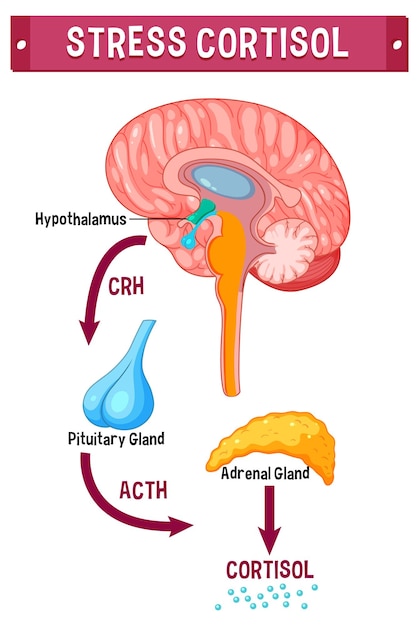
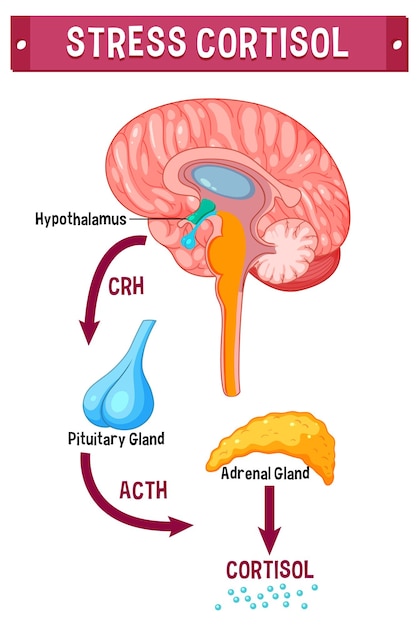
To understand the profound impact of friendship, we must first understand its counterpoint: stress. And to understand stress, we must meet cortisol. Often dubbed the body’s primary stress hormone, cortisol is a glucocorticoid produced by the adrenal glands, nestled atop our kidneys. It is the central orchestrator of our “fight or flight” response, a primal survival mechanism designed to mobilize our resources in the face of immediate threat.
When faced with a perceived danger – be it a growling predator in ancient times or a looming deadline in the present day – our sympathetic nervous system springs into action. A cascade of events begins in the brain, specifically the hypothalamus, which signals the pituitary gland, which in turn signals the adrenal glands. This intricate pathway is known as the Hypothalamic-Pituitary-Adrenal (HPA) axis. Cortisol is then released, flooding the bloodstream.
Its immediate effects are remarkably adaptive:
- Increased Glucose Production: Cortisol ensures a ready supply of energy by converting proteins and fats into glucose, fueling our muscles and brain for rapid action.
- Suppression of Non-Essential Functions: Processes like digestion, reproduction, and growth are temporarily put on hold, conserving energy for the perceived emergency.
- Inflammation Modulation: Acutely, cortisol can reduce inflammation, preventing excessive tissue damage from an injury sustained during escape or confrontation.
- Enhanced Alertness: It sharpens our senses and improves memory retrieval for immediate threats, allowing us to react quickly.
This acute stress response is crucial for survival. The problem arises not from the activation of this system, but from its chronic activation. In our modern world, the perceived threats are rarely life-threatening but are often persistent: financial worries, relationship conflicts, demanding jobs, societal pressures. Our HPA axis, designed for short, intense bursts, often finds itself in a perpetual state of low-grade activation.
The long-term consequences of chronically elevated cortisol are devastating. The very mechanisms designed for our protection begin to erode our health:
- Chronic Inflammation: While acute cortisol suppresses inflammation, chronic exposure leads to cortisol resistance, paradoxically promoting systemic inflammation, a root cause of numerous chronic diseases, including cardiovascular disease, diabetes, and autoimmune disorders.
- Immune System Suppression: The immune system, constantly operating under stress, becomes less effective, making us more susceptible to infections and slower to heal.
- Metabolic Dysfunction: Persistent glucose mobilization can lead to insulin resistance, weight gain (particularly abdominal fat), and an increased risk of type 2 diabetes.
- Cardiovascular Strain: Chronic cortisol contributes to elevated blood pressure, cholesterol levels, and arterial plaque buildup, significantly increasing the risk of heart attacks and strokes.
- Cognitive Impairment: The hippocampus, a brain region crucial for memory and learning, is highly sensitive to cortisol. Chronic stress can shrink its volume, impairing memory, focus, and executive function.
- Mental Health Issues: Elevated cortisol is strongly linked to anxiety, depression, and other mood disorders, creating a vicious cycle where stress exacerbates mental distress, which in turn elevates cortisol.
Given this grim picture, the regulation of cortisol is not merely a matter of comfort but a cornerstone of long-term health and well-being. And this is where the profound power of human connection, particularly friendship, enters the narrative.
The Social Brain: Our Innate Blueprint for Connection
Humans are unequivocally social creatures. Our evolutionary journey is etched with the necessity of group cooperation for survival. From hunting mammoths to raising offspring, the collective offered safety, resources, and knowledge. This innate drive for connection isn’t just cultural; it’s hardwired into our neurobiology.
Our brains are social organs, designed to seek, interpret, and respond to social cues. Consider the phenomenon of "social pain." When we experience rejection, loneliness, or loss, the same brain regions activate as when we experience physical pain – the anterior cingulate cortex. This striking overlap underscores the biological gravity of social bonds. Our bodies literally interpret social exclusion as a threat to our physical integrity.
The neurochemical symphony of connection is complex and beautiful. Oxytocin, often called the "love hormone" or "cuddle chemical," is a key player. Released during physical touch, intimacy, and social bonding, oxytocin directly counteracts the effects of cortisol. It promotes feelings of trust, empathy, and calmness, reducing anxiety and fostering attachment. Vasopressin, another neuropeptide, works in concert with oxytocin, particularly in modulating social recognition and pair bonding. Dopamine, associated with reward and motivation, reinforces social seeking behaviors, making positive social interactions inherently pleasurable and reinforcing.
This intricate neurochemical dance begins in infancy with attachment to caregivers, shaping our internal working models of relationships. Secure attachment, forged through consistent, responsive care, lays the groundwork for healthier stress regulation throughout life. But these early blueprints are not immutable; subsequent relationships, particularly friendships, continue to shape and refine our capacity for connection and co-regulation.
Friendship as a Buffer: Mechanisms of Stress Regulation
Now, let’s explore the specific ways in which friendship acts as a potent buffer against stress, directly influencing our cortisol levels and promoting physiological resilience. This impact operates through both direct neurochemical pathways and indirect psychological mechanisms that ultimately manifest in biological change.
Direct Physiological Impact: The Inner Chemistry of Connection
-
Oxytocin Release and Cortisol Counteraction:
This is perhaps the most well-documented direct link. When we engage in meaningful social interaction – a heartfelt conversation, a comforting hug, shared laughter with a friend – our brains release oxytocin. Oxytocin has a direct inhibitory effect on the HPA axis, dampening the release of cortisol. It acts like a physiological "off switch" for the stress response. Furthermore, oxytocin enhances feelings of trust and reduces fear, making social situations less threatening and promoting a sense of safety, which itself reduces the perceived need for a stress response. This mechanism is central to the "tend and befriend" response, a theory proposed by Shelley E. Taylor, suggesting that in times of stress, females (and to some extent males) often respond by nurturing offspring and affiliating with social groups, rather than just fighting or fleeing. This social strategy is mediated by oxytocin and effectively lowers stress. -
Co-regulation of the Nervous System:
Imagine a friend listening intently as you recount a stressful experience. Their calm presence, their empathetic gaze, their soothing voice – these are not just psychological comforts; they are physiological signals. Our nervous systems are not isolated islands; they are in constant communication with those around us. This phenomenon, known as co-regulation, means that one person’s calm can literally help calm another’s agitated nervous system. A friend’s regulated emotional state can provide a template for our own, helping to downregulate our sympathetic nervous system and activate our parasympathetic "rest and digest" system. This manifests as a reduction in heart rate, blood pressure, and, critically, cortisol levels. -
Enhanced Vagal Tone:
The vagus nerve is a major component of the parasympathetic nervous system, playing a crucial role in regulating heart rate, digestion, and immune responses. High vagal tone is associated with better emotional regulation, resilience to stress, and overall health. Positive social interactions, particularly those involving compassion and empathy, have been shown to increase vagal tone. A friend’s supportive presence, their understanding, and their shared positive emotions can activate the vagus nerve, promoting a state of physiological calm and further dampening the HPA axis. -
Reduced Inflammatory Markers:
Given that chronic stress and elevated cortisol promote systemic inflammation, it follows that robust social support, by regulating cortisol, can mitigate inflammation. Research consistently shows that individuals with strong social networks have lower levels of inflammatory biomarkers like C-reactive protein (CRP) and interleukin-6 (IL-6). This anti-inflammatory effect has profound implications for reducing the risk of a wide array of chronic diseases. -
Improved Sleep Quality:
Stress and poor sleep are locked in a bidirectional relationship. Elevated cortisol can disrupt sleep patterns, and lack of sleep can in turn elevate cortisol. Friendship, by reducing overall stress and anxiety, can significantly improve sleep quality. A restful night’s sleep allows the body to properly regulate hormones, including cortisol, ensuring a healthier diurnal rhythm (cortisol should be highest in the morning and gradually decrease throughout the day).
Psychological Pathways Leading to Physiological Change: The Mind-Body Connection
Beyond the direct neurochemical effects, friendships offer a powerful suite of psychological benefits that indirectly but profoundly impact our stress physiology:
-
Emotional Support and Validation:
The act of sharing a burden with a trusted friend, articulating anxieties, and receiving validation ("That sounds incredibly difficult," "I understand why you feel that way") is incredibly therapeutic. This process helps externalize stress, reducing rumination – the repetitive, often negative, thought patterns that keep the HPA axis on high alert. Knowing that someone understands and cares reduces feelings of isolation, which is a stressor in itself. -
Perspective Taking and Problem Solving:
Friends offer different perspectives on challenges, helping us to reframe stressful situations. What might feel like an insurmountable obstacle when viewed alone can seem more manageable with the insights of another. Friends can also provide practical advice or help brainstorm solutions, reducing the cognitive load and perceived threat of a problem. This shift in perception directly impacts the brain’s assessment of a situation’s danger, leading to a calmer physiological response. -
Instrumental Support:
Sometimes, stress isn’t just emotional; it’s practical. A friend might offer to pick up groceries when you’re overwhelmed, help with a moving day, or lend an ear during a crisis. This instrumental support directly reduces objective stressors, freeing up mental and physical resources and signaling to the body that "you are not alone, help is available," thereby reducing the need for a heightened stress response. -
Sense of Belonging and Purpose:
Being part of a group, feeling valued and needed by friends, fulfills a fundamental human need for belonging. This sense of community combats feelings of alienation and meaninglessness, which are significant psychological stressors. It provides a protective layer, fostering resilience and a more positive outlook on life, which translates to a more regulated internal environment. -
Shared Positive Experiences and Laughter:
Friendships are not just for weathering storms; they are for celebrating joys. Shared laughter, engaging in hobbies together, or simply enjoying pleasant company triggers the release of endorphins, dopamine, and oxytocin, while simultaneously reducing cortisol. Laughter, in particular, has been shown to have immediate stress-reducing effects, relaxing muscles, improving circulation, and boosting the immune system. These positive emotional states are powerful antagonists to the stress response. -
Healthy Coping Strategies:
Friends often model and encourage healthier coping mechanisms. Instead of bottling up emotions or resorting to maladaptive behaviors, friends can inspire us to exercise, engage in mindfulness, or seek professional help when needed. They provide accountability and support in adopting positive lifestyle changes that indirectly contribute to better stress regulation.
Consider the story of David, a project manager facing immense pressure at work. Alone, he’d ruminate, skip meals, and experience disrupted sleep, his cortisol levels perpetually high. But David has a close friend, Michael. After a particularly grueling week, David calls Michael. Michael doesn’t just listen; he validates David’s frustration, offers a humorous anecdote about his own work stress, and suggests they go for a long walk in the park. During their walk, Michael gently helps David reframe some of the challenges and reminds him of his past successes. By the end of the conversation, David feels a tangible shift. His shoulders are less tense, his mind less clouded. This isn’t just "feeling better"; it’s a physiological shift. The oxytocin from the interaction has dampened his HPA axis, the shared laughter has released endorphins, and the perspective shift has reduced the perceived threat, allowing his cortisol levels to begin their descent.
The Dark Side of Isolation: When Connection Fails
The corollary to the benefits of friendship is the profound detriment of its absence. Loneliness and social isolation are not merely unpleasant emotional states; they are potent physiological stressors with devastating consequences for health. Researchers now consider social isolation a public health crisis comparable to smoking or obesity.
When meaningful connections are scarce, the body often exists in a heightened state of alert. The HPA axis can become dysregulated, leading to chronically elevated cortisol. This persistent stress response fuels inflammation, suppresses the immune system, and contributes to the very same chronic diseases that strong social ties protect against. Studies have shown that socially isolated individuals have:
- Higher baseline cortisol levels and a blunted cortisol awakening response (a healthy spike in the morning).
- Increased systemic inflammation.
- Weaker immune responses to vaccinations.
- Higher blood pressure and increased risk of cardiovascular disease.
- Accelerated cognitive decline and higher risk of dementia.
- Significantly increased risk of depression, anxiety, and suicide.
- A 26% increased risk of premature mortality, rivalling the dangers of smoking 15 cigarettes a day.
The modern world, with its emphasis on individual achievement, digital connectivity over deep engagement, and increasingly fragmented communities, presents a paradox. We are more "connected" than ever via screens, yet many report feeling profoundly isolated. Superficial social media interactions, while offering fleeting hits of dopamine, often lack the depth, reciprocity, and vulnerability required to trigger the powerful cortisol-regulating mechanisms of genuine friendship. The "story" of loneliness is one of chronic physiological distress, a body perpetually bracing for a threat that never fully materializes but whose internal echoes relentlessly wear down its systems.
Cultivating Connection: Practical Implications and Future Directions
Understanding the profound physiological impact of friendship compels us to re-evaluate our priorities and actively cultivate genuine connections. This isn’t just about feeling good; it’s about safeguarding our health.
For Individuals:
- Prioritize Quality Over Quantity: It’s not about having hundreds of "friends" on social media. It’s about nurturing a handful of deep, trusting, reciprocal relationships. Invest time and emotional energy where it truly matters.
- Practice Vulnerability: Genuine connection thrives on authenticity. Be willing to share your true self, your fears, and your struggles. This courage invites reciprocity and deepens bonds.
- Active Listening and Empathy: Be present for your friends. Listen without judgment, offer validation, and strive to understand their experiences. This fosters trust and co-regulation.
- Shared Experiences: Engage in activities you both enjoy. Whether it’s a hobby, a sport, volunteering, or simply regular coffee dates, shared experiences build common ground and create positive memories.
- Be Proactive: Don’t wait for friends to reach out. Initiate contact, plan gatherings, and be the friend you wish to have.
- Digital Tools as Connectors, Not Replacements: Use technology to facilitate real-world meetups or maintain long-distance relationships, but avoid letting it substitute for face-to-face interaction or deep conversation.
For Society and Healthcare:
- Integrate Social Prescribing: Healthcare systems can "prescribe" social activities, support groups, or community engagement as part of a holistic treatment plan for various conditions, recognizing the physiological benefits.
- Community Building: Urban planners and community leaders can design spaces and programs that foster interaction, belonging, and collective action, creating environments conducive to friendship formation.
- Education and Awareness: Educating individuals about the biological imperative of connection can empower them to prioritize social well-being alongside physical exercise and healthy eating.
- Therapeutic Interventions: Group therapy, support groups for specific conditions, and family therapy implicitly leverage the power of social connection to heal and regulate stress.
The story of cortisol and connection is a powerful reminder that we are not isolated biological machines. We are profoundly interconnected beings, our internal landscapes inextricably linked to the social fabric we weave around ourselves. Friendship is not a luxury; it is a fundamental human need, a powerful determinant of health, and a profound source of resilience in a world increasingly fraught with stress. By nurturing our friendships, we are not just enriching our lives; we are quite literally regulating our physiology, calming our stress hormones, bolstering our immune systems, and extending our healthy lifespans. In the gentle embrace of a friend, in the shared laughter and empathetic ear, lies a potent medicine, a testament to the enduring power of human connection to heal, protect, and sustain us.