
It begins subtly, a verdant whisper in the late spring garden, a tentative shoot pushing through the warming soil. Then, with the relentless generosity of high summer, the whispers become shouts. One day, a demure blossom; the next, a small, firm fruit; and seemingly overnight, a zucchini the size of a small baseball bat. For many, this annual explosion elicits a groan, a familiar sigh of "Oh, another zucchini." It’s a vegetable often relegated to the realm of the prolific, the mundane, the last resort when all other garden bounty has been exhausted. Yet, to dismiss Cucurbita pepo – the humble zucchini – as merely a watery filler or a gardener’s burden is to profoundly misunderstand one of the culinary world’s most versatile, nutritious, and quietly captivating ingredients.
This is not merely a vegetable; it is a culinary chameleon, a nutritional powerhouse, and a testament to the simple elegance of seasonal eating. For the discerning palate and the knowledgeable home cook, zucchini offers a canvas of boundless potential, deserving not just a temporary reprieve from the compost pile, but a permanent, revered spot on your plate, year-round. Let us embark on a deep dive into the world of zucchini, uncovering its rich history, botanical intricacies, nutritional might, and unparalleled culinary adaptability. This is Zucchini 101, a masterclass designed to transform your perception and elevate your appreciation for this often-underestimated summer squash.
A Journey Through Time: Zucchini’s Storied Past
The story of zucchini, like many of its squash relatives, begins not in Italy as is commonly believed, but in the Americas. Archaeological evidence suggests that squashes (members of the Cucurbitaceae family) have been cultivated in the Western Hemisphere for thousands of years, with findings dating back over 10,000 years in Mexico. These ancient squashes, often larger and tougher-skinned than their modern descendants, were staples for indigenous peoples, providing crucial nutrients and serving as versatile food sources. They were part of the "Three Sisters" agricultural system – corn, beans, and squash – a symbiotic planting method that sustained civilizations for millennia.
However, the specific varieties we recognize today as zucchini, with their tender skins and delicate flesh, are a more recent development. After the Columbian Exchange, squash seeds made their way across the Atlantic to Europe. It was in Italy, sometime in the 19th century, that what we now call zucchini truly came into its own. Italian breeders, with their keen eye for culinary refinement, cultivated smaller, more tender variations of the squash, selecting for characteristics that made them ideal for eating fresh rather than solely for storage. They christened these new, petite squashes "zucchino" (plural: "zucchini"), a diminutive of "zucca," the Italian word for squash or pumpkin.
From Italy, zucchini’s popularity spread across the European continent and eventually back to North America, particularly with the wave of Italian immigration in the early 20th century. It quickly found a welcoming home in American gardens and kitchens, prized for its prolific growth and mild flavor. Today, it is a global staple, cultivated and celebrated in diverse culinary traditions from the Mediterranean to Asia, a testament to its successful journey from ancient American fields to the modern global plate.
Botanical Brilliance: Understanding the Squash
To truly appreciate zucchini, it’s helpful to understand its botanical identity. Zucchini is a summer squash, belonging to the species Cucurbita pepo, which also includes acorn squash, delicata squash, spaghetti squash, and even most pumpkins. This distinction as a "summer squash" is crucial: unlike winter squashes that are harvested mature, with hard rinds and dense flesh, summer squashes like zucchini are harvested immature. Their skins are thin and edible, and their flesh is tender, making them ideal for immediate consumption without extensive peeling or cooking times.
Zucchini plants are typically vigorous, sprawling vines or bushy plants that produce both male and female flowers. The large, showy yellow-orange blossoms are not just ornamental; they are themselves a culinary delight, particularly the male flowers, which are often picked and stuffed or fried. The female flowers, identifiable by the small, immature fruit at their base, are the precursors to the zucchini we eat. Pollination, often carried out by bees, is essential for fruit development.
One of the defining characteristics of zucchini is its rapid growth. Under optimal conditions – plenty of sun, water, and rich soil – a zucchini fruit can go from a nascent flower to a substantial vegetable in a matter of days. This astonishing productivity is both its greatest asset and, for the overwhelmed gardener, its most infamous challenge. Understanding this botanical vigor helps explain why zucchini is so readily available and often so inexpensive, making it an accessible and sustainable food choice.
The Nutritional Profile: More Than Just Water
Often, when people perceive zucchini as bland or "watery," they inadvertently overlook its impressive nutritional contributions. While it is indeed high in water content (around 95%), which contributes to its low-calorie count, this doesn’t diminish its value. Instead, zucchini is a nutrient-dense food, packing a significant punch of vitamins, minerals, and antioxidants for very few calories.
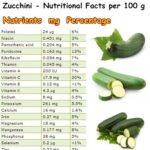
A single cup of chopped zucchini (approximately 124 grams) contains:
- Calories: ~17
- Carbohydrates: ~3.5 grams (with about 1.1 grams of fiber)
- Protein: ~1.4 grams
- Fat: ~0.3 grams
Beyond these macros, zucchini is an excellent source of several key micronutrients:
- Vitamin C: A powerful antioxidant essential for immune function, skin health, and collagen production. Zucchini provides a substantial portion of the daily recommended intake.
- Vitamin A: Primarily in the form of carotenoids (like lutein and zeaxanthin), which are crucial for eye health, vision, and immune support. The skin, especially of darker green varieties, is particularly rich in these compounds.
- Potassium: An essential electrolyte vital for maintaining fluid balance, nerve signals, and muscle contractions, including those of the heart.
- Folate (Vitamin B9): Important for cell growth and function, DNA synthesis, and preventing certain birth defects.
- Manganese: A trace mineral involved in bone health, metabolism, and antioxidant defense.
- Other B Vitamins: Including B6, riboflavin, and thiamine, which play roles in energy metabolism.
- Antioxidants: In addition to Vitamins C and A, zucchini contains other potent antioxidants like polyphenols (e.g., coumaric acid, caffeic acid, ferulic acid) and flavonoids, which help combat oxidative stress, reduce inflammation, and may lower the risk of chronic diseases. These compounds are particularly concentrated in the skin.
The combination of high water content and fiber makes zucchini incredibly hydrating and beneficial for digestive health, promoting regularity and contributing to a feeling of fullness, which can be advantageous for weight management. Its low glycemic index also makes it a friendly option for those monitoring blood sugar levels. So, far from being just "water," zucchini is a veritable nutritional treasure trove, silently bolstering your health with every delicious bite.
The Culinary Chameleon: Unlocking Zucchini’s Potential
Here lies the true heart of zucchini’s appeal and the primary argument for its permanent place on your plate: its unparalleled culinary versatility. Its mild flavor, which some might mistakenly call bland, is precisely its superpower. It acts as a blank slate, readily absorbing and complementing the flavors of its companion ingredients, adapting seamlessly to an astonishing array of cooking methods and global cuisines.
1. Raw Elegance: The Uncooked Canvas
Zucchini’s tender flesh and delicate flavor make it surprisingly delightful in its raw state.
- Carpaccio: Thinly shaved ribbons or rounds of zucchini, perhaps with a mandoline, can be arranged on a plate and dressed simply with good olive oil, lemon juice, a sprinkle of sea salt, black pepper, and shavings of Parmesan or Pecorino. This preparation highlights its subtle sweetness and crisp texture.
- Salads: Cubed or spiralized zucchini adds a refreshing crunch and body to summer salads. It pairs beautifully with tomatoes, corn, feta, mint, and a light vinaigrette.
- Dips and Spreads: Grated raw zucchini can be incorporated into fresh salsas or even blended into a lighter, brighter version of tzatziki or raita, offering a cooling counterpoint to spicier dishes.
2. Sautéed & Stir-fried: Quick and Classic
Perhaps the most common preparation, and for good reason. Sautéing brings out zucchini’s natural sweetness and a hint of nuttiness, while retaining a pleasant bite.
- Simple Sauté: A hot pan, a splash of olive oil, garlic, and sliced zucchini transform in minutes into a vibrant side dish. A pinch of red pepper flakes adds a welcome warmth.
- Stir-fries: Zucchini’s ability to absorb flavors makes it a natural fit for Asian-inspired stir-fries. It holds its shape well when cooked quickly over high heat, adding texture and nutrients alongside other vegetables and proteins.
3. Roasting & Grilling: Flavor Concentration
These methods are transformative, as the dry heat caramelizes zucchini’s natural sugars, intensifying its flavor and creating a more substantial texture.
- Roasted Zucchini: Tossed with olive oil, salt, pepper, and herbs (rosemary, thyme, oregano), zucchini spears or rounds roast beautifully until tender and slightly browned at the edges. The edges develop a delicious crispness, while the interior softens to a buttery consistency.
- Grilled Zucchini: Sliced lengthwise into planks, brushed with oil, and grilled until char marks appear, zucchini gains a smoky depth and a wonderfully tender yet firm texture. It’s a quintessential summer barbecue side.
4. Frying & Fritters: Indulgent Crisps
For those moments of indulgence, zucchini can be gloriously fried.
- Zucchini Fritters: Grated zucchini, mixed with flour, egg, cheese, and herbs, then pan-fried, yields crispy, savory patties that are irresistible. They’re a fantastic way to use up a surplus and can be served as an appetizer or a light meal.
- Fried Zucchini: Sliced into rounds or sticks, breaded, and deep-fried, this classic offers a satisfying crunch and a tender interior. A staple in many Mediterranean cuisines.
- Tempura: For a lighter, delicate crisp, zucchini can be thinly sliced and dipped in tempura batter, then quickly fried.
5. Baking & Sweet Treats: The Secret Ingredient
This is where zucchini truly defies expectations. Its moisture content and mild flavor make it an invaluable addition to baked goods, often unbeknownst to the consumer.
- Zucchini Bread/Muffins: The most famous application, where grated zucchini adds incredible moisture and tenderness without imparting a distinct "vegetable" flavor. It’s the secret to a perfectly moist crumb.
- Cakes & Brownies: Similarly, zucchini can be incorporated into chocolate cakes and brownies, enhancing their richness and texture while subtly boosting their nutritional profile.
- Savory Bakes: Zucchini also shines in savory bakes like quiches, frittatas, gratins, and savory muffins, adding bulk, moisture, and a fresh taste.
6. Soups & Stews: Body and Texture
Zucchini’s ability to soften and melt into dishes makes it excellent for adding body and nutrients to soups and stews.
- Creamy Zucchini Soup: Blended with vegetable broth, perhaps a touch of cream or coconut milk, and aromatic vegetables, zucchini creates a velvety, comforting soup.
- Minestrone/Vegetable Stews: Cubed zucchini holds its shape well enough in longer-cooking stews, absorbing the flavors of the broth and other ingredients while contributing to the overall texture.
7. Pasta & Noodles: The Low-Carb Revolution and Beyond
Zucchini has become a darling of the low-carb movement, but its applications with pasta go beyond just "zoodles."
- Zoodles (Zucchini Noodles): Spiralized zucchini offers a gluten-free, low-carb alternative to traditional pasta, excellent with pesto, marinara, or light cream sauces. When cooked briefly, they retain a pleasant al dente bite.
- Lasagna: Thinly sliced zucchini planks can replace pasta sheets in lasagna, creating a lighter, vegetable-forward dish that is equally satisfying.
- Pasta Sauces: Grated or finely diced zucchini can be incorporated into pasta sauces, adding volume, nutrients, and a subtle sweetness that balances richer flavors.
8. Stuffing & Filling: Vessels of Flavor
Its boat-like shape and pliable flesh make zucchini an ideal candidate for stuffing.
- Zucchini Boats: Halved zucchini, scooped out and filled with a mixture of ground meat, rice, vegetables, herbs, and cheese, then baked, makes for a hearty and complete meal.
- Stuffed Zucchini Flowers: The delicate blossoms can be filled with soft cheese (like ricotta), herbs, and sometimes anchovies, then gently fried or baked. This is a true delicacy, especially in Italian cuisine.
9. Global Gastronomy: A World of Flavors
Zucchini’s adaptability transcends cultural boundaries, appearing in countless international dishes.
- Mediterranean: From Greek moussaka to Turkish mücver (fritters) and countless Italian preparations, zucchini is a cornerstone of Mediterranean cuisine.
- Middle Eastern: Often found in stews, stuffed dishes (kousa mahshi), and pickled preparations.
- Asian: Frequently used in stir-fries, curries, and Korean banchan (side dishes).
- Latin American: Incorporated into vegetable stews, scrambled eggs, and sometimes even used in empanada fillings.
10. Beyond the Fruit: Leaves and Flowers
A truly knowledgeable cook knows that the plant offers more than just the mature fruit.
- Zucchini Flowers: As mentioned, male flowers are particularly prized. They can be stuffed, fried in a light batter, or simply added to salads for a burst of color and a delicate, subtly sweet flavor.
- Zucchini Leaves: While less common, young, tender zucchini leaves can be cooked like other greens, offering a slightly bitter, earthy flavor. They can be sautéed, added to soups, or used in wraps.
A World of Zucchini: Exploring Varietals
While the standard green, cylindrical zucchini is ubiquitous, a knowledgeable audience understands that the world of zucchini is far richer. Exploring different varietals can unlock new textures, subtle flavor nuances, and visual appeal.
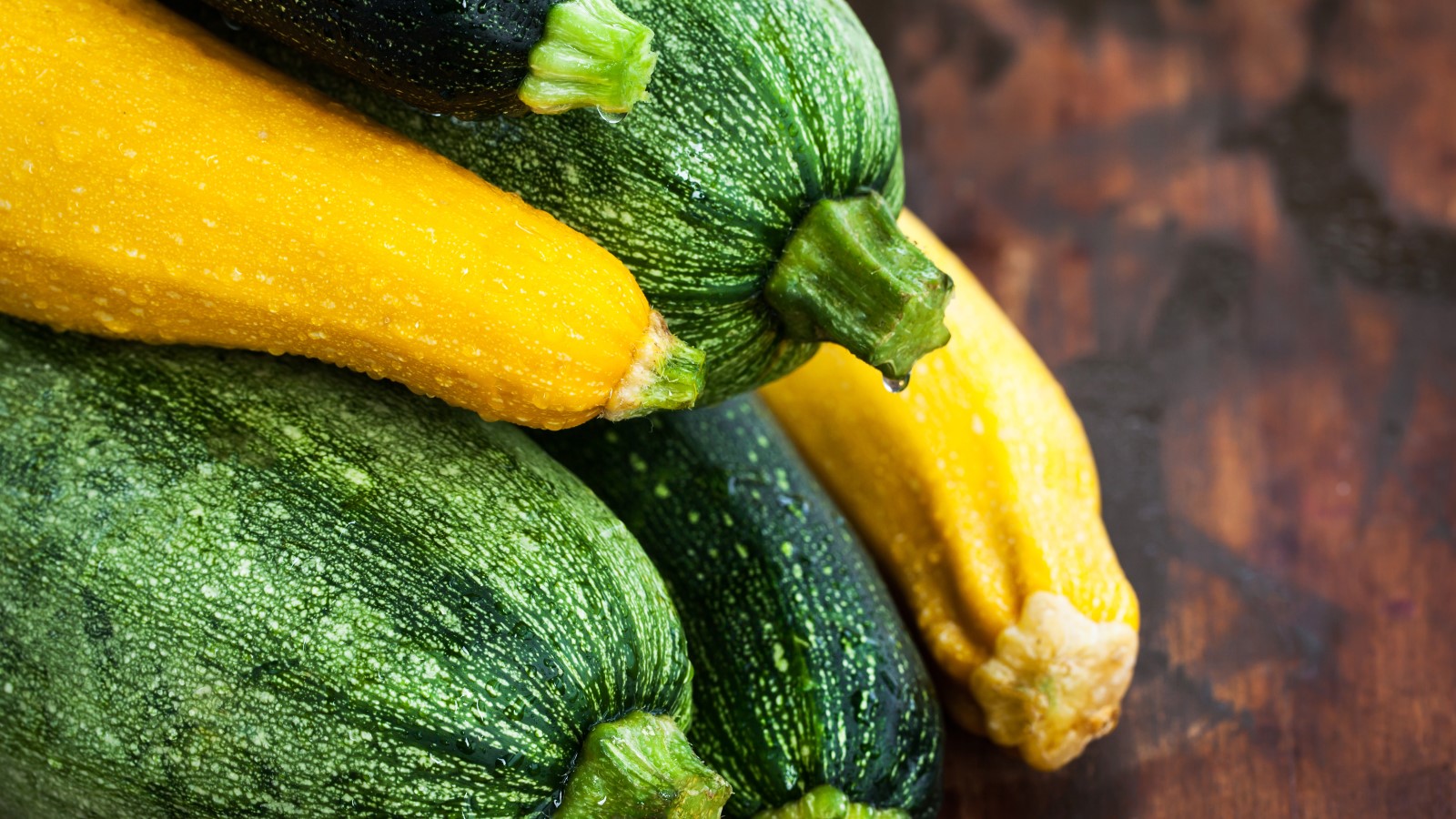
- Green Zucchini: The classic. Varieties like ‘Black Beauty’ or ‘Nimba’ are standard, offering firm flesh and a mild taste.
- Yellow Zucchini: Varieties like ‘Gold Rush’ or ‘Gourmet Gold’ are visually striking, with bright yellow skin. Their flavor is often slightly sweeter and nuttier than green varieties, and they tend to have a more tender skin.
- Round Zucchini: Such as ‘Eight Ball’ or ‘Tondo di Nizza’. These are perfect for stuffing, offering a natural cup-like shape. Their flesh is typically very tender.
- Striped Zucchini: Varieties like ‘Costata Romanesco’ are heirlooms prized for their ribbed exterior, firm flesh, and superior flavor. They have a distinct, slightly nutty taste and are excellent grilled or roasted.
- Pattypan Squash: While technically a different species (Cucurbita pepo but often categorized separately due to shape), these scalloped, disk-shaped squashes (white, yellow, or green) are summer squashes with a similar tender texture and mild flavor profile, making them interchangeable with zucchini in many recipes.
- Crookneck Squash: Another Cucurbita pepo relative, known for its distinctive curved neck and often bumpy, yellow skin. Its flavor is similar to zucchini, perhaps slightly more buttery.
Experimenting with these different types can add depth and excitement to your zucchini preparations, demonstrating a deeper appreciation for the plant’s diversity.
From Garden to Plate: Selection, Storage, and Preparation
Even the most versatile ingredient benefits from proper handling.
- Selection: Look for zucchini that are firm, heavy for their size, and free from blemishes, cuts, or soft spots. The skin should be shiny and vibrant. Smaller to medium-sized zucchini (6-8 inches) are generally preferred for their more delicate flavor and fewer, smaller seeds. Larger specimens tend to be more watery, fibrous, and can develop a bitter taste, though they are still perfectly usable for baked goods or shredded preparations.
- Storage: Zucchini is best stored unwashed in the crisper drawer of your refrigerator. It typically lasts for about 4-7 days. Avoid storing it with fruits that emit ethylene gas (like apples and bananas), as this can accelerate spoilage.
- Preparation: A simple rinse under cool water is usually sufficient. There’s no need to peel zucchini, as the skin contains many of its beneficial nutrients and adds texture. Trim off the stem and blossom ends. For most recipes, uniform cuts (slices, cubes, planks) will ensure even cooking. If a recipe calls for shredded zucchini and you’re worried about excess moisture, a quick squeeze in a clean kitchen towel can remove some of the water, especially important for fritters or baked goods.
The Glorious Glut: Embracing Abundance
The "zucchini problem" – the annual deluge from enthusiastic garden plants – is legendary. But for the knowledgeable cook, this abundance is not a burden but an opportunity, an invitation to creative exploration and thoughtful preservation.
- Freezing: Zucchini freezes exceptionally well. For use in cooked dishes, soups, or baked goods, simply grate or dice it, blanch briefly in boiling water, plunge into an ice bath, drain thoroughly, and freeze in airtight bags or containers. Alternatively, you can freeze blanched zucchini slices or planks for grilling or roasting later.
- Pickling: Quick pickles or fermented zucchini pickles offer a tangy, refreshing way to preserve the harvest. They make excellent additions to sandwiches, salads, or as a vibrant side dish.
- Canning: While less common for fresh zucchini, it can be canned as part of mixed vegetable relishes or savory zucchini "chutneys."
- Dehydrating: Thinly sliced zucchini can be dehydrated into crispy chips or pliable strips that can be rehydrated for soups and stews.
- Community Sharing: Embrace the spirit of the season! Share your bounty with neighbors, friends, and local food banks. It’s a delightful way to foster community and ensure no zucchini goes to waste.
The zucchini glut, therefore, becomes a seasonal ritual, a challenge that sharpens culinary skills and encourages resourcefulness, reinforcing its permanent place in the summer kitchen and beyond.
Zucchini’s Enduring Legacy: Culture and Connection
Beyond its nutritional and culinary attributes, zucchini holds a subtle but significant place in our cultural fabric. It is a symbol of summer’s generosity, of the simple pleasures of home gardening, and of the enduring tradition of sharing food. The sight of the first zucchini blossom often signals the true start of the warm season, and the subsequent harvest fuels countless family meals, potlucks, and community gatherings.
From the farmer’s market stalls overflowing with green and yellow varieties to the humble backyard patch yielding its prolific fruit, zucchini connects us to the earth, to the rhythm of the seasons, and to each other. It embodies resilience, adaptability, and an unassuming charm that, once truly understood, becomes deeply cherished.
Conclusion: A Permanent Place
So, the next time you encounter a zucchini, whether it’s a petite, perfect specimen at the market or a monstrous gift from a neighbor’s garden, pause before you reach for the familiar grater. Remember its ancient lineage, its journey across continents, its quiet botanical marvel. Reflect on its nutritional generosity, its silent contribution to your well-being. Most importantly, consider its boundless culinary potential – a blank canvas awaiting your creative touch, a chameleon ready to transform into whatever your palate desires.
From elegant raw carpaccios to hearty baked gratins, from delicate fried blossoms to comforting loaves of bread, zucchini proves time and again that its mildness is not a weakness, but an extraordinary strength. It is an ingredient that demands a second look, a deeper appreciation, and a permanent, well-deserved spot on your plate, enriching your culinary repertoire and connecting you more deeply to the vibrant tapestry of seasonal food. Embrace the zucchini; let it tell its story through your cooking, and you will discover a summer squash that is anything but ordinary.