
In the vibrant tapestry of the culinary world, where exotic superfoods often steal the spotlight, the humble zucchini sometimes finds itself relegated to the background, dismissed by many as little more than a watery filler. Its mild flavor, yielding texture, and prolific growth in summer gardens often lead to the colloquial lament: "What do I do with all this zucchini?" This perception, however, is a profound disservice to a vegetable that quietly boasts an impressive and multifaceted nutritional profile, making it a true powerhouse disguised in a modest green or yellow rind.
To truly appreciate zucchini, we must peel back the layers of misconception and embark on a deep dive, transforming our understanding from a mere glance at its water content to a comprehensive exploration of the vitamins, minerals, fiber, and potent phytochemicals it brings to our plates. This isn’t just a list of nutrients; it’s the story of a resilient plant, a culinary chameleon, and an unsung hero of holistic health.
The Genesis of a Green Giant: From Ancient Roots to Modern Tables
Our story begins not in an Italian kitchen, as many might assume, but in the ancient Americas. Zucchini, a member of the Cucurbitaceae family, specifically a cultivar of Cucurbita pepo, traces its lineage back thousands of years to Mesoamerica, where various squash varieties were cultivated for their seeds and flesh. The zucchini we recognize today, with its slender, elongated form, is a relatively recent development, a product of Italian breeding in the 19th century. Its name, "zucchino," is the diminutive form of zucca, the Italian word for squash or pumpkin, affectionately meaning "little squash."
From Italy, it spread across Europe and eventually found its way to North America, gaining popularity in the latter half of the 20th century. Its adaptability to various climates and its generous yield cemented its place in gardens and kitchens worldwide. But beyond its ease of cultivation and culinary versatility – from spiralized "zoodles" to grilled slices, baked into bread, or sautéed in stir-fries – lies a richness that belies its unassuming exterior. It’s time to move past the superficial and delve into the very essence of what makes zucchini a nutritional gem.
Deconstructing the "Water" Myth: Macronutrients as Foundation
The most common descriptor for zucchini is "watery." And while it’s true that zucchini is composed of approximately 95% water, this isn’t a nutritional flaw; it’s a profound benefit and a fundamental aspect of its health-promoting properties.
1. Water: The Elixir of Life (95% and Proud)
Far from being an empty filler, zucchini’s high water content plays a crucial role in hydration, a cornerstone of overall health. Adequate hydration is essential for virtually every bodily function: nutrient transport, temperature regulation, joint lubrication, organ function, and the flushing of waste products. For those seeking to manage their weight, the high water content contributes significantly to satiety, helping you feel full with fewer calories. This makes zucchini an excellent choice for adding bulk and moisture to meals without adding excessive caloric density, a strategy vital for sustainable weight management.
2. Carbohydrates: The Smart, Fiber-Rich Kind
While zucchini is low in total carbohydrates compared to starchy vegetables, the carbohydrates it does contain are predominantly beneficial. A single cup of raw zucchini contains around 3.5 grams of carbohydrates, a significant portion of which is dietary fiber. This low net carb count (total carbs minus fiber) makes it a favored vegetable for those following ketogenic or low-carb diets.
- Dietary Fiber: This is where zucchini truly shines within its carbohydrate profile. Zucchini provides both soluble and insoluble fiber, each contributing uniquely to health:
- Insoluble Fiber: Often referred to as "roughage," insoluble fiber does not dissolve in water. It acts as a bulking agent, adding mass to stool and promoting regular bowel movements. This helps prevent constipation, reduces the risk of diverticular disease, and supports a healthy colon. By facilitating the swift passage of waste through the digestive tract, it also helps eliminate toxins and prevents their prolonged exposure to the intestinal lining.
- Soluble Fiber: This type of fiber dissolves in water to form a gel-like substance. Soluble fiber is a prebiotic, meaning it feeds the beneficial bacteria in your gut microbiome. A thriving gut microbiome is linked to improved digestion, enhanced immune function, better mood regulation, and even protection against chronic diseases. Furthermore, soluble fiber helps regulate blood sugar levels by slowing down the absorption of glucose, which is particularly beneficial for individuals managing diabetes or seeking stable energy levels. It also plays a role in cholesterol management by binding to dietary cholesterol in the gut, preventing its absorption and aiding in its excretion.
3. Protein: A Modest but Meaningful Contribution
Zucchini is not a primary source of protein, with about 1.4 grams per cup. However, for those on plant-based diets or simply looking to incrementally increase their protein intake, these small contributions add up. Plant proteins, even in small amounts, provide essential amino acids that are vital for tissue repair, enzyme production, and overall cellular function. When combined with other plant-based protein sources throughout the day, zucchini contributes to a diverse and complete amino acid profile.
4. Fats: Practically Non-Existent
With negligible amounts of fat, zucchini reinforces its status as a low-calorie, nutrient-dense food. This makes it an ideal ingredient for creating light, healthy meals, and a perfect canvas for incorporating healthy fats from other sources like olive oil, avocado, or nuts, which complement its flavor and aid in the absorption of fat-soluble vitamins.
The Hidden Gems: Micronutrients – A Treasure Chest Revealed
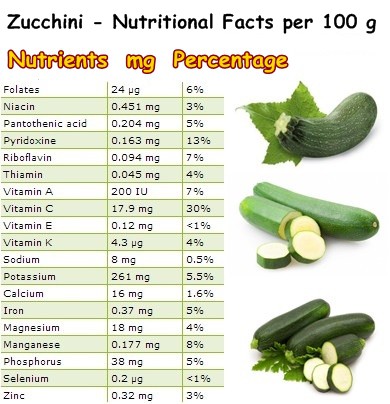
Beyond its macronutrient foundation, zucchini is a veritable treasure trove of vitamins and minerals, each playing a critical role in the intricate machinery of the human body.
1. Vitamins: The Catalysts of Health
-
Vitamin C (Ascorbic Acid): Zucchini is a good source of Vitamin C, a potent water-soluble antioxidant. Vitamin C is indispensable for a robust immune system, stimulating the production and function of white blood cells that fight off infections. It’s also vital for collagen synthesis, the primary structural protein in skin, bones, tendons, and blood vessels, contributing to wound healing and maintaining youthful skin elasticity. As an antioxidant, Vitamin C tirelessly battles free radicals, unstable molecules that can damage cells and contribute to chronic diseases like heart disease and cancer. Furthermore, it enhances the absorption of non-heme iron (iron from plant sources), making zucchini a great companion to iron-rich legumes or greens.
-
Vitamin A (Pro-vitamin A Carotenoids): While not providing preformed Vitamin A, zucchini, especially the yellow varieties and the skin of green zucchini, is rich in carotenoids like lutein and zeaxanthin, which are precursors to Vitamin A. These specific carotenoids are renowned for their role in eye health. They accumulate in the retina and macula, acting as natural filters against harmful blue light and protecting against age-related macular degeneration (AMD) and cataracts. Beyond eye health, these carotenoids contribute to overall antioxidant defense and support healthy skin and immune function.
-
Vitamin K (Phylloquinone): This often-overlooked fat-soluble vitamin is present in zucchini and is crucial for several physiological processes. Its most well-known function is in blood clotting, where it’s essential for the synthesis of several proteins involved in coagulation. Less commonly recognized but equally vital is its role in bone health. Vitamin K helps regulate calcium metabolism and supports the proper mineralization of bones, potentially reducing the risk of osteoporosis.
-
B Vitamins (Folate, B6, Riboflavin, Thiamine): Zucchini contributes a spectrum of B vitamins, each vital for energy metabolism and neurological function:
- Folate (Vitamin B9): Crucial for DNA synthesis and repair, cell division, and red blood cell formation. It’s particularly important during periods of rapid cell growth, such as pregnancy, to prevent neural tube defects in infants. Folate also plays a role in regulating homocysteine levels, an amino acid linked to cardiovascular disease risk.
- Vitamin B6 (Pyridoxine): Involved in over 100 enzyme reactions, Vitamin B6 is essential for protein, fat, and carbohydrate metabolism. It also plays a key role in neurotransmitter synthesis (like serotonin and dopamine), influencing mood and cognitive function, and supports immune health.
- Riboflavin (Vitamin B2) and Thiamine (Vitamin B1): These B vitamins are critical for converting food into energy, supporting cellular growth and function. Riboflavin also acts as an antioxidant.
2. Minerals: The Body’s Essential Builders
-
Potassium: Zucchini is a good source of potassium, an essential electrolyte. Potassium is critical for maintaining fluid balance, nerve signal transmission, and muscle contractions, including the crucial contraction of the heart. It plays a significant role in blood pressure regulation by counteracting the effects of sodium, helping to relax blood vessel walls and reduce the risk of hypertension and cardiovascular disease.
-
Manganese: While a trace mineral, manganese is a vital cofactor for many enzymes involved in carbohydrate, amino acid, and cholesterol metabolism. It’s also essential for bone formation, reproductive function, and helps protect cells from oxidative damage as a component of the antioxidant enzyme superoxide dismutase.
-
Magnesium: This ubiquitous mineral is involved in over 300 biochemical reactions in the body. Zucchini contributes to magnesium intake, which is essential for muscle and nerve function, blood glucose control, and blood pressure regulation. It also plays a crucial role in bone health, protein synthesis, and energy production. Many individuals are deficient in magnesium, making its presence in vegetables like zucchini even more valuable.
-
Phosphorus: Another mineral found in zucchini, phosphorus, is a major component of bones and teeth. It’s also vital for energy metabolism, forming ATP (adenosine triphosphate), the body’s primary energy currency, and plays a role in cell signaling and maintaining acid-base balance.
-
Trace Minerals (Iron, Zinc, Copper): Zucchini also contains smaller, yet still important, amounts of iron (essential for oxygen transport), zinc (critical for immune function, wound healing, and DNA synthesis), and copper (involved in iron metabolism, energy production, and nerve function).
Beyond the Standard: Phytochemicals and Bioactive Compounds – The "Secret Sauce"
For the knowledgeable audience, the true depth of zucchini’s nutritional story lies in its array of phytochemicals – non-nutrient plant compounds that possess powerful health-promoting properties, often acting as antioxidants, anti-inflammatories, and even possessing anti-cancer potential.
-
Flavonoids: Zucchini contains various flavonoids, including quercetin and kaempferol. These polyphenolic compounds are renowned for their potent antioxidant and anti-inflammatory effects. They help scavenge free radicals, reduce oxidative stress, and modulate inflammatory pathways, potentially offering protection against chronic diseases such as heart disease, neurodegenerative disorders, and certain cancers. Quercetin, in particular, has been studied for its antihistamine and antiviral properties.
-
Phenolic Acids: Compounds like caffeic acid are also present in zucchini. These phenolic acids are another class of antioxidants that contribute to the vegetable’s protective effects, further bolstering its capacity to neutralize free radicals and mitigate cellular damage.
-
Carotenoids (Revisited): While discussed under Vitamin A, it’s worth re-emphasizing the direct antioxidant role of lutein and zeaxanthin. Beyond their eye health benefits, these carotenoids act as general antioxidants throughout the body, helping to protect cells from damage and reduce inflammation. Yellow zucchini varieties tend to be higher in these compounds.
-
Cucurbitacins: This class of compounds is responsible for the occasional bitterness found in some cucurbits. While high concentrations are undesirable (and can be toxic in wild gourds), cultivated zucchini typically has very low levels. Interestingly, research is exploring the potential medicinal properties of cucurbitacins, including their anti-inflammatory and anti-cancer activities, particularly in laboratory settings. However, these are not the primary reason for consuming zucchini.
-
Polysaccharides: Certain polysaccharides found in zucchini have been shown to possess immune-modulating properties, contributing to the body’s natural defense mechanisms.
The Symphony of Health Benefits: Bringing It All Together
The impressive array of nutrients and bioactive compounds in zucchini orchestrates a wide range of health benefits, making it far more than just a culinary add-on.
-
Digestive Health Champion: The combination of high water content and both soluble and insoluble fiber makes zucchini a superstar for the digestive system. It prevents constipation, promotes regular bowel movements, supports a healthy gut microbiome, and can soothe the digestive tract.
-
Cardiovascular Guardian: Zucchini’s potassium content is crucial for blood pressure regulation, while its fiber helps lower LDL ("bad") cholesterol. Antioxidants like Vitamin C and various phytochemicals reduce oxidative stress and inflammation, all contributing to a healthier heart and reduced risk of cardiovascular disease.
-
Blood Sugar Stabilizer: With its low glycemic index and significant fiber content, zucchini helps slow down sugar absorption, preventing sharp spikes in blood glucose levels. This makes it an excellent food for individuals with diabetes or those looking to maintain stable energy levels and prevent insulin resistance.
-
Weight Management Ally: Its high water and fiber content, coupled with a very low-calorie density, makes zucchini incredibly filling without contributing many calories. Incorporating zucchini into meals can help reduce overall calorie intake, promote satiety, and support sustainable weight loss or maintenance.
-
Vision Protector: The rich concentration of lutein and zeaxanthin acts as an internal sunglass for the eyes, filtering harmful light and protecting against age-related macular degeneration and cataracts, preserving vision as we age.
-
Immune System Booster: Vitamin C and other antioxidants fortify the immune system, enhancing the body’s ability to fight off infections and illnesses.
-
Anti-inflammatory Powerhouse: The diverse array of antioxidants and anti-inflammatory phytochemicals in zucchini helps combat chronic inflammation, a root cause of many modern diseases.
-
Bone Health Enhancer: Vitamin K, magnesium, and manganese all play critical roles in bone metabolism and density, contributing to stronger bones and potentially reducing the risk of osteoporosis.
-
Skin Health & Anti-Aging: Vitamin C is essential for collagen production, promoting skin elasticity and wound healing. The antioxidants protect skin cells from environmental damage, contributing to a healthy, radiant complexion. Its high water content also aids in skin hydration.
-
Potential Anti-Cancer Properties: While more research is always ongoing, the robust antioxidant and anti-inflammatory profile, combined with certain cucurbitacins, suggests that zucchini may play a role in reducing the risk of certain cancers by inhibiting cell proliferation and inducing apoptosis (programmed cell death) in cancer cells.
Culinary Applications and Maximizing Nutritional Value
The beauty of zucchini lies not just in its nutritional density but also in its incredible versatility. To fully leverage its health benefits, consider these tips:
- Eat the Skin: The skin of zucchini is where a significant portion of its fiber, antioxidants (especially carotenoids), and other phytochemicals reside. Always wash thoroughly and leave the skin on when possible.
- Lightly Cooked is Best: While raw zucchini is excellent in salads, light cooking methods like steaming, grilling, or sautéing can make some nutrients more bioavailable, particularly the carotenoids, by breaking down cell walls. However, overcooking can degrade water-soluble vitamins like Vitamin C, so aim for tender-crisp.
- Spiralize It: "Zoodles" (zucchini noodles) are a fantastic low-carb, gluten-free alternative to pasta, allowing you to incorporate more zucchini into your diet easily.
- Add to Everything: Shred it into baked goods, omelets, and fritters. Slice it into stir-fries, soups, stews, and casseroles. Grill or roast it as a side dish. Its mild flavor allows it to blend seamlessly.
- Pair with Healthy Fats: As many of zucchini’s beneficial compounds (like Vitamin A carotenoids and Vitamin K) are fat-soluble, pairing it with a healthy fat like olive oil or avocado can enhance their absorption.
Addressing Common Misconceptions
- The "Bitter Zucchini" Phenomenon: Occasionally, zucchini can taste unusually bitter. This is due to higher-than-normal levels of cucurbitacins, which can be caused by stress to the plant (e.g., drought, temperature fluctuations, nutrient deficiencies) or cross-pollination with wild gourds. While mild bitterness is harmless, intensely bitter zucchini should be avoided as high levels of cucurbitacins can cause digestive upset.
- Organic vs. Conventional: While zucchini generally has a thinner skin, it’s not typically on the "Dirty Dozen" list of produce with the highest pesticide residues. However, choosing organic can further reduce exposure to pesticides and support sustainable farming practices.
The Grand Finale: An Unsung Hero Takes Center Stage
In conclusion, to dismiss zucchini as "just water" is to miss the profound narrative of a vegetable that offers so much more. From its humble origins to its culinary adaptability, zucchini quietly delivers a powerhouse of hydration, dietary fiber, essential vitamins (C, A, K, B vitamins), critical minerals (potassium, magnesium, manganese), and a rich spectrum of bioactive phytochemicals.
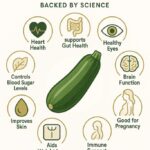
This unassuming green or yellow squash is a formidable ally for digestive health, cardiovascular well-being, blood sugar management, weight control, vision protection, and immune support. It’s an anti-inflammatory, antioxidant champion, contributing to bone health and skin vitality, and potentially offering protective benefits against chronic diseases.
So, the next time you encounter zucchini, whether in your garden, at the market, or on your plate, remember the depth of its nutritional story. It’s not just a filler; it’s a foundation. It’s not just water; it’s a wellspring of health. Embrace the humble zucchini, for it is truly one of nature’s most underestimated and valuable gifts.