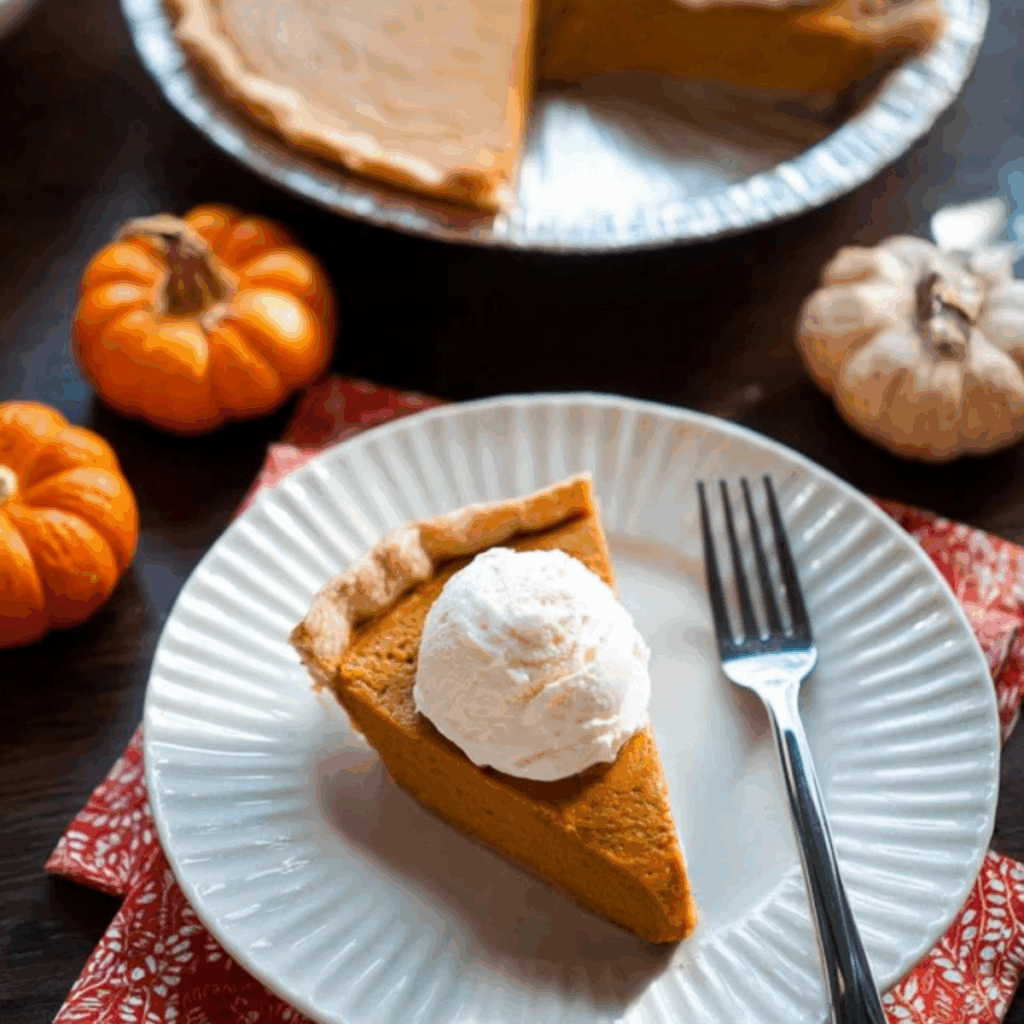

The crisp whisper of autumn leaves, the comforting glow of a hearth, and the undeniable aroma of cinnamon and nutmeg – for many, these sensory cues culminate in one quintessential image: the pumpkin pie. A beloved emblem of the harvest season, pumpkin has, for generations, been largely confined to its role as a sugary, spiced dessert, making its grand appearance only to retreat once the holiday feasts conclude. This culinary pigeonholing, however, does a profound disservice to one of nature’s most versatile, nutrient-dense, and deeply flavorful superfoods.
Imagine a world where pumpkin is not merely a seasonal indulgence but a year-round ally in your pursuit of vibrant health. A world where its earthy sweetness and creamy texture elevate everything from your morning smoothie to your savory dinner, all while silently delivering a powerful punch of vitamins, minerals, and antioxidants. This article is an invitation to embark on a culinary journey, to look "Beyond the Pie" and discover the immense, untapped potential of pumpkin as a daily dietary staple. For the knowledgeable palate and the health-conscious mind, it’s time to reclaim pumpkin from its festive confines and integrate it into a life of sustained wellness, one delicious, nutrient-packed bite at a time.
The Unsung Hero: A Nutritional Powerhouse Unveiled
Before we delve into its myriad culinary applications, it’s imperative to understand why pumpkin deserves such a prominent place on our plates. Beyond its pleasing color and comforting flavor, pumpkin is a nutritional titan, offering a spectrum of health benefits that belie its humble appearance.
At the forefront of pumpkin’s nutritional profile is its extraordinary concentration of Vitamin A, primarily in the form of beta-carotene. This vibrant orange pigment, responsible for pumpkin’s signature hue, is a potent antioxidant and a precursor to Vitamin A in the body. Beta-carotene plays a crucial role in maintaining healthy vision, particularly in low light, and supports robust immune function, helping to ward off infections. Its antioxidant properties are equally vital, combating free radicals that contribute to cellular damage and chronic diseases like heart disease and certain cancers. A single cup of cooked pumpkin can provide well over 200% of the recommended daily intake of Vitamin A, making it an exceptional source.
But the benefits extend far beyond beta-carotene. Pumpkin is also a good source of Vitamin C, another powerful antioxidant that supports immune health, aids in collagen production for healthy skin, and enhances iron absorption. It’s rich in potassium, an essential electrolyte critical for maintaining fluid balance, nerve signals, and muscle contractions, and crucial for blood pressure regulation. Adequate potassium intake is linked to a reduced risk of stroke and heart disease.
Furthermore, pumpkin boasts an impressive fiber content. Both soluble and insoluble fiber contribute to digestive health. Soluble fiber helps regulate blood sugar levels and can lower LDL ("bad") cholesterol, while insoluble fiber adds bulk to stool, promoting regularity and preventing constipation. This combination fosters a healthy gut microbiome, which is increasingly recognized as central to overall well-being, influencing everything from immunity to mood.
Beyond these macronutrients, pumpkin provides an array of essential micronutrients including Vitamin E (another antioxidant), several B vitamins (folate, B6), and minerals such as iron (for oxygen transport), magnesium (involved in over 300 enzymatic reactions), and zinc (vital for immune function and wound healing). All of this comes in a remarkably low-calorie package, making pumpkin an ideal food for satiety and weight management.
Crucially, these benefits are accessible whether you choose fresh pumpkin or 100% pure canned pumpkin puree. Canned pumpkin, often overlooked or misunderstood, retains nearly all of the nutritional value of its fresh counterpart, offering unparalleled convenience without sacrificing health benefits. When selecting canned pumpkin, always opt for "100% pure pumpkin" to avoid added sugars, spices, or fillers.
Understanding this robust nutritional foundation empowers us to appreciate pumpkin not just as an ingredient, but as a proactive step towards better health. Now, let’s explore five transformative ways to integrate this powerhouse into your daily regimen.
1. The Morning Ritual Reinvented: Pumpkin in Your Breakfast Bowl
The dawn of a new day presents a fresh opportunity to nourish our bodies and set a positive tone for the hours ahead. Too often, breakfast falls victim to rushed routines or unhealthy defaults. Integrating pumpkin into your morning ritual can revolutionize this experience, transforming a mundane meal into a vibrant, nutrient-dense start that fuels both body and mind.
Imagine stepping away from sugary cereals or plain toast and embracing a breakfast that offers sustained energy, gut-supporting fiber, and a burst of essential vitamins. Pumpkin, with its natural sweetness and creamy texture, is a culinary chameleon that seamlessly blends into a variety of breakfast preparations.
Oatmeal and Porridge Power-Up: This is perhaps the simplest and most comforting entry point. Stirring a generous dollop of pure pumpkin puree into your morning oatmeal or porridge instantly elevates its nutritional profile and flavor. Beyond the added fiber and Vitamin A, pumpkin provides a delightful creaminess that can reduce the need for excessive butter or sugar. Enhance this with a sprinkle of warming spices like cinnamon, nutmeg, ginger, and a pinch of cloves – not just for flavor, but for their own anti-inflammatory and antioxidant properties. Top with toasted pecans, chia seeds, or a drizzle of maple syrup for added texture and healthy fats. For a more adventurous twist, consider making overnight pumpkin oats, allowing the flavors to meld beautifully as they soak.
Smoothie Sensations: For those who prefer a liquid breakfast, pumpkin is an exceptional smoothie ingredient. Its mild flavor and thick consistency add body and richness without overpowering other components. Combine pumpkin puree with frozen banana (for natural sweetness and creaminess), a handful of spinach (undetectable flavor, added nutrients), a scoop of protein powder (for satiety and muscle repair), almond milk, and a dash of pumpkin pie spice. This concoction delivers a powerful blend of vitamins, minerals, protein, and fiber, making it a complete and satisfying meal that keeps you feeling full and energized until lunch. The beta-carotene in pumpkin provides a beautiful orange hue, making it as visually appealing as it is nutritious.
Yogurt Parfait Perfection: Layering is key to a delightful parfait, and pumpkin makes an excellent addition. Mix pumpkin puree with a spoonful of Greek yogurt (for protein) and a touch of cinnamon. Layer this creamy mixture with homemade granola (preferably low-sugar), fresh fruit like sliced apples or pears, and a sprinkle of pumpkin seeds for a delightful crunch. This creates a balanced breakfast that offers probiotics, fiber, protein, and a range of micronutrients, providing a sustained release of energy throughout the morning.
Pancakes and Waffles with a Purpose: Even traditional weekend treats can be healthified with pumpkin. Incorporate pumpkin puree directly into your pancake or waffle batter. This addition not only boosts nutrient content but also adds moisture and a subtle, earthy flavor, allowing you to potentially reduce the amount of added sugar or fat in the recipe. Serve with fresh berries and a light dusting of cinnamon rather than heavy syrups.
The beauty of integrating pumpkin into your morning routine lies in its versatility and the immediate nutritional upgrade it provides. It’s an effortless way to sneak in essential vitamins and fiber, ensuring your day begins on a foundation of robust health.
2. Savory Sensations: Pumpkin Takes Center Stage in Main Courses
While pumpkin’s association with sweetness is deeply ingrained, its true culinary prowess shines brightly in savory applications. Moving beyond the dessert table unlocks a world of sophisticated flavors and hearty, nutrient-rich meals. Pumpkin, with its earthy sweetness and ability to absorb other flavors, makes it a remarkable base or accompaniment for a wide array of main courses.
Soups and Chilis for Comfort and Nutrition: Creamy pumpkin soup is a classic for good reason. Roasting pumpkin cubes before pureeing them for soup deepens their flavor, creating a naturally sweet and nutty base. Blend with vegetable broth, a touch of coconut milk for richness, and aromatic spices like ginger, cumin, and coriander. Garnish with a swirl of plain yogurt or a sprinkle of toasted pumpkin seeds. Beyond traditional soups, pumpkin can be a fantastic addition to heartier chilis and stews. Adding cubed pumpkin to a lentil chili or a black bean stew introduces a creamy texture, an additional layer of flavor, and a significant boost of fiber and Vitamin A, transforming a simple meal into a nutritional powerhouse.
Roasts and Stews with Earthy Depth: Pumpkin’s firm texture holds up beautifully to slow cooking. Cubed pumpkin can be roasted alongside other root vegetables like carrots, potatoes, and sweet potatoes, seasoned with herbs like rosemary and sage, creating a vibrant and nutritious side dish or a vegetarian main. In stews, pumpkin slowly breaks down, thickening the broth and imparting its subtle sweetness, which beautifully complements savory meats or legumes. Consider a Moroccan-inspired lamb and pumpkin tagine or a hearty vegetable stew with chickpeas and pumpkin. The slow cooking process allows the nutrients to meld and deepen, creating profoundly satisfying meals.
Pasta Sauces Reinvented: Ditch the heavy cream-based sauces and embrace a lighter, more nutrient-rich alternative. A creamy pumpkin pasta sauce can be made by blending pumpkin puree with a little vegetable broth, nutritional yeast (for a cheesy flavor without dairy), and spices like sage and nutmeg. This creates a velvety sauce that clings beautifully to pasta, offering a wealth of vitamins and fiber while being significantly lower in fat and calories than traditional cream sauces. It’s an excellent way to introduce a unique flavor profile to a weeknight meal.
Curries and Stir-Fries with a Golden Hue: Pumpkin’s natural sweetness is a perfect counterpoint to the vibrant spices found in Asian and Indian cuisines. A pumpkin and chickpea curry, simmered in coconut milk with ginger, garlic, turmeric, and chili, is both comforting and exotic. The pumpkin adds a lovely creaminess and absorbs the complex flavors of the spices, making each bite a delightful experience. In stir-fries, adding firm cubes of pumpkin provides a sweet contrast to crisp vegetables and savory sauces, boosting the meal’s nutritional density.
Baked Dishes and Stuffed Creations: For a more elaborate presentation, consider stuffed pumpkins. Small individual pumpkins can be hollowed out and filled with a mixture of grains (like quinoa or wild rice), vegetables, herbs, and perhaps some lean protein, then baked until tender. This provides a visually stunning and nutritionally complete meal. Pumpkin also shines in savory bakes like lasagna, where thin slices or a pumpkin puree layer can replace or complement béchamel sauce, adding moisture, flavor, and a healthy dose of Vitamin A to a beloved comfort food.
The integration of pumpkin into main courses demonstrates its incredible adaptability. It adds bulk, nutrients, and a complex flavor profile that can enhance, rather than overpower, other ingredients, proving that healthy eating can be both delicious and deeply satisfying.
3. Snacking Smart: Pumpkin for Sustained Energy and Satisfaction
The gap between meals often presents a perilous landscape of unhealthy temptations. Mindless snacking on processed foods can derail even the best dietary intentions. However, by strategically incorporating pumpkin into your snack repertoire, you can transform these moments into opportunities for sustained energy, satiety, and a concentrated dose of nutrients. Healthy snacking is about bridging the hunger gap intelligently, and pumpkin is an ideal candidate for this role.
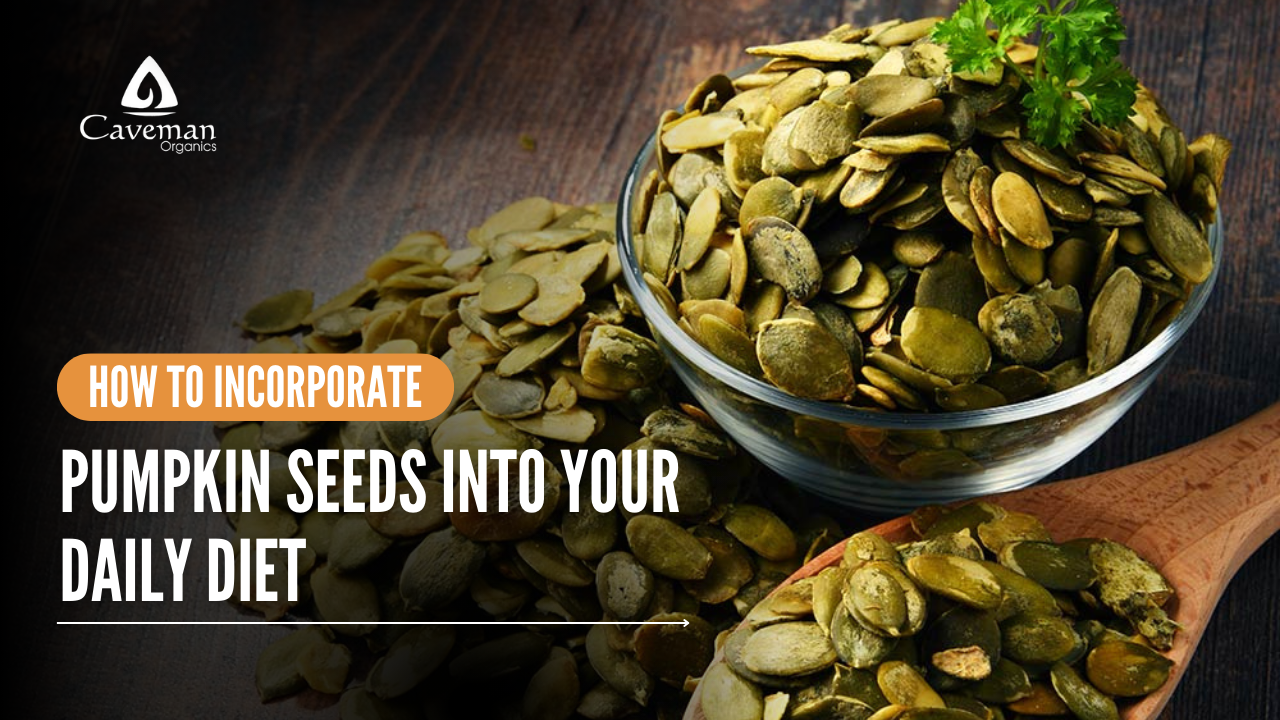
Roasted Pumpkin Seeds: Nature’s Nutritional Nugget: Often discarded, pumpkin seeds are a treasure trove of nutrition, and roasting them transforms them into an incredibly satisfying snack. They are packed with magnesium, essential for muscle and nerve function, blood glucose control, and blood pressure regulation. They also provide zinc (crucial for immunity), iron, healthy fats (omega-3s and omega-6s), and protein. After separating them from the pumpkin flesh, rinse thoroughly, pat dry, toss with a tiny bit of olive oil and your chosen seasonings (sea salt, smoked paprika, chili powder for savory; cinnamon and a touch of maple syrup for sweet), then roast at 300°F (150°C) until golden and crispy. This simple act turns a waste product into a powerhouse snack that provides a satisfying crunch and a wealth of micronutrients, keeping you full and focused.
Pumpkin Hummus: A Dip with a Difference: Traditional hummus is already a healthy snack, rich in protein and fiber from chickpeas. Adding pumpkin puree takes it to the next level. Blend cooked chickpeas, pumpkin puree, tahini, lemon juice, garlic, and a pinch of cumin until smooth. This creates a creamy, vibrant dip that is not only visually appealing but also significantly boosts the Vitamin A and fiber content. Serve with crunchy vegetable sticks (carrots, celery, bell peppers), whole-grain crackers, or use it as a spread in wraps and sandwiches. It’s a delicious and functional way to get your pumpkin fix.
Pumpkin Energy Bites/Bars: Fuel for the Hustle: For those on the go, homemade energy bites or bars are a lifesaver. Pumpkin puree acts as a binder and adds moisture and nutrients to these no-bake wonders. Combine pumpkin puree with rolled oats, nut butter (almond or peanut), chia seeds, flax seeds, a touch of maple syrup or dates for sweetness, and pumpkin pie spice. Roll into bite-sized balls or press into a pan and cut into bars. These snacks are rich in fiber, healthy fats, and protein, providing a slow-release energy source that prevents energy crashes and keeps hunger at bay. They are perfect for a pre-workout boost or an afternoon pick-me-up.
Simple Spiced Pumpkin Puree: Sometimes, the simplest snacks are the best. For a low-calorie, high-nutrient option, simply warm up a serving of pure pumpkin puree, stir in some cinnamon and a tiny dash of nutmeg, and enjoy. This snack is incredibly satisfying, particularly when a sweet craving hits, and offers a substantial amount of fiber and Vitamin A with minimal effort or added ingredients. It’s a testament to pumpkin’s inherent goodness.
By strategically integrating pumpkin into your snacking habits, you transform potentially unhealthy moments into opportunities for optimal nutrition. These pumpkin-centric snacks are designed to provide sustained energy, satisfying cravings, and delivering a concentrated dose of essential nutrients, helping you stay on track with your health goals throughout the day.
4. The Unexpected Guest: Elevating Everyday Staples with Pumpkin
True culinary genius often lies in the subtle art of integration – introducing an unexpected element that elevates the familiar to something extraordinary. Pumpkin, with its understated charm and nutritional heft, is the perfect "unexpected guest" to transform everyday staples. It’s about leveraging its unique properties to boost flavor, texture, and nutrient density without a complete overhaul of your usual repertoire.
Baking Beyond the Pie: While pumpkin pie holds its sacred place, pumpkin’s baking potential stretches far beyond it. Incorporating pumpkin puree into muffins, quick breads, scones, or even cookies can significantly enhance their nutritional value. Pumpkin adds moisture, allowing you to reduce the amount of added fats (like oil or butter) in recipes. Its natural sweetness can also help reduce the need for excessive sugar. Imagine a moist pumpkin-spiced muffin, rich in fiber and Vitamin A, making your morning coffee break a little healthier. Or a loaf of whole-wheat pumpkin bread that offers a satisfying and nutritious snack. These small substitutions make a big difference in the overall dietary impact of your baked goods.
Dressings and Dips with a Healthy Twist: Think outside the bowl for pumpkin integration. A pumpkin vinaigrette, made by blending pumpkin puree with olive oil, apple cider vinegar, a touch of maple syrup, Dijon mustard, and spices like sage or thyme, can transform a simple salad into a gourmet experience. This dressing adds a creamy texture and a wealth of nutrients without the unhealthy fats often found in store-bought options. Similarly, a creamy pumpkin dip, blended with Greek yogurt or a plant-based alternative, herbs, and a hint of garlic, makes an excellent accompaniment for vegetable platters or a spread for sandwiches and wraps, offering a savory and nutritious alternative to mayonnaise-based dips.
Sauces and Condiments: A Secret Ingredient: Pumpkin can subtly enhance the depth and nutritional value of various sauces and condiments. Stir a tablespoon or two of pumpkin puree into your favorite BBQ sauce to add a touch of sweetness, body, and a hidden boost of Vitamin A. Integrate it into marinades for chicken or tofu to tenderize and impart a unique flavor profile. Even a simple tomato sauce for pasta can benefit from a swirl of pumpkin, adding richness and a subtle earthiness that complements the tomatoes beautifully. The beauty here is in the stealth – the pumpkin blends in, doing its good work without overtly announcing its presence.
Grains and Sides: A Splash of Color and Nutrition: Elevate your everyday grains by stirring in pumpkin puree. When cooking rice, quinoa, couscous, or even risotto, adding a few spoonfuls of pumpkin puree can transform their color, texture, and nutritional content. A pumpkin and sage risotto, or a side of spiced pumpkin couscous, offers a more complex flavor profile and a significant boost of fiber and vitamins compared to their plain counterparts. This method is particularly effective for encouraging children (or reluctant adults) to consume more vegetables, as the pumpkin seamlessly integrates into familiar side dishes.
By thoughtfully incorporating pumpkin into these everyday staples, you’re not just adding an ingredient; you’re elevating the entire culinary experience. It’s a testament to pumpkin’s versatility that it can quietly enhance flavor and nutrition, making healthier choices an effortless and enjoyable part of your daily routine.
5. A Sweet & Wholesome Treat: Guilt-Free Pumpkin Desserts
The allure of dessert is undeniable, a moment of indulgence to cap off a meal or satisfy a craving. The good news is that pumpkin allows us to reclaim dessert as a wholesome, nourishing experience rather than a source of guilt. By leveraging its natural sweetness, creamy texture, and rich nutrient profile, we can create truly satisfying treats that contribute to our well-being instead of detracting from it.
Pumpkin Pudding and Mousse: Creamy, Dreamy, and Healthy: Move beyond heavy custards and embrace lighter, nutrient-packed puddings. Chia seed pumpkin pudding is a fantastic example: combine pumpkin puree with chia seeds, plant-based milk (almond, oat, or coconut), a touch of maple syrup or dates for sweetness, and warming spices. The chia seeds swell to create a thick, satisfying pudding, rich in omega-3 fatty acids, fiber, and protein, alongside pumpkin’s vitamins. For a more decadent feel, an avocado chocolate pumpkin mousse offers healthy fats from avocado, antioxidants from cocoa, and the nutrient boost of pumpkin, creating a surprisingly creamy and guilt-free indulgence.
Frozen Delights: Cool Treats with a Nutritional Punch: When the weather warms or a craving for something frosty strikes, pumpkin can be your unexpected ally. Pumpkin "nice" cream is a simple, delicious option: blend frozen banana chunks with pumpkin puree, a splash of plant milk, and pumpkin pie spice until smooth and creamy. It mimics the texture of soft-serve ice cream but is entirely fruit and vegetable-based. For a grab-and-go option, pumpkin popsicles, made from blended pumpkin puree, yogurt, and natural sweeteners, offer a refreshing and nutritious treat that’s far superior to sugary store-bought versions.
Healthier Baked Goods (Redux): While we touched on baking for breakfast, here we focus on desserts specifically designed to be lighter. Think low-sugar pumpkin bread or pumpkin oatmeal cookies. By using whole grains, natural sweeteners in moderation (like maple syrup, honey, or pureed dates), and incorporating pumpkin puree, you can significantly reduce the glycemic load and increase the fiber and nutrient content of classic treats. These are not "diet" versions that sacrifice flavor; rather, they are thoughtfully crafted indulgences that allow you to enjoy the comforting taste of pumpkin without the usual sugar crash or caloric overload.
Homemade Spiced Pumpkin Latte: A Mindful Indulgence: The ubiquitous pumpkin spice latte from coffee shops is often laden with sugar and artificial flavors, containing very little actual pumpkin. Crafting your own at home allows you to control the ingredients and truly enjoy the benefits. Simply warm milk (dairy or plant-based) with a tablespoon or two of pure pumpkin puree, a dash of real pumpkin pie spice, and a touch of your preferred natural sweetener. Blend until frothy, then add to your coffee or espresso. This homemade version offers the comforting flavor profile with genuine pumpkin nutrition and significantly less sugar, transforming a commercial indulgence into a mindful, healthier treat.
These pumpkin-infused desserts demonstrate that healthy eating doesn’t mean sacrificing pleasure. By embracing pumpkin’s natural qualities, we can create sweet treats that nourish our bodies, satisfy our cravings, and reinforce a positive, sustainable relationship with food, proving that wellness and deliciousness can indeed coexist.
Beyond the Kitchen: The Broader Context of Pumpkin
Our journey "Beyond the Pie" would be incomplete without a moment to appreciate the deeper cultural and historical significance of this remarkable gourd. Pumpkin’s story is intertwined with human civilization itself, a testament to its enduring value.
Originating in the Americas, pumpkins and other squash varieties have been cultivated for thousands of years, predating corn and beans as agricultural staples. Indigenous peoples throughout North and South America relied on pumpkins for sustenance, utilizing not just the flesh but also the seeds and even the shell for various purposes. They recognized its nutritional value long before modern science confirmed it, incorporating it into their diets fresh, dried, or ground into flour. The arrival of European colonists introduced pumpkin to the wider world, and it quickly became a vital crop, saving many early settlers from starvation. Its association with harvest festivals and eventually Thanksgiving in North America is a direct lineage from these foundational agricultural roots. This rich history reminds us that pumpkin is not a trendy superfood but a time-honored source of nourishment, deeply embedded in the culinary tapestry of human history.
Furthermore, embracing pumpkin, especially when sourced locally and seasonally, aligns with principles of sustainable and mindful eating. While canned pumpkin offers year-round convenience, the autumn months present an ideal opportunity to engage with fresh, whole pumpkins, supporting local farmers and reducing our carbon footprint. This conscious choice connects us more deeply to our food systems and the rhythms of nature.
Finally, the intentional incorporation of versatile, appealing ingredients like pumpkin into our daily diet plays a significant role in the psychology of nutrient density. When healthy food is delicious, varied, and easy to prepare, it ceases to be a chore and becomes a source of joy and empowerment. Pumpkin, with its chameleon-like ability to adapt to myriad dishes, makes healthy eating less restrictive and more adventurous. It helps to foster a positive relationship with food, encouraging experimentation and a deeper appreciation for the bounty of nature.
Conclusion
Our journey "Beyond the Pie" has revealed pumpkin in a new light – not merely a seasonal ornament or a sugary dessert, but a vibrant, versatile, and profoundly nutritious superfood poised to enhance your daily diet. From the energizing start to your morning, through hearty savory meals, satisfying snacks, and even guilt-free sweet treats, pumpkin proves its mettle as a culinary chameleon.
We’ve explored its impressive nutritional profile, brimming with vision-boosting Vitamin A, immune-supporting Vitamin C, heart-healthy potassium, and gut-loving fiber. We’ve discovered practical, delicious ways to integrate it into every facet of your daily meals, demonstrating its adaptability and its capacity to elevate both flavor and health.
As you close this chapter, let the aroma of warm spices and the promise of vibrant health inspire you. May you look at the humble pumpkin not with the limited lens of a holiday tradition, but with the expansive vision of a year-round ally in your pursuit of well-being. Embrace its earthy sweetness, its creamy texture, and its undeniable nutritional power. Experiment, create, and savor. For in venturing "Beyond the Pie," you unlock a world of delicious possibilities and a healthier, more vibrant you.