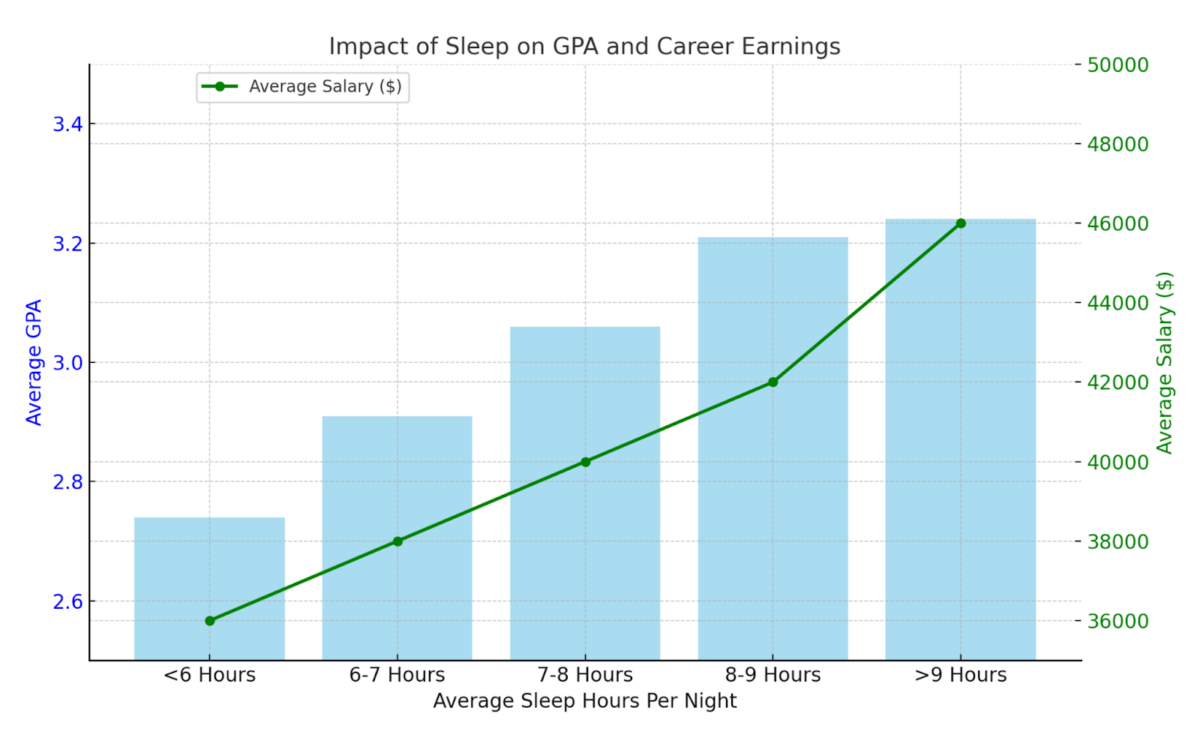

In an age defined by constant connectivity, relentless demands, and the pervasive hum of the digital world, the pursuit of optimal well-being has never been more critical. Yet, for many, "fitness" remains stubbornly confined to a narrow definition: a quest for sculpted abs, bulging biceps, or a number on a scale. We chase these visible markers, often missing the profound, transformative power that lies beneath the surface – a power that extends far beyond the mirror, quietly reshaping our lives in ways we seldom acknowledge.
This isn’t merely about looking good; it’s about living better, performing at a higher level, and unlocking a spectrum of "hidden" benefits that can elevate everything from the quality of our sleep to the size of our paycheck. This is the story of how a consistent fitness routine becomes an unseen catalyst, a silent partner in forging a more vibrant, productive, and ultimately, more fulfilling existence.
The Unseen Architect of Sleep: Reclaiming the Night
Let’s begin where true restoration happens, a place often sacrificed at the altar of productivity: sleep. The modern epidemic of sleep deprivation is well-documented, a silent thief stealing our energy, focus, and overall health. We toss and turn, minds racing, bodies restless, often reaching for artificial aids to usher in slumber.
Imagine Sarah, a marketing executive perpetually caught in the cycle of late nights and early mornings. Her sleep is fragmented, shallow, leaving her perpetually groggy, reliant on caffeine to kickstart her day. She tries meditation apps, blackout blinds, cutting screen time – all with limited success. What she hadn’t considered was the profound impact of physical exertion.
When Sarah finally commits to a consistent fitness routine – a mix of strength training and brisk walks – something shifts. Initially, the physical fatigue is evident, a pleasant weariness that makes her bedtime rituals more effective. But then, the deeper changes begin. Exercise, particularly when performed earlier in the day, helps regulate the body’s circadian rhythm, the internal clock that governs sleep-wake cycles. It acts as a natural sedative, reducing the nervous system’s "fight or flight" response, lowering cortisol levels that often spike during periods of chronic stress.
Moreover, the physical exertion creates a greater demand for recovery, prompting the body to seek deeper, more restorative sleep stages. Sarah finds herself falling asleep faster, experiencing fewer awakenings, and waking feeling genuinely refreshed – not just less tired. This isn’t just about longer sleep; it’s about higher quality sleep. Her REM and deep sleep cycles, crucial for memory consolidation and physical repair, are enhanced.
The hidden benefit here isn’t just feeling rested; it’s the foundational reset of her entire system. Better sleep means a more robust immune system, improved emotional regulation, and significantly enhanced cognitive function. It’s the essential building block upon which all other hidden benefits are constructed. Without quality sleep, every other aspect of our lives operates at a deficit. Fitness doesn’t just make you tired; it orchestrates the symphony of your body’s nightly repair, allowing you to wake up truly renewed.
The Cognitive Edge: Sharpening the Mind’s Blade
With sleep restored, the stage is set for the next profound, often overlooked benefit: superior cognitive function. Many of us approach exercise as a purely physical endeavor, a way to move the body. But the brain, far from being a passive observer, is one of the greatest beneficiaries.
Consider David, a software engineer grappling with complex algorithms and an ever-present pressure to innovate. He used to find his mind fogging by mid-afternoon, creative solutions elusive. His breakthrough came not from a new productivity hack, but from hitting the gym consistently.
When we engage in physical activity, especially cardiovascular exercise, our bodies respond by increasing blood flow to the brain. This surge of oxygen and nutrients fuels neural activity, enhancing communication between brain cells. More importantly, exercise stimulates the production of neurotrophic factors, chief among them Brain-Derived Neurotrophic Factor (BDNF). BDNF is often called "Miracle-Gro for the brain" because it promotes the growth of new brain cells (neurogenesis), strengthens existing synapses, and protects neurons from damage.
For David, this translates into tangible improvements. His focus during coding sessions becomes laser-sharp, his ability to hold multiple variables in his mind greatly enhanced. When faced with a tricky bug, he often finds solutions during his morning run, the rhythmic motion and increased blood flow acting as a cognitive lubricant, freeing his mind to connect disparate ideas.
Beyond focus, fitness significantly impacts memory, problem-solving abilities, and even creativity. Studies show that regular exercisers tend to perform better on tests of memory and executive function. The mental discipline required to push through a challenging workout also builds resilience and mental toughness that spills over into intellectual pursuits. The hidden benefit is a mind that is not just alert, but agile, creative, and capable of sustained high-level performance – a mind that can tackle complex problems with greater clarity and less fatigue. It’s a competitive advantage in any intellectually demanding field.
The Emotional Armor: Building Resilience and Serenity
Life is inherently stressful. Deadlines, financial pressures, relationship dynamics, global anxieties – they all conspire to erode our emotional well-being. While many turn to temporary fixes or coping mechanisms, fitness offers a sustainable, powerful antidote: emotional resilience.
Meet Maria, a small business owner who often feels overwhelmed by the weight of responsibility. She experiences bouts of anxiety and struggles to manage her stress, frequently lashing out or retreating into herself. Her journey into fitness started tentatively, a desperate attempt to "feel better."
The immediate emotional benefits of exercise are often attributed to the release of endorphins, the body’s natural mood elevators, creating that "runner’s high." But the effects run much deeper. Regular physical activity is a potent regulator of the body’s stress response system. It helps to lower chronically elevated cortisol levels, the primary stress hormone that, in excess, can damage brain cells and impair mood.
Moreover, exercise provides a healthy outlet for pent-up frustration and anxiety. The physical exertion allows the body to complete the "fight or flight" response cycle, discharging the physiological energy that stress creates. It’s a moving meditation, a chance to disconnect from digital noise and reconnect with one’s physical self.
Maria discovers that her workouts are her sanctuary. The focus required to execute a lift or maintain a running pace momentarily silences the chaotic chatter in her mind. Afterwards, she feels a profound sense of calm and accomplishment. This translates into greater patience with her employees, more thoughtful decision-making, and a reduced tendency to catastrophize. She develops a thicker skin, a better ability to bounce back from setbacks, and a more optimistic outlook.
The hidden benefit here is not just feeling happier in the moment, but building an internal fortress against the relentless siege of modern life. Fitness cultivates emotional regulation, self-efficacy (the belief in one’s ability to succeed), and a deep sense of control over one’s body and mind. It’s a proactive investment in mental health, a sustainable strategy for cultivating serenity amidst chaos.
The Paycheck Connection: From Gym Floor to Corner Office
Now, let’s address the most intriguing and often scoffed-at hidden benefit: the link between a fitness routine and higher earning potential. This isn’t about becoming a fitness model to get paid; it’s about how the cascading effects of better sleep, sharpened cognition, and emotional resilience coalesce to make you a more valuable, effective professional.
Consider Alex, an ambitious professional who, despite his talent, struggled to stand out. He was competent but lacked a certain spark, a consistent drive. When he committed to fitness, his career trajectory subtly but definitively shifted.
1. Unrelenting Energy and Focus: The most direct link. With consistent, quality sleep and a body fueled by regular activity, Alex no longer experiences the afternoon slump. He can sustain high levels of focus for longer periods, tackle demanding projects with vigor, and remain mentally sharp through long meetings or complex negotiations. This translates directly to increased productivity and higher quality output.
2. Enhanced Confidence and Presence: There’s an undeniable aura of confidence that accompanies physical well-being. It’s not vanity; it’s the self-assurance derived from mastering one’s body, achieving physical goals, and feeling robust. This confidence translates into stronger presentations, more assertive communication, and a more commanding presence in the boardroom. Alex found himself speaking up more, taking on leadership roles, and projecting an image of capability and control.
3. Discipline and Grit: The gym is a laboratory for discipline and perseverance. Pushing through a challenging workout, showing up even when you don’t feel like it, setting and achieving fitness goals – these are transferable skills. Alex learned to apply the same discipline to his work projects, tackling difficult tasks with greater resolve and seeing them through to completion, even when faced with obstacles. This grit is highly prized in any professional environment.
4. Superior Stress Management and Decision-Making: We’ve discussed emotional resilience. In high-stakes professional environments, the ability to remain calm under pressure, make rational decisions, and avoid burnout is invaluable. A fit individual is less likely to react impulsively, more likely to think clearly when the stakes are high, and better equipped to handle the inevitable stresses of a demanding career. Alex observed that his colleagues crumbled under pressure while he maintained his composure, leading to better outcomes and a reputation for reliability.
5. Networking and Social Capital: A healthier, more energetic individual is often perceived as more approachable, more vibrant, and more engaging. Fitness communities themselves can be powerful networking hubs. Beyond that, the energy and confidence derived from fitness enable one to more effectively engage in social and professional networking events, making stronger connections and leaving a lasting positive impression.
6. Reduced Healthcare Costs and Absenteeism: While less glamorous, the financial impact of fewer sick days, lower insurance premiums (in some cases), and a reduced risk of chronic diseases can be substantial over a career. Being consistently present and healthy means less disruption to work and fewer drains on personal finances.
Studies have even begun to quantify this. Research has shown a correlation between physical activity and higher wages, with some analyses suggesting that regular exercise can lead to a significant percentage increase in earnings. This isn’t magic; it’s the cumulative effect of improved cognitive function, emotional stability, energy levels, and self-discipline making individuals more effective, more reliable, and ultimately, more valuable assets in the marketplace. For Alex, it meant faster promotions, successful project leads, and a noticeable increase in his compensation. The gym wasn’t just building his body; it was building his career.
Beyond the Professional: Social Capital and Personal Mastery
The ripple effects of a consistent fitness routine extend even further, touching aspects of life that define our overall happiness and sense of purpose.
Social Capital and Connection:
A fit individual often exudes an energy that draws others in. Confidence makes social interactions smoother, and shared fitness activities can be powerful bonding experiences, forging new friendships and strengthening existing relationships. Whether it’s joining a running club, a yoga class, or a team sport, these communities provide vital social connections that combat loneliness and enhance overall well-being. The hidden benefit is a richer social life, a stronger support network, and a greater sense of belonging.
Personal Mastery and Self-Discovery:
Fitness is a journey of continuous self-improvement. It teaches delayed gratification, the power of incremental progress, and the profound satisfaction of achieving a goal through sustained effort. Pushing physical limits reveals mental strengths previously unknown. Overcoming a challenging workout, learning a new movement, or running that extra mile builds a deep sense of self-efficacy and personal mastery. It’s a constant reminder that you are capable of more than you think, fostering a growth mindset that spills into every area of life. The hidden benefit is a deeper understanding of oneself, an unwavering belief in one’s capabilities, and the continuous joy of personal evolution.
Long-Term Vitality and Independence:
While not explicitly "hidden," the long-term impact on quality of life often gets overshadowed by short-term goals. A consistent fitness routine dramatically reduces the risk of chronic diseases – heart disease, type 2 diabetes, certain cancers, osteoporosis. It preserves mobility, balance, and strength as we age, ensuring that the later decades of life are lived with vitality and independence, rather than reliance and limitation. The true hidden benefit here is not just adding years to life, but adding life to years, ensuring that the fruits of a successful career and rich personal life can be fully enjoyed for decades to come. Imagine the luxury of being able to travel, play with grandchildren, or pursue hobbies well into your retirement, unburdened by preventable physical ailments. That’s the ultimate dividend of a lifelong fitness investment.
The Investment That Pays Compound Interest
The narrative of fitness needs to evolve beyond the superficial. It is not merely a vanity project or a temporary fix for health woes. It is a profound, holistic investment in oneself that pays compound interest across every domain of existence. From the quiet restoration of deep sleep to the sharp clarity of an agile mind, from the emotional resilience to weather life’s storms to the tangible career advantages that lead to higher pay, the "hidden" benefits are the true treasures.
Embracing a fitness routine isn’t just about carving out time in a busy schedule; it’s about reclaiming agency over your well-being. It’s about recognizing that the sweat and effort expended are not just burning calories, but building character, sharpening intellect, fortifying emotional defenses, and ultimately, constructing the very foundation for a life lived to its fullest potential.
So, the next time you consider skipping that workout, remember that you’re not just foregoing a physical challenge. You might be sacrificing a night of restorative sleep, dulling your cognitive edge, weakening your emotional armor, or even subtly impeding your path to greater professional success. The hidden benefits are always at play, quietly shaping your destiny. It’s time to stop seeing fitness as a chore and start seeing it for what it truly is: an indispensable tool for architecting a life of profound fulfillment, from the quiet hours of the night to the highest echelons of your ambitions.