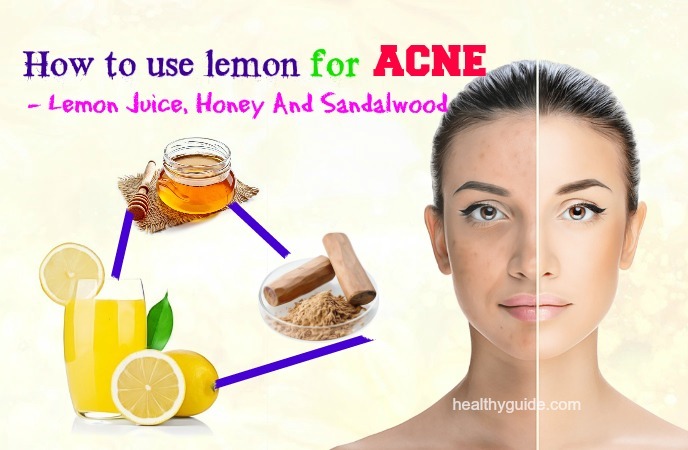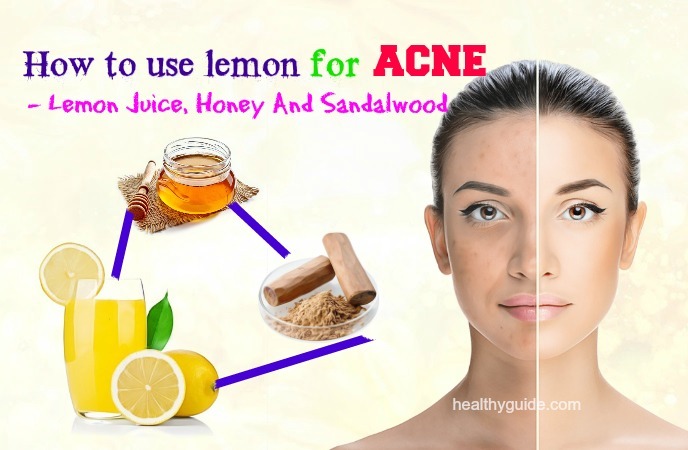

The quest for clear skin is an ancient and deeply personal journey, fraught with frustration, hope, and the relentless pursuit of solutions. From the earliest civilizations to the hyper-connected digital age, humanity has sought elixirs to banish blemishes, restore radiance, and reclaim confidence. In this sprawling landscape of remedies, both ancient and cutting-edge, one particular contender frequently emerges from the kitchen cabinet: the humble lemon.
Its vibrant zest, tart flavor, and refreshing aroma have long been associated with cleansing, vitality, and purity. It’s no wonder, then, that lemon juice has become a perennial favorite in the lexicon of home remedies for acne. A quick search online, a conversation with a well-meaning friend, or a glance at traditional beauty wisdom will inevitably lead to the suggestion: "Try lemon juice for your pimples!" The appeal is undeniable – it’s natural, affordable, readily available, and seems intuitively correct. After all, isn’t it acidic? Doesn’t it "cleanse" and "brighten"? The narrative of lemon juice as a skin savior is compelling, rooted in its perceived natural goodness and the promise of a simple, accessible fix.
But for the knowledgeable individual navigating the complex world of skincare, such simple answers rarely suffice. The human skin, a marvel of biological engineering, is a delicate and intricate organ, and its pathologies, like acne, are multifactorial and nuanced. This article aims to tell the comprehensive story of lemon juice and its purported role in fighting acne, moving beyond anecdotal whispers to a thorough examination grounded in chemistry, biology, and dermatological science. We will peel back the layers of myth, dissect the potential mechanisms, confront the significant risks, and ultimately equip the discerning reader with the insights needed to make informed decisions about their skin health.
The Siren Song of Natural Remedies: Why We Turn to the Lemon
Before delving into the scientific specifics, it’s crucial to understand the powerful allure of natural remedies in the context of persistent skin conditions like acne. Many individuals, after years of struggling with conventional treatments that may be expensive, have side effects, or simply don’t work for them, grow disillusioned. The perceived "harshness" of synthetic chemicals, the complex ingredient lists, and the often slow pace of results can drive people towards what feels like a gentler, purer alternative found in nature.
Lemon, with its undeniable freshness and association with health and detoxification in other contexts (like lemon water for digestion), easily slips into this narrative. Historically, cultures across the globe have utilized fruits, herbs, and plant extracts for their medicinal and cosmetic properties. The ancient Egyptians used citrus for embalming and fragrance; Ayurvedic medicine frequently incorporates lemon for various ailments; and Mediterranean cultures have long revered it for its culinary and therapeutic virtues. This rich history imbues lemon with an aura of time-tested efficacy, a kind of ancestral wisdom that can be incredibly persuasive.
Furthermore, the internet and social media have amplified the reach of home remedies. A single viral post or a glowing testimonial can propagate a belief faster than scientific evidence can be disseminated. When someone shares their personal success story – "I tried lemon juice, and my acne cleared up!" – it resonates powerfully, especially when backed by compelling before-and-after photos. For someone desperate for a solution, these anecdotes can feel more tangible and trustworthy than abstract scientific studies or cautious dermatological advice. The story of lemon juice for acne, therefore, isn’t just about chemistry; it’s about hope, tradition, and the powerful human desire for a simple path to beauty and well-being.
Deconstructing the Lemon: A Chemical Profile
To truly understand how lemon juice might interact with the skin, we must first examine its primary chemical components. The lemon is far more than just "juice"; it’s a complex cocktail of organic acids, vitamins, and phytochemicals, each with potential implications for skin health.
-
Citric Acid (The Dominant Player):
This alpha-hydroxy acid (AHA) is the most abundant organic acid in lemons, giving them their characteristic tartness. AHAs are celebrated in professional skincare for their exfoliating properties. They work by weakening the bonds between dead skin cells (corneocytes) in the outermost layer of the epidermis (stratum corneum), promoting their shedding. This process reveals fresher, smoother skin underneath, can help unclog pores, and over time, may stimulate collagen production.- The Nuance: While citric acid is an AHA, the concentration in natural lemon juice is highly variable and often significantly higher than what is formulated into commercial AHA products. Dermatological-grade AHA peels typically use specific concentrations (e.g., 5-15% for at-home, up to 70% for professional use) of glycolic or lactic acid, which are smaller molecules and often better tolerated than citric acid at high concentrations. The pH of fresh lemon juice can range from 2.0 to 3.0, which is extremely acidic – comparable to battery acid in terms of its pH scale proximity to strong acids. Skin’s natural pH is around 4.5-5.5, the "acid mantle," crucial for barrier function.
-
Ascorbic Acid (Vitamin C):
Lemons are an excellent source of Vitamin C, a powerful antioxidant. In skincare, Vitamin C is revered for its ability to neutralize free radicals generated by UV exposure and pollution, thereby protecting skin cells from oxidative damage. It also plays a crucial role in collagen synthesis, contributing to skin firmness and elasticity. Furthermore, Vitamin C can inhibit melanin production, which theoretically could help with hyperpigmentation.- The Nuance: Vitamin C in its natural form (L-ascorbic acid) is notoriously unstable, degrading rapidly when exposed to light, air, and heat. The Vitamin C in fresh lemon juice begins to degrade almost immediately upon exposure to air, and its penetration into the skin is limited by its molecular structure and the skin’s barrier. Formulated Vitamin C serums use stabilized derivatives and penetration enhancers to deliver effective concentrations to the skin. The high acidity of lemon juice, while containing Vitamin C, might also contribute to irritation, negating its potential benefits.
-
Flavonoids and Other Phytochemicals:
Lemons contain various flavonoids (e.g., hesperidin, naringin, eriocitrin) which possess antioxidant and anti-inflammatory properties. These compounds contribute to the plant’s defense mechanisms and can offer some protective benefits.- The Nuance: While these compounds are beneficial internally, their concentration and bioavailability when applied topically via raw lemon juice are uncertain. Furthermore, some compounds in citrus, particularly furocoumarins (like psoralens), are notorious for their phototoxic properties, which we will discuss in detail later.
-
Water:
The majority of lemon juice is water, serving as the solvent for all these active ingredients.
The "Mechanism" of Action: Perceived vs. Reality
Given its chemical profile, one might logically construct a theoretical framework for how lemon juice could combat acne. Let’s examine these perceived mechanisms and contrast them with dermatological reality.
-
Exfoliation and Pore Unclogging:
- Perceived: As an AHA, citric acid should exfoliate the skin, removing dead skin cells that can clog pores and contribute to comedone formation (blackheads and whiteheads). By promoting cell turnover, it might help keep pores clear.
- Reality: While citric acid can exfoliate, the unregulated and highly acidic nature of raw lemon juice makes it a crude and unpredictable exfoliant. The pH is too low for safe, controlled exfoliation, often leading to excessive stripping of the stratum corneum rather than gentle, even exfoliation. This aggressive action can disrupt the skin’s natural barrier, leading to increased transepidermal water loss (TEWL), dryness, and irritation, which paradoxically can worsen acne by triggering inflammation and creating a more hospitable environment for bacterial proliferation. Professional chemical peels or well-formulated AHA products use buffered acids at specific pH levels and concentrations to ensure efficacy without severe irritation.
-
Antibacterial Properties:
- Perceived: Lemon juice is acidic, and many people associate acidity with sterilization. Therefore, it might kill P. acnes (now often referred to as C. acnes), the bacteria implicated in acne formation.
- Reality: While some studies show in vitro (in a test tube) antibacterial activity of lemon extract, these concentrations are often far higher than what can be safely applied to human skin. Furthermore, the skin’s microbiome is complex, and broadly "sterilizing" the skin with a harsh acid can disrupt the balance of beneficial bacteria, potentially leading to other issues. The primary antibacterial agents for acne, like benzoyl peroxide or prescription antibiotics, work through specific mechanisms that are targeted and extensively studied. There is no robust clinical evidence demonstrating that topically applied lemon juice effectively reduces C. acnes on human skin in a beneficial way.
-
Oil Reduction/Astringent Effect:
- Perceived: The drying sensation after applying lemon juice might suggest it’s reducing sebum production, which is a key factor in oily skin and acne.
- Reality: Lemon juice does not regulate sebum production. What is perceived as "oil reduction" is primarily a temporary drying and astringent effect, which can strip the skin of its natural lipids. This can lead to a rebound effect where the skin, sensing it’s been stripped of its protective oils, compensates by producing more sebum, exacerbating oiliness in the long run. Moreover, excessive dryness can irritate the skin and make it more susceptible to breakouts.
-
Brightening and Pigmentation Reduction:
- Perceived: Vitamin C in lemon juice is known to brighten skin and reduce hyperpigmentation, including post-inflammatory hyperpigmentation (PIH) left behind by acne.
- Reality: As discussed, the Vitamin C in raw lemon juice is unstable and poorly delivered to the skin. More importantly, the irritation and inflammation caused by the high acidity of lemon juice are major triggers for PIH, especially in individuals with darker skin tones (Fitzpatrick types III-VI). The very act of applying lemon juice can create new, worse, and more stubborn dark spots than the original acne lesion. This is a cruel irony for those seeking to even out their skin tone.
The Dark Side: Risks and Side Effects You Must Know
For all its perceived benefits, the risks associated with applying raw lemon juice to the skin, particularly on acne-prone or inflamed skin, are substantial and well-documented by dermatologists. These aren’t minor inconveniences but serious potential harms that can leave lasting damage.
-
Severe Irritation and Inflammation:
This is the most immediate and common consequence. The extreme acidity of lemon juice (pH 2.0-3.0) is far lower than the skin’s natural acid mantle (pH 4.5-5.5). Applying such a strong acid disrupts this delicate balance, leading to:- Burning and Stinging: An immediate sensation that often signals damage.
- Redness (Erythema): A hallmark of inflammation.
- Dryness and Flaking: Excessive exfoliation and lipid stripping.
- Increased Sensitivity: The skin’s barrier is compromised, making it more vulnerable to environmental aggressors and other products.
- Exacerbation of Acne: Inflammation is a key component of acne. Inducing more inflammation with lemon juice can worsen existing breakouts and trigger new ones.
-
Compromised Skin Barrier Function:
The skin’s barrier, primarily the stratum corneum, is essential for protecting against pathogens, preventing water loss, and maintaining overall skin health. The harshness of lemon juice can erode this barrier, making the skin:- More Permeable: Allowing irritants and allergens to penetrate more easily.
- Dehydrated: Leading to a dull, tight, and unhealthy appearance.
- Vulnerable to Infection: A weakened barrier is less effective at fending off bacteria and fungi.
-
Phytophotodermatitis: The Most Insidious Threat:
This is perhaps the most serious and unique risk associated with citrus fruits, including lemons, and it’s often overlooked by home remedy enthusiasts. Lemon juice contains compounds called furocoumarins, specifically psoralens. These compounds are photosensitizers, meaning they react intensely when exposed to ultraviolet (UV) light.- How it Happens: If lemon juice (or any furocoumarin-containing plant juice, like lime or celery) is applied to the skin and then exposed to sunlight or tanning beds, the furocoumarins absorb UV radiation. This triggers a chemical reaction that damages skin cells, leading to a severe inflammatory response.
- Symptoms: This reaction manifests as a delayed, exaggerated sunburn. Within 24-48 hours, the affected skin can develop:
- Intense redness and itching.
- Painful blistering, often in streaks or drips where the juice ran.
- Severe burning sensation.
- Long-Term Consequences: The most devastating aftermath is hyperpigmentation. The affected areas develop dark, stubborn brown or black patches that can last for months, sometimes even years. This post-inflammatory hyperpigmentation is often far more severe and disfiguring than the original acne or sun damage one was trying to treat. It can be particularly challenging to resolve, requiring professional dermatological intervention. Cases of phytophotodermatitis are common in warmer climates and during summer months when people are more likely to be outdoors after handling citrus.
-
Post-Inflammatory Hyperpigmentation (PIH):
Even without sun exposure leading to phytophotodermatitis, the sheer irritation and inflammation caused by lemon juice can directly trigger PIH. Any injury or inflammation to the skin, especially in individuals with melanin-rich skin, can stimulate melanocytes (pigment-producing cells) to overproduce melanin, resulting in dark spots. For acne sufferers, who are already prone to PIH from breakouts, adding lemon juice can turn a mild blemish into a persistent, discolored patch. -
Chemical Burns:
In severe cases, especially if left on for prolonged periods or on very sensitive skin, the high acidity of lemon juice can cause actual chemical burns, leading to tissue damage, blistering, and potential scarring. -
Allergic Reactions:
While less common than irritant contact dermatitis, allergic reactions to components in lemon juice are also possible, manifesting as itching, swelling, and hives.
Anecdote vs. Evidence: The Scientific Void
The narrative surrounding lemon juice for acne is almost entirely built on anecdotal evidence. People share stories, often with sincere conviction, about how it "worked for them." But for the knowledgeable audience, the distinction between personal experience and scientific proof is paramount.
Why do some people think it worked?
- Placebo Effect: The belief that a treatment will work can sometimes produce real psychological and even physiological effects.
- Coincidence: Acne often clears up on its own or fluctuates. A temporary improvement might coincide with lemon juice use, leading to a false attribution.
- Temporary Drying: The immediate drying effect might make skin feel less oily, leading to a perception of improvement, even if the underlying acne pathology remains unchanged or worsens later.
- Mild Cases: Individuals with very mild, occasional breakouts might see temporary relief from drying or mild exfoliation, but at a significant risk.
- Short-term Focus: People often focus on immediate effects (like drying a single pimple) without considering the long-term damage or subsequent breakouts.
The critical absence here is robust clinical trials. There are no peer-reviewed, double-blind, placebo-controlled studies demonstrating the efficacy and safety of topically applied lemon juice as a treatment for acne. This contrasts sharply with established acne treatments like salicylic acid, benzoyl peroxide, and retinoids, which have undergone rigorous scientific scrutiny and are backed by extensive clinical data.
Dermatological science emphasizes precision, safety, and predictability. Raw lemon juice offers none of these. Its highly variable composition, extreme pH, and presence of photosensitizing compounds make it an unpredictable and dangerous ingredient for skincare, especially for a condition as complex as acne.
The Dermatologist’s Verdict and Safer Paths Forward
When consulted about home remedies like lemon juice, virtually all dermatologists advise against their use for acne. Their reasoning is simple and rooted in their understanding of skin physiology and pathology: the potential harms far outweigh any unproven, theoretical benefits. A dermatologist’s primary goal is to improve skin health safely and effectively, avoiding treatments that could cause more damage than good.
Instead of turning to potentially harmful kitchen ingredients, a knowledgeable approach to acne management involves understanding its underlying causes and utilizing scientifically validated treatments.
Effective and Safe Alternatives for Acne:
-
Over-the-Counter (OTC) Topicals:
- Salicylic Acid (BHA): A beta-hydroxy acid that is oil-soluble, allowing it to penetrate into the pores to exfoliate from within. It helps unclog pores and has mild anti-inflammatory properties. Available in cleansers, toners, and spot treatments (typically 0.5-2%).
- Benzoyl Peroxide: A powerful antibacterial agent that kills C. acnes and also helps shed dead skin cells. It’s effective for inflammatory acne. Available in various concentrations (2.5-10%).
- Adapalene (Topical Retinoid): Once prescription-only, a 0.1% gel is now available OTC. Adapalene is a retinoid that normalizes cell turnover, prevents clogged pores, and has anti-inflammatory effects. It’s a cornerstone of acne treatment.
-
Prescription Topicals:
- Tretinoin (Retin-A), Tazarotene, Trifluarotene: Stronger retinoids that are highly effective for various forms of acne, promoting cell turnover, reducing inflammation, and stimulating collagen.
- Topical Antibiotics (e.g., Clindamycin, Erythromycin): Often combined with benzoyl peroxide to reduce bacterial resistance and inflammation.
- Azelaic Acid: Has antibacterial, anti-inflammatory, and exfoliating properties. Also effective for post-inflammatory hyperpigmentation.
- Dapsone: An anti-inflammatory topical often used for inflammatory acne.
-
Prescription Oral Medications:
- Antibiotics (e.g., Doxycycline, Minocycline): Used for moderate to severe inflammatory acne to reduce bacteria and inflammation.
- Oral Contraceptives: Can regulate hormones in women, reducing androgen levels that contribute to acne.
- Spironolactone: An anti-androgen medication sometimes used off-label for hormonal acne in women.
- Isotretinoin (Accutane): A powerful oral retinoid reserved for severe, nodular, or recalcitrant acne that hasn’t responded to other treatments. It profoundly reduces sebum production and has lasting effects.
-
Professional Procedures:
- Chemical Peels: Controlled application of AHAs (like glycolic or lactic acid) or BHAs (salicylic acid) by a professional can safely exfoliate, unclog pores, and improve skin texture.
- Microdermabrasion/Hydrafacial: Mechanical exfoliation to remove dead skin cells.
- Laser and Light Therapies: Can target bacteria, reduce inflammation, or improve acne scars.
Fundamental Skincare Practices (for all skin types):
- Gentle Cleansing: Twice daily with a mild, pH-balanced cleanser. Avoid harsh scrubbing.
- Moisturizing: Even oily and acne-prone skin needs hydration to maintain a healthy barrier. Choose non-comedogenic, lightweight moisturizers.
- Sun Protection: Daily use of a broad-spectrum sunscreen (SPF 30+) is crucial to prevent sun damage, protect against PIH, and maintain skin health.
- Avoid Picking and Popping: This almost always worsens inflammation, spreads bacteria, and leads to scarring and hyperpigmentation.
Holistic Approach:
Beyond topicals and medications, a holistic approach acknowledges that skin health is often a reflection of overall well-being. This includes:
- Diet: While the link between diet and acne is complex and individual, some find that reducing high-glycemic foods, dairy, or processed foods can help. Focus on whole, unprocessed foods, fruits, vegetables, and healthy fats.
- Stress Management: Stress can trigger hormonal fluctuations that exacerbate acne. Techniques like meditation, yoga, or regular exercise can be beneficial.
- Adequate Sleep: Essential for skin repair and regeneration.
Conclusion: Embracing Informed Skincare
The story of lemon juice and acne is a cautionary tale, a vivid illustration of how the allure of a "natural" and seemingly simple solution can lead down a path of unforeseen complications. While the human desire for quick fixes and the appeal of traditional wisdom are understandable, particularly when faced with a persistent and emotionally taxing condition like acne, for the knowledgeable individual, critical discernment is paramount.
We’ve journeyed through the chemical composition of lemon juice, examined its theoretical mechanisms against the backdrop of scientific reality, and confronted the array of significant risks, most notably severe irritation, skin barrier damage, and the insidious threat of phytophotodermatitis leading to long-lasting hyperpigmentation. The absence of robust scientific evidence supporting its efficacy, contrasted with the overwhelming dermatological consensus against its use, paints a clear picture.
The clear skin secret, it turns out, is not found in the kitchen cupboard in a bottle of lemon juice. It lies instead in patience, consistency, and the application of evidence-based skincare practices. It involves understanding the complex biology of acne, seeking guidance from qualified dermatological professionals, and embracing a regimen built on ingredients and treatments that have been rigorously tested for both safety and effectiveness.
For those battling acne, the journey can be challenging, but it need not be a dangerous experiment. Empowered with knowledge, the discerning individual can navigate the vast world of skincare, choosing paths that truly nurture and heal the skin, rather than inadvertently causing harm. The quest for clear skin is ultimately a quest for health, and health demands respect for science and a commitment to safe, proven solutions.