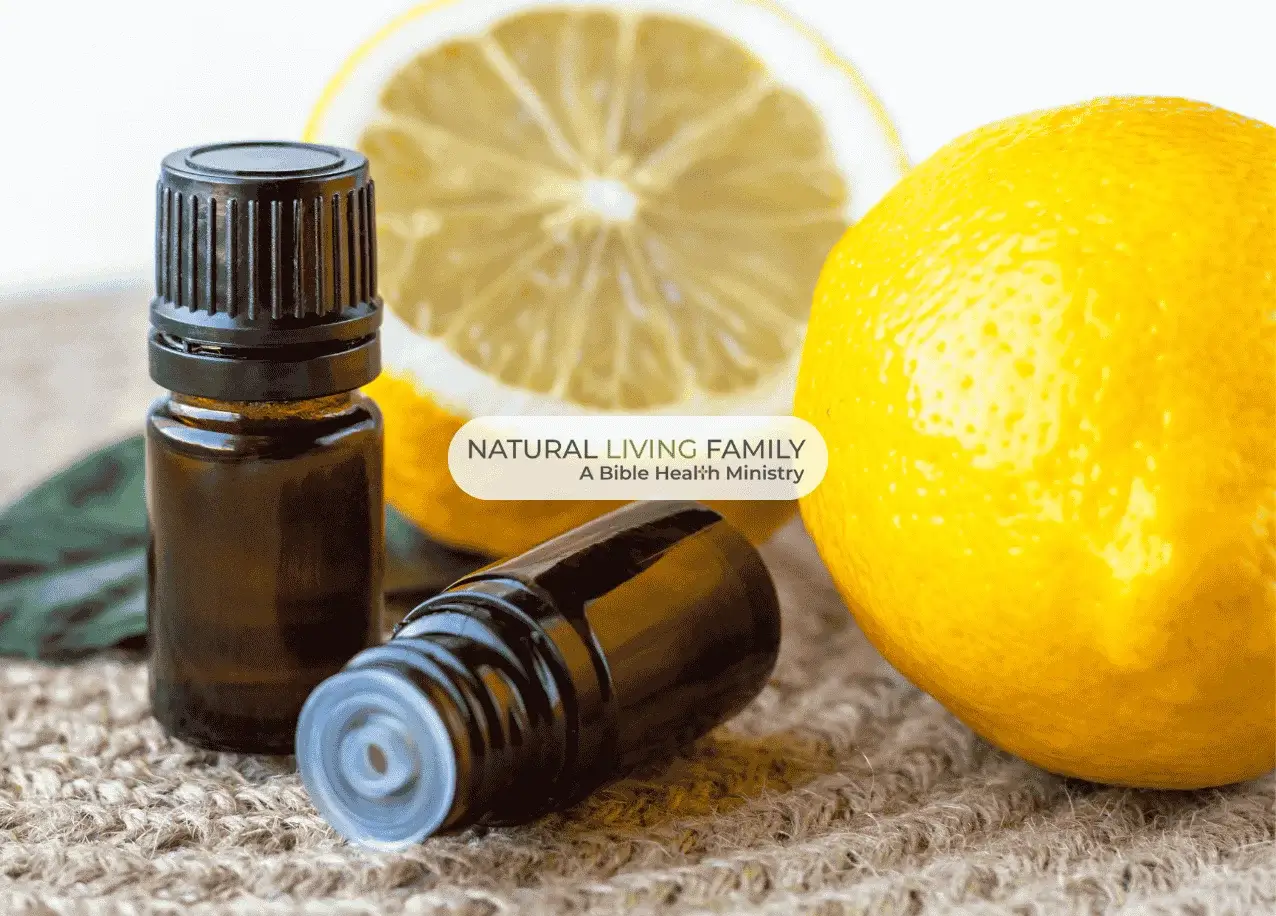

In a world perpetually searching for the next superfood, the revolutionary elixir, or the groundbreaking wellness trend, it’s often the simplest, most humble gifts from nature that hold the most profound power. Among these unassuming titans stands the lemon – a radiant orb of sunshine, a burst of tart freshness, and a treasure trove of wellness benefits that have been celebrated across cultures for millennia. From ancient Egyptian remedies to Ayurvedic practices, and from the sophisticated kitchens of Europe to the modern health-conscious communities, the lemon has consistently proven itself to be far more than just a garnish. It is, in essence, a bottled dose of vitality, an accessible key to unlocking a deeper "zest for life."
This isn’t merely a tale of a citrus fruit; it’s a narrative about rediscovering simple pleasures, embracing natural solutions, and integrating small, intentional habits that cumulatively transform our well-being. For the knowledgeable seeker of holistic health, the lemon offers a multi-faceted approach to wellness, touching upon everything from cellular rejuvenation to mood elevation. Prepare to embark on a journey that delves beyond the obvious, uncovering five simple yet potent ways to weave more lemon into the fabric of your daily routine, inviting not just physical health, but a vibrant, zestful spirit into your life.
The Golden Orb: A Symphony of Benefits
Before we dive into the practical applications, let’s briefly appreciate the lemon’s inherent brilliance. What makes this unassuming fruit such a powerhouse?
- Vitamin C Powerhouse: Perhaps its most famous attribute, lemons are an excellent source of Vitamin C (ascorbic acid), a potent antioxidant crucial for immune function, collagen synthesis, and protecting cells from oxidative damage.
- Antioxidant Rich: Beyond Vitamin C, lemons boast a spectrum of flavonoids, limonoids, and phenolic compounds. These antioxidants scavenge free radicals, reducing inflammation and supporting overall cellular health.
- Digestive Dynamo: The citric acid in lemons stimulates the production of bile, aiding digestion and nutrient absorption. It can also help alleviate indigestion and bloating.
- Alkalizing Effect: While acidic in its raw form, lemon juice has an alkalizing effect on the body once metabolized, helping to balance pH levels.
- Detoxification Support: Lemons gently support the liver’s natural detoxification processes, helping the body eliminate toxins more efficiently.
- Electrolyte Replenishment: Rich in potassium, lemons can help maintain fluid balance and nerve function, especially after exercise.
- Antimicrobial Properties: Lemon’s natural acidity and compounds exhibit antimicrobial qualities, offering a subtle protective effect.
With this foundational understanding of its capabilities, let’s explore how to harness this golden orb’s magic in five transformative ways.
1. The Daily Ritual: Lemon-Infused Hydration
Imagine waking up, the morning light gently filtering through your window. Instead of reaching for a jolt of caffeine, you pour yourself a glass of water, perhaps warm, perhaps cool, and squeeze in the juice of half a fresh lemon. The scent alone is invigorating – bright, clean, and promising. This isn’t just a drink; it’s a mindful act, a gentle awakening for your entire system.
The Story: For centuries, various cultures have understood the profound importance of hydration. Our bodies, composed of roughly 60% water, rely on it for every physiological process. Yet, modern life often leaves us chronically dehydrated, impacting everything from energy levels to cognitive function. The simple addition of lemon transforms this essential act into a purposeful wellness ritual. It’s the story of taking something mundane and elevating it into a moment of self-care and internal cleansing.
Why it Works (The Science):
- Enhanced Hydration: Lemon water is simply more palatable for many, encouraging greater fluid intake throughout the day.
- Vitamin C Boost: A morning dose kickstarts your immune system and provides immediate antioxidant protection.
- Digestive Primer: The citric acid stimulates digestive juices, preparing your gut for the day’s meals. It can act as a gentle laxative for some, promoting regularity.
- Gentle Detox: It encourages liver function and kidney filtration, assisting in the removal of waste products.
- Electrolyte Balance: The potassium in lemons helps replenish electrolytes lost overnight or during physical activity.
Simple Ways to Incorporate:
- The Morning Elixir: The quintessential starting point. Squeeze half a lemon into 8-16 ounces of warm or room-temperature water first thing in the morning. This is often recommended as it’s believed to be gentler on the digestive system and more readily absorbed.
- All-Day Sipper: Keep a pitcher of lemon-infused water in your fridge. Slice a whole lemon, toss it in with some cucumber, mint, or ginger for added flavor and benefits. This encourages consistent hydration.
- Post-Workout Refresher: Replace sugary sports drinks with lemon water. Add a pinch of sea salt for additional electrolyte replenishment.
- Tea Time Twist: Add a slice or a squeeze of lemon to your herbal teas. It brightens the flavor and adds a nutritional kick.
- Beyond the Glass: Freeze lemon juice in ice cube trays. Pop one or two into your water bottle or smoothie for a quick, concentrated burst of flavor and nutrients.
Pro-Tip for the Knowledgeable: Consider adding a dash of cayenne pepper to your morning lemon water. Capsaicin, the active compound in cayenne, has been studied for its metabolism-boosting and anti-inflammatory properties, creating an even more potent morning tonic.
2. Culinary Alchemy: Flavor, Preservation, and Nutrition
The lemon’s role in the kitchen extends far beyond a decorative wedge. It is a true culinary alchemist, capable of transforming dishes, enhancing flavors, and even contributing to food preservation. It’s a story of unlocking the full spectrum of taste – sour, yes, but also bitter, fragrant, and profoundly bright.
The Story: Think of a chef, meticulously balancing flavors. The lemon is often their secret weapon, cutting through richness, lifting heavy sauces, and bringing a vibrant counterpoint to savory or sweet elements. It’s the silent hero that makes a dish sing, without overpowering the main ingredients. For the home cook, incorporating lemon is an invitation to experiment, to brighten everyday meals, and to infuse them with an extra layer of health.
Why it Works (The Science):
- Flavor Enhancer: The acidity of lemon juice brightens and intensifies other flavors, making them more pronounced. It can reduce the need for excessive salt.
- Tenderizer & Marinade: Citric acid helps to break down protein fibers in meats and fish, tenderizing them and allowing marinades to penetrate deeper.
- Antioxidant & Preservative: Lemon juice prevents oxidation (browning) in fruits and vegetables (like apples, avocados, and artichokes) due to its Vitamin C content. Its acidity also inhibits bacterial growth, extending shelf life.
- Nutrient Bioavailability: The acidity can sometimes help in the absorption of certain minerals from other foods.
Simple Ways to Incorporate:
- Dressings and Vinaigrettes: Ditch store-bought dressings laden with unhealthy oils and sugars. Whisk fresh lemon juice with extra virgin olive oil, a touch of Dijon mustard, salt, pepper, and herbs for a vibrant, healthy dressing.
- Marinades for Meats and Fish: Lemon juice, garlic, herbs, and olive oil create a fantastic marinade that tenderizes and infuses flavor, especially for chicken and seafood.
- Finishing Touch: A squeeze of fresh lemon juice over roasted vegetables, grilled fish, soups, or even scrambled eggs right before serving can elevate the entire dish.
- Baking Brilliance: Lemon zest and juice add incredible fragrance and tang to cakes, muffins, tarts, and glazes. Think lemon poppy seed muffins or a bright lemon curd.
- Zest is Best: Don’t discard the zest! It contains concentrated essential oils and flavor compounds. Grate it finely over pasta, salads, risottos, or even stir-fries for an aromatic explosion.
- Natural Preservative: A splash of lemon juice will keep your guacamole green, your sliced apples from browning, and your homemade jams and jellies vibrant.
- Lemon-Infused Oils and Vinegars: Steep lemon zest in olive oil or white wine vinegar for a few weeks to create custom, flavorful condiments.
Pro-Tip for the Knowledgeable: Explore the world of preserved lemons. This Moroccan delicacy involves salt-curing whole lemons, transforming them into a deeply umami, complex ingredient that adds incredible depth to stews, tagines, and even salads. It’s a masterclass in flavor transformation.
3. Topical Radiance: Skin and Hair Elixir
Wellness isn’t solely an internal pursuit; it extends to how we nurture our external selves. The lemon, with its natural astringent, antioxidant, and brightening properties, offers a simple, natural approach to skin and hair care. It’s a story of harnessing nature’s gentle power for a luminous glow.
The Story: For generations, before the advent of complex chemical formulations, people turned to natural ingredients for beauty solutions. Lemon, often diluted, was a staple for brightening skin, clarifying hair, and even treating minor blemishes. It speaks to a time when self-care rituals were rooted in the earth, simple and effective.
Why it Works (The Science):
- Astringent Properties: Lemon juice helps to tighten pores and reduce oiliness, making it beneficial for oily and acne-prone skin (when used diluted and carefully).
- Exfoliation & Brightening: The alpha-hydroxy acids (AHAs) in lemon, primarily citric acid, can gently exfoliate the skin, removing dead skin cells and promoting a brighter, more even complexion.
- Antioxidant Protection: Vitamin C helps combat free radical damage from environmental stressors, which can contribute to premature aging.
- Hair Shine & Scalp Health: The acidity can help seal hair cuticles, leading to shinier hair. It also possesses mild antimicrobial properties that can benefit scalp health.
Simple Ways to Incorporate:
- Brightening Face Mask (Diluted!): Mix 1 teaspoon of fresh lemon juice with 1 tablespoon of honey and a teaspoon of yogurt. Apply to clean skin for 10-15 minutes, then rinse thoroughly. The honey moisturizes, the yogurt soothes, and the lemon gently brightens. Always do a patch test first.
- Natural Toner (Highly Diluted): For oily skin, dilute 1 part lemon juice with 10 parts distilled water. Apply with a cotton pad after cleansing. Use sparingly and discontinue if irritation occurs.
- Hair Rinse for Shine: After shampooing and conditioning, rinse your hair with a mixture of 1/4 cup lemon juice and 2 cups water. This helps to remove product buildup and seal the hair cuticle for extra shine.
- Nail Whitener: Soak your fingernails in a bowl of warm water with the juice of half a lemon for 5-10 minutes to help whiten discolored nails and strengthen them.
- Elbow and Knee Brightener: Mix lemon juice with baking soda to form a paste. Gently scrub dark elbows and knees to exfoliate and lighten the skin.
Crucial Cautions (Knowledgeable Audience Alert!):
- Photosensitivity: Lemon juice significantly increases your skin’s sensitivity to the sun. NEVER apply lemon juice to your skin before sun exposure, as it can cause severe burns and hyperpigmentation. Always use at night and rinse thoroughly.
- Dilution is Key: Lemon juice is highly acidic. Always dilute it significantly with water or other ingredients to prevent irritation, especially for sensitive skin.
- Patch Test: Before applying lemon to your face or large areas of skin, always perform a patch test on a small, inconspicuous area to check for any adverse reactions.
- Tooth Enamel: While beneficial for teeth, direct, undiluted contact with tooth enamel can erode it. Always dilute lemon juice and rinse your mouth with plain water after consuming or applying topically around the mouth.
4. Aromatic Uplift: Creating a Sanctuary
The wellness journey often involves not just what we ingest or apply, but also the environment we inhabit. The vibrant, clean aroma of lemon is a powerful tool for mood elevation, stress reduction, and creating a truly clean and inviting space. It’s a story of sensory transformation, turning a mundane room into a haven of freshness.
The Story: Who hasn’t walked into a room and felt their spirits lift with the scent of fresh citrus? It’s an instinctive response, rooted in the limbic system’s connection to smell and emotion. The lemon’s fragrance is universally associated with cleanliness, energy, and happiness. Leveraging this natural aromatherapy is a simple yet profound way to enhance daily well-being.
Why it Works (The Science):
- Mood Elevation: Studies suggest that the scent of lemon, particularly its primary component limonene, can have uplifting and mood-boosting effects, reducing stress and anxiety.
- Increased Alertness: The stimulating aroma can enhance focus and reduce feelings of fatigue.
- Natural Air Purifier: Lemon’s natural acidity and antimicrobial properties can help neutralize odors and cleanse the air of certain airborne pathogens.
- Surface Disinfectant: Its acidic nature makes it an effective natural cleaner and disinfectant for household surfaces.
Simple Ways to Incorporate:
- Essential Oil Diffusion: Invest in a good quality lemon essential oil. Diffuse a few drops in your living room, office, or bedroom to uplift your mood, purify the air, and promote focus. Start your day with a bright, energizing scent.
- DIY All-Purpose Cleaner: Combine 1 part white vinegar with 1 part water, add the peels of a few lemons, and let it infuse for a week or two. Strain and add 10-20 drops of lemon essential oil. Use this natural, non-toxic cleaner on countertops, sinks, and other surfaces.
- Simmer Pot Potpourri: Fill a pot with water, add sliced lemons, cinnamon sticks, cloves, and a few sprigs of rosemary or mint. Simmer gently on the stove to fill your home with a beautiful, natural aroma.
- Refrigerator Freshener: Place half a lemon (cut side up) in a small bowl in your refrigerator to absorb odors and impart a fresh scent. Replace every few days.
- Laundry Brightener: Add 1/2 cup of lemon juice to your laundry cycle (with white clothes only!) to naturally whiten fabrics and leave a fresh scent.
- Dishwasher Booster: Place a lemon half or a few slices in the top rack of your dishwasher during a cycle to help clean and deodorize, leaving dishes sparkling.
Pro-Tip for the Knowledgeable: When choosing lemon essential oil, look for "cold-pressed" or "steam-distilled" and ensure it’s 100% pure therapeutic grade. Understand that essential oils are potent and should not be ingested unless under the guidance of a qualified aromatherapist or healthcare professional.
5. Detox and Digestive Harmony: The Internal Cleanse
Beyond daily hydration, lemon plays a more targeted role in supporting the body’s natural detoxification pathways and fostering optimal digestive health. It’s a story of internal balance, of supporting the complex systems that keep us feeling light, energetic, and vibrant.
The Story: Our bodies are incredible machines, constantly working to process nutrients, eliminate waste, and neutralize toxins from our environment and diet. Sometimes, these systems can become sluggish, leading to feelings of fatigue, bloating, or general malaise. Lemon steps in as a gentle ally, offering a natural boost to these vital processes, helping us to feel renewed from the inside out.
Why it Works (The Science):
- Liver Support: Lemon stimulates the production of bile, a fluid produced by the liver that aids in fat digestion and the excretion of waste products. This supports the liver’s role as the body’s primary detox organ.
- Kidney Function: Being a natural diuretic, lemon water helps increase urine output, assisting the kidneys in flushing out toxins and preventing the accumulation of mineral deposits that can lead to kidney stones.
- pH Balance: Despite its acidity, lemon juice is metabolized into alkaline compounds in the body. Maintaining a slightly alkaline pH can reduce inflammation and support overall cellular function.
- Gut Microbiome Support: While not a probiotic, the antioxidants and compounds in lemon can contribute to a healthy gut environment, indirectly supporting a balanced microbiome.
Simple Ways to Incorporate:
- Post-Meal Digestive Aid: If you experience indigestion or bloating after a rich meal, a small glass of warm water with a squeeze of lemon juice can provide relief by stimulating digestive enzymes.
- Short-Term Detox Boost: For those looking for a gentle internal reset, consider a short-term (1-3 days) focus on lemon water, light, plant-based meals, and avoiding processed foods. This isn’t a "fast," but a supportive dietary shift.
- Lemon and Ginger Tea: Steep fresh ginger slices in hot water, then add a generous squeeze of lemon juice. Ginger is renowned for its digestive and anti-inflammatory properties, making this a powerful detoxifying and soothing beverage.
- Lemon in Green Juices/Smoothies: Add a whole peeled lemon (pith included for extra fiber and compounds, if desired) to your morning green juice or smoothie. It cuts through bitterness and adds a powerful nutrient punch.
- Lemon Water Before Meals: Drinking a glass of lemon water 15-30 minutes before a meal can help prime your digestive system and potentially reduce overeating by promoting a feeling of fullness.
Pro-Tip for the Knowledgeable: Understand that "detox" is a continuous process naturally performed by your body. Lemon acts as a support to these natural systems, not a magic bullet that "cleanses" your body of all toxins. A healthy, whole-food diet, adequate hydration, and regular exercise are the foundational pillars of true detoxification.
The Science Behind the Sunshine: A Deeper Dive
For the truly knowledgeable, let’s consolidate and expand on the scientific underpinnings that make lemon such a wellness star.
-
Ascorbic Acid (Vitamin C): This water-soluble vitamin is a potent primary antioxidant, meaning it directly neutralizes free radicals. It’s vital for:
- Immune System Modulation: Supports the function of various immune cells.
- Collagen Synthesis: Essential for healthy skin, connective tissues, and wound healing.
- Iron Absorption: Enhances the absorption of non-heme iron from plant-based foods.
- Neurotransmitter Production: Involved in the synthesis of certain brain chemicals.
-
Flavonoids: Lemons are rich in various flavonoids, including hesperidin, naringin, and eriocitrin. These are secondary plant metabolites known for their:
- Antioxidant Activity: Protect cells from oxidative stress.
- Anti-inflammatory Effects: Modulate inflammatory pathways in the body.
- Cardioprotective Properties: May help improve blood vessel function and reduce cardiovascular risk.
- Anticancer Potential: Preliminary research suggests some flavonoids may have chemo-preventive properties.
-
Limonoids: Found primarily in the peel and seeds, limonoids like limonin and nomilin are unique to citrus fruits and are being studied for their:
- Anticancer Activity: Shown in in vitro and animal studies to inhibit the growth of various cancer cells.
- Antiviral and Antibacterial Properties.
-
Citric Acid: This organic acid is what gives lemon its characteristic tartness. Beyond its role in digestion, it’s also:
- A Natural Chelator: Can bind to minerals, aiding in their absorption or preventing kidney stone formation (by binding to calcium).
- Metabolic Intermediate: Part of the Krebs cycle, central to energy production in cells.
-
Essential Oils (Limonene): The primary component of lemon essential oil (found in the zest) is limonene, a monoterpene with:
- Mood-Enhancing Effects: Shown to reduce stress and anxiety in aromatherapy studies.
- Anti-inflammatory and Antioxidant Properties.
- Potential Anticancer Effects: Under investigation for its role in apoptosis (programmed cell death) of cancer cells.
Understanding these specific compounds deepens our appreciation for the lemon’s comprehensive impact on wellness, moving beyond anecdotal evidence to substantiated scientific benefits.
Sourcing and Sustainability: A Conscious Approach
As knowledgeable consumers, our wellness journey extends to how we source our ingredients and our impact on the planet.
- Go Organic: Whenever possible, choose organic lemons. This minimizes exposure to pesticides and herbicides, especially crucial when using the zest or the whole fruit in waters/smoothies.
- Local and Seasonal: Support local farmers and choose lemons when they are in season for the freshest, most potent fruit.
- Utilize the Whole Fruit: Don’t let anything go to waste! After juicing, zest the peel. If you’ve used the zest, consider simmering the remaining peel for aromatic purposes or infusing it in vinegar for cleaning. Even the seeds can be dried and used for planting or discarded in compost.
- Grow Your Own: If you live in a suitable climate or have a sunny spot indoors, growing a dwarf lemon tree can provide a continuous supply of fresh, organic lemons.
Cautions and Considerations: Responsible Wellness
While lemons are incredibly beneficial, responsible use is key, especially for a knowledgeable audience:
- Tooth Enamel Erosion: The high acidity of lemon juice can erode tooth enamel over time.
- Mitigation: Drink lemon water through a straw, rinse your mouth with plain water immediately after consumption, and avoid brushing your teeth right after drinking lemon water (wait at least 30 minutes).
- Heartburn/GERD: For individuals prone to acid reflux or heartburn, consuming too much lemon juice may exacerbate symptoms. Listen to your body and adjust intake accordingly.
- Photosensitivity (Topical Use): As reiterated, never apply lemon juice to skin before sun exposure.
- Essential Oil Safety: Lemon essential oil is highly concentrated. Always dilute it properly before topical application (e.g., with a carrier oil like jojoba or almond oil). Consult an expert before internal use.
- Allergies: While rare, some individuals may be allergic to citrus fruits. Discontinue use if any allergic reaction occurs.
The Ever-Present Zest: A Concluding Reflection
The journey through the world of lemon-infused wellness reveals a powerful truth: true vitality often lies in simplicity. The lemon, this unassuming golden orb, is not merely a fruit; it is a symbol, a reminder that nature provides abundantly for our health and happiness. Its story is one of ancient wisdom meeting modern science, of sensory delight intertwining with tangible benefits.
By consciously incorporating lemon into our hydration, our cooking, our self-care rituals, our home environments, and our digestive support, we are not just adding a nutrient; we are inviting a philosophy. We are choosing brightness over dullness, natural vibrancy over artificial substitutes, and intentional self-care over passive consumption.
So, as you embark on your own path to a more zestful life, remember the humble lemon. Let its vibrant spirit inspire you to seek out the simple, to savor the fresh, and to embrace the profound power that lies within nature’s most accessible gifts. Start small, experiment, and allow the golden glow of this remarkable fruit to infuse your days with energy, clarity, and an undeniable zest for life. The transformation, subtle yet significant, awaits.