
Imagine a sun-drenched afternoon, the gentle warmth on your skin, and the distinct, intoxicating aroma of a perfectly ripe tomato. You slice into its taut, glossy skin, revealing a kaleidoscope of crimson flesh, jewel-like seeds, and translucent gel. As you take that first bite, a burst of sweetness, a whisper of acidity, and then, that profound, lingering sensation – a deep, satisfying savoriness that resonates not just on your tongue, but seems to hum throughout your very being. This isn’t merely a taste; it’s an experience, a signal, a primal echo of nourishment. This is the magic of umami, and in the humble tomato, it finds one of its most potent expressions.
For centuries, the tomato has captivated palates, adorned cuisines, and fueled culinary creativity across the globe. Yet, beneath its vibrant facade and succulent texture lies a complex biochemical symphony, a silent promise of health benefits that extend far beyond mere flavor. In an age where gut health has emerged as a cornerstone of overall well-being, the umami-rich tomato is not just a delicious ingredient; it’s a savory superfood, a potent ally in nurturing our inner ecosystem. This is the story of how the tomato, through its unique blend of compounds, particularly its abundant umami, embarks on a remarkable journey to fortify and harmonize our gut.
A Culinary Odyssey: The Tomato’s Triumphant Return
The story of the tomato itself is a testament to perseverance and transformation, a culinary odyssey that mirrors the intricate journey within our bodies. Originating in the Andes of South America, the wild tomato was a small, green, and rather unassuming fruit. It was cultivated by the Aztecs and Incas, who recognized its nutritional value and integrated it into their diets. When Spanish conquistadors introduced it to Europe in the 16th century, it was met with suspicion. Its bright red color, coupled with its botanical kinship to nightshades (some of which are poisonous), led many Europeans to deem it the "poison apple." For nearly two centuries, it was largely relegated to ornamental status, admired for its beauty but feared for its potential toxicity.
It was in Italy, and later in Spain and France, that the tomato began its culinary renaissance. Courageous peasants and culinary innovators, perhaps driven by hunger or simply a bold curiosity, started experimenting. They discovered that the ripened fruit, especially when cooked, was not only safe but exquisitely flavorful. From these tentative beginnings, the tomato embarked on a triumphant march across European tables, becoming an indispensable ingredient in sauces, stews, and salads. Its journey to global ubiquity continued, culminating in its status today as one of the most widely consumed fruits (botanically speaking) in the world.
This historical journey is more than a fascinating anecdote; it underscores a crucial aspect of the tomato’s power: its evolution, its domestication, and particularly, its ripening process, have been guided by a silent hand towards maximizing not just flavor, but also nutritional density, especially its umami compounds. The redder, riper, and more sun-kissed a tomato, the more profound its flavor, and as we shall see, the greater its potential to nourish our gut.
Unpacking Umami: The Science of Savory
Before we delve into the tomato’s gut-specific benefits, we must first truly understand umami. It was in 1908 that Japanese chemist Dr. Kikunae Ikeda, captivated by the rich, savory taste of kombu (seaweed) broth, isolated a compound responsible for this unique flavor: L-glutamate. He coined the term "umami," meaning "delicious essence" in Japanese, to describe this distinct fifth basic taste alongside sweet, sour, salty, and bitter.
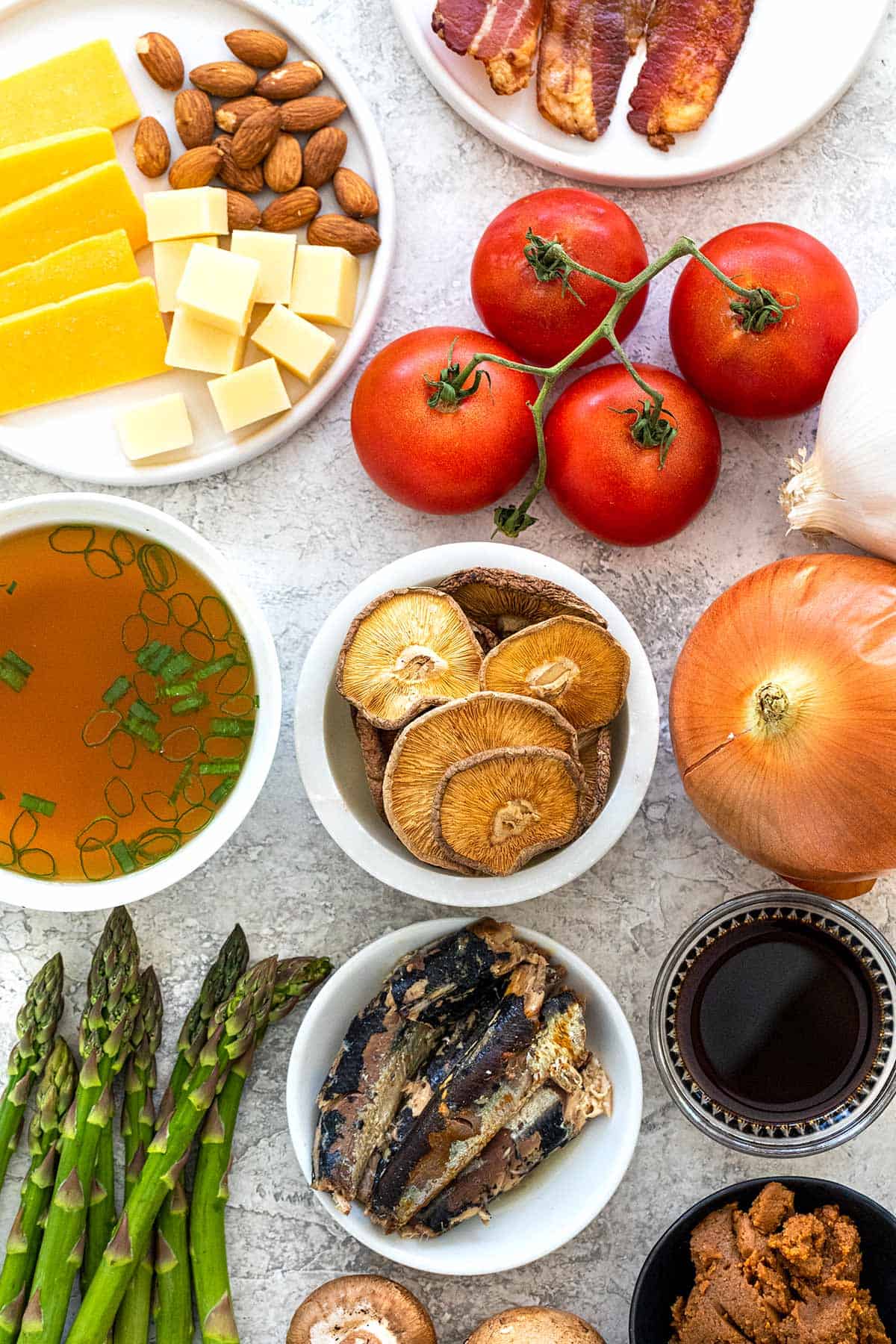
Umami isn’t merely a taste; it’s a signal. It tells our bodies that we are consuming protein-rich foods, triggering digestive processes and enhancing satiety. While L-glutamate is the primary umami compound, its effect is dramatically amplified by the presence of certain nucleotides, specifically inosine monophosphate (IMP) and guanosine monophosphate (GMP). This phenomenon, known as "umami synergy," means that a food containing both glutamate and these nucleotides will taste exponentially more savory than if it contained either in isolation. This synergy is why dishes combining tomatoes (rich in glutamate) with Parmesan cheese (rich in glutamate and IMP) or mushrooms (rich in GMP) are so deeply satisfying.
Tomatoes are veritable powerhouses of free L-glutamate, the primary umami molecule. As a tomato ripens, its glutamate content increases significantly. Green, unripe tomatoes have minimal umami; fully ripe, crimson ones burst with it. Cooking further enhances this. Heat breaks down cell walls, releasing more free glutamate, and concentrates flavors as water evaporates. This is why a slow-cooked tomato sauce, a sun-dried tomato, or a roasted tomato tastes so much richer and more umami-laden than a raw one. The transformation is not just culinary; it’s a biochemical unlocking of its gut-benefiting potential.
The Gut: Our Inner Garden
To appreciate the tomato’s impact, we must first understand the landscape it influences: our gut. Far from a mere digestive tube, the gut is a sophisticated, bustling metropolis, an inner garden teeming with trillions of microorganisms collectively known as the gut microbiome. This intricate ecosystem, comprising bacteria, viruses, fungi, and archaea, is a cornerstone of our health, influencing everything from digestion and nutrient absorption to immune function, mood, and even chronic disease risk.
A healthy gut is characterized by a diverse and balanced microbiome, where beneficial bacteria thrive and pathogenic ones are kept in check. This balance, known as eubiosis, is crucial for maintaining the integrity of the gut lining, which acts as a protective barrier preventing harmful substances from entering the bloodstream. When this balance is disrupted (dysbiosis), or the gut lining becomes compromised ("leaky gut"), it can lead to inflammation, digestive issues, weakened immunity, and contribute to a cascade of systemic health problems.
The gut-brain axis, a bidirectional communication highway connecting our central nervous system to our enteric nervous system (the "second brain" in our gut), further highlights the gut’s profound influence. The microbiome produces neurotransmitters and metabolites that directly impact brain function, mood, and cognitive health. Thus, nourishing our gut is not just about physical comfort; it’s about holistic well-being.
The Tomato’s Gut Arsenal: Beyond Just Umami
While umami is the star of our story, it is but one player in the tomato’s complex orchestra of gut-benefiting compounds. The tomato offers a comprehensive arsenal designed to support, protect, and nourish our inner ecosystem.
A. Prebiotic Powerhouse: Fiber and Polyphenols
Tomatoes are a good source of dietary fiber, offering both soluble and insoluble varieties. Insoluble fiber acts as a bulking agent, aiding in regular bowel movements and preventing constipation, thereby facilitating the efficient removal of waste products and toxins from the gut. Soluble fiber, on the other hand, is a true prebiotic. It ferments in the colon, providing sustenance for beneficial gut bacteria like Bifidobacteria and Lactobacilli. This fermentation process yields short-chain fatty acids (SCFAs) such as butyrate, acetate, and propionate. Butyrate, in particular, is a hero molecule for gut health, serving as the primary energy source for colonocytes (cells lining the colon), strengthening the gut barrier, reducing inflammation, and even playing a role in immune modulation and preventing colorectal cancer.
Beyond fiber, tomatoes are rich in a diverse array of polyphenols and flavonoids, potent plant compounds with significant prebiotic activity. Quercetin, naringenin, kaempferol, and chlorogenic acid are just a few examples found in tomatoes. These compounds are not fully digested in the upper gastrointestinal tract but travel to the colon, where they are metabolized by specific gut microbes. This interaction is symbiotic: the microbes benefit from the polyphenols, and in return, they produce beneficial metabolites that exert antioxidant, anti-inflammatory, and gut-barrier-strengthening effects. They can also selectively promote the growth of beneficial bacteria while inhibiting the growth of pathogens, thus contributing to a balanced microbiome.
B. Antioxidant & Anti-inflammatory Guardians: Carotenoids and Vitamins
The vibrant red hue of tomatoes is a testament to their abundance of carotenoids, particularly lycopene. Lycopene is arguably the most famous antioxidant found in tomatoes, but it’s not alone; beta-carotene, lutein, and zeaxanthin also contribute to the tomato’s protective power. These compounds are powerful free-radical scavengers, protecting cells throughout the body, including those lining the gut, from oxidative damage.
Beyond its famed antioxidant prowess, lycopene exerts a profound influence on the gut environment by directly modulating inflammatory pathways. Chronic inflammation in the gut is a hallmark of many digestive disorders, from irritable bowel syndrome (IBS) to inflammatory bowel disease (IBD). Lycopene helps to quell this inflammation, fostering a more serene and resilient gut environment. Importantly, lycopene’s bioavailability is significantly enhanced by cooking and the presence of healthy fats, underscoring the benefits of preparing tomatoes in sauces, roasts, or with olive oil.
Furthermore, tomatoes are a good source of Vitamin C, another powerful antioxidant that supports immune function, much of which is centered in the gut. They also provide Vitamin K and folate (a B vitamin), which play roles in blood clotting, bone health, and cell division, respectively, indirectly contributing to the overall health of the digestive system.
C. The Glutamate Connection: Umami’s Direct Gut Impact
Here’s where the umami story becomes uniquely compelling for gut health. The L-glutamate that gives tomatoes their savory depth isn’t just a taste sensation; it’s a vital nutrient for the gut itself. The intestinal lining, specifically the enterocytes (cells lining the small intestine), are highly metabolically active and have a rapid turnover rate. L-glutamate is a crucial fuel source for these cells, providing them with the energy they need to maintain their integrity, absorb nutrients, and form a strong protective barrier against pathogens and toxins.
Moreover, the gut possesses its own glutamate receptors. These receptors, similar to those on the tongue, detect the presence of glutamate in the digestive tract. This isn’t just about taste perception; it’s about internal signaling. The activation of these gut glutamate receptors has been shown to stimulate digestive processes, enhance nutrient absorption, and even influence gut motility. This means that when you consume umami-rich tomatoes, your gut is receiving a direct signal that nutrient-dense food has arrived, prompting it to optimize its functions. This sophisticated communication system highlights how umami is not merely a pleasure for the palate but a crucial part of the gut’s intricate regulatory network.
D. GABA and the Gut-Brain Axis: A Calming Influence
Tomatoes contain gamma-aminobutyric acid (GABA), a non-protein amino acid that functions as the primary inhibitory neurotransmitter in the central nervous system, promoting relaxation and reducing stress. While most research on GABA focuses on its effects in the brain, emerging evidence suggests a fascinating connection to the gut. The gut microbiome itself can produce GABA, and the gut lining contains receptors for GABA.
Consuming GABA-rich foods like tomatoes may therefore have a multifaceted impact on the gut-brain axis. Directly, tomato-derived GABA could potentially interact with gut receptors, influencing gut motility and sensitivity. Indirectly, by helping to reduce systemic stress (a known disruptor of gut health), GABA could foster a more harmonious gut environment. The gut-brain axis is a two-way street, and by providing compounds that can modulate both ends, tomatoes offer a holistic approach to digestive well-being.
The Synergistic Symphony: How It All Works Together
The true power of the tomato for gut health lies not in any single compound, but in the synergistic interplay of its entire biochemical profile. It’s the "entourage effect" writ large. The umami from glutamate signals nutrient presence, preparing the gut for optimal digestion. The fiber acts as a prebiotic, feeding beneficial bacteria that then produce SCFAs, nourishing gut cells and reducing inflammation. The polyphenols further bolster this prebiotic effect and contribute their own antioxidant and anti-inflammatory benefits. The carotenoids, especially lycopene, directly protect the gut lining from oxidative stress and dampen inflammatory responses. Even the water content contributes to hydration, crucial for smooth digestive processes.
Cooking, as previously mentioned, is a transformative process for tomatoes. It enhances the release and concentration of free glutamate, intensifying the umami. Crucially, it also breaks down tough cell walls, making lycopene and other fat-soluble compounds more bioavailable. This means that a cooked tomato sauce, simmered slowly with a touch of olive oil, is not only a culinary delight but a potent elixir for your gut, maximizing the absorption of its beneficial components. The fat in olive oil is essential for absorbing fat-soluble carotenoids like lycopene, creating a perfect partnership.
When you savor an umami-rich tomato dish, your gut is not just receiving a meal; it’s receiving a finely tuned symphony of signals and nutrients. It’s a message of protection, nourishment, and balance, orchestrated by a fruit that has mastered the art of biological generosity.
Practical Applications & Culinary Wisdom
Integrating umami-rich tomatoes into a gut-healthy diet is both simple and delicious.
- Prioritize Ripeness: Always choose fully ripe, deeply colored tomatoes. They are higher in umami, lycopene, and other beneficial compounds.
- Cook Them: While raw tomatoes are great, cooking (roasting, simmering, sautéing) dramatically increases both umami and the bioavailability of lycopene.
- Add Healthy Fats: Pair cooked tomatoes with olive oil or other healthy fats to optimize the absorption of fat-soluble vitamins and carotenoids.
- Embrace Synergy: Combine tomatoes with other umami-rich ingredients like mushrooms, Parmesan cheese, or fermented foods (e.g., miso, kimchi) to amplify the savory sensation and further enhance gut benefits.
- Variety is Key: Explore different varieties – heirloom tomatoes often have deeper, more complex flavors and nutrient profiles. Sun-dried tomatoes are incredibly concentrated sources of umami and nutrients.
- Homemade is Best: Making your own tomato sauces, soups, and pastes allows you to control ingredients, avoiding excess sugar or unhealthy additives often found in processed versions.
Imagine starting your day with scrambled eggs and roasted cherry tomatoes, enjoying a vibrant tomato and chickpea salad for lunch, or savoring a slow-simmered marinara sauce for dinner. Each bite is a conscious act of nourishing your gut, supporting its complex ecosystem, and contributing to your overall vitality.
Conclusion: A Timeless Superfood Reimagined
From its humble origins as a "poison apple" to its current status as a global culinary icon, the tomato has undergone a remarkable transformation. Yet, its true power, its profound ability to nourish and heal, is only now being fully appreciated through the lens of modern nutritional science and our burgeoning understanding of gut health.
The umami-rich tomato is more than just a source of deliciousness; it’s a testament to nature’s intricate design. Its abundant free L-glutamate, signaling deep nourishment to our palates and our gut cells, is complemented by a powerful entourage of prebiotics, antioxidants, and anti-inflammatory compounds. Together, these elements orchestrate a symphony of benefits, fostering a diverse microbiome, strengthening the gut barrier, reducing inflammation, and even influencing the delicate balance of our gut-brain axis.
So, the next time you bite into that perfectly ripe, sun-warmed tomato, take a moment to savor not just its exquisite taste, but the knowledge that you are engaging in an ancient ritual of nourishment. You are not just enjoying a fruit; you are empowering your inner garden, cultivating health from the inside out, guided by the profound and savory wisdom of a true superfood. The tomato, in all its umami glory, reminds us that the path to well-being can indeed be utterly delicious.