
The sun, that ancient, life-giving orb, has woven itself into the very fabric of human existence. From the first blush of dawn to the golden hour of dusk, its light orchestrates our world, fuels our growth, and inspires our poets. Yet, this benevolent giant also harbors a formidable power, one that, without due respect, can turn its gentle caress into a punishing assault. For our skin, the body’s largest and most visible organ, the sun’s ultraviolet (UV) radiation represents a constant, silent challenge – a relentless barrage of energy that can lead to premature aging, cellular damage, and, in its most insidious form, cancer.
In our contemporary quest for skin longevity and health, we often turn to advanced sunscreens, innovative serums, and sophisticated dermatological procedures. But what if one of our most potent allies against the sun’s ravages has been quietly thriving in gardens and gracing dinner tables for centuries, its story waiting to be fully told? This is the tale of the humble tomato, a fruit once feared as poisonous, now celebrated as a culinary staple, and increasingly, revered as a potent natural shield against UV damage. For the knowledgeable mind, eager to delve beyond surface-level claims, the story of how tomatoes help protect our skin is a fascinating narrative, intertwining ancient history, molecular biology, and cutting-edge nutritional science.
The Odyssey of the Solanum Lycopersicum: From Andes to Antioxidant Hero
Our story begins not in a laboratory, but high in the Andean mountains of South America, the ancestral home of Solanum lycopersicum. Here, indigenous communities cultivated a smaller, wilder ancestor of the modern tomato. For millennia, it remained a regional secret, a vibrant splash of color in a world yet unaware of its potential. When Spanish conquistadors ventured into the New World, they carried this exotic fruit back across the Atlantic, introducing it to Europe. But its reception was far from enthusiastic. Belonging to the nightshade family, which includes poisonous plants like deadly nightshade, the tomato was viewed with suspicion, its vivid red hue often interpreted as a warning rather than an invitation. For centuries, it was relegated to ornamental status, admired for its beauty but feared for its perceived toxicity, earning the moniker "poison apple."
It was in the sun-drenched climes of Italy and other Mediterranean regions that the tomato finally found its true calling. Perhaps it was the sheer abundance of sunlight, fostering richer, sweeter fruits, or perhaps it was the culinary ingenuity of the people, who slowly began to experiment, discovering that when cooked, its flavors blossomed. Slowly, cautiously, the tomato shed its infamous reputation, evolving from a decorative curiosity into an indispensable ingredient, foundational to cuisines that would later become synonymous with health and longevity.
Yet, even as the tomato took root in global kitchens, its specific benefits for skin health, particularly against UV radiation, remained an unspoken secret, an anecdotal whisper rather than a scientific proclamation. The Mediterranean diet, rich in tomatoes, olive oil, and fresh produce, was celebrated for its overall health benefits, but the precise mechanisms by which it conferred resilience against environmental stressors, especially those impacting the skin, were still largely shrouded in mystery. The stage was set for scientific inquiry to uncover the hidden narrative within this vibrant fruit.
Unmasking the Threat: The Science of Sun Damage
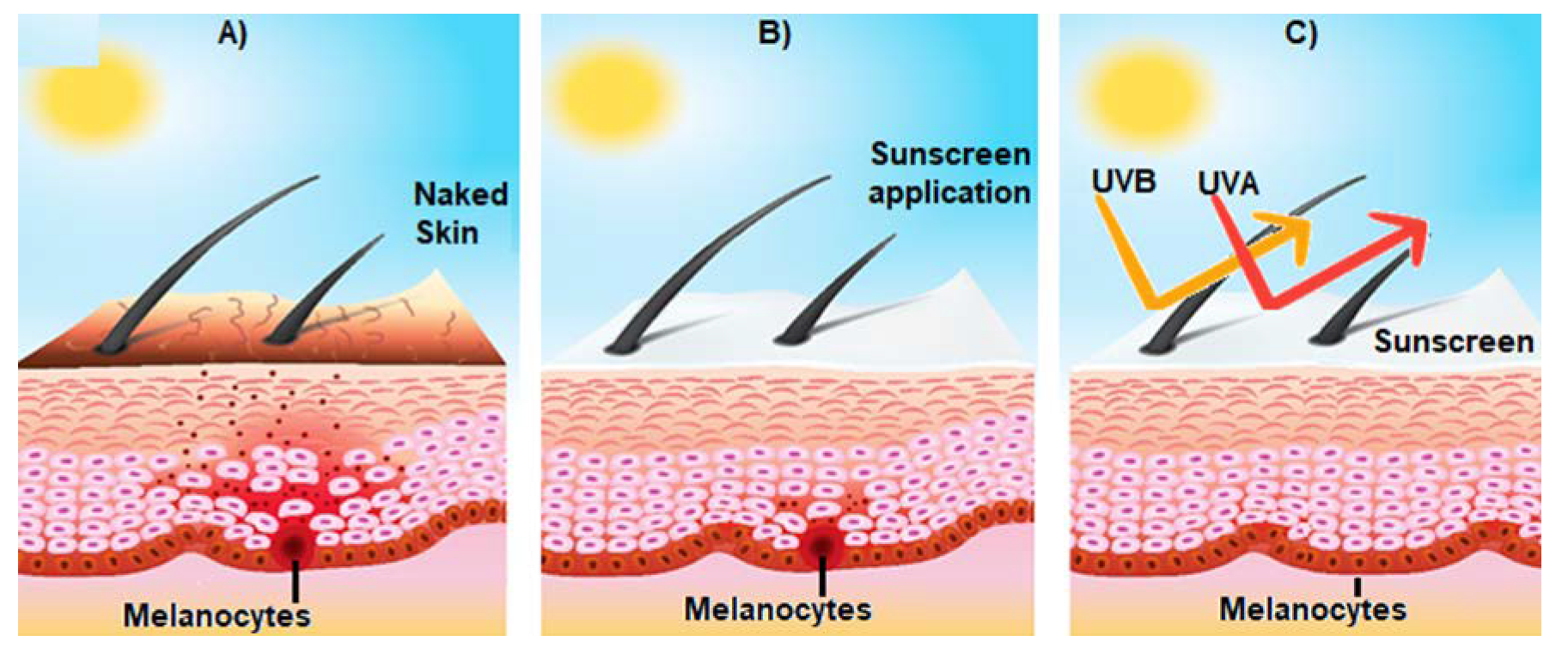
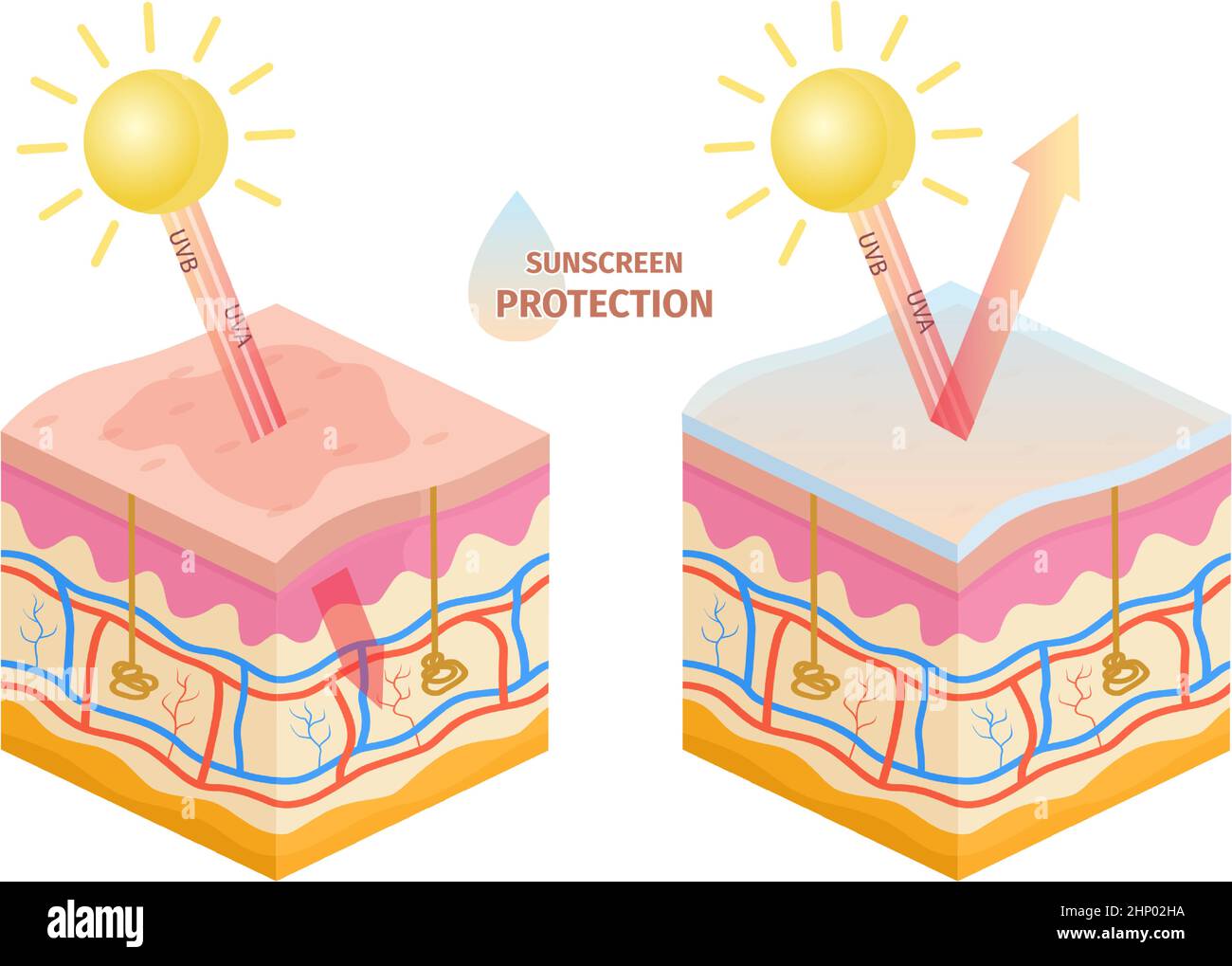
To truly appreciate the tomato’s role, we must first understand the antagonist: ultraviolet radiation. UV light, a segment of the electromagnetic spectrum, is broadly categorized into UVA, UVB, and UVC. While UVC is mostly absorbed by the Earth’s ozone layer, UVA and UVB penetrate our atmosphere and reach our skin, each with its own insidious agenda.
UVB radiation is the primary culprit behind sunburn, directly damaging DNA in skin cells and initiating the inflammatory cascade we recognize as erythema. Its short, high-energy waves are potent mutagens, directly contributing to skin cancer by creating photoproducts like cyclobutane pyrimidine dimers (CPDs) that disrupt DNA replication and transcription.
UVA radiation, with its longer wavelengths, penetrates deeper into the skin, reaching the dermis. While less potent at causing immediate sunburn, it is a significant contributor to photoaging, breaking down collagen and elastin fibers, leading to wrinkles, sagging, and pigmentation irregularities. More recently, UVA has also been implicated in DNA damage, albeit through indirect mechanisms, primarily by generating reactive oxygen species (ROS).
Both UVA and UVB radiation share a common destructive pathway: the generation of reactive oxygen species (ROS), also known as free radicals. These highly unstable molecules, with unpaired electrons, scavenge other molecules in the body, initiating a chain reaction of oxidative stress. In the skin, ROS wreak havoc by damaging cellular lipids, proteins, and critically, DNA. This oxidative onslaught leads to inflammation, impairs cellular repair mechanisms, and ultimately accelerates skin aging and increases the risk of skin cancer.
For decades, the primary defense against this pervasive threat was topical sunscreen – a vital, yet external, barrier. But the scientific community began to ponder: could there be an internal defense, a biological shield that could augment topical protection, working from within the very cells of our skin? The search for such an internal sentinel led researchers back to our humble protagonist, the tomato, and specifically, to its vibrant crimson heart.
Lycopene: The Crimson Crusader Unveiled
The vibrant red hue of the tomato is not merely for aesthetic appeal; it is a visual cue to its most celebrated secret weapon: lycopene. Lycopene is a carotenoid, a class of pigments found in plants and algae, responsible for the red, orange, and yellow colors in many fruits and vegetables. Unlike some other carotenoids, like beta-carotene, lycopene does not convert to vitamin A in the body, but its biological activity is profoundly significant. Its unique polyene structure, characterized by a long chain of conjugated double bonds, makes it an exceptionally potent antioxidant.
The scientific journey to understand lycopene’s photoprotective properties began with observations of populations consuming diets rich in tomatoes. Epidemiological studies hinted at a correlation between higher intake of lycopene-rich foods and reduced risk of certain cancers and chronic diseases, including those potentially linked to oxidative stress. This ignited a focused exploration into how lycopene might exert its protective effects, especially in the context of UV exposure.
Bioavailability: The Culinary Key
One of the first crucial discoveries regarding lycopene was its bioavailability. While raw tomatoes contain lycopene, cooking and processing significantly enhance its absorption. The heat treatment breaks down the rigid cell walls of the tomato, releasing lycopene from its insoluble matrix. Furthermore, lycopene is fat-soluble, meaning it requires dietary fat for optimal absorption in the digestive tract. This explains why traditional Mediterranean dishes, pairing cooked tomatoes with olive oil, are not just delicious but also incredibly effective at maximizing lycopene uptake. Think of a rich marinara sauce, a robust tomato soup, or even a simple bruschetta drizzled with extra virgin olive oil – these culinary traditions inadvertently became sophisticated delivery systems for this powerful compound. The story of lycopene, therefore, is also a story of culinary wisdom passed down through generations.
Once absorbed, lycopene travels through the bloodstream, accumulating in various tissues, including the skin. Here, it establishes itself as a molecular sentinel, ready to intercept the destructive forces unleashed by UV radiation.
The Multi-Pronged Defense: Lycopene’s Molecular Arsenal
For the knowledgeable audience, the true marvel of lycopene lies in its intricate mechanisms of action, a sophisticated choreography of molecular defense:
-
Direct Free Radical Scavenging: This is lycopene’s most renowned ability. Its unique chemical structure allows it to efficiently quench singlet oxygen (¹O₂), a highly reactive form of oxygen generated by UV radiation, which is particularly damaging to cells. Lycopene is estimated to be twice as effective as beta-carotene and ten times more potent than alpha-tocopherol (Vitamin E) at neutralizing singlet oxygen. By directly neutralizing these harmful ROS, lycopene prevents them from initiating chain reactions that damage lipids, proteins, and DNA. It acts like a molecular firefighter, dousing the oxidative flames before they spread.
-
Anti-inflammatory Properties: UV radiation triggers a robust inflammatory response in the skin, characterized by redness, swelling, and pain. Lycopene has been shown to modulate this response by inhibiting the activation of pro-inflammatory cytokines (e.g., IL-6, TNF-alpha) and signaling pathways (e.g., NF-κB). By dampening this inflammatory cascade, lycopene reduces the collateral damage to skin cells and tissues that accompanies UV exposure, promoting faster recovery and minimizing long-term scarring or damage.
-
DNA Protection and Repair: While lycopene doesn’t form a physical barrier, it can indirectly protect DNA from UV-induced damage. By reducing oxidative stress, it lessens the likelihood of oxidative DNA modifications. Furthermore, some research suggests lycopene may enhance the activity of DNA repair enzymes, helping the skin’s intrinsic mechanisms correct errors before they become permanent mutations that could lead to cancer. It acts not just as a preventative measure but also as a support system for the body’s natural repair crew.
-
Enhancing Endogenous Antioxidant Systems: Lycopene doesn’t work alone. It acts as a conductor, orchestrating and amplifying the body’s own antioxidant defenses. Studies indicate that lycopene can upregulate the expression of antioxidant enzymes such as superoxide dismutase (SOD), catalase, and glutathione peroxidase. It achieves this by activating the Nrf2 pathway, a master regulator of antioxidant and detoxification genes. This means that consistent lycopene intake can fortify the skin’s entire antioxidant network, making it more resilient to a broader spectrum of environmental stressors.
-
Apoptosis Regulation: When skin cells suffer significant, irreparable damage from UV radiation, the body has a crucial protective mechanism called apoptosis, or programmed cell death. This prevents damaged cells, which could potentially become cancerous, from proliferating. Lycopene has been shown to modulate apoptosis, potentially promoting the removal of highly damaged cells while protecting healthy ones. This delicate balance is critical for maintaining skin health and preventing tumor formation.
-
Gap Junction Communication: Emerging research suggests lycopene may influence gap junction communication between cells. These channels are vital for cell-to-cell signaling and nutrient exchange. Disruption of gap junctions is often seen in cancer development. By potentially maintaining healthy gap junction function, lycopene could play a role in tumor suppression, further solidifying its reputation as a protective agent.
These multifaceted actions paint a picture of lycopene not as a simple scavenger, but as a sophisticated cellular guardian, working on multiple fronts to bolster the skin’s inherent defenses against the sun’s assault.
The Human Element: From Hypothesis to Clinical Evidence
The transition from in-vitro studies and animal models to human clinical trials marked a pivotal chapter in the tomato’s story. For the knowledgeable audience, understanding the methodology and findings of these trials is key to appreciating the scientific rigor behind the claims.
Early human intervention studies typically involved groups of participants consuming a lycopene-rich diet (often tomato paste or juice) daily for several weeks or months, compared to a placebo group. The primary endpoint measured was often the Minimal Erythemal Dose (MED), which is the lowest dose of UV radiation required to produce a noticeable sunburn (erythema) on the skin.
Key Findings from Human Trials:
- Increased MED: Numerous studies consistently demonstrated that individuals consuming lycopene-rich tomato products showed a significant increase in their MED. This means their skin required a higher dose of UV radiation to burn, indicating enhanced intrinsic photoprotection. For instance, some studies reported a 25-35% increase in MED after 10-12 weeks of daily lycopene intake, effectively extending the time one could spend in the sun before experiencing a burn.
- Reduced Markers of Oxidative Stress: Skin biopsies from participants showed reduced levels of oxidative stress markers (e.g., lipid peroxidation products) and inflammatory markers following UV exposure, confirming lycopene’s antioxidant and anti-inflammatory actions in vivo.
- Improved Skin Texture and Appearance: While less direct to UV protection, some studies observed improvements in skin roughness, texture, and elasticity, suggesting a broader benefit of lycopene in maintaining overall skin health and combating photoaging.
- Dosage and Duration: The research consistently points to the need for consistent, long-term intake for optimal benefits. A single serving of tomatoes won’t offer immediate protection. It’s the cumulative effect of daily consumption over several weeks that allows lycopene to accumulate in the skin and build up its protective reservoir. Typical effective dosages in studies range from 10-30 mg of lycopene per day, achievable through a serving of tomato paste or a few cooked tomatoes.
- Synergistic Effects: The Whole Food Matrix: A crucial insight emerged: the benefits were often greater when consuming whole tomato products rather than isolated lycopene supplements. This highlights the concept of synergy – that other carotenoids (like phytoene and phytofluene, also found in tomatoes), vitamins (C and E), and polyphenols present in the whole food matrix work together, amplifying lycopene’s effects. This underscores the power of a balanced diet over a reductionist approach to nutrition. The tomato, in its entirety, is a symphony of protective compounds.
Important Caveats and Limitations:
Despite these compelling findings, it is paramount to emphasize that dietary lycopene is NOT a substitute for topical sunscreen or other sun-protective behaviors. It acts as an internal adjunct, bolstering the skin’s resilience, but it does not block UV rays at the surface. The story of tomatoes and UV protection is one of enhancement, not replacement. Individual variability in absorption and response, genetic factors, and the severity of UV exposure also play significant roles. The journey of scientific discovery is ongoing, with further research needed to explore optimal dosages for different skin types, the long-term impact on skin cancer prevention, and potential interactions with other medications or nutrients.
Integrating the Crimson Shield: Practical Wisdom
Armed with this knowledge, the question shifts from "if" to "how." How can we best integrate this crimson shield into our daily lives to harness its photoprotective powers?
- Embrace the Cooked Tomato: Remember the bioavailability story. Prioritize cooked tomato products over raw. Tomato paste, purees, sauces, soups, and stews are excellent sources of highly bioavailable lycopene.
- Pair with Healthy Fats: Always consume tomatoes with a source of healthy fat, such as olive oil, avocado, or nuts. This significantly enhances lycopene absorption. A classic Italian sauce simmered with olive oil is a perfect example.
- Consistency is Key: Think of lycopene as a daily vitamin for your skin’s internal defense system. Regular, consistent intake over weeks and months is necessary for it to accumulate in the skin and exert its protective effects.
- Beyond the Sauce: While sauces are great, explore other options: sun-dried tomatoes (rehydrated in oil), roasted tomatoes, tomato-based salsas (with avocado), or even a glass of low-sodium tomato juice.
- The Whole Food Advantage: While lycopene supplements exist, the scientific consensus leans towards the benefits of whole tomato products due to the synergistic effects of other beneficial compounds. If considering a supplement, consult with a healthcare professional.
- Holistic Sun Protection: Reiterate the fundamental truth: tomatoes are part of a broader, holistic strategy. Continue to use broad-spectrum sunscreen with adequate SPF, wear protective clothing, seek shade during peak sun hours, and avoid prolonged sun exposure. Think of the tomato as your skin’s internal bodyguard, working in concert with external defenses.
The Broader Canvas: More Than Just Sun Protection
The story of the tomato’s contribution to skin health against UV damage is compelling, but it is merely one chapter in its larger narrative of health benefits. Tomatoes are rich in Vitamin C, another powerful antioxidant essential for collagen synthesis. They contain potassium, vital for cellular function, and various polyphenols that contribute to their overall antioxidant and anti-inflammatory profile. Research continues to explore the tomato’s role in cardiovascular health, prostate health, and its potential anti-cancer properties beyond skin. Its humble origins and global journey have culminated in a recognition of its profound nutritional value, making it a cornerstone of healthy eating.
Conclusion: A Testament to Nature’s Ingenuity
The journey of the tomato, from a suspected poison to a culinary darling and now a scientifically validated skin protector, is a testament to nature’s intricate wisdom and humanity’s persistent quest for understanding. For the knowledgeable individual, the narrative of how tomatoes help protect our skin from UV damage is not just a collection of facts; it is a fascinating saga of molecular interactions, historical discovery, and the profound connection between what we eat and how our bodies thrive.
The sun will continue its daily dance, casting its powerful rays upon us. And while we must always respect its might and employ external shields, we now understand that within the vibrant crimson flesh of the tomato lies an internal sentinel, a silent, powerful ally working from within. It’s a reminder that sometimes, the most sophisticated solutions are found in the simplest, most enduring gifts of the earth. So, as we savor that rich tomato sauce, or enjoy a fresh, sun-warmed tomato from the vine, let us appreciate not just its flavor, but the silent, molecular story it tells – a story of protection, resilience, and the enduring power of nature’s embrace. The tomato, truly, is more than just a fruit; it is a vibrant narrative of health, written in crimson and fortified by science.