
The Unspoken Truth: A Journey Towards Wholeness
We live in an era that celebrates health and wellness, an age of organic foods, mindful meditation, and personalized fitness regimes. We track our sleep, monitor our steps, and meticulously curate our diets. Yet, for all our enlightened pursuit of well-being, there remains a vast, often unacknowledged, continent within our personal health landscapes: sexual wellness. It is a realm frequently relegated to the shadows of embarrassment, whispered conversations, or clinical detachment, rarely integrated into the vibrant, holistic tapestry of our total health routine.
This is a story – the story of reclaiming a vital part of ourselves. It’s the narrative of recognizing that sexual wellness isn’t a frivolous add-on, a mere physical function, or a whispered secret. Instead, it is a profound and fundamental pillar of our overall health, inextricably linked to our physical vitality, mental clarity, emotional resilience, and spiritual connection. For the knowledgeable audience, those already attuned to the nuances of holistic living, this article seeks to illuminate the profound interconnections, challenge lingering stigmas, and offer a comprehensive guide to truly integrate sexual wellness into a life lived with intention and integrity.
Our journey begins by dismantling the historical and societal silos that have long separated sexual health from general health. We will explore how these divisions have impoverished our understanding of ourselves and perpetuated cycles of shame and silence. Then, we will embark on a deep dive into the multifaceted dimensions of sexual wellness, demonstrating its undeniable impact on every aspect of our being. Finally, we will outline actionable strategies and philosophical shifts necessary to weave sexual wellness seamlessly into a genuinely holistic health routine, transforming it from a neglected afterthought into a celebrated cornerstone of total well-being.
Part 1: Deconstructing the Silo – Why Sexual Wellness Has Been Marginalized
For centuries, across many cultures, discussions around sex and sexuality have been fraught with taboo, morality, and judgment. Religious doctrines, societal norms, and even early medical practices often framed sexuality through a lens of procreation, sin, or disease. This legacy has left an indelible mark on our collective consciousness, creating a profound disconnect:
- The Puritanical Hangover: Western societies, in particular, have inherited a strong puritanical streak that demonized pleasure and equated sexual expression with moral decay. This legacy fostered an environment where sex was either forbidden, shameful, or exclusively tied to marriage and reproduction, stripping it of its intrinsic value as a source of connection, joy, and personal expression.
- Medicalization and Pathologization: While the medical community has made strides in understanding the physiology of sex, its approach has often been reductionist. Sexual health was frequently addressed only when problems arose – STIs, infertility, erectile dysfunction, or painful intercourse. The focus was on disease, not on the cultivation of pleasure, intimacy, or optimal function. This narrow lens overlooked the psychological, emotional, and relational components that are central to a thriving sexual life.
- The Gender Divide: Historically, sexual health discussions were often skewed along gender lines. Men’s sexual issues (e.g., erectile dysfunction) were often framed as performance issues, while women’s (e.g., lack of desire, pain) were frequently dismissed as psychological, hormonal, or even "all in their head." This gendered approach further fragmented the understanding of universal sexual wellness needs.
- Lack of Comprehensive Education: Sex education, where it exists, often focuses narrowly on anatomy, contraception, and disease prevention, neglecting the vast landscape of healthy relationships, consent, pleasure, communication, and body positivity. This leaves individuals ill-equipped to understand their own sexual landscape or navigate it with confidence and knowledge.
The consequence of this prolonged marginalization is a pervasive silence. People suffer in isolation with sexual challenges, hesitating to speak to partners, friends, or even healthcare providers. They internalize shame, misinterpret normal variations in desire or function, and miss out on the profound benefits that integrated sexual wellness can offer. This silence is not benign; it has tangible ripple effects on mental health, relationships, and physical well-being.
Part 2: The Holistic Tapestry – Weaving Sexual Wellness In
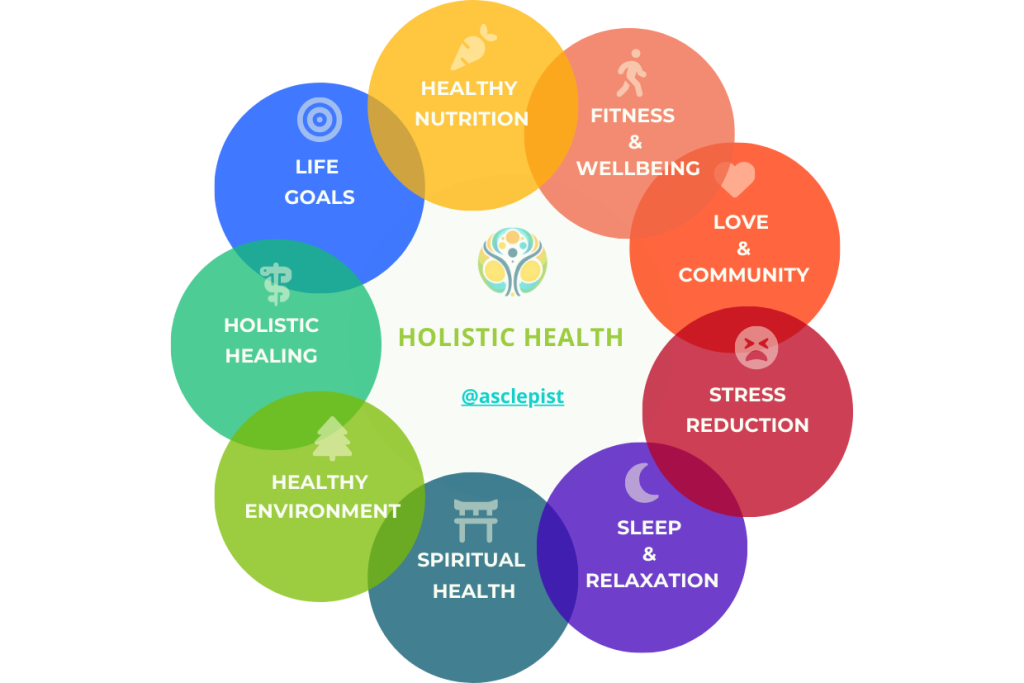
To truly integrate sexual wellness, we must first understand its intricate connections to every facet of our being. Holistic health recognizes that the mind, body, and spirit are not separate entities but an interconnected system, a dynamic whole. When one aspect is out of balance, it inevitably affects the others. Sexual wellness is not an exception; it is a powerful conduit through which these connections manifest.
2.1 Physical Health: The Body’s Symphony of Sensation
Sexual health is fundamentally rooted in physical well-being. A robust sexual life often reflects a healthy body, and conversely, issues in sexual function can signal underlying physical concerns.
- Cardiovascular Health: Sexual arousal and orgasm involve significant blood flow. Erectile dysfunction, for instance, is often an early warning sign of cardiovascular disease, indicating compromised blood vessel health. Similarly, healthy blood flow is crucial for clitoral sensitivity and vaginal lubrication. Regular, healthy sexual activity can even contribute to cardiovascular fitness.
- Hormonal Balance: Hormones (testosterone, estrogen, progesterone, oxytocin, dopamine, serotonin) are the orchestrators of sexual desire, arousal, and satisfaction. Imbalances, whether due to stress, aging, medical conditions, or lifestyle factors, can profoundly impact libido, mood, and physical responsiveness. Optimizing hormonal health through diet, exercise, stress management, and, if necessary, medical intervention, directly supports sexual vitality.
- Nervous System Function: The nervous system is the highway for sexual sensation and response. A healthy nervous system allows for optimal sensitivity, transmission of pleasure signals, and the coordination required for arousal and orgasm. Chronic stress, neurological conditions, or nerve damage can disrupt these pathways, impacting sexual function. Practices that support nervous system regulation, like mindfulness and deep breathing, are therefore critical.
- Pelvic Floor Health: Often overlooked, the pelvic floor muscles play a pivotal role in sexual function for all genders. Strong, yet flexible, pelvic floor muscles contribute to sensation, orgasm intensity, and bladder/bowel control. Dysfunction (tightness, weakness) can lead to pain during intercourse (dyspareunia), difficulty achieving orgasm, or urinary incontinence, all of which significantly impact sexual confidence and pleasure. Pelvic floor physical therapy is a game-changer for many.
- Immune System and Inflammation: Chronic inflammation and a compromised immune system can drain energy, reduce libido, and contribute to general malaise, all of which detract from sexual desire and capacity. Conversely, positive sexual experiences can release endorphins and reduce stress, potentially bolstering immune function.
- Sleep Quality: Sleep is restorative. Lack of quality sleep disrupts hormone regulation, increases stress hormones (cortisol), and reduces overall energy and mood, all of which directly suppress libido and sexual interest. Prioritizing sleep is a non-negotiable component of sexual wellness.
2.2 Mental & Emotional Health: The Mind-Body-Pleasure Connection
The mind is arguably the most powerful sexual organ. Our thoughts, feelings, beliefs, and emotional state profoundly shape our sexual experiences.
- Self-Esteem and Body Image: How we feel about ourselves and our bodies directly impacts our willingness to be vulnerable, expressive, and present during sexual encounters. Negative body image, shame, or low self-esteem can lead to self-consciousness, performance anxiety, or avoidance of intimacy altogether. Cultivating self-compassion and a positive body relationship is foundational to sexual well-being.
- Stress, Anxiety, and Depression: These mental health challenges are potent libido killers. Chronic stress floods the body with cortisol, diverting energy away from "non-essential" functions like sex. Anxiety (performance anxiety, social anxiety) can make intimacy feel daunting, while depression often manifests as anhedonia – the inability to experience pleasure – which naturally extends to sexual pleasure. Addressing these conditions through therapy, mindfulness, and lifestyle changes is paramount for sexual revitalization.
- Pleasure and Joy: Sexual wellness is not just about avoiding problems; it’s about embracing pleasure, joy, and connection. Cultivating a mindset that values pleasure, allows for spontaneity, and prioritizes enjoyable experiences contributes to overall emotional richness and resilience.
- Trauma: Past sexual or emotional trauma can profoundly impact an individual’s capacity for intimacy, trust, and pleasure. Healing from trauma, often with the support of a trauma-informed therapist, is a critical step in reclaiming sexual agency and experiencing safe, fulfilling intimacy.
2.3 Spiritual Health: The Soul’s Intimate Dance
While often overlooked in secular discussions of sexual health, the spiritual dimension adds a profound layer of meaning and connection.
- Connection and Transcendence: For many, sex is a deeply spiritual experience – a way to connect with another human being on a profound level, to transcend the ego, and to feel part of something larger than oneself. This can be an experience of unity, sacredness, and deep intimacy.
- Vulnerability and Authenticity: True intimacy requires vulnerability. When we allow ourselves to be seen, touched, and experienced in our rawest form, we engage in a spiritual act of trust and authenticity. This fosters a deeper connection not only with a partner but also with our own authentic self.
- Purpose and Meaning: For some, sexual expression is tied to their sense of purpose, creativity, or life force. Embracing this energy can contribute to a feeling of aliveness and spiritual vibrancy.
- Mindfulness and Presence: Being fully present in a sexual encounter, rather than distracted by worries or external thoughts, is a form of mindfulness. This deep presence can elevate the experience from purely physical to spiritually resonant.
2.4 Relational Health: The Dance of Two (or More) Souls
Sexual wellness rarely exists in a vacuum. It is deeply intertwined with the health of our relationships, whether with a partner, multiple partners, or even our relationship with ourselves.
- Communication: Open, honest, and empathetic communication is the bedrock of healthy sexual relationships. This includes discussing desires, boundaries, fantasies, concerns, and preferences. A lack of communication breeds misunderstanding, resentment, and unmet needs, eroding intimacy.
- Trust and Safety: Feeling safe and trusting a partner (or oneself) is fundamental to sexual liberation and pleasure. Without trust, vulnerability is impossible, and true intimacy cannot flourish.
- Intimacy (Emotional & Physical): Beyond just sex, emotional intimacy – sharing thoughts, feelings, and vulnerabilities – creates the fertile ground for physical intimacy to be meaningful and fulfilling. Sexual wellness nurtures and is nurtured by this broader sense of closeness.
- Conflict Resolution: All relationships experience conflict. How couples navigate disagreements and repair ruptures impacts the emotional climate, which in turn affects sexual desire and connection.
Part 3: The Pillars of Integration – A Practical Framework
Integrating sexual wellness into a holistic health routine requires intentionality, self-compassion, and a willingness to challenge societal norms. It’s a journey, not a destination, and involves continuous learning and adaptation.
3.1 Cultivating Self-Awareness & Exploration
The journey begins within. Understanding your own body, desires, boundaries, and responses is paramount.
- Mindfulness & Body Mapping: Dedicate time to mindfully explore your own body without judgment. What sensations arise? Where do you hold tension? What feels pleasurable? This can be done through self-touch, masturbation, or simply paying attention to your body’s signals throughout the day.
- Journaling & Reflection: Write down your thoughts, feelings, and experiences related to sexuality. What beliefs do you hold? What are your fears? What do you desire? This self-reflection can uncover hidden patterns or unexamined assumptions.
- Understanding Your Cycle (if applicable): For those with menstrual cycles, understanding hormonal fluctuations can provide insight into changing libido, energy levels, and emotional states, allowing for greater self-compassion and planning.
- Pleasure Mapping: Identify what truly brings you pleasure, both sexually and non-sexually. Expanding your definition of pleasure beyond just penetrative sex can open up new avenues of exploration and satisfaction.
3.2 Mastering Open Communication
Communication is the most powerful tool in your sexual wellness toolkit.
- With Yourself: Practice self-talk that is compassionate and affirming. Acknowledge your desires and needs without judgment.
- With Partners:
- Start Small: Begin by discussing non-sexual intimacy (e.g., how you feel connected).
- Use "I" Statements: Focus on your feelings and needs ("I feel X when Y happens," "I would love to try Z").
- Active Listening: Pay attention to your partner’s words and body language.
- Create a Safe Space: Choose a calm, non-pressured time to talk. Emphasize that you’re seeking understanding, not blame.
- Discuss Desires & Boundaries: Clearly communicate what you enjoy, what you’re curious about, and what your limits are. Consent is an ongoing conversation, not a one-time event.
- With Healthcare Providers: Find a doctor, therapist, or specialist you trust and feel comfortable speaking with. Don’t be afraid to bring up sexual concerns; they are legitimate health issues. If one provider dismisses you, seek another.
3.3 Lifestyle as Medicine: The Foundational Elements
The same lifestyle practices that support overall health are crucial for sexual wellness.
- Nutrition: A balanced diet rich in whole foods, healthy fats, vitamins (especially D and B vitamins), and minerals (zinc, magnesium) supports hormonal balance, energy levels, and circulation. Hydration is also key.
- Movement & Exercise: Regular physical activity improves cardiovascular health, boosts mood, reduces stress, enhances body image, and can increase energy and stamina – all beneficial for sexual function and desire. Pelvic floor exercises (Kegels, reverse Kegels, general pelvic floor relaxation) can be particularly impactful.
- Sleep Hygiene: Prioritize 7-9 hours of quality sleep per night. Establish a consistent sleep schedule, create a relaxing bedtime routine, and optimize your sleep environment.
- Stress Management: Chronic stress is a significant libido killer. Integrate stress-reducing practices into your daily life: meditation, deep breathing exercises, spending time in nature, hobbies, or therapy.
- Mind-Body Practices: Yoga, Tai Chi, Qigong, and even ecstatic dance can help you connect with your body, release tension, and cultivate a sense of embodied presence that enhances sexual experience. Tantra, in its broader sense, is a philosophy that integrates sexuality with spirituality and mindfulness.
3.4 Seeking Professional Guidance
Sometimes, the journey requires expert navigation. Don’t hesitate to seek out qualified professionals.
- Sex Therapists: These specialists are trained to help individuals and couples address a wide range of sexual concerns, from desire discrepancies and orgasm difficulties to communication breakdowns and sexual trauma.
- Pelvic Floor Physical Therapists: Essential for addressing pain during sex, incontinence, prolapse, or difficulty with orgasm related to pelvic muscle dysfunction.
- Endocrinologists: Can help diagnose and manage hormonal imbalances that impact sexual function.
- Mental Health Professionals (Therapists, Counselors): For underlying anxiety, depression, body image issues, or trauma that may be impacting sexual well-being.
- Urologists/Gynecologists: For physiological assessments and to rule out or treat medical conditions affecting sexual health.
- Integrative Practitioners: Naturopaths, acupuncturists, or functional medicine doctors can offer complementary approaches to support hormonal balance and overall vitality.
3.5 Cultivating a Supportive Environment
Your social and cultural environment also plays a role in your sexual wellness journey.
- Media Literacy: Be critical of media portrayals of sex and relationships, which are often unrealistic, heteronormative, and performance-focused. Seek out diverse and body-positive representations.
- Community: Connect with like-minded individuals or support groups who are open to discussing sexual health in a healthy, empowering way.
- Advocacy: Support initiatives that promote comprehensive sex education, sexual rights, and destigmatize sexual health discussions.
Part 4: Overcoming Obstacles & Embracing the Journey
Integrating sexual wellness is a continuous process, and you will inevitably encounter obstacles.
- Challenging Internalized Shame: Recognize that societal shame around sex is learned, not innate. Consciously challenge negative self-talk and replace it with self-compassion and acceptance.
- Navigating Life Stages: Sexual wellness evolves throughout life. Puberty brings new sensations and questions; pregnancy and postpartum periods shift hormones and body image; menopause can bring dryness and changes in desire. Acknowledge these shifts and adapt your approach with patience and understanding.
- Addressing Trauma with Sensitivity: For those with a history of trauma, approaching sexual wellness requires immense sensitivity, patience, and often professional support. The goal is to reclaim agency and redefine safe, pleasurable intimacy on your own terms.
- Managing Expectations: Not every sexual encounter will be mind-blowing, and libido fluctuates naturally. Focus on connection, presence, and mutual pleasure rather than performance or unrealistic ideals.
Conclusion: The Narrative of Wholeness Continues
The story of holistic health is incomplete without the vibrant chapter of sexual wellness. To truly live a life of total well-being, we must embrace our sexuality not as a separate, problem-focused domain, but as an integral, dynamic force that intertwines with every aspect of our existence.
By deconstructing the historical silos, understanding the profound interconnectedness of sexual health with our physical, mental, emotional, spiritual, and relational selves, and by adopting intentional, actionable strategies, we can embark on a transformative journey. This journey is one of self-discovery, open communication, radical self-acceptance, and deep connection.
Integrating sexual wellness into your total health routine is more than just addressing dysfunction; it is about cultivating pleasure, fostering intimacy, enhancing vitality, and embracing the full spectrum of human experience. It is a radical act of self-love and self-preservation, a commitment to living authentically and fully. As knowledgeable individuals already on the path of holistic living, the invitation now is to expand your definition of health to its fullest, most vibrant potential, allowing sexual wellness to take its rightful place as a celebrated cornerstone of your complete and integrated self. The narrative of your wholeness is waiting to be written, and it promises to be rich, resonant, and profoundly fulfilling.