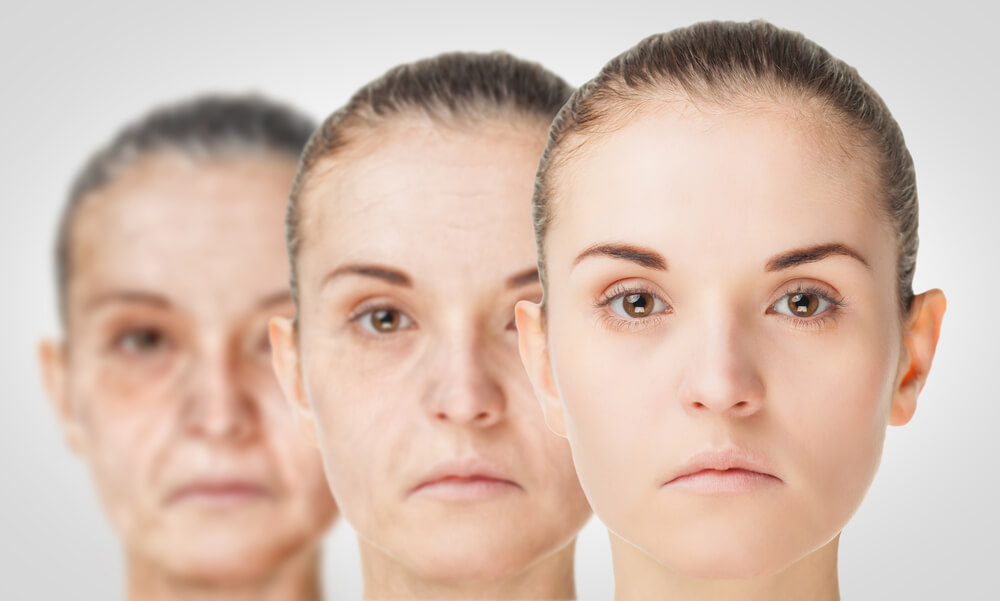

The quest for eternal youth, or at least a significantly extended, vibrant life, has captivated humanity since time immemorial. From mythical elixirs to cutting-edge CRISPR technology, we’ve chased countless avenues in the hope of cheating time. Yet, what if one of the most potent, accessible, and undeniably pleasurable "secrets" to longevity has been hiding in plain sight, dismissed as mere recreation or a biological imperative? What if the very act of experiencing sexual pleasure holds a profound, perhaps even underestimated, key to not just living longer, but living better, more vibrantly, and more fully?
This isn’t a sensational claim pulled from the pages of a tabloid. Instead, it’s an exploration rooted in a growing body of scientific inquiry, ancient wisdom, and the undeniable interconnectedness of mind, body, and spirit. As we peel back the layers of human physiology, psychology, and social interaction, a compelling narrative emerges: sexual pleasure, in its multifaceted glory, may be a powerful, life-affirming force that actively contributes to our longevity and overall well-being.
The Evolutionary Whisper: Pleasure as a Primal Driver
To understand the anti-aging potential of sexual pleasure, we must first acknowledge its fundamental role in our existence. Evolution didn’t design sex solely for procreation; it hardwired us for the exquisite pleasure associated with it precisely to ensure the continuation of the species. This pleasure is a powerful motivator, a primal whisper that transcends logical reasoning, urging us towards connection and intimacy. But beyond the obvious reproductive imperative, what other evolutionary advantages might such profound pleasure confer?
Consider the immediate aftermath of sexual activity: a profound sense of calm, connection, and often, deep relaxation leading to sleep. This isn’t accidental. The body orchestrates a complex symphony of hormones and neurochemicals during and after sex, designed to soothe, repair, and rejuvenate. It’s a physiological reset button, a temporary reprieve from the constant demands and stressors of life. And it is in this very reset, this profound biological experience, that we begin to uncover its anti-aging potential.
The Hormonal Symphony: A Cascade of Youthful Elixirs
Sexual activity, particularly leading to orgasm, triggers a remarkable cascade of neurochemicals and hormones that are intimately linked to health and vitality. These aren’t just fleeting sensations; they are powerful biological agents that actively work to maintain our systems, repair damage, and promote a sense of well-being that, in turn, contributes to a longer, healthier life.
Oxytocin: The "Love Hormone" and Beyond
Often dubbed the "love hormone" or "cuddle chemical," oxytocin surges during touch, intimacy, and orgasm. Its role extends far beyond bonding. Oxytocin is a potent stress reducer, directly counteracting the damaging effects of cortisol, the primary stress hormone. Chronic stress is a known accelerator of aging, contributing to everything from inflammation and telomere shortening to cardiovascular disease and impaired immune function. By regularly flooding the system with oxytocin, sexual pleasure acts as a natural buffer against these age-accelerating stressors. Furthermore, research suggests oxytocin has anti-inflammatory properties and may play a role in wound healing and cellular regeneration, hinting at its broader regenerative potential.
Dopamine: The Reward & Motivation Molecule
The anticipation and experience of sexual pleasure are heavily mediated by dopamine, the neurotransmitter associated with reward, motivation, and pleasure. A healthy dopamine system is crucial for mood regulation, cognitive function, and maintaining a sense of purpose and engagement in life. Regular dopamine surges, such as those experienced during sex, can help maintain neural pathways, potentially bolstering cognitive resilience against age-related decline. The feeling of wanting, seeking, and achieving pleasure keeps the brain active and engaged, a vital component of mental longevity.
Serotonin: Mood, Sleep, and Well-being
Another key player is serotonin, which regulates mood, sleep, appetite, and digestion. Post-orgasmic relaxation is often attributed to a serotonin release, promoting a sense of calm and contentment. Adequate serotonin levels are essential for combating depression and anxiety, both of which are linked to poorer health outcomes and reduced lifespan. By contributing to balanced serotonin levels, sexual pleasure indirectly supports mental health, which is inextricably linked to physical health and longevity.
Endorphins: Nature’s Painkillers and Mood Boosters
During intense physical activity and pleasure, the body releases endorphins, natural opioids that relieve pain and induce feelings of euphoria. These "runner’s high" chemicals also contribute to the post-orgasmic glow, reducing physical discomfort and promoting a sense of well-being. Chronic pain and discomfort can significantly diminish quality of life and accelerate aging processes. Regular endorphin releases offer a natural way to manage these, keeping the body feeling more youthful and resilient.
Testosterone & Estrogen: Vitality for All Ages
While often associated with reproductive health, testosterone and estrogen are vital for overall vitality in both men and women. Testosterone, present in both sexes, contributes to muscle mass, bone density, energy levels, and libido. Estrogen plays a crucial role in bone health, cardiovascular function, and cognitive sharpness in women. Regular sexual activity can help maintain healthy levels of these hormones, counteracting the age-related decline that often leads to decreased energy, muscle loss, and bone fragility. Maintaining these hormonal balances contributes to physical strength and resilience, which are hallmarks of healthy aging.
DHEA: The "Anti-Aging Hormone"
Dehydroepiandrosterone (DHEA) is often referred to as the "anti-aging hormone" due to its wide-ranging benefits, including boosting the immune system, improving mood, increasing energy, and maintaining bone and muscle mass. Some studies suggest a correlation between higher DHEA levels and more frequent sexual activity. While the exact causal link is still being researched, it’s plausible that the overall physiological activation and hormonal balancing act of sexual pleasure could contribute to maintaining healthy DHEA levels, thereby supporting a multitude of anti-aging processes.
The Body’s Internal Gym: Physical Benefits of Sexual Activity
Beyond the hormonal symphony, the physical act of sex itself offers a range of benefits that mirror those of light to moderate exercise, contributing directly to physical longevity.
Cardiovascular Health: Sexual activity elevates heart rate and blood pressure, akin to a brisk walk or a short jog. Regular engagement can contribute to better cardiovascular fitness, improved circulation, and potentially a reduced risk of heart disease and stroke. Studies have shown that men who have sex two or more times a week have a lower risk of fatal heart attacks than those who have sex less frequently. While correlation doesn’t equal causation, it highlights a potential protective effect.
Immune System Boost: As mentioned, stress reduction is a key benefit, and a less stressed body is an immune-stronger body. Some research suggests that individuals who engage in regular sexual activity have higher levels of immunoglobulin A (IgA), an antibody that plays a crucial role in protecting the body against common colds and other infections. A robust immune system is fundamental to fending off age-related diseases and maintaining vitality.
Pain Relief: Endorphins released during sex act as natural painkillers, offering temporary relief from headaches, arthritis, and other chronic aches. This natural analgesic effect can improve quality of life and reduce reliance on external pain medication, which often comes with its own set of side effects.
Improved Sleep: The post-orgasmic release of oxytocin, serotonin, and prolactin (a hormone associated with satiety and relaxation) can induce deep, restful sleep. Quality sleep is paramount for cellular repair, hormone regulation, and cognitive function – all critical components of healthy aging. Chronic sleep deprivation, conversely, accelerates aging processes and increases the risk of numerous health problems.
Pelvic Floor Strength: For women, regular sexual activity and orgasm can help strengthen pelvic floor muscles, which are crucial for bladder control, core stability, and preventing conditions like prolapse that can become more common with age. For men, regular ejaculation has been linked to a reduced risk of prostate cancer, though more research is needed to fully understand this complex relationship.
The Mind-Body Nexus: Pleasure’s Psychological Resonance
Longevity isn’t just about the physical body; it’s profoundly influenced by our mental and emotional states. Here, sexual pleasure truly shines, acting as a powerful balm for the psyche and a catalyst for psychological well-being.
Stress Reduction and Resilience: The profound stress-reducing effects of sexual pleasure are perhaps its most immediate and impactful anti-aging benefit. Chronic stress leads to elevated cortisol, which damages DNA, shortens telomeres (protective caps on chromosomes linked to cellular aging), and promotes inflammation. By providing a natural, regular antidote to stress, sex helps preserve cellular integrity and reduce systemic inflammation, slowing down the aging process at a fundamental level.
Enhanced Mood and Reduced Depression/Anxiety: The cocktail of dopamine, serotonin, and endorphins released during sex is a potent mood enhancer. Regular sexual pleasure can significantly reduce symptoms of depression and anxiety, fostering a more positive outlook on life. A joyful, optimistic disposition is strongly correlated with better health outcomes and increased longevity. People who feel happy and connected are more likely to engage in healthy behaviors and possess greater resilience in the face of life’s challenges.
Improved Self-Esteem and Body Image: A healthy, fulfilling sex life can significantly boost self-esteem and promote a positive body image. Feeling desired, capable, and connected to one’s own sensuality fosters a sense of self-worth that radiates into all aspects of life. This confidence can lead to better self-care, a willingness to engage in social activities, and a proactive approach to health, all contributing to a longer, more vibrant life.
Cognitive Function and Mental Acuity: While not a direct brain exercise in the traditional sense, the emotional and physiological benefits of sexual pleasure can indirectly support cognitive function. Reduced stress, improved sleep, and enhanced mood all contribute to better concentration, memory, and overall mental sharpness. Furthermore, the intimacy and connection often associated with sex provide social stimulation, which is a known protective factor against cognitive decline.
The Social Fabric: Connection, Intimacy, and a Life Well-Lived
Humans are fundamentally social creatures. Loneliness and social isolation are increasingly recognized as significant risk factors for early mortality, comparable to smoking or obesity. Sexual pleasure, particularly within the context of a loving relationship, is a powerful engine for connection and intimacy, weaving a protective social fabric around us.
Deepening Relationships: For many, sex is a profound expression of love, trust, and vulnerability. It strengthens bonds, fosters emotional intimacy, and creates a shared history that enriches life. Strong, supportive relationships are consistently linked to increased longevity and improved quality of life. The regular reaffirmation of connection through sexual pleasure helps maintain these vital social ties.
Combating Loneliness: Even casual, consensual sexual encounters can provide a sense of human connection and physical touch, both of which are essential for well-being. For those in committed relationships, a fulfilling sex life is a powerful antidote to loneliness, ensuring a partner to share life’s joys and challenges.
Sense of Purpose and Vitality: The feeling of being desired, loved, and sexually vibrant can instill a deep sense of purpose and vitality. It reminds us of our aliveness, our capacity for joy, and our connection to another human being. This sustained sense of aliveness, of having something to live for and someone to share it with, is an often-overlooked but crucial component of a long and fulfilling life.
Nuances, Caveats, and a Broader Perspective
It is crucial to approach this topic with nuance and a critical eye. While the evidence for the benefits of sexual pleasure is compelling, it’s important to acknowledge certain considerations:
Correlation vs. Causation: Many studies linking sexual activity to health and longevity are correlational. It’s possible that healthier people, to begin with, simply have more energy and opportunity for sex. However, the known physiological mechanisms (hormone release, stress reduction, exercise benefits) strongly suggest a causal link in many areas. It’s likely a virtuous cycle: healthier people have more sex, and more sex contributes to better health.
Defining "Pleasure": The benefits discussed aren’t limited to penetrative intercourse within a traditional relationship. Self-pleasure (masturbation) offers many of the same physiological and psychological benefits, including stress reduction, hormone release, and improved sleep. The key is the experience of pleasure and orgasm, regardless of the source. Intimacy, touch, and emotional connection, even without orgasm, also contribute significantly to well-being.
Individual Differences: Not everyone has the same libido or capacity for sexual activity throughout their lives, and that is perfectly normal. The goal isn’t to prescribe a specific frequency but to emphasize the importance of sexual well-being and finding ways to experience pleasure and intimacy that are fulfilling for the individual. For some, this may involve active sexual lives well into old age; for others, it may mean different forms of intimacy and connection.
Beyond Sex: Sexual pleasure is a powerful component of longevity, but it is not the only component. A holistic approach to health and longevity must also include a balanced diet, regular exercise, adequate sleep, genetic predispositions, environmental factors, and a strong social support network. Sex pleasure should be viewed as one vital piece of a larger, intricate puzzle.
The Ancient Wisdom and Modern Rediscovery
Across cultures and throughout history, various traditions have intuitively understood the link between sexual energy, vitality, and well-being. Tantric and Taoist practices, for instance, have long emphasized the cultivation and circulation of sexual energy not just for pleasure, but for spiritual growth, physical health, and extended vitality. While these traditions often frame it in metaphysical terms, their core tenets resonate with modern scientific findings: harnessing and appreciating the power of sexual energy can be profoundly life-affirming.
In the modern era, as we shed some of the historical taboos surrounding sex, we are increasingly able to openly explore and acknowledge its profound impact on our health. This shift allows for a more holistic understanding of human well-being, where pleasure is not just a fleeting indulgence but a fundamental aspect of a thriving, long life.
Conclusion: Embracing Pleasure as an Engine of Life
The anti-aging secret, it turns out, might not be found in a futuristic pill or a complex genetic modification, but in the very core of our human experience: the capacity for pleasure, particularly sexual pleasure. It is a biological imperative that simultaneously reduces stress, boosts immunity, fortifies the cardiovascular system, balances hormones, enhances mood, and deepens our connections to others. It’s an internal alchemy that transforms fleeting sensation into sustained vitality.
To embrace sexual pleasure as a key to longevity is to embrace life itself in its most vibrant and authentic form. It is to acknowledge that our pursuit of a long life should not be devoid of joy, intimacy, and profound human connection, but rather, enriched by them. So, as we continue our quest for extended youth and vitality, perhaps the most profound secret lies not in fighting the aging process, but in fully living and loving within it, allowing the exquisite power of pleasure to be a guiding force, propelling us towards a longer, healthier, and undeniably more joyful existence. The anti-aging secret, it seems, whispers not from a distant laboratory, but from the very heart of our human experience, urging us to feel, connect, and live fully.