
In the quiet hours before dawn, when the world is still hushed, we often find ourselves contemplating the passage of time. We look at the lines etched around our eyes, the subtle shift in our posture, the fleeting moments of forgetfulness, and we wonder: what does it truly mean to age gracefully? Is it merely the absence of wrinkles, a serene smile, or a perfectly maintained exterior? Or is it something far deeper, something that resonates from within, dictating not just how we look, but how we live?
The conventional narrative of aging often paints a picture of gentle decline. We’re told to slow down, to be careful, to embrace softer pursuits. For generations, the idea of robust physical exertion, particularly strength training, was seen as the domain of the young, the athletic, or the vain. For those navigating their golden years, the prescription was often limited to leisurely strolls, gentle yoga, or perhaps a swim. And while these activities hold their own undeniable merits, they often fall short of addressing the silent, insidious threats that truly undermine our capacity for a vibrant, independent, and graceful old age.
But a revolution is underway, not with a bang, but with the quiet, persistent hum of scientific discovery and the inspiring stories of countless individuals who have defied the old paradigms. We are learning that the key to unlocking a truly graceful aging process – one defined by vitality, autonomy, cognitive sharpness, and emotional resilience – lies not in slowing down, but in consciously, strategically, and progressively strengthening ourselves. Strength training, once relegated to the periphery of senior wellness, is now emerging as the foundational pillar, the unseen architecture that allows us to build a life of enduring capability, long after the calendar pages have turned.
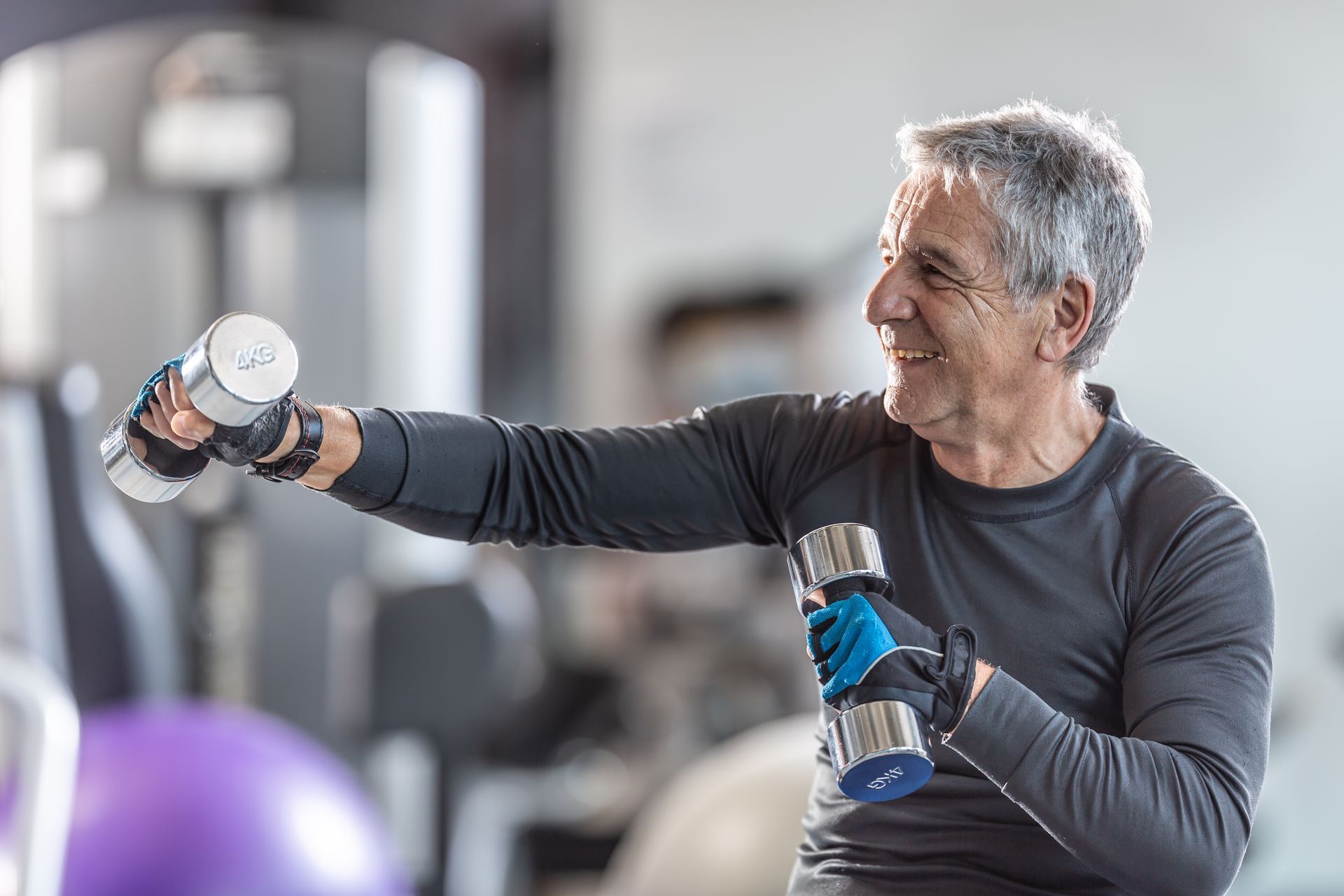
Imagine, for a moment, an elder who moves with an almost effortless fluidity. They rise from a low chair without struggle, carry their own groceries with ease, climb stairs without a second thought, and possess a twinkle in their eye that speaks of energy and engagement. Their posture is upright, their stride confident, their hands steady. This isn’t just luck, nor is it merely good genetics. More often than not, this is the living embodiment of a body and mind consistently challenged and nourished through strength training. This is graceful aging, not as a passive acceptance of decline, but as an active, empowering defiance.
Deconstructing Graceful Aging: More Than Just Aesthetics
To truly understand why strength training is indispensable, we must first redefine what "graceful aging" truly means. It transcends superficial appearances and delves into the very core of human function and experience:
- Physical Autonomy: The ability to perform daily tasks without assistance, to move freely and without pain, to maintain independence.
- Cognitive Sharpness: A mind that remains engaged, curious, and capable of learning, remembering, and adapting.
- Emotional Resilience: The capacity to navigate life’s inevitable challenges with a sense of calm, purpose, and optimism.
- Vibrant Social Engagement: The energy and confidence to connect with others, participate in communities, and pursue passions.
- Freedom from Chronic Pain & Limitations: A body that supports, rather than hinders, a full and active life.
Strength training is not merely a tool for building bigger muscles; it is the master key that unlocks and fortifies each of these dimensions, laying the groundwork for an aging process that is not just tolerable, but truly exceptional.
The Silent Erosion: Why We Need to Fight Back
As we age, our bodies undergo predictable, often unwelcome, transformations. These aren’t just cosmetic; they are fundamental shifts that impact our quality of life.
-
Sarcopenia: The Stealthy Thief of Muscle: Beginning as early as our 30s, and accelerating after 50, we start losing muscle mass and strength at an alarming rate – approximately 3-8% per decade. This condition, known as sarcopenia, is far more than just a reduction in bicep size. It leads to general weakness, increased risk of falls, slower metabolism, and diminished physical capacity. The simple act of rising from a chair, once effortless, becomes a monumental task. The ability to react quickly to prevent a fall diminishes. Our metabolic engine slows, making weight management a perpetual struggle and increasing the risk of chronic diseases.
-
Osteoporosis: Bones Becoming Brittle: Parallel to muscle loss, our bone density also begins to wane, especially for women post-menopause. Osteoporosis, characterized by porous and fragile bones, turns minor slips into devastating fractures, often leading to a cascade of complications, loss of independence, and even increased mortality.
-
Compromised Balance and Stability: As muscle strength declines and sensory systems (vision, proprioception) become less acute, our balance becomes increasingly precarious. A simple uneven pavement or a sudden turn can lead to a fall, a leading cause of injury, disability, and fear among older adults.
-
Metabolic Dysfunction: With less muscle mass and often a more sedentary lifestyle, our bodies become less efficient at processing glucose, leading to insulin resistance, increased risk of type 2 diabetes, and a greater propensity for weight gain and cardiovascular issues.
These are not inevitable sentences but challenges that can be met head-on. Strength training is our most potent weapon in this fight, not just slowing these declines, but often reversing them, allowing us to reclaim lost ground and build a stronger foundation for the years ahead.
The Pillars of Strength Training for a Resilient Future
Let’s delve deeper into the specific, scientifically-backed ways strength training acts as the ultimate antidote to the ravages of time, forging a path toward a truly graceful old age.
Pillar 1: Preserving and Building Muscle Mass – Sarcopenia’s Nemesis
The most direct and perhaps most obvious benefit of strength training is its profound impact on muscle. For decades, the medical community believed that muscle loss in older age was irreversible. We now know this is simply not true. Muscle, even in our 80s and 90s, remains highly adaptable and responsive to resistance.
When you lift weights, whether it’s your own body weight, dumbbells, resistance bands, or machines, you create microscopic tears in your muscle fibers. In the recovery phase, your body repairs these tears, making the fibers thicker and stronger. This process, known as hypertrophy, is not just for bodybuilders. For older adults, it’s about reclaiming functional strength.
- Reversing the Tide of Sarcopenia: Regular strength training directly counters muscle atrophy. It doesn’t just slow the loss; it can reverse it, adding back valuable muscle mass. This means easier movement, greater power for daily tasks, and a profound sense of physical capability.
- Boosting Metabolism: Muscle is metabolically active tissue. The more muscle you have, the more calories your body burns, even at rest. This helps manage weight, prevents the accumulation of visceral fat (which is linked to numerous chronic diseases), and improves overall metabolic health.
- Enhanced Glucose Regulation: Muscle acts as a major glucose sink, meaning it absorbs glucose from the bloodstream. More muscle mass translates to improved insulin sensitivity and better blood sugar control, significantly reducing the risk of type 2 diabetes.
Imagine being able to confidently lift your grandchildren, carry your own luggage through an airport, or simply open a stubborn jar without assistance. This isn’t just about showing off; it’s about maintaining a tangible connection to the world around you, unburdened by frailty.
Pillar 2: Fortifying Bones – Osteoporosis’s Counterpart
Bones are living tissues, constantly remodeling themselves in response to stress. When you engage in strength training, you place mechanical stress on your bones. This stress signals to the bone cells (osteoblasts) to lay down new bone tissue, making them denser and stronger. This phenomenon, known as Wolff’s Law, is why astronauts lose bone density in zero gravity and why athletes often have denser bones than sedentary individuals.
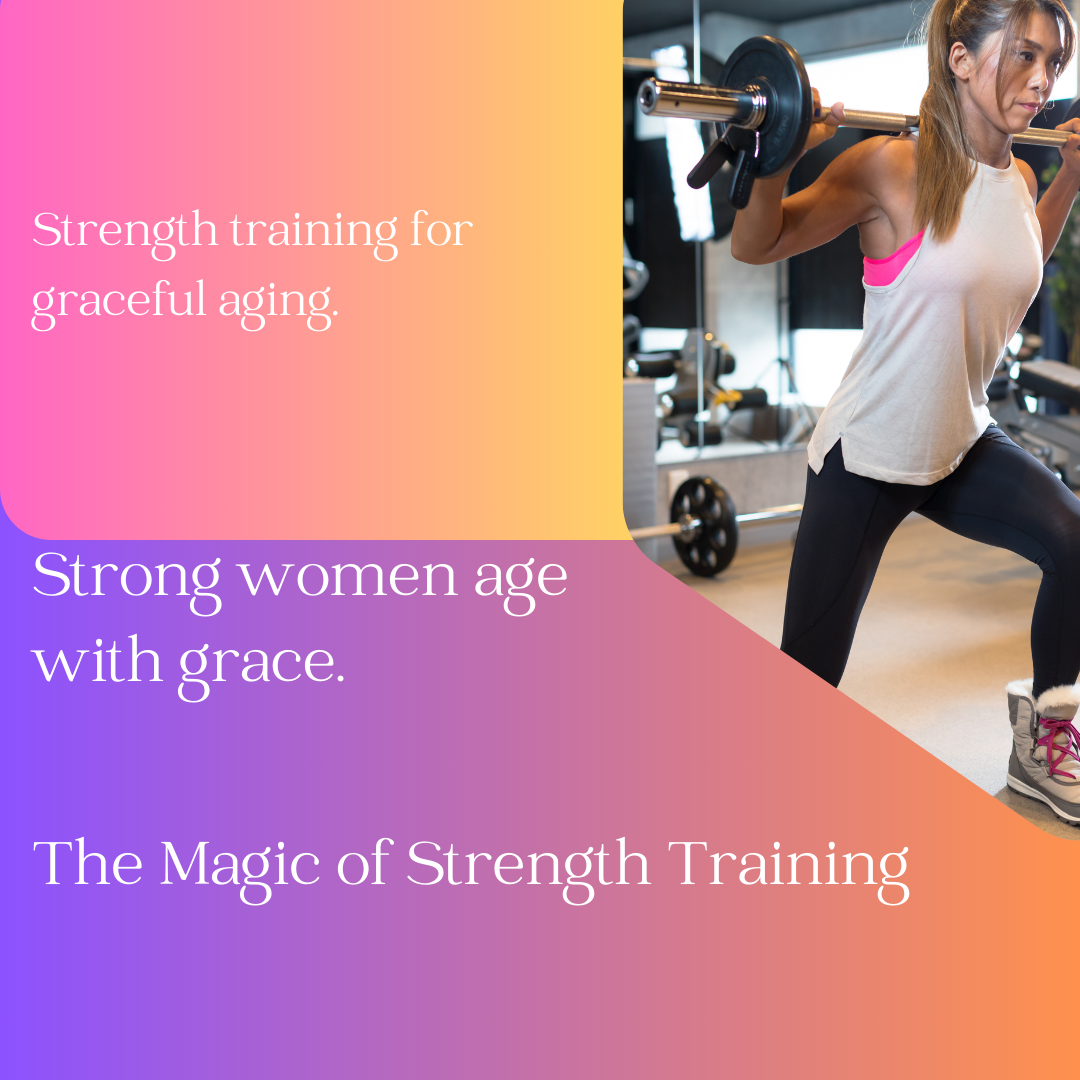
- Combating Osteoporosis: Strength training, particularly exercises that involve lifting weights or resisting gravity (like squats, lunges, deadlifts, overhead presses), is one of the most effective non-pharmacological interventions for improving bone mineral density. It reduces the risk of fractures, especially in critical areas like the hips and spine, which can be life-altering.
- Beyond Calcium: While calcium and Vitamin D are crucial for bone health, they are not enough on their own. Without the mechanical loading provided by strength training, the body doesn’t receive the signal to actively build new bone.
This means a stronger skeletal framework, capable of withstanding everyday bumps and falls, providing a robust foundation for a long and active life, free from the pervasive fear of debilitating fractures.
Pillar 3: Enhancing Balance, Stability, and Mobility – Fall Prevention and Functional Independence
Falls are a silent epidemic among older adults, often marking a turning point toward decreased independence. Strength training is a powerful preventative measure.
- Improved Proprioception and Kinesthetic Awareness: By performing controlled movements against resistance, you train your nervous system to better understand where your body is in space. This "body awareness" (proprioception) is crucial for balance and coordination.
- Strengthening Core and Stabilizer Muscles: Many strength training exercises, especially compound movements, engage the core muscles (abdomen, back, hips) and smaller stabilizing muscles around joints. A strong core is the bedrock of good balance and posture.
- Functional Strength for Daily Tasks: Exercises like squats, lunges, and step-ups directly mimic movements we perform daily: getting up from a chair, climbing stairs, stepping over obstacles. By making these movements stronger, we make them safer and more efficient.
- Faster Reaction Time: Strength training improves muscle power, which is the ability to generate force quickly. This is vital for reacting to a stumble and preventing a fall.
Imagine walking confidently on uneven terrain, reaching for something on a high shelf without feeling unsteady, or stepping off a curb with ease. This isn’t just about preventing falls; it’s about maintaining the freedom to navigate your world without fear or limitation.
Pillar 4: A Shield Against Chronic Disease – Metabolic and Cardiovascular Health
The benefits of strength training extend far beyond muscles and bones, reaching deep into our physiological systems to offer robust protection against many of the chronic diseases that plague aging populations.
- Type 2 Diabetes Prevention and Management: As previously mentioned, increased muscle mass improves insulin sensitivity and glucose uptake, making strength training a cornerstone strategy for both preventing and managing type 2 diabetes. It helps regulate blood sugar levels more effectively than cardio alone.
- Cardiovascular Health: While cardio is excellent for heart health, strength training also plays a crucial role. It can help lower blood pressure, improve cholesterol profiles (reducing LDL, increasing HDL), and enhance the overall health of blood vessels. It makes the heart work more efficiently by reducing the workload on the cardiovascular system when performing physical tasks.
- Obesity Management: By increasing muscle mass and metabolic rate, strength training helps burn more calories and reduces body fat. A healthier body composition (more muscle, less fat) is strongly linked to a reduced risk of numerous chronic diseases.
- Alleviating Arthritis Symptoms: Counterintuitively, strengthening the muscles around arthritic joints can often reduce pain and improve function. Strong muscles provide better support, absorb shock, and improve joint stability, which can significantly alleviate symptoms of conditions like osteoarthritis.
This translates to fewer medications, greater energy, and a significantly reduced risk of the debilitating diseases that often define aging for many, allowing for a life of sustained vitality.
Pillar 5: The Cognitive Connection – Brain Health and Neuroplasticity
The link between physical activity and cognitive function is one of the most exciting areas of research. While aerobic exercise has long been lauded for its brain-boosting effects, strength training is increasingly recognized as a powerful cognitive enhancer.
- Enhanced Blood Flow to the Brain: Physical exertion, including strength training, improves circulation, ensuring a steady supply of oxygen and nutrients to the brain.
- Release of Neurotrophic Factors: Strength training stimulates the release of brain-derived neurotrophic factor (BDNF), often called "Miracle-Gro for the brain." BDNF promotes the growth of new brain cells, improves synaptic plasticity (the ability of brain cells to communicate effectively), and protects existing neurons.
- Improved Executive Function: Studies show that strength training can enhance executive functions, which include planning, problem-solving, attention, and working memory – skills critical for independent living and navigating complex situations.
- Reduced Risk of Cognitive Decline: Regular strength training has been associated with a reduced risk of age-related cognitive decline, including dementia and Alzheimer’s disease.
- Mental Challenge and Learning: Learning new exercises, focusing on form, and progressively increasing weight or repetitions provides a cognitive challenge that keeps the brain active and engaged, fostering neuroplasticity.
Imagine maintaining your mental sharpness, your ability to learn new skills, and your capacity for critical thinking well into your later years. This cognitive vitality is a cornerstone of graceful aging, ensuring you remain an active, engaged participant in the world.
Pillar 6: The Unseen Strength – Mental and Emotional Resilience
Beyond the physiological, strength training nurtures a profound sense of mental and emotional well-being that is crucial for graceful aging.
- Boost in Self-Efficacy and Confidence: Achieving new strength goals, no matter how small, fosters a powerful sense of accomplishment and self-efficacy. This belief in one’s own capability extends beyond the gym, empowering individuals to tackle other life challenges with greater confidence.
- Reduced Symptoms of Depression and Anxiety: Exercise, particularly resistance training, is a potent mood elevator. It releases endorphins, reduces stress hormones, and provides a structured outlet for mental energy, significantly alleviating symptoms of depression and anxiety.
- Improved Sleep Quality: Regular physical activity, especially strength training, can lead to deeper, more restorative sleep, which is vital for physical and mental recovery.
- Sense of Purpose and Mastery: The ongoing journey of strength training offers a tangible goal, a sense of purpose, and the satisfaction of continuous improvement and mastery – powerful antidotes to feelings of stagnation or decline.
- Social Connection: Whether in a gym, a class, or with a personal trainer, strength training often provides opportunities for social interaction and community, combating isolation, which is a significant risk factor for poor health in older adults.
This holistic well-being translates into a greater capacity for joy, a stronger sense of purpose, and the mental fortitude to embrace the challenges and opportunities that come with each new chapter of life. It is the very essence of emotional grace.
Dispelling the Myths: Addressing Common Fears and Misconceptions
Despite the overwhelming evidence, many misconceptions still deter individuals from embracing strength training in their later years. It’s time to dismantle them.
-
"I’m too old to start; it’s too late for me." This is perhaps the most pervasive and damaging myth. The human body, regardless of age, retains its remarkable capacity for adaptation. Studies consistently show that individuals in their 70s, 80s, and even 90s can significantly increase their muscle mass and strength through resistance training. It’s never too late to begin reaping the benefits. The improvements might not be as rapid as a 20-year-old, but they are substantial and profoundly impactful on quality of life.
-
"Strength training will make me ‘bulk up’ or look masculine." This fear is particularly common among women. Rest assured, gaining significant muscle mass (the kind that leads to a "bulky" physique) requires an extremely specific, intense training regimen, a high caloric intake, and often, specific hormonal profiles that are not typical for most older adults, especially women. For the vast majority, strength training will lead to a toned, strong, and functional physique, not a bulky one. The benefits of strength and health far outweigh any aesthetic concerns.
-
"It’s dangerous; I’ll get injured." Any physical activity carries a risk of injury if performed improperly. However, strength training, when done correctly with proper form, appropriate weights, and progressive overload, is remarkably safe. In fact, by strengthening muscles and improving balance, it significantly reduces the risk of injury from falls and other daily activities. Starting with lighter weights, focusing on technique, and ideally, seeking guidance from a qualified professional specializing in older adults can mitigate risks.
-
"I prefer cardio; that’s enough for my health." While cardiovascular exercise is undoubtedly crucial for heart health and endurance, it does not provide the same benefits for muscle and bone density that strength training does. Cardio and strength training are complementary, not mutually exclusive. For optimal health and graceful aging, a balanced fitness regimen that includes both is essential.
-
"It’s boring or repetitive." Strength training can be incredibly varied and engaging. It’s not just about lifting heavy weights. It can involve bodyweight exercises, resistance bands, kettlebells, medicine balls, machines, and functional movements that mimic everyday activities. The progress you see, the new skills you acquire, and the feeling of growing stronger can be incredibly motivating and far from boring.
Your Roadmap to a Stronger Future: How to Begin
For the knowledgeable audience, the question isn’t "why," but "how." Here’s a practical roadmap to integrate strength training into your life for truly graceful aging:
-
Consult Your Doctor: Before embarking on any new exercise program, especially if you have pre-existing health conditions, a medical clearance is essential. Discuss your intentions and any concerns you might have.
-
Seek Qualified Professional Guidance: This is perhaps the most crucial step. A certified personal trainer or strength coach, ideally one with experience working with older adults, can assess your current fitness level, understand your goals, design a safe and effective program, teach you proper form, and guide your progression. This investment in expertise can prevent injury and accelerate results.
-
Start Slow, Focus on Form: Begin with lighter weights or bodyweight exercises to master the correct technique. Good form is paramount to prevent injury and ensure the target muscles are effectively engaged. Progress gradually as your strength improves.
-
Embrace Progressive Overload: The body adapts. To continue getting stronger, you must progressively challenge your muscles. This means gradually increasing the weight, repetitions, sets, or decreasing rest time as you get stronger. This principle is fundamental to continued progress.
-
Aim for Consistency: Two to three strength training sessions per week, with a day of rest in between for muscle recovery, is a great starting point. Consistency over intensity is key in the long run.
-
Variety is the Spice of Life (and Strength): Incorporate a range of exercises that target all major muscle groups (legs, back, chest, shoulders, arms, core). Use different equipment to keep things interesting and challenge your muscles in new ways. Functional movements (squats, lunges, presses, rows) are particularly beneficial as they translate directly to daily activities.
-
Listen to Your Body: Pay attention to pain signals. Some muscle soreness (DOMS) after a workout is normal, but sharp, persistent pain is a sign to stop and reassess. Rest and recovery are as important as the training itself.
-
Prioritize Nutrition and Hydration: Support your muscle growth and recovery with adequate protein intake (especially important for older adults), a balanced diet rich in whole foods, and plenty of water.
The Story Continues: Living Proof
Consider Eleanor, who at 72, decided she was tired of feeling frail. She started with bodyweight squats against a wall, then progressed to holding light dumbbells. Now, at 78, she deadlifts with impressive form, hikes regularly, and volunteers at a local animal shelter, effortlessly handling heavy bags of dog food. Her doctor marvels at her bone density, her children are inspired by her vitality, and Eleanor herself delights in her newfound freedom to travel and pursue her passions without physical limitations.
Or David, a retired engineer, who felt his mind slipping. He started strength training at 68, not for muscles, but for the mental challenge. Learning proper form, focusing on the mind-muscle connection, and tracking his progress ignited a spark. Now 75, he’s sharper than ever, tackling complex woodworking projects and teaching online courses, crediting his consistent gym routine for keeping his brain engaged and his body capable.
These are not anomalies. They are testaments to the incredible power of the human body and spirit when given the right stimulus. They represent graceful aging in its most authentic form – an aging defined not by what’s lost, but by what’s gained and maintained through conscious effort.
Conclusion: An Investment in a Lifetime of Grace
Graceful aging is not a passive state of gentle decline; it is an active pursuit, a deliberate choice to invest in the quality of your future self. It is the decision to cultivate a body and mind that remain capable, resilient, and vibrant, rather than simply succumbing to the default settings of time.
Strength training is not just about vanity; it is about agency. It is about retaining the power to choose how you live, where you go, and what you do, unencumbered by physical limitations. It is about maintaining your dignity, your independence, and your joy in the face of time’s relentless march. It is about ensuring that the stories you tell in your later years are not just memories of the past, but vibrant accounts of a life still fully lived, still actively engaged, and still powerfully capable.
So, as you contemplate the path ahead, consider the unseen architecture you are building. Choose to reinforce your foundation, to strengthen your pillars, and to sculpt a future where aging gracefully isn’t a wish, but a reality forged in the unwavering commitment to your own enduring strength. The weights are waiting, and with them, the promise of a life lived with unwavering grace.