
From the first flutter of attraction to the profound solace of a trusted friend, from the thrill of a hard-won victory to the quiet contentment of a shared meal, pleasure is a fundamental thread woven into the tapestry of human existence. For centuries, it was often dismissed as a frivolous pursuit, a distraction from more serious endeavors. Yet, beneath the surface of these fleeting sensations, a sophisticated biochemical symphony plays out, orchestrated by a cast of molecular characters that do far more than merely make us feel good. Among the most compelling protagonists in this internal drama are oxytocin and dopamine, two powerful neurochemicals that, in their intricate dance, not only sculpt our experiences of joy and connection but also possess an astonishing capacity to heal the body.
This is not merely a story of fleeting gratification; it is a narrative of profound physiological and psychological repair. It’s a tale that reveals how the very mechanisms that drive us towards connection, reward, and happiness are simultaneously fortifying our immune systems, mending our tissues, calming our nervous systems, and fostering resilience in the face of adversity. To understand this healing power, we must first introduce our leading players and then observe their remarkable synergy.
Dopamine: The Architect of Drive, Reward, and Motivation
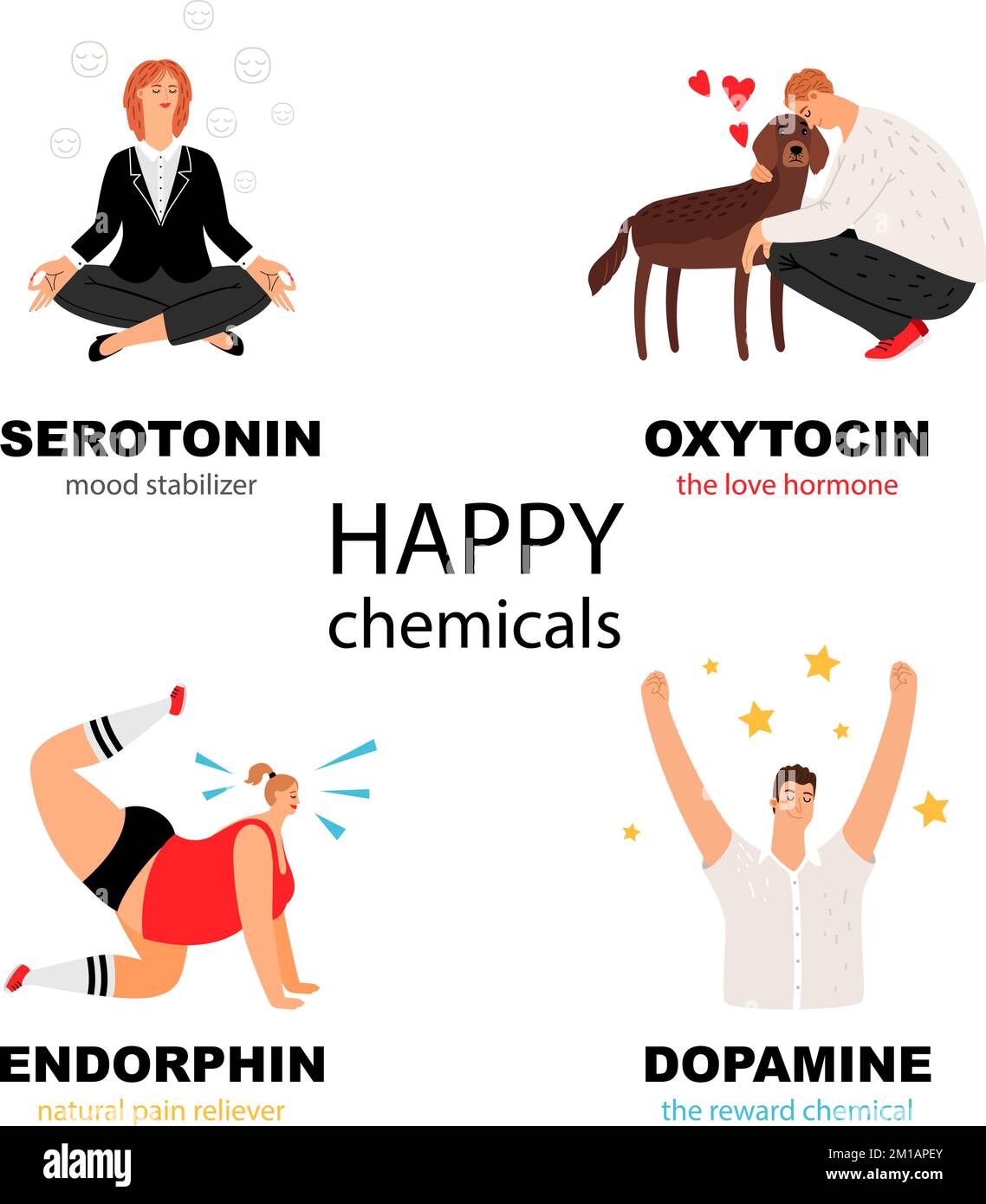
Imagine a vibrant inner landscape, a bustling metropolis where ambition, desire, and the thrill of pursuit ignite constant activity. This is the domain of dopamine, often hailed as the "reward chemical," but whose role is far more nuanced and fundamental than mere pleasure. Dopamine is a neurotransmitter, a chemical messenger that transmits signals between nerve cells in the brain. Its primary function is not the feeling of pleasure itself, but rather the anticipation of pleasure and the motivation to seek it out. It is the guiding star that pushes us forward, the engine that propels us towards goals, and the architect of learning through reward.
When we set a goal – whether it’s mastering a new skill, achieving a personal best, or simply finding a lost item – dopamine levels rise in anticipation. The surge isn’t when we get the reward, but when we expect it. This anticipation creates a powerful drive, focusing our attention and energizing our efforts. Once the goal is achieved, a subsequent dopamine release reinforces the behavior, making us more likely to repeat actions that led to a positive outcome. This is the neurochemical basis of habit formation, both good and bad.
Dopamine’s Healing Narrative:
How does this intricate system of drive and reward translate into healing? The connection is profound and multi-faceted:
-
Motivation for Recovery: Healing, particularly from chronic illness, injury, or addiction, is often a long, arduous journey. It requires discipline, perseverance, and the willingness to endure discomfort. Dopamine provides the crucial motivational fuel for this process. The prospect of regaining health, overcoming pain, or achieving sobriety becomes a powerful reward signal, triggering dopamine release that sustains effort through setbacks and challenges. Adhering to a physical therapy regimen, taking medication consistently, or engaging in difficult introspection in therapy are all behaviors driven, in part, by the dopamine system anticipating the reward of improved well-being.
-
Learning and Neuroplasticity: Our brains are remarkably adaptable, capable of rewiring themselves in response to new experiences – a process known as neuroplasticity. Dopamine plays a critical role in this. When we learn new coping mechanisms, adopt healthier habits, or even re-learn motor skills after an injury, dopamine reinforces the neural pathways associated with these beneficial actions. It helps the brain to recognize and strengthen the connections that lead to positive outcomes, facilitating recovery and adaptation. For instance, in stroke rehabilitation, dopamine-enhancing therapies are explored to boost the brain’s capacity to re-learn lost functions.
-
Overcoming Apathy and Depression: Chronic illness and pain can lead to profound apathy and depression, sapping individuals of the will to engage in life-sustaining activities. Dysregulation of the dopamine system is a hallmark of many mood disorders. By re-engaging the reward pathways through meaningful activities, small achievable goals, and positive social interactions, dopamine can begin to restore motivation, alleviate anhedonia (the inability to experience pleasure), and encourage participation in healing-oriented behaviors. Even the smallest steps towards recovery, when recognized and reinforced, can trigger a dopamine release that initiates a virtuous cycle.
-
Pain Modulation: While not a direct analgesic in the way endorphins are, dopamine influences our perception of pain. The anticipation of pain relief, or the reward of successfully distracting oneself from pain, can engage dopamine pathways. Moreover, dopamine’s role in motivation means it can drive individuals to seek out and adhere to pain management strategies, from exercise to medication, ultimately contributing to better pain outcomes.
However, dopamine is a double-edged sword. Its relentless pursuit of reward can also lead to destructive patterns, as seen in addiction. When external stimuli (drugs, gambling, unhealthy behaviors) hijack the dopamine system, the drive for reward becomes pathologically intense, overshadowing all other motivations and leading to compulsive seeking despite negative consequences. True healing requires harnessing dopamine’s power in the service of sustainable, healthy rewards.
Oxytocin: The Alchemist of Connection, Calm, and Compassion
If dopamine is the spark of individual ambition, oxytocin is the warm, encompassing glow of connection. Often dubbed the "love hormone" or "cuddle chemical," oxytocin is both a neurotransmitter in the brain and a hormone circulating throughout the body. Its primary domain is social bonding, trust, empathy, and nurturing behaviors. It is released during physical touch, intimacy, childbirth, and breastfeeding, fostering deep attachments and a sense of belonging.
Oxytocin cultivates an internal landscape of safety and connection. It promotes pro-social behaviors, reduces fear and anxiety, and enhances our ability to understand and respond to the emotions of others. It helps us feel secure enough to be vulnerable, to ask for help, and to offer comfort.
Oxytocin’s Healing Narrative:
The healing power of oxytocin is perhaps even more profound and direct than dopamine’s, acting as a potent anti-inflammatory, stress-reducer, and immune system booster:
-
Stress Reduction and HPA Axis Modulation: Chronic stress is a silent killer, leading to a cascade of physiological damage, from cardiovascular disease to weakened immunity. The body’s primary stress response system is the Hypothalamic-Pituitary-Adrenal (HPA) axis, which releases cortisol, the main stress hormone. Oxytocin acts as a powerful antagonist to this system. Its release directly dampens the HPA axis, reducing cortisol levels and mitigating the physiological effects of stress. This creates a state of calm and safety, essential for the body to focus its resources on repair and regeneration rather than fight-or-flight.
-
Anti-inflammatory Effects: Inflammation is the body’s natural response to injury or infection, but chronic, low-grade inflammation is implicated in nearly every major disease. Emerging research highlights oxytocin’s remarkable anti-inflammatory properties. It can reduce the production of pro-inflammatory cytokines and enhance the activity of anti-inflammatory pathways. By calming the inflammatory storm within the body, oxytocin creates a more conducive environment for cellular repair and tissue regeneration, playing a direct role in physical healing from injury, illness, and even autoimmune conditions.
-
Pain Modulation: Oxytocin has a significant analgesic effect. It can directly influence pain perception by activating endogenous opioid systems and modulating neural pathways involved in pain processing. This means that social support, physical touch, and feelings of connection – all mediated by oxytocin – can literally reduce the sensation of pain, making chronic conditions more manageable and recovery less agonizing. The comfort of a loved one’s presence during illness is not just psychological; it has a real physiological basis in pain relief.
-
Immune System Enhancement: The mind-body connection is undeniable, and oxytocin is a key bridge. By reducing stress and inflammation, oxytocin indirectly supports a robust immune system. Chronic stress suppresses immune function, making the body more susceptible to illness and hindering its ability to fight off pathogens. By buffering stress, oxytocin helps the immune system operate at optimal capacity, aiding in recovery from infections and supporting overall health.
-
Facilitating Social Support and Attachment Healing: Human beings are fundamentally social creatures. Isolation and loneliness are as detrimental to health as smoking or obesity. Oxytocin is the chemical foundation for building and maintaining the social bonds that are vital for healing. In therapy, for example, the therapeutic alliance – the trust and connection between client and therapist – is profoundly influenced by oxytocin. This sense of safety and acceptance allows individuals to process trauma, confront difficult emotions, and heal attachment wounds, which often underlie physical and mental health issues.
Like dopamine, oxytocin also has its nuances. While promoting in-group bonding, it can, in some contexts, enhance out-group suspicion. However, its overarching role in fostering connection and empathy remains overwhelmingly positive for health and well-being.
The Grand Symphony: How Dopamine and Oxytocin Dance Together to Heal
While individually powerful, the true magic of dopamine and oxytocin lies in their synergistic relationship, a delicate and dynamic interplay that forms the very core of our capacity for pleasure and healing. They are not soloists but members of a grand orchestra, each enhancing the performance of the other, creating a symphony of well-being.
Consider the following examples of their collaboration:
- Mother-Infant Bonding: A classic example. The baby’s suckling triggers oxytocin release in the mother, fostering bonding and milk let-down. Simultaneously, the baby’s presence and nurturing behavior stimulate dopamine pathways, reinforcing the reward of caregiving and motivating continued attachment. This deep, primal bond is a profound source of healing for both, providing security for the child and a sense of purpose and fulfillment for the mother, reducing her stress and boosting her resilience.
- Romantic Love and Intimacy: The initial "rush" of new love is heavily dopamine-driven – the excitement, the anticipation, the intense focus on the beloved. As the relationship deepens, oxytocin floods in during moments of intimacy, touch, and shared vulnerability, solidifying trust and attachment. This combination creates a powerful feedback loop: oxytocin makes social connection profoundly rewarding, while dopamine drives us to seek out and maintain those connections. A healthy, loving relationship provides consistent stress reduction, emotional support, and a sense of belonging – all powerful healing agents.
- Friendship and Community: The shared laughter, mutual support, and collaborative efforts within friendships and communities activate both systems. Dopamine rewards our efforts to connect and contribute, while oxytocin deepens the bonds of trust and empathy. Being part of a supportive community offers a buffer against life’s stressors, provides practical help during illness, and fosters a sense of meaning and purpose, all of which are critical for both physical and mental recovery.
- Therapeutic Relationships: A skilled therapist cultivates a safe, trusting environment (oxytocin-rich) where a client feels secure enough to explore challenging issues. As the client makes progress, overcomes fears, or gains insights, the sense of accomplishment and relief triggers dopamine, reinforcing the therapeutic process and motivating further engagement. The synergy between feeling safe to open up and feeling rewarded for growth is a powerful healing mechanism.
When dopamine and oxytocin work in concert, they create a virtuous cycle: the pleasure and motivation driven by dopamine lead us to seek out connection, which is then solidified and made deeply rewarding by oxytocin. This interconnectedness is not merely feel-good; it’s a fundamental biological imperative for survival and thriving.
The Healing Mechanism Unveiled: Deeper Dive
Let’s delve deeper into the specific physiological pathways through which this neurochemical partnership orchestrates healing:
-
Regulating the Stress Response (HPA Axis and SNS): Chronic activation of the HPA axis (cortisol) and the sympathetic nervous system (SNS, adrenaline/noradrenaline) is detrimental. Oxytocin directly inhibits the activity of both, reducing the release of stress hormones. Dopamine, when released in response to positive anticipation and reward, can also shift the balance towards the parasympathetic nervous system, promoting a "rest and digest" state. This reduction in physiological stress load allows the body’s resources to be diverted from defense to repair. Blood pressure lowers, heart rate stabilizes, and inflammation markers decrease, all creating optimal conditions for healing.
-
Modulating Inflammation and Immune Function: Chronic inflammation is a major contributor to diseases like cardiovascular disease, diabetes, neurodegenerative disorders, and autoimmune conditions. Oxytocin has been shown to reduce levels of pro-inflammatory cytokines (e.g., IL-6, TNF-alpha) and increase anti-inflammatory mediators. By calming the body’s inflammatory responses, oxytocin helps prevent cellular damage and promotes tissue repair. The reduced stress facilitated by both oxytocin and healthy dopamine activity also prevents immune suppression, allowing the body to mount effective responses against pathogens and abnormal cells.
-
Enhancing Pain Management: Pain is a complex experience influenced by physiological, psychological, and social factors. Oxytocin directly influences pain pathways in the spinal cord and brain, often by stimulating the release of endogenous opioids (like endorphins), which are natural painkillers. Dopamine’s role in motivation and reward can also help individuals manage chronic pain by reinforcing coping strategies, adherence to treatment plans, and engaging in activities that provide distraction or a sense of accomplishment. The comfort derived from social support (oxytocin) can significantly alter pain perception, making it more bearable.
-
Promoting Neurogenesis and Neuroplasticity: Both neurochemicals contribute to the brain’s ability to heal and adapt. Dopamine’s role in reward-based learning is crucial for neuroplasticity – the brain’s ability to reorganize itself by forming new neural connections. This is vital for recovery from brain injury, learning new skills, and adapting to new circumstances. Oxytocin, particularly in areas like the hippocampus (involved in memory and emotion), has been linked to neurogenesis (the growth of new brain cells) and enhanced synaptic plasticity, further supporting brain health and resilience against conditions like depression and anxiety.
-
Facilitating Behavioral Change and Adherence: Healing often necessitates significant behavioral changes – altering diet, increasing exercise, quitting harmful habits, or engaging in therapy. Dopamine provides the initial drive and sustained motivation for these changes, reinforcing successful efforts. Oxytocin, by fostering trust and social support, makes it easier to seek and accept help, adhere to challenging protocols, and maintain new behaviors. The combined effect creates a powerful engine for self-improvement and sustained well-being.
Cultivating Your Inner Pharmacy: Harnessing Oxytocin and Dopamine for Healing
Understanding the "how" is only half the story; the other half is the "what now?" How can we consciously cultivate these powerful neurochemicals to foster healing in our own lives? The good news is that many of the activities that bring us joy and connection are precisely what activate our inner pharmacy.
-
Prioritize Meaningful Social Connection: This is paramount for oxytocin.
- Physical Touch: Hugs (20 seconds or more for optimal oxytocin release), holding hands, cuddling, massage. These are direct pathways to oxytocin.
- Deep Conversations: Sharing vulnerabilities, listening actively, and truly connecting with others.
- Community Engagement: Volunteering, joining clubs, participating in group activities.
- Pets: Interacting with animals, especially dogs and cats, can significantly boost oxytocin levels.
-
Set and Achieve Small, Meaningful Goals: To leverage dopamine effectively.
- Break Down Big Goals: Make recovery or personal growth manageable by setting daily or weekly mini-goals. Celebrate each accomplishment, no matter how small.
- Learn New Skills: The process of mastery, even in a hobby, provides consistent dopamine hits and builds self-efficacy.
- Engage in Purposeful Work: Finding meaning in your daily tasks, whether professional or personal, taps into the reward system.
-
Practice Mindfulness and Meditation: These techniques can balance both systems.
- Stress Reduction: Mindfulness directly reduces cortisol, creating an environment where oxytocin can thrive and exert its calming effects.
- Present Moment Awareness: It can help to break the cycle of dopamine-driven craving by bringing attention to the present, rather than constantly seeking external stimulation.
-
Engage in Physical Activity: Exercise is a powerful neurochemical cocktail.
- Endorphins: The "runner’s high" is well-known, reducing pain and inducing euphoria.
- Dopamine: Achieving fitness goals or simply completing a workout provides a dopamine reward.
- Oxytocin: Group exercise, team sports, or even walking with a friend can boost oxytocin.
-
Cultivate Compassion and Altruism: Giving is often more rewarding than receiving.
- Helping Others: Acts of kindness and generosity have been shown to increase oxytocin and activate reward pathways, creating a powerful feel-good loop.
- Self-Compassion: Treating oneself with kindness and understanding, especially during illness or struggle, can reduce stress and foster an internal sense of safety.
-
Embrace Play and Laughter: These are potent mood elevators.
- Laughter: Triggers endorphins, reduces stress, and strengthens social bonds (oxytocin).
- Play: Whether with children, friends, or simply engaging in lighthearted activities, play stimulates dopamine pathways and fosters connection.
The Nuances and the Shadows
It’s important to acknowledge that this is not a simplistic "more is always better" scenario. The neurochemical systems are incredibly complex and operate within individual biological and environmental contexts.
- Individual Variability: Genetic predispositions, past experiences, and current health status all influence how individuals respond to these neurochemicals.
- Context Matters: The same touch can be comforting (oxytocin-boosting) or threatening, depending on the context and relationship. The same reward can be healthy (dopamine-boosting) or addictive.
- The Dark Side: As mentioned, dopamine can drive addiction, and oxytocin, while generally prosocial, can sometimes contribute to in-group/out-group biases. The goal is balance and conscious cultivation, not indiscriminate activation.
Conclusion: Pleasure as a Pathway to Wholeness
The journey through the chemistry of pleasure reveals a profound truth: feeling good is not a mere luxury but a fundamental biological imperative for healing and thriving. Oxytocin and dopamine, far from being fleeting messengers of hedonism, are architects of our resilience, master builders of our capacity for repair, and the guiding stars of our social and personal well-being.
They remind us that the simple joys – a warm embrace, the satisfaction of a job well done, the laughter shared with loved ones, the pursuit of a meaningful goal – are not peripheral to health. They are central. They are the chemical catalysts that mend our broken parts, calm our stressed systems, fortify our defenses, and connect us to the vital web of human experience.
In a world often fixated on pharmacological interventions and complex medical procedures, the wisdom of our own bodies offers a powerful, accessible, and deeply human pathway to healing. By consciously cultivating connection, purpose, and moments of genuine pleasure, we are not just indulging ourselves; we are actively engaging our inner pharmacy, activating the very mechanisms that allow us to not just survive, but to truly heal and flourish. The chemistry of pleasure is, in essence, the chemistry of life itself, reminding us that joy and well-being are inextricably linked to our innate capacity for restoration and wholeness.