
In the intricate tapestry of human relationships, few threads are as vital, yet often as misunderstood or neglected, as the act of making love. It is frequently relegated to the realm of physical gratification, a biological imperative, or a mere recreational activity. However, to truly comprehend the enduring strength and vitality of a long-term partnership, one must look beyond the superficial and delve into the profound, multi-layered significance of intimate physical connection. Making love, in its deepest sense, is not merely sex; it is a profound language, a powerful ritual, and an indispensable cornerstone for cultivating and sustaining emotional intimacy, trust, and resilience over the decades.
For a knowledgeable audience, it’s imperative to dissect this phenomenon with both sensitivity and intellectual rigor, moving past societal euphemisms and personal discomforts to explore its psychological, neurobiological, and relational underpinnings. The story of every enduring relationship is, in part, the story of how two individuals navigate the ebb and flow of desire, vulnerability, and physical connection, transforming a fleeting act into a continuous, enriching dialogue that fortifies their shared existence.
Beyond the Physical: Redefining "Making Love"
To truly grasp its essential nature, we must first liberate the concept of "making love" from its narrow, often performance-driven, definition. It is not simply coitus, nor is it a checklist of physical acts aimed at a specific outcome. Instead, making love is an act of profound surrender and presence, a holistic experience that engages mind, body, and spirit. It is the conscious, intentional act of seeking to connect with another human being at their most vulnerable, a wordless conversation that expresses desire, affection, reassurance, and acceptance.
Consider the stark difference between purely recreational sex and making love. While both involve physical contact, the latter imbues the experience with a deeper emotional resonance. It’s about eye contact that lingers, touches that communicate tenderness beyond mere stimulation, and shared breaths that synchronize two separate beings into a singular rhythm. It’s about the willingness to be utterly exposed, not just physically, but emotionally, allowing your partner to witness your desires, insecurities, and unadulterated self without judgment. This redefinition is critical because it elevates the act from a transactional exchange to a transformative experience, a sacred space where the very fabric of the relationship is woven tighter and stronger. It acknowledges that the quality of connection matters infinitely more than the frequency or technical proficiency.
The Neurobiological Underpinnings of Connection: A Chemical Symphony
Our bodies are exquisitely wired for connection, and making love orchestrates a symphony of neurochemicals that reinforce bonding and well-being. Understanding this biological blueprint helps us appreciate the deeply embedded importance of physical intimacy.
At the forefront of this chemical cascade is oxytocin, often dubbed the "love hormone" or "cuddle chemical." Released in significant quantities during orgasm, but also through affectionate touch, kissing, and cuddling, oxytocin plays a crucial role in social bonding, trust, and attachment. It fosters feelings of contentment, calmness, and security, effectively counteracting stress. When partners regularly engage in intimate physical acts, they are, in essence, continually flooding their systems with a powerful bonding agent, strengthening their emotional ties and deepening their sense of mutual reliance and safety. This chemical embrace creates a positive feedback loop: intimacy leads to oxytocin release, which enhances bonding, which in turn encourages more intimacy.
Alongside oxytocin, dopamine, the neurotransmitter associated with pleasure and reward, surges during sexual activity. This creates a powerful reinforcement mechanism, associating the partner and the act of intimacy with feelings of joy and satisfaction. This reward system not only motivates individuals to seek out such experiences again but also solidifies the positive association with their partner, making them a source of profound pleasure and fulfillment.
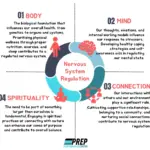
Furthermore, making love can influence serotonin levels, contributing to improved mood and a sense of well-being, and can reduce cortisol, the primary stress hormone. The physical exertion and emotional release can act as a powerful stress reliever, helping couples to shed the burdens of daily life and find solace in each other’s arms. The deep, often rhythmic breathing and vagal nerve stimulation involved in intimate contact also promote a parasympathetic nervous system response, leading to relaxation and co-regulation between partners. This scientific grounding firmly establishes that making love is not merely a psychological or emotional act; it is a fundamental biological necessity for sustaining a healthy, deeply connected partnership.
Making Love as a Communication Tool: Beyond Words
In the vast lexicon of human communication, words often fall short. They can be misinterpreted, withheld, or simply inadequate to express the depths of emotion. This is where making love steps in as a potent, non-verbal language, capable of conveying messages that transcend linguistic boundaries. It is a dialogue of bodies, souls, and intentions.
Consider a moment of profound sadness or anxiety. While words of comfort are important, the act of holding, caressing, and intimately connecting can communicate empathy, reassurance, and unwavering support in a way that mere phrases cannot. It can say, "I see you, I feel you, and you are not alone." Conversely, in moments of joy and triumph, making love can be an ecstatic celebration, a shared expression of exhilaration and gratitude for the partnership.
This physical language also serves as a critical means of expressing desire and appreciation. In long-term relationships, it’s easy to fall into routine and take a partner for granted. The intentional act of making love reconfirms attraction, reaffirms commitment, and reminds both individuals of their unique allure to one another. It’s a way of saying, "I still desire you, deeply and passionately." This constant affirmation is vital for individual self-esteem within the relationship and for the collective sense of being cherished. It allows partners to communicate needs, boundaries, and fantasies in a safe, shared space, fostering a deeper understanding of each other’s inner worlds.
The Pillar of Emotional Intimacy: Vulnerability and Trust
At its core, making love is an act of profound vulnerability. To invite another person into your most intimate physical space, to allow them to witness your body, your sounds, your raw emotions, requires immense trust. This shared vulnerability is not a weakness but a cornerstone of emotional intimacy.
When partners consistently engage in this mutual exposure, they build a robust foundation of trust. Each intimate encounter becomes a reaffirmation: "I trust you with myself, and I know you trust me with yourself." This deep trust extends beyond the bedroom, permeating other aspects of the relationship. It fosters a sense of psychological safety, where both individuals feel secure enough to be authentic, to share fears, dreams, and imperfections without fear of judgment or rejection.
Without this emotional intimacy, physical intimacy can feel hollow or transactional. Sex without vulnerability might provide momentary pleasure, but it fails to forge the deeper bonds that sustain a relationship through challenges. It’s the emotional resonance, the sense of being truly seen and accepted in one’s entirety, that elevates making love from a physical act to a soul-nourishing experience. This shared space of acceptance also cultivates profound empathy, as partners learn to tune into each other’s emotional and physical states, anticipating needs and responding with compassion.
Rekindling the Spark: Counteracting Relationship Erosion
All relationships, no matter how passionate their beginnings, are susceptible to the erosive forces of time, routine, and external stressors. The initial "honeymoon phase," characterized by intense passion and novelty, naturally wanes as familiarity sets in and life’s responsibilities mount. Work pressures, child-rearing, financial anxieties, and the sheer monotony of daily life can gradually chip away at the spontaneous desire and connection that once defined the partnership.
Making love serves as a deliberate antidote to this erosion. It is a conscious act of prioritization, a commitment to setting aside time and energy for the relationship itself, beyond its functional aspects. It’s a way of saying, "Despite everything else, we are important." This regular re-engagement allows couples to step out of their everyday roles – parent, provider, caretaker – and reclaim their identity as lovers. It reminds them of the unique, primal bond they share, reigniting the spark that might otherwise dim under the weight of routine.
Think of a couple, decades into their marriage, who consciously carve out time for intimacy. It’s not always spontaneous, nor is it always a grand romantic gesture. Sometimes, it’s a quiet evening where they simply hold each other, rediscovering the comfort and warmth of their shared history. These moments, however brief or understated, are powerful acts of renewal. They counteract complacency, prevent partners from taking each other for granted, and continuously inject vitality back into the relationship, ensuring that the emotional and physical intimacy remains a living, breathing aspect of their shared life.
Problem-Solving and Conflict Resolution: The Art of Reconciliation
Conflict is an inevitable part of any long-term relationship. Disagreements, misunderstandings, and moments of frustration are natural. While open communication and active listening are crucial for resolving these issues, making love can play a unique and often underestimated role in the reconciliation process.
The phenomenon of "make-up sex" is more than just a cliché; it points to a profound truth about human connection. After an argument, when emotions are raw and tension is high, physical intimacy can serve as a powerful bridge. It offers a non-verbal apology, a physical affirmation of love and commitment that transcends the immediate dispute. It’s a way of saying, "Even though we disagree, my love for you remains intact, and our connection is paramount."
The physiological effects of making love—the release of oxytocin and dopamine, the reduction of stress hormones—can help to de-escalate tension, promote feelings of empathy, and restore a sense of calm and closeness. It provides a space for emotional release and can facilitate a return to a state of emotional safety where more constructive dialogue can then occur. Rather than merely "forgetting" the argument, the act of making love helps partners to reconnect on a fundamental level, reminding them of the love that underpins their relationship and making it easier to forgive, understand, and move forward. It reinforces the idea that, despite disagreements, they are still a united front.
Cultivating Desire and Playfulness: The Spice of Life
Desire, contrary to popular belief, is not always a spontaneous, uncontrollable force. Especially in long-term relationships, it often needs to be cultivated, nurtured, and reignited. Making love provides the perfect canvas for cultivating desire and infusing the relationship with playfulness, novelty, and shared exploration.
The predictability that can settle into a long-term relationship can sometimes diminish spontaneous desire. However, this familiarity also offers a unique opportunity for deeper, more nuanced exploration. Partners know each other’s bodies, desires, and sensitivities intimately, allowing for a level of comfort and adventurousness that might be absent in newer relationships. Cultivating desire involves intentionality: initiating intimacy, creating a romantic atmosphere, sharing fantasies, and being open to new experiences together.
Playfulness in the bedroom is also crucial. It lightens the mood, reduces performance pressure, and allows for shared laughter and joy. Experimenting with new positions, locations, or even just a different approach can inject novelty and excitement. This shared exploration fosters a sense of teamwork and adventure, reminding partners that their intimate life is a dynamic, evolving space rather than a stagnant routine. It’s about maintaining a sense of curiosity about each other, even after years together, and embracing the idea that there is always more to discover. This playful, exploratory approach keeps the intimate connection fresh, vibrant, and deeply engaging, preventing it from becoming a chore or a forgotten aspect of the relationship.
Addressing Common Obstacles and Misconceptions
Despite its undeniable importance, making love often faces numerous obstacles and is clouded by societal misconceptions. Addressing these head-on is crucial for fostering healthier intimate lives.
One of the most common obstacles is time and energy. In our hyper-paced world, finding the "perfect" moment for intimacy can seem impossible. Couples are often exhausted, stressed, and distracted. The misconception here is that intimacy must be spontaneous and lengthy. However, prioritizing connection means making time, even if it’s brief, intentional, and occasionally scheduled. A quick, loving embrace before bed, a passionate kiss in the morning, or a planned "date night" focused on reconnection can be just as impactful as a long, spontaneous session. It’s about consistency and intention, not just quantity or spontaneity.
Body image and self-esteem issues can also be significant barriers. Many individuals, especially women, struggle with societal pressures and internal critiques about their bodies, leading to discomfort and inhibition during intimacy. A loving partner can play a crucial role in healing these wounds by offering unconditional acceptance, affirmation, and genuine desire. Making love in a context of deep emotional safety can be a powerful therapeutic experience, allowing individuals to feel cherished and beautiful regardless of perceived imperfections.
Sexual dysfunction, whether physiological or psychological, is another common challenge. Conditions like erectile dysfunction, low libido, or painful intercourse can create immense stress and distance in a relationship. The misconception is often that these issues are personal failures. However, open communication, seeking professional medical or therapeutic help, and mutual support are vital. These challenges become opportunities for deeper empathy and problem-solving as a team, strengthening the bond rather than breaking it.
Differing libidos are almost inevitable in long-term relationships. One partner might have a higher sex drive than the other. This often leads to feelings of rejection, frustration, or pressure. The solution lies not in forcing conformity, but in open, honest negotiation and understanding. It involves exploring love languages beyond penetrative sex, finding compromises, and focusing on non-sexual affection and intimacy to meet needs. It’s about finding a rhythm that respects both partners’ desires and capacities, recognizing that intimacy is about connection, not just frequency.
Finally, societal influences, particularly pornography, can create unrealistic expectations about sex and intimacy, leading to performance anxiety, body image issues, and a distorted view of what healthy, loving sex entails. Counteracting these influences requires conscious effort to communicate openly, focus on mutual pleasure and connection, and remember that real intimacy is built on vulnerability and shared experience, not on manufactured fantasies.
Practical Strategies for Nurturing Intimacy
Cultivating connection through making love is an ongoing process that requires conscious effort and intentionality. Here are practical strategies to nurture this vital aspect of long-term relationship health:
-
Prioritize and Schedule: While spontaneity is wonderful, sometimes life demands scheduling. Treat intimate time as important as any other appointment. Block out time in your calendar for "us time," whether it’s an evening devoted to romance or simply a dedicated hour for uninterrupted connection. This sends a clear message that your relationship’s intimate health is a priority.
-
Communicate Openly and Honestly: Talk about your desires, fantasies, boundaries, and any concerns you might have. Use "I" statements to express your feelings without blame. This dialogue should be ongoing, not just when there’s a problem. A healthy intimate life is built on clear, empathetic communication.
-
Practice Presence and Mindfulness: In a world of distractions, being fully present during intimacy is a gift. Turn off phones, minimize external noise, and focus entirely on your partner and the sensations of the moment. Mindfulness enhances pleasure and deepens connection.
-
Embrace Non-Sexual Touch: Intimacy isn’t solely about intercourse. Regular non-sexual touch – holding hands, cuddling on the couch, affectionate kisses, massages – builds a foundation of closeness and affection that often leads to sexual desire. It keeps the physical connection alive even when sex isn’t on the agenda.
-
Explore and Experiment Together: Keep the flame alive by introducing novelty. This doesn’t necessarily mean extreme experimentation; it could be as simple as trying a new position, a different time of day, or sharing a new fantasy. Shared exploration creates excitement and fosters a sense of adventure.
-
Cultivate Anticipation: Desire is often fueled by anticipation. Engage in foreplay that extends beyond the bedroom – flirtatious texts, suggestive glances, shared romantic gestures throughout the day. Building anticipation makes the eventual intimate encounter more potent and meaningful.
-
Invest in Individual Well-being: A healthy intimate relationship begins with healthy individuals. Prioritize self-care, manage stress, and address any personal issues (physical or psychological) that might impact your ability to be present and engaged. A happier, healthier you contributes to a more vibrant shared intimacy.
-
Practice Gratitude and Affirmation: Regularly express appreciation for your partner, both inside and outside the bedroom. Acknowledging their efforts, their presence, and their unique qualities reinforces their sense of being valued and desired.
Conclusion: The Enduring Power of Intimate Connection
The journey of a long-term relationship is one of continuous evolution, growth, and challenge. Within this intricate dance, the act of making love stands out as an unparalleled force for connection, resilience, and profound joy. It is far more than a physical act; it is a complex tapestry woven with threads of vulnerability, trust, communication, and neurobiological reinforcement.
By consciously cultivating this intimate connection, couples not only enhance their immediate pleasure but also fortify the very foundations of their shared life. Making love acts as a powerful antidote to routine, a balm for conflict, a catalyst for emotional growth, and a continuous reaffirmation of commitment and desire. It is an investment in the longevity and richness of the relationship, ensuring that the initial spark evolves into a deep, enduring flame that withstands the tests of time.
In a world that often seeks to compartmentalize and devalue the physical aspects of love, remembering and honoring the essential role of making love is paramount. It is a profound ritual, a sacred language, and an indispensable practice for anyone committed to building a relationship that is not just long-lasting, but also vibrant, deeply connected, and eternally fulfilling. The story of enduring love is, ultimately, the story of two souls continually finding their way back to each other, not just in mind and spirit, but in the intimate embrace of their shared physical connection.