
In the relentless hum of modern life, where deadlines loom like storm clouds and the digital world demands our perpetual attention, stress has become an unwelcome, omnipresent companion. It gnaws at our peace, erodes our health, and strains our connections. We seek solace in a myriad of ways – meditation apps, rigorous workouts, mindfulness practices, even escapism – yet, often, the most potent antidote lies not in solitude, but in the profound embrace of another. It resides within the intimate act of making love, a timeless human ritual that, through the magic of a tiny molecule named oxytocin, transforms into the ultimate stress reliever.
This isn’t merely about pleasure; it’s about a deep, neurobiological recalibration. It’s about a physiological symphony orchestrated by our own bodies, designed to soothe, connect, and heal. For the knowledgeable mind, understanding the intricate dance of hormones and neural pathways involved in intimacy reveals a powerful truth: making love isn’t just an escape from stress, it’s a profound reset, a fundamental reassertion of our biological need for connection in a world that often pulls us apart.
The Tyranny of Cortisol: Understanding the Modern Scourge of Stress
Before we delve into the soothing balm of oxytocin, it’s crucial to understand the beast it tames: stress. Stress, in its primal form, is a vital survival mechanism. When our ancestors faced a saber-toothed tiger, their bodies flooded with adrenaline and cortisol, priming them for "fight or flight." Heart rate soared, senses sharpened, pain perception dulled, and non-essential functions like digestion or immune response were temporarily suppressed to channel all energy into immediate survival.
Today, the "tigers" are rarely physical. They are emails, financial anxieties, relationship conflicts, social media pressures, and the relentless pursuit of achievement. Our ancient stress response, however, hasn’t evolved to differentiate. It responds to a demanding boss or a looming mortgage payment with the same physiological alarm bells it once reserved for mortal danger.
This chronic activation of the hypothalamic-pituitary-adrenal (HPA) axis, the body’s central stress response system, leads to a sustained elevation of cortisol. While essential in short bursts, chronic cortisol exposure is a silent destroyer. It wreaks havoc on nearly every system in the body:
- The Brain: Cortisol can shrink the hippocampus, a brain region critical for memory and learning, impairing cognitive function and making it harder to regulate emotions. It can also increase activity in the amygdala, the brain’s fear center, leading to heightened anxiety and irritability.
- The Heart: Sustained cortisol elevates blood pressure, increases heart rate, and contributes to arterial plaque buildup, raising the risk of heart disease and stroke.
- The Immune System: Initially, cortisol boosts immune activity, but over time, it suppresses it, making us more susceptible to infections, autoimmune diseases, and slower wound healing.
- Digestion: It can disrupt gut microbiota, leading to digestive issues like IBS, and alter metabolism, contributing to weight gain, particularly around the abdomen.
- Sleep: Cortisol interferes with melatonin production, disrupting sleep cycles and leading to insomnia, creating a vicious cycle where lack of sleep further elevates stress.
- Mood: Chronic stress is a significant contributor to depression, anxiety disorders, and a general sense of unease and hopelessness.
In essence, chronic stress leaves us in a perpetual state of alert, drained, and disconnected from ourselves and others. It’s a debilitating state that cries out for an antidote, a physiological off-switch.
Enter Oxytocin: The Gentle Architect of Connection
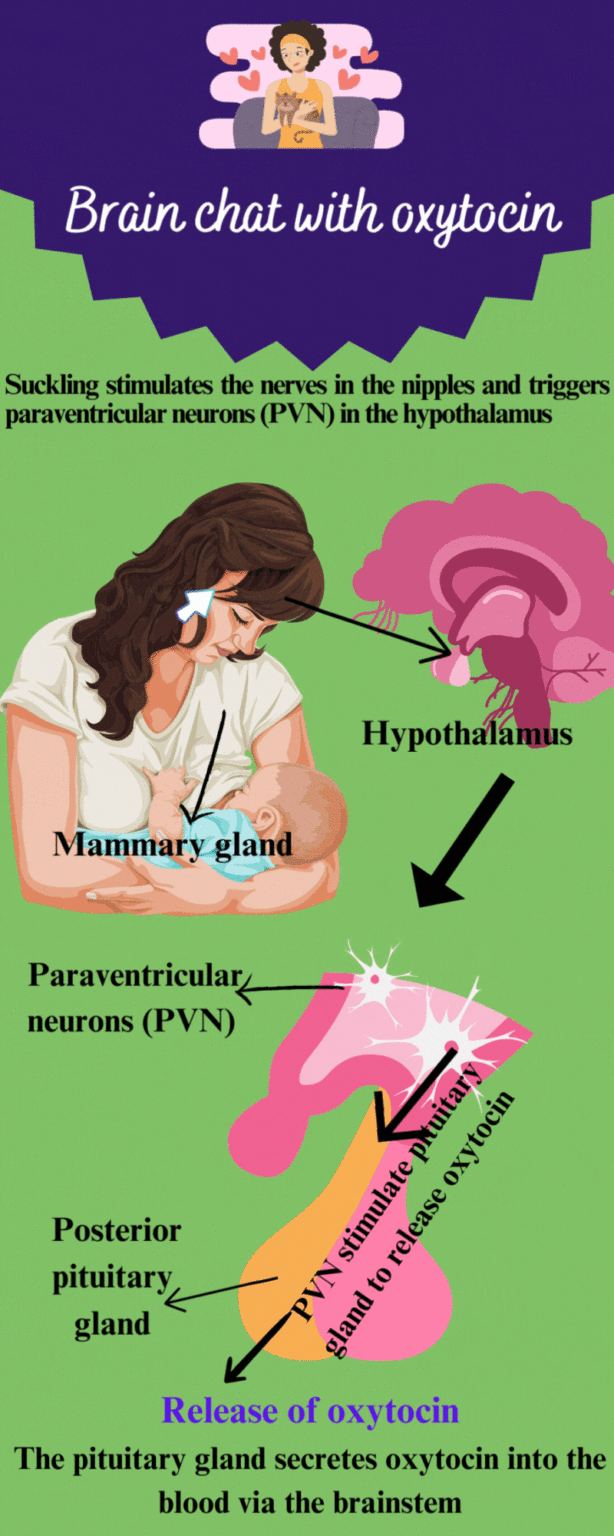
This is where oxytocin, often dubbed the "love hormone" or "cuddle chemical," enters the narrative. Produced in the hypothalamus and released by the posterior pituitary gland, oxytocin has long been celebrated for its roles in childbirth (stimulating uterine contractions) and lactation (milk ejection). However, its influence extends far beyond these reproductive functions. Pioneering research, particularly over the last few decades, has unveiled its profound impact on social bonding, trust, empathy, and emotional regulation.
Oxytocin is the chemical messenger that facilitates connection. It’s released during physical touch, warm social interactions, shared laughter, and acts of compassion. It’s the neurochemical underpinning of empathy, allowing us to understand and share the feelings of others. It fosters a sense of safety and belonging, countering the primal fear of isolation that stress often amplifies.
Crucially, oxytocin doesn’t just make us feel good; it actively works to dismantle the stress response. It acts as a direct antagonist to cortisol, signaling to the HPA axis to stand down. It calms the amygdala, reducing fear and anxiety. It promotes parasympathetic nervous system activity, initiating the "rest and digest" response that actively counteracts the "fight or flight" sympathetic overdrive.
But while a warm hug from a friend or cuddling with a pet can certainly boost oxytocin levels, there is one particular human interaction that triggers an unparalleled surge of this powerful neuropeptide: the act of making love.
The Intimate Symphony: How Love-Making Orchestrates Relief
Making love is not a singular event but a complex, multi-stage physiological and psychological journey. Each stage, from the initial spark of desire to the post-coital afterglow, is accompanied by a unique cascade of neurochemicals, culminating in an oxytocin surge that provides a profound antidote to stress.
1. The Prelude: Desire and Anticipation (Dopamine & Norepinephrine)
The journey begins long before physical touch. Anticipation, flirtation, and the conscious decision to engage in intimacy trigger the release of dopamine in the brain’s reward pathways. Dopamine is the "wanting" chemical, driving motivation and pleasure. It fuels desire, creating a sense of excitement and expectation. Alongside dopamine, norepinephrine (noradrenaline) increases, enhancing focus and alertness, directing attention towards the partner and the unfolding experience. This initial phase, while not directly stress-reducing, lays the groundwork by shifting focus away from external stressors towards an intrinsically rewarding activity.
2. The Ascent: Arousal and Connection (Serotonin & Endorphins)
As physical intimacy deepens – through touch, kissing, caressing – the neurochemical landscape becomes more intricate. Serotonin levels begin to rise. Serotonin is a key neurotransmitter for mood regulation, feelings of well-being, and contentment. Its presence helps to quiet racing thoughts and anxieties, bringing a sense of peaceful engagement.
Simultaneously, the body starts releasing endorphins, natural opioids produced by the brain. Endorphins are renowned for their pain-relieving properties and their ability to induce feelings of euphoria and well-being, often described as a "runner’s high." In the context of love-making, endorphins contribute to the increasing pleasure and help to further dissolve physical tension and mental distractions, pulling individuals deeper into the present moment.
It is also during this phase that oxytocin levels begin their steady climb. Skin-to-skin contact, gentle caresses, and the emotional connection forged through intimacy act as direct triggers for oxytocin release. This early oxytocin contributes to feelings of trust, bonding, and emotional closeness, reducing any lingering apprehension and fostering a safe, vulnerable space.
3. The Crescendo: Orgasm and the Oxytocin Deluge
The climax of sexual activity, orgasm, is the most powerful natural trigger for oxytocin release. Studies have shown that during orgasm, oxytocin levels can surge to five times their baseline, reaching peak concentrations. This massive influx of oxytocin is the cornerstone of its stress-relieving power.
At the moment of orgasm, the body undergoes a profound physiological shift. The sympathetic nervous system, responsible for the stress response, is momentarily overwhelmed and then dramatically subdued. In its place, the parasympathetic nervous system takes over, initiating a cascade of relaxation. Heart rate and breathing, which accelerated during arousal, begin to slow. Muscles, which tensed during the build-up, release their grip.
The surge of oxytocin directly impacts the brain’s stress centers. It dampens the activity of the amygdala, reducing fear and anxiety. It signals to the hypothalamus to decrease the production of corticotropin-releasing hormone (CRH), which is the primary initiator of the HPA axis and cortisol release. In essence, oxytocin acts as a powerful "off switch" for the body’s stress alarm system.
4. The Afterglow: Post-Coital Calm and Attachment (Prolactin & Sustained Oxytocin)
The period immediately following orgasm, often referred to as the "afterglow," is characterized by profound relaxation, contentment, and a strong sense of intimacy. This phase is also rich in neurochemical activity.
Alongside sustained, albeit slowly declining, oxytocin levels, there’s a significant release of prolactin. Prolactin is a hormone associated with sexual satiety and the refractory period, but it also plays a crucial role in promoting feelings of satisfaction, calmness, and sleepiness. This explains the common desire to cuddle or sleep after intimacy; it’s a biologically programmed response designed to deepen the bond and promote recovery.
The lingering presence of oxytocin continues to reinforce feelings of attachment and trust. It fosters a sense of security and well-being, making individuals feel more connected to their partner and less susceptible to external stressors. This post-coital state is not merely the absence of stress; it’s an active cultivation of peace, emotional safety, and relational reinforcement. The world outside the bedroom seems to fade, replaced by a profound sense of shared tranquility.
Beyond the Immediate Embrace: The Lingering Afterglow of Resilience
The benefits of the oxytocin surge during love-making extend far beyond the immediate post-coital calm. Regular, intimate connection builds a reservoir of resilience against chronic stress, weaving its positive effects into the fabric of daily life.
1. Enhanced Emotional Regulation: Consistent oxytocin boosts can train the brain to be less reactive to stressors. By regularly dampening the amygdala and HPA axis, individuals may find themselves less prone to anxiety, irritability, and panic when faced with everyday challenges. They develop a stronger capacity for emotional self-regulation, approaching difficulties with greater calm and clarity.
2. Improved Sleep Quality: The profound relaxation induced by intimacy, coupled with the release of prolactin and the calming effects of oxytocin, often leads to deeper, more restorative sleep. As sleep deprivation is a major contributor to stress, this enhanced sleep quality creates a virtuous cycle, further reducing stress levels and improving overall well-being.
3. Strengthened Relationships: Oxytocin is a powerful social glue. Regular intimacy, with its associated oxytocin releases, strengthens the emotional bonds between partners. This increased attachment and trust translate into better communication, greater empathy, and a stronger sense of shared support. A robust, supportive relationship acts as a powerful buffer against external stressors, providing a safe harbor in turbulent times. When partners feel deeply connected and understood, the weight of individual burdens feels lighter.
4. Boosted Immune Function: Chronic stress suppresses the immune system. By actively reducing cortisol levels and promoting relaxation, regular intimacy can help to restore and strengthen immune function, making individuals less susceptible to illness. A robust immune system is another crucial component of overall resilience.
5. Reduced Pain Perception: The endorphins released during intimacy, combined with the overall relaxation, can significantly reduce pain perception. For individuals dealing with chronic pain or discomfort, this can offer a much-needed temporary reprieve, fostering a sense of comfort and well-being that counters the stress associated with pain.
6. Enhanced Self-Esteem and Body Image: Intimacy, when shared in a loving and consensual context, can significantly boost self-esteem and foster a positive body image. Feeling desired, cherished, and intimately connected can reaffirm one’s sense of worth and beauty, countering the self-critical thoughts that often accompany stress and anxiety.
7. A Return to Embodiment: In a world increasingly lived in our heads, constantly analyzing, planning, and worrying, intimacy forces us back into our bodies. It’s a profound act of embodiment, grounding us in sensory experience and the present moment. This mindful presence, free from the mental clutter of daily stressors, is inherently therapeutic.
The Nuance: Intimacy Beyond Mechanics
It’s crucial for the knowledgeable audience to understand that "making love" in this context is not merely a mechanical act. The full stress-relieving power of oxytocin is unlocked when intimacy is accompanied by emotional connection, trust, and mutual respect. While physiological responses will occur during any sexual activity, the profound psychological and long-term benefits are maximized when the act is an expression of genuine affection and partnership. Without these emotional components, the oxytocin release may be less sustained, and the psychological benefits of deepened connection may be diminished.
Furthermore, while making love is an unparalleled oxytocin booster, it is not the only way to activate this powerful hormone. Hugs, cuddling with pets, social connection, acts of altruism, and even meditation can all stimulate oxytocin release. These alternative pathways are vital for individuals who may not have a partner or for whom physical intimacy is not currently an option. The overarching message remains: human connection, in its various forms, is a fundamental need and a potent medicine against the ravages of stress.
Conclusion: The Human Need for Connection
In an age characterized by unprecedented technological advancement yet paradoxically growing social isolation, the science behind the Oxytocin Effect serves as a powerful reminder of our intrinsic human need for connection. Making love is more than just a source of pleasure or procreation; it is a profound biological imperative, a finely tuned mechanism designed by evolution to soothe our anxieties, fortify our bonds, and replenish our spirit.
It offers a temporary reprieve from the relentless demands of the world, a sacred space where cortisol recedes, and the gentle, healing embrace of oxytocin takes center stage. It’s a return to our most fundamental selves, a reassertion of trust, vulnerability, and belonging. For the knowledgeable individual seeking to understand the deepest mechanisms of human well-being, the message is clear: in the pursuit of peace and resilience, sometimes the most sophisticated answer lies in the simplest, most ancient act of human connection. The Oxytocin Effect stands as a testament to the enduring power of love, not just as an emotion, but as a vital biological pathway to health, happiness, and profound relief from the inescapable pressures of life.