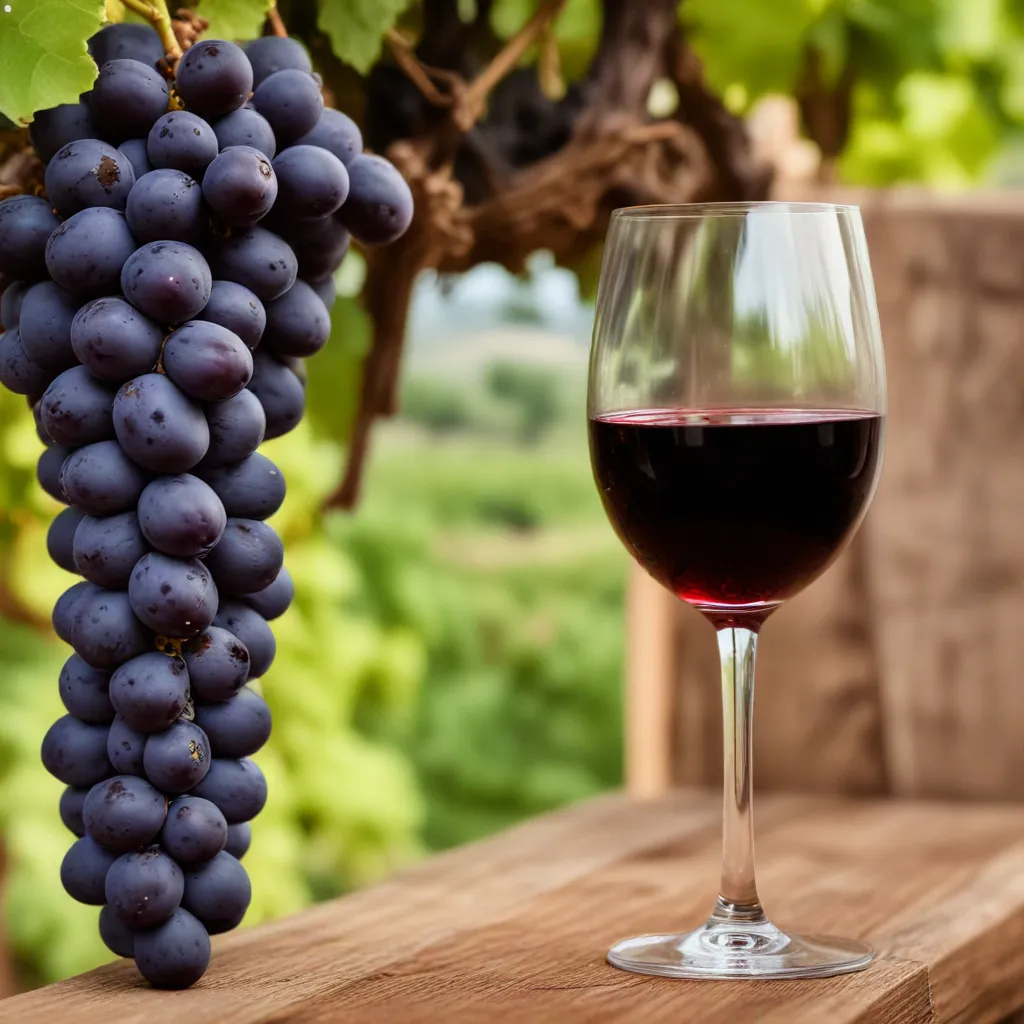
The clinking of glasses, the rich ruby hue catching the light, the complex bouquet of berries, earth, and oak – wine has captivated humanity for millennia. It has been a cornerstone of culture, ritual, and celebration, a symbol of conviviality and refinement. For much of its history, our appreciation for wine was rooted in its sensory delights and its ability to elevate the human experience. Yet, in the last few decades, a fascinating narrative has unfolded, one that transcends mere pleasure and delves into the very molecules that make wine not just a drink, but a profound botanical elixir. This is the story of wine’s transformation in our understanding, from a simple fermented beverage to a potential “superfood,” thanks to an intricate dance of powerful antioxidants hidden within its depths.
The catalyst for this shift was the “French Paradox” in the early 1990s. Researchers observed that the French, despite a diet rich in saturated fats, exhibited a surprisingly low incidence of coronary heart disease compared to other Western populations. The finger of suspicion, or rather, admiration, soon pointed to their consistent, moderate consumption of red wine. This observation ignited a global scientific quest, turning the lens of inquiry onto the grape and its fermented offspring, revealing a complex tapestry of bioactive compounds, primarily polyphenols, that possess remarkable antioxidant capabilities.
To call wine a “superfood” is to invite scrutiny, and rightly so. The term itself is often a marketing buzzword, but in the context of wine, it speaks to an extraordinary concentration and diversity of compounds that exert demonstrable physiological effects. It’s not about claiming wine is a miracle cure, but rather understanding its nuanced role as a significant contributor of beneficial phytochemicals within a balanced lifestyle. This article embarks on a journey beyond the grape itself, exploring the scientific bedrock of these antioxidants, their mechanisms of action, and the story of how they collectively weave wine into a narrative of health and longevity.
The Grape’s Legacy: A Symphony of Polyphenols
At the heart of wine’s purported health benefits lies a vast and diverse family of compounds known as polyphenols. These are naturally occurring micronutrients found abundantly in plants, where they serve crucial roles in defense against pathogens, UV radiation, and environmental stress. They are responsible for the vibrant colours, bitter tastes, and astringent sensations in fruits, vegetables, and, critically, grapes. When grapes are crushed and fermented, these polyphenols are extracted from the skins, seeds, and stems, infusing the resulting wine with their potent biological activity.
The concentration and type of polyphenols in wine vary significantly depending on several factors: the grape varietal, vineyard practices, climate, winemaking techniques (e.g., maceration time, fermentation temperature), and aging processes. However, one fundamental distinction stands out: red wines typically contain substantially higher levels of polyphenols than white wines. This is due to the winemaking process. Red wine fermentation involves prolonged contact with the grape skins, seeds, and sometimes stems, allowing for maximum extraction of these compounds. White wines, conversely, are usually fermented after the skins and seeds have been removed, resulting in a lighter colour and a lower polyphenol count, though they are not entirely devoid of them.
Polyphenols are broadly categorized into two main groups: flavonoids and non-flavonoids. Within these categories lie a veritable symphony of individual compounds, each playing a unique role in wine’s sensory profile and its biological effects. Understanding these distinct players is key to appreciating the depth of wine’s “superfood” potential.
The Star Player: Resveratrol, The Longevity Molecule
If there is one compound that has garnered more attention than any other in the realm of wine research, it is resveratrol. This non-flavonoid polyphenol shot to fame as the potential explanation for the “French Paradox” and has since been the subject of thousands of scientific studies. Resveratrol is a stilbenoid, a phytoalexin produced by plants in response to stress, infection, or injury. In grapes, it’s concentrated in the skin, acting as a natural fungicide.
The allure of resveratrol stems from its multifaceted mechanisms of action, which hint at profound implications for human health. Its reputation as a “longevity molecule” is rooted in its ability to activate sirtuins, particularly SIRT1, a class of proteins often dubbed “longevity genes.” Sirtuins play critical roles in cellular health, metabolism, DNA repair, and inflammation. By upregulating SIRT1, resveratrol is believed to mimic the effects of caloric restriction, a dietary intervention known to extend lifespan in various organisms.
Beyond its sirtuin-activating prowess, resveratrol is a powerful antioxidant, adept at scavenging harmful free radicals that contribute to oxidative stress and cellular damage, a primary driver of aging and chronic disease. It also exhibits significant anti-inflammatory properties, inhibiting enzymes like cyclooxygenase-2 (COX-2) which are involved in inflammatory pathways. Chronic inflammation is increasingly recognized as a root cause of numerous ailments, from cardiovascular disease to neurodegenerative disorders and cancer.
Resveratrol’s cardioprotective effects are particularly well-documented. It can improve endothelial function – the health of the inner lining of blood vessels – by promoting the production of nitric oxide, a vasodilator that helps regulate blood pressure. It also demonstrates anti-platelet aggregation properties, potentially reducing the risk of blood clots. Studies have explored its potential in cancer prevention and therapy, showing capabilities to inhibit cancer cell growth, induce apoptosis (programmed cell death), and suppress angiogenesis (the formation of new blood vessels that feed tumors). Furthermore, emerging research points to its neuroprotective potential, with implications for cognitive health and the prevention of neurodegenerative diseases like Alzheimer’s and Parkinson’s.
Despite the excitement, the story of resveratrol is not without its complexities. Its bioavailability in humans is relatively low, meaning a large portion is quickly metabolized and excreted. This has led to debates about whether the amounts consumed through moderate wine drinking are sufficient to elicit the profound effects observed in laboratory settings or with high-dose supplements. Nevertheless, the research continues, exploring different formulations and delivery methods to harness its full therapeutic potential, while its presence in wine remains a compelling piece of the puzzle.
The Supporting Cast: A Pantheon of Polyphenols
While resveratrol often takes center stage, it is far from the only star in wine’s antioxidant constellation. A diverse array of other polyphenols works in concert, contributing to wine’s overall health-promoting properties through synergistic effects. This “entourage effect” suggests that the combined action of multiple compounds may be more potent than the sum of their individual parts.
Flavonoids: The Colorful Defenders
Flavonoids constitute the largest group of polyphenols in wine, contributing significantly to its color, taste, and antioxidant capacity.
- Anthocyanins: These are the vibrant pigments responsible for the deep red, purple, and blue hues of red grapes and red wine. Beyond their aesthetic appeal, anthocyanins are potent antioxidants, protecting cells from oxidative damage. Research suggests they contribute to cardiovascular health, improve vision, and possess anti-inflammatory and anti-carcinogenic properties. Different grape varietals boast distinct anthocyanin profiles, contributing to the unique character of each wine.
- Flavanols (Catechins and Epicatechins): These compounds are abundant in grape seeds and skins, and are also found in significant quantities in green tea and cocoa. Catechins and epicatechins are powerful free radical scavengers, contributing substantially to wine’s antioxidant power. They have been linked to improved cardiovascular health by enhancing endothelial function, reducing blood pressure, and inhibiting LDL (bad cholesterol) oxidation. Their anti-inflammatory effects also add another layer of protection against chronic diseases.
- Quercetin: A well-known flavonoid, quercetin is found in grape skins and is a powerful antioxidant and anti-inflammatory agent. It has been studied for its potential roles in inhibiting histamine release (making it a natural antihistamine), protecting against cardiovascular disease, and exhibiting anti-cancer properties by inducing apoptosis in cancer cells. Quercetin’s presence further bolsters wine’s defense against oxidative stress and inflammation.
- Proanthocyanidins (Condensed Tannins): These complex polymers are responsible for the astringency and bitterness in red wine, particularly noticeable in young, robust reds. They are primarily extracted from grape seeds and skins during maceration. Proanthocyanidins are among the most potent free radical scavengers, even more so than vitamin C and E in some studies. They play a crucial role in preventing LDL oxidation, improving vascular health, and have also been linked to potential anti-cancer and antimicrobial effects. Their interaction with gut microbiota is an emerging area of research, suggesting a role in gut health.
Non-Flavonoids: Beyond the Pigments
While flavonoids dominate, other non-flavonoid polyphenols also contribute significantly to wine’s beneficial profile.
- Ellagic Acid: This phenolic compound is not directly from the grape itself but is primarily extracted from the oak barrels used for aging wine. Ellagic acid is a potent antioxidant and has been extensively studied for its anti-cancer properties, showing promise in inhibiting tumor growth and inducing apoptosis in various cancer cell lines. Its presence adds another layer of complexity to wine’s health benefits, particularly in wines aged in oak.
- Phenolic Acids (Gallic Acid, Caffeic Acid, etc.): These simple phenolic compounds are widely distributed in plants and are also found in wine. Gallic acid, for instance, is a strong antioxidant and contributes to wine’s astringency. Caffeic acid is known for its anti-inflammatory and antioxidant properties. While present in lower concentrations than other polyphenols, they collectively contribute to the overall antioxidant capacity of wine.
The beauty of this diverse array of compounds lies in their potential for synergy. Instead of individual components acting in isolation, they likely interact in complex ways, enhancing each other’s effects and targeting multiple pathways simultaneously. This “entourage effect” is a critical concept in understanding why whole foods, or in this case, a complex beverage like wine, often confer greater health benefits than isolated supplements.
Beyond the Antioxidant: Other Bioactive Compounds and Mechanisms
While antioxidants are the primary focus, wine’s “superfood” status is also bolstered by other mechanisms and compounds that extend beyond direct free radical scavenging.
- Impact on the Gut Microbiome: Emerging research highlights the profound connection between diet, the gut microbiome, and overall health. Wine polyphenols are not fully absorbed in the upper digestive tract; a significant portion reaches the colon where it interacts with gut bacteria. These polyphenols can act as prebiotics, promoting the growth of beneficial bacteria while inhibiting pathogenic ones. The gut microbiota metabolizes polyphenols into various active compounds, which can then be absorbed and exert systemic effects. This modulation of the gut flora can lead to improved gut barrier function, reduced inflammation, and the production of beneficial short-chain fatty acids, impacting everything from immune function to mood.
- Anti-inflammatory Effects Beyond Direct Scavenging: Many wine polyphenols exert anti-inflammatory actions not just by neutralizing free radicals, but also by modulating cellular signaling pathways involved in inflammation. They can inhibit pro-inflammatory enzymes and cytokines, effectively dampening the inflammatory response at a cellular level. This systemic anti-inflammatory effect is crucial for preventing and managing chronic diseases.
- Enhancement of Endothelial Function: The lining of our blood vessels, the endothelium, plays a critical role in cardiovascular health. Wine polyphenols, particularly resveratrol and flavanols, have been shown to improve endothelial function by increasing the bioavailability of nitric oxide (NO), a potent vasodilator. Healthy endothelial function helps regulate blood pressure, prevents the formation of arterial plaques, and reduces the risk of atherosclerosis.
- Modulation of Lipid Metabolism: Some studies suggest that moderate wine consumption, and specifically its polyphenol content, can positively influence lipid profiles. This includes potentially increasing high-density lipoprotein (HDL, “good” cholesterol) and reducing the oxidation of low-density lipoprotein (LDL, “bad” cholesterol), which is a key step in the development of atherosclerosis.
These additional layers of biological activity paint a more complete picture of wine’s potential health benefits, suggesting that its designation as a “superfood” is rooted in a complex interplay of various compounds and mechanisms, not solely its antioxidant power.
The “Superfood” Conundrum: Nuance, Responsibility, and the Bigger Picture
The term “superfood” often conjures images of singular, miraculous foods capable of curing all ills. While wine’s rich antioxidant profile and diverse bioactive compounds present a compelling case for its beneficial properties, a nuanced perspective is crucial. Wine is, after all, an alcoholic beverage, and alcohol itself carries inherent health risks, particularly when consumed in excess.
The key to unlocking wine’s potential benefits lies in moderation. Numerous studies have highlighted a “J-shaped curve” relationship between alcohol consumption and mortality or cardiovascular disease. This curve suggests that light-to-moderate drinkers (typically defined as one drink per day for women and up to two for men) may have a lower risk of certain diseases compared to abstainers, while heavy drinking significantly increases risk. It is within this moderate range that the beneficial effects of polyphenols are believed to outweigh the detrimental effects of alcohol.
However, even within moderation, several critical considerations remain:
- Dosage and Bioavailability: While laboratory studies often use high concentrations of isolated polyphenols, the amount of these compounds absorbed from a typical glass of wine is much lower. The effects observed in test tubes or animal models may not directly translate to human consumption. Furthermore, individual differences in metabolism, gut microbiota, and genetics can influence how effectively these compounds are absorbed and utilized.
- The Role of Alcohol: It’s a complex chicken-and-egg scenario. Is it the polyphenols, the alcohol, or a combination that confers benefits? Some studies suggest that alcohol itself, in moderation, can have some cardiovascular benefits (e.g., increasing HDL cholesterol). However, the risks of alcohol, including its hepatotoxicity, neurotoxicity, and carcinogenic properties, are well-established. The “superfood” narrative for wine largely rests on the premise that its polyphenols offer benefits that mitigate or even overcome the potential harms of moderate alcohol intake.
- Diet and Lifestyle: Wine is rarely consumed in isolation. Its traditional context is often as part of a Mediterranean diet, rich in fruits, vegetables, whole grains, and healthy fats, and accompanied by an active lifestyle. It’s likely that wine’s benefits are maximized when integrated into such a holistic, health-conscious framework, rather than being viewed as a standalone “magic bullet.”
- Individual Variability and Risk Factors: For some individuals, any alcohol consumption may be detrimental. This includes pregnant women, individuals with certain medical conditions, those on specific medications, and those with a history of alcohol abuse. The “superfood” label should never override personal health considerations or professional medical advice.
- Ethical Considerations: Promoting alcohol, even in moderation, for health benefits is a contentious issue. Public health guidelines universally prioritize reducing alcohol consumption due to its widespread societal harms. While the science on wine’s polyphenols is compelling, it must be balanced with a responsible public health message.
In conclusion, wine’s “superfood” designation is not about making extravagant claims, but rather acknowledging the remarkable scientific discovery of its intricate chemical composition. It’s a story of how a cherished cultural artifact, when examined under the microscope of modern science, reveals a hidden world of powerful antioxidants and bioactive compounds. These molecules, working in concert, contribute to a narrative of health benefits, from cardiovascular protection to anti-inflammatory and neuroprotective effects.
Conclusion: A Toast to Thoughtful Appreciation
The journey from grape to glass is a fascinating one, culminating in a beverage that is far more complex than its simple ingredients suggest. Beyond the immediate pleasures of taste and aroma, wine holds a secret power – a meticulously crafted symphony of antioxidants and bioactive compounds that have profound implications for human health. Resveratrol, anthocyanins, catechins, quercetin, and a host of other polyphenols form a formidable defense against oxidative stress and inflammation, the silent architects of aging and chronic disease.
The story of wine’s “superfood” status is not one of hyperbole, but of appreciation for biological complexity and the wisdom embedded in ancient traditions. It reminds us that our diet, when thoughtfully composed, can be a potent source of health and vitality. Wine, when enjoyed responsibly and in moderation, within the context of a balanced lifestyle, can indeed be considered a valuable contributor to our well-being, an elixir that transcends its alcoholic content to offer a concentrated dose of nature’s finest protective compounds.
So, the next time you raise a glass of red wine, take a moment to appreciate not just its rich heritage and sensory delights, but also the invisible ballet of molecules within – a testament to the enduring power of the grape and the remarkable science that continues to unveil its secrets. It’s a toast not just to pleasure, but to the intricate, life-enhancing tapestry woven by nature, waiting to be understood and savored.