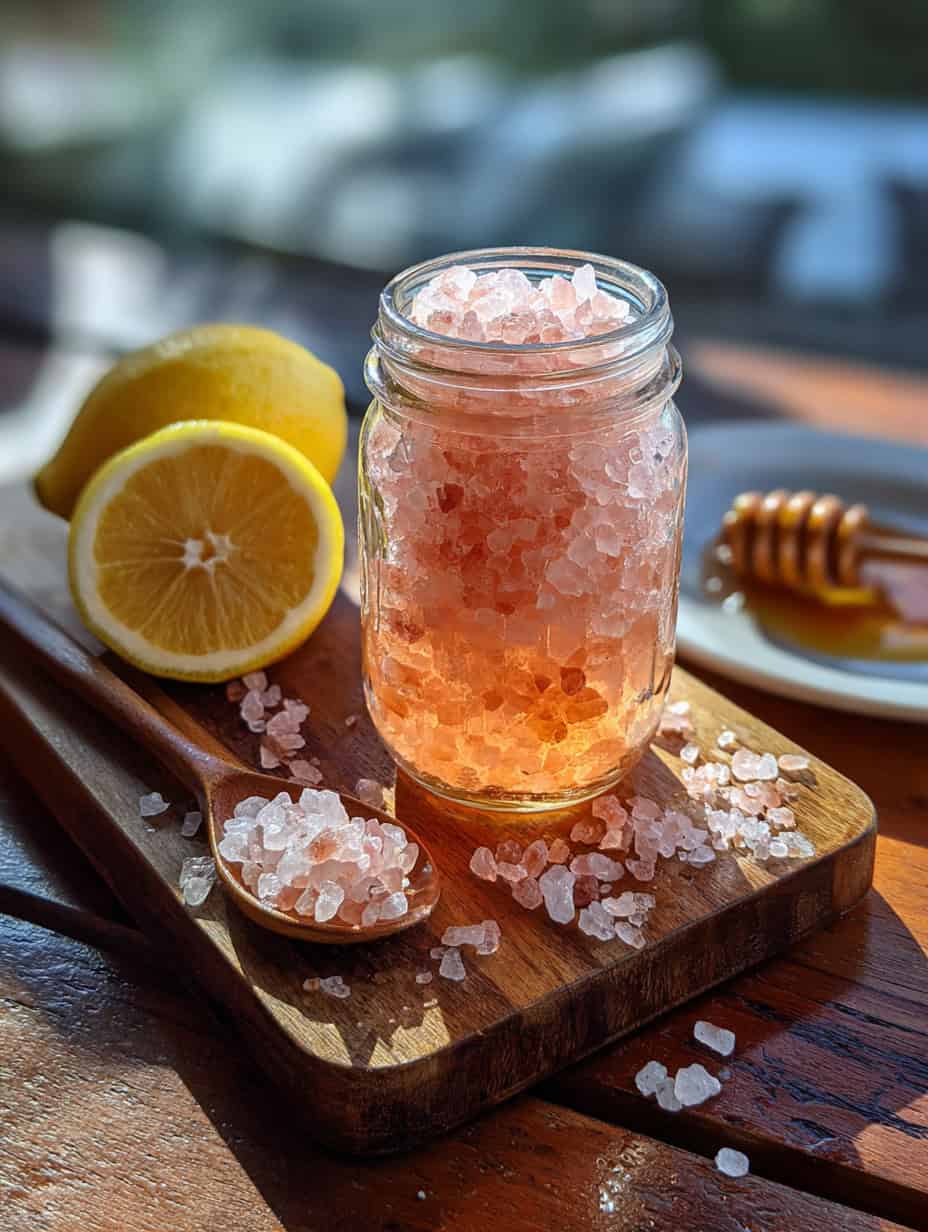

The Story of Modern Thirst: A Paradox of Plenty
We live in an era of unprecedented access to information, health trends, and, ostensibly, hydration. Stainless steel water bottles adorn every desk, filtered water is a household staple, and the mantra "drink more water" echoes from doctors, fitness gurus, and wellness blogs alike. Yet, despite this deluge of advice and availability, a silent epidemic persists: we are, as a society, profoundly dehydrated. Not just a little parched, but chronically, systemically lacking the vital fluid balance necessary for optimal function.
The story often begins with a familiar scene: you wake up feeling sluggish, despite a full night’s sleep. The afternoon slump hits with the force of a brick wall, leaving you reaching for another coffee or a sugary snack. Brain fog descends, making simple tasks feel like navigating a labyrinth. You diligently sip from your water bottle throughout the day, hitting your recommended eight glasses, maybe even more. But the underlying fatigue, the unexplained headaches, the nagging sense of being "off" stubbornly remain. You’re drinking water, but are you truly hydrated?
This is the modern hydration paradox. We consume vast quantities of what we believe to be the elixir of life, yet our bodies often fail to absorb and utilize it effectively at a cellular level. We’ve been told the simple truth: "drink water." But in our quest for purity and convenience, we’ve inadvertently stripped our water of something fundamental, something ancient, something that holds the key to unlocking true cellular hydration: minerals. And within that grand, complex narrative of mineral balance, a humble hero emerges, often misunderstood, frequently maligned, yet capable of transforming our relationship with water: a pinch of Himalayan pink salt.
This isn’t just a fleeting wellness hack; it’s a re-discovery of ancient wisdom, illuminated by modern science. It’s a story about why the simple act of adding a touch of this crystalline treasure to your daily water intake can fundamentally alter your energy, focus, sleep, and overall vitality. It’s about moving beyond the superficial act of drinking and delving into the profound art of cellular nourishment. For the knowledgeable seeker, for those who understand that true health lies in the intricate dance of biochemistry, this tale unfolds with layers of physiological insight, historical context, and practical empowerment.
The Flaw in Our Filtered Folly: When Purity Becomes Deficiency
Our journey into true hydration must first confront the prevailing wisdom that has, ironically, contributed to our collective dehydration. The rise of sophisticated water filtration systems – reverse osmosis, distillation, multi-stage carbon filters – has been lauded as a triumph of modern health. These technologies effectively remove contaminants: chlorine, heavy metals, pesticides, pharmaceuticals, and other undesirable elements that compromise water quality. And for good reason; ensuring clean, safe drinking water is paramount.
However, in their relentless pursuit of purity, these systems often strip water not only of harmful substances but also of the very elements that make water biologically active and truly hydrating: electrolytes. What emerges from these filters is often "empty" water – essentially H2O and nothing more.
While seemingly benign, drinking large quantities of demineralized water can inadvertently exacerbate dehydration. Here’s why:
-
The Osmotic Imbalance: Our bodies are complex ecosystems, delicately balancing fluids and solutes across cell membranes. This process, known as osmosis, dictates the movement of water. Cells are encased in semi-permeable membranes, and water naturally flows from an area of lower solute concentration to an area of higher solute concentration, attempting to equalize the pressure. When you drink plain, demineralized water (a hypotonic solution), it has a lower concentration of solutes (minerals) than the fluid inside your cells. While some water will enter the cells, a significant portion can actually dilute the existing electrolytes in your extracellular fluid. This dilution can signal your kidneys to excrete more water and minerals, essentially flushing them out, rather than drawing water into the cells where it’s needed for metabolic functions. The result? You urinate frequently, feeling like you’re adequately hydrated, but your cells remain thirsty.
-
Electrolyte Depletion: Our bodies constantly utilize and excrete electrolytes – sodium, potassium, magnesium, calcium, chloride, bicarbonate, and phosphate – through sweat, urine, and metabolic processes. These charged particles are the conductors of life, orchestrating everything from nerve impulses and muscle contractions to pH balance and fluid regulation. When we continuously introduce water devoid of these essential minerals, we fail to replenish what’s lost. Over time, this creates a deficit, leading to symptoms like fatigue, muscle cramps, headaches, irregular heartbeats, and impaired cognitive function – all classic signs of dehydration, even when consuming plenty of water.
-
The Kidneys’ Burden: The kidneys play a critical role in maintaining fluid and electrolyte balance. When presented with plain, demineralized water, they work harder to maintain the body’s delicate osmotic pressure, potentially leading to increased strain. Furthermore, the absence of minerals can alter the pH balance, forcing the body to buffer acidity by drawing on mineral reserves from bones and other tissues.
So, the story of our modern thirst isn’t just about not drinking enough water; it’s about drinking the wrong kind of water for optimal cellular function. It’s about a well-intentioned pursuit of purity that overlooked the fundamental role of trace minerals in the very act of hydration. This sets the stage for our unassuming hero: Himalayan pink salt.
Himalayan Pink Salt: A Geologic Legacy, A Nutritional Treasure
Before we delve into the science of its transformative power, let’s properly introduce our protagonist. Himalayan pink salt is not merely a prettier, trendier version of table salt. It is a geological marvel, a crystalline testament to ancient oceans, meticulously preserved beneath the Earth’s surface for millions of years, far from modern pollutants.
Originating from the Khewra Salt Mine in Pakistan, the second-largest salt mine in the world, Himalayan pink salt is harvested by hand, undergoing minimal processing. Its distinctive pink hue comes from its rich and diverse mineral content, a stark contrast to the stark white of refined table salt.
Table Salt vs. Himalayan Pink Salt: A World Apart
To understand the profound difference, consider the journey of common table salt:
- Refinement: It undergoes heavy processing, often involving high heat, which can alter its natural chemical structure.
- Stripping: Essential trace minerals are typically stripped away, leaving behind almost pure sodium chloride (NaCl).