
The aroma of freshly brewed coffee is a universally recognized comfort, a signal for alertness, and for many, an indispensable daily ritual. Yet, beneath the comforting steam and the bitter-sweet taste lies a complex biochemical ballet, a profound interaction between a seemingly simple beverage and the intricate machinery of human metabolism. Coffee is far more than just a caffeine delivery system; it is a pharmacological cocktail, a dynamic blend of bioactive compounds that embark on a remarkable journey from the humble bean into the very fabric of our cellular processes, orchestrating a metabolic symphony that profoundly impacts our health.
For the knowledgeable enthusiast, understanding coffee’s metabolic footprint transcends mere anecdotal observation. It delves into the molecular pathways, the enzymatic reactions, and the genetic predispositions that dictate how this ancient brew shapes our energy balance, glucose regulation, lipid profiles, and even the very landscape of our gut microbiome. This article aims to tell the story of this journey, tracing the bean’s transformation from a raw agricultural product into a powerful metabolic modulator within the human body, exploring the nuanced and often paradoxical effects it exerts on our physiological systems.
The Bean’s Blueprint: A Symphony of Bioactive Compounds
Before we embark on the metabolic journey, it’s crucial to appreciate the complexity of coffee’s chemical composition. The roasted coffee bean, and subsequently the brewed beverage, is a treasure trove of thousands of compounds, each with the potential to interact with our biology. While caffeine often steals the spotlight, it is merely one player in a vast orchestra.
-
Caffeine (1,3,7-trimethylxanthine): The Maestro of Alertness
The most famous component, caffeine, is a central nervous system stimulant. Its primary mechanism of action involves antagonizing adenosine receptors (A1, A2A, A2B, A3). Adenosine, a neuromodulator, promotes relaxation and sleepiness; by blocking its receptors, caffeine prevents these effects, leading to increased alertness, improved focus, and a perceived reduction in fatigue. Metabolically, caffeine directly impacts lipolysis (fat breakdown) by inhibiting phosphodiesterase, leading to increased cyclic AMP (cAMP) levels and subsequent activation of lipase enzymes. It also acutely increases catecholamine release (adrenaline, noradrenaline), which contributes to its thermogenic and metabolic-boosting effects. -
Chlorogenic Acids (CGAs): The Unsung Heroes of Antioxidant Power
CGAs are a family of esters formed between quinic acid and various cinnamic acids (caffeic, ferulic, p-coumaric acids). They are the most abundant phenolic compounds in coffee, present in higher concentrations than in most other common dietary sources. CGAs are powerful antioxidants, scavenging free radicals and reducing oxidative stress. Metabolically, their impact is profound: they can inhibit intestinal glucose absorption, improve insulin sensitivity, modulate hepatic glucose output, and influence lipid metabolism. Upon ingestion, CGAs are extensively metabolized by gut microbiota into smaller phenolic compounds, which are then absorbed and contribute to coffee’s systemic effects. -
Diterpenes (Cafestol and Kahweol): The Cholesterol Conundrum
These lipophilic molecules are present in high concentrations in unfiltered coffee preparations (e.g., French press, espresso, Turkish coffee). Cafestol and kahweol have been shown to elevate serum cholesterol levels, particularly LDL ("bad") cholesterol, by interfering with bile acid synthesis and upregulating genes involved in cholesterol synthesis in the liver. However, they also possess potent anti-inflammatory, anti-carcinogenic, and hepatoprotective properties. Crucially, paper filters effectively trap these diterpenes, significantly reducing their presence in filtered coffee. -
Melanoidins: The Flavor and the Function
Formed during the Maillard reaction (the browning process during roasting), melanoidins are high molecular weight, nitrogen-containing polymers responsible for coffee’s characteristic color and much of its complex flavor profile. Beyond their sensory attributes, melanoidins exhibit antioxidant, anti-inflammatory, and potentially prebiotic activities, influencing gut health and contributing to the overall metabolic impact. -
Other Micronutrients and Compounds:
Coffee also provides notable amounts of magnesium, potassium, niacin (Vitamin B3), and trace amounts of other B vitamins. Magnesium, in particular, plays a critical role in over 300 enzymatic reactions, including those involved in glucose metabolism and insulin signaling. Trigonelline, another alkaloid, contributes to coffee’s flavor and has been linked to improved insulin sensitivity and reduced glucose levels.
The Journey Begins: Ingestion, Absorption, and Biotransformation
The metabolic story truly begins the moment coffee passes the lips. From the oral cavity, where initial sensory signals are sent, to the stomach and small intestine, where the dissolution and absorption of its myriad compounds commence, the body immediately begins its intricate dance with the brew.
-
Gastric Passage and Small Intestine Absorption:
Upon reaching the stomach, coffee’s compounds begin to mix with gastric juices. Caffeine is rapidly absorbed, with peak plasma concentrations typically reached within 30-60 minutes. CGAs, while partially absorbed in the small intestine, undergo extensive metabolism by the gut microbiota in the colon. Diterpenes, being lipophilic, are absorbed alongside dietary fats. -
Hepatic First-Pass Metabolism: The Liver’s Central Role:
Once absorbed, most coffee compounds journey to the liver, the body’s primary metabolic hub. Here, they undergo biotransformation, a process crucial for detoxification and activation/inactivation of various molecules.- Caffeine’s Fate: The liver is the main site of caffeine metabolism, primarily through the cytochrome P450 1A2 (CYP1A2) enzyme system. This enzyme converts caffeine into three major metabolites: paraxanthine, theobromine, and theophylline, all of which are also pharmacologically active, though generally less potent than caffeine itself. Genetic variations in the CYP1A2 gene significantly influence an individual’s caffeine metabolism rate, explaining why some people are "fast metabolizers" and others are "slow metabolizers."
- Polyphenol Transformation: CGAs and other polyphenols are conjugated with glucuronic acid, sulfate, or methyl groups in the liver, increasing their water solubility for excretion or facilitating their transport to target tissues. The gut microbiome also plays a critical role in transforming these compounds into smaller, more bioavailable phenolic metabolites.
-
Distribution and Target Tissues:
Once metabolized, these compounds and their metabolites circulate throughout the bloodstream, reaching virtually every cell and organ. Caffeine, being lipophilic, easily crosses the blood-brain barrier, exerting its direct effects on the central nervous system. Other compounds interact with receptors, enzymes, and signaling pathways in tissues such as muscle, adipose tissue, pancreas, and the liver itself, initiating a cascade of metabolic adjustments.
Orchestrating Energy: Coffee’s Impact on Glucose and Insulin Metabolism
One of the most extensively studied and fascinating aspects of coffee’s metabolic impact is its complex relationship with glucose homeostasis and insulin sensitivity. The effects are often biphasic – acute consumption can differ significantly from chronic intake.
-
Acute Effects: The Initial Jolt and Transient Insulin Resistance:
Immediately after consuming caffeine, there can be a transient increase in blood glucose levels and a temporary reduction in insulin sensitivity. This is largely attributed to caffeine’s ability to stimulate the release of catecholamines (adrenaline, noradrenaline), which promote glycogenolysis (breakdown of glycogen to glucose) and gluconeogenesis (synthesis of glucose from non-carbohydrate sources) in the liver, while simultaneously impairing glucose uptake by peripheral tissues. This acute effect, however, is generally mild and short-lived in healthy individuals. -
Chronic Effects: The Paradoxical Benefit for Type 2 Diabetes Risk:
Despite the acute effects, numerous large-scale epidemiological studies and meta-analyses consistently demonstrate that regular, long-term coffee consumption is associated with a significantly reduced risk of developing Type 2 Diabetes (T2D). This apparent paradox highlights the profound difference between short-term physiological responses and sustained metabolic adaptations.- Improved Insulin Sensitivity: Several mechanisms contribute to this long-term benefit. Chlorogenic acids are key players, shown to inhibit glucose absorption in the gut and improve insulin signaling pathways. Magnesium, abundant in coffee, is a co-factor for many enzymes involved in glucose metabolism and has been linked to better insulin sensitivity.
- Modulation of GLP-1 and PYY: Coffee consumption has been shown to increase levels of glucagon-like peptide-1 (GLP-1) and peptide YY (PYY), gut hormones that enhance insulin secretion, slow gastric emptying, and promote satiety, all contributing to better glycemic control.
- AMPK Activation: Compounds in coffee, including some polyphenols, can activate AMP-activated protein kinase (AMPK), a master regulator of cellular energy homeostasis. AMPK activation leads to increased glucose uptake in muscle, enhanced fatty acid oxidation, and reduced hepatic glucose production, mimicking the effects of exercise and improving insulin sensitivity.
- Antioxidant and Anti-inflammatory Effects: Chronic low-grade inflammation and oxidative stress are known contributors to insulin resistance and T2D progression. Coffee’s rich antioxidant and anti-inflammatory profile, primarily due to CGAs and melanoidins, helps mitigate these detrimental processes, protecting pancreatic beta-cells and improving overall metabolic health.
The Lipid Landscape: Cholesterol, Triglycerides, and Beyond
Coffee’s influence extends to lipid metabolism, with certain nuances depending on preparation methods.
-
The Diterpene Effect: Unfiltered vs. Filtered:
As mentioned, cafestol and kahweol, the diterpenes abundant in unfiltered coffee, are potent cholesterol-raising agents. They increase serum total and LDL cholesterol by inhibiting farnesoid X receptor (FXR) signaling in the liver, which regulates bile acid synthesis, and by upregulating genes involved in cholesterol synthesis. For individuals with elevated cholesterol, or those genetically predisposed to hypercholesterolemia, consuming large amounts of unfiltered coffee could be a concern. However, paper filtration effectively removes these diterpenes, rendering filtered coffee largely neutral or even slightly beneficial for cholesterol levels. -
Triglycerides and Fatty Acid Oxidation:
Caffeine acutely increases lipolysis, leading to a temporary rise in circulating free fatty acids. However, its long-term impact on triglyceride levels is generally considered modest or neutral in filtered coffee drinkers. The enhanced fatty acid oxidation spurred by caffeine and AMPK activation can contribute to better lipid utilization. -
Antioxidant Protection of Lipids:
Beyond cholesterol quantity, coffee’s polyphenols contribute to the quality of circulating lipids. Their potent antioxidant properties protect LDL particles from oxidation, a critical step in the development of atherosclerosis (hardening of the arteries) and cardiovascular disease.
Fueling the Furnace: Thermogenesis and Weight Management
Coffee’s reputation as a metabolic booster is largely due to caffeine’s effects on energy expenditure and fat oxidation.
-
Increased Metabolic Rate and Thermogenesis:
Caffeine stimulates the sympathetic nervous system, leading to an increase in the release of catecholamines like noradrenaline. This triggers an acute increase in basal metabolic rate (BMR) and thermogenesis (heat production), meaning the body burns more calories, even at rest. This effect is more pronounced in individuals who are not habitual caffeine consumers. -
Enhanced Fat Oxidation:
By inhibiting adenosine receptors and increasing catecholamine levels, caffeine promotes the breakdown of stored fat (lipolysis) into free fatty acids, which can then be used as fuel. This "fat-burning" effect is often harnessed by athletes and those aiming for weight management, particularly during exercise. -
Appetite Modulation:
Some studies suggest that coffee, particularly caffeine, can transiently suppress appetite and reduce calorie intake in the short term. However, this effect is often variable and not consistently observed in all individuals or across all study designs. -
Weight Management Nuance:
While coffee can acutely increase energy expenditure and fat oxidation, it is not a magic bullet for significant weight loss on its own. Its effects are modest and can be offset by added sugars and creams. However, as part of a balanced diet and active lifestyle, regular coffee consumption may offer a slight advantage in maintaining a healthy weight or preventing weight regain.
The Gut-Brain Axis and Beyond: Inflammation, Liver, and Microbiome
The metabolic story of coffee extends beyond macronutrient processing to encompass broader physiological systems, including the gut, the liver, and the body’s inflammatory responses.
-
Anti-inflammatory and Antioxidant Powerhouse:
Chronic low-grade inflammation and oxidative stress are fundamental drivers of numerous metabolic diseases, including T2D, cardiovascular disease, and non-alcoholic fatty liver disease (NAFLD). Coffee, rich in CGAs, melanoidins, and other phenolic compounds, is a potent source of antioxidants. These compounds scavenge free radicals, chelate metal ions, and modulate inflammatory pathways (e.g., inhibiting NF-κB activation), thereby reducing systemic inflammation and protecting cellular integrity. -
Liver Guardian: Protection Against NAFLD and Fibrosis:
The liver is a central player in metabolism, and coffee has demonstrated remarkable hepatoprotective properties. Regular coffee consumption is consistently associated with a reduced risk of NAFLD, fibrosis, cirrhosis, and even hepatocellular carcinoma. Mechanisms include:- Reduced Fat Accumulation: Coffee compounds can influence lipid metabolism in the liver, reducing steatosis (fat accumulation).
- Anti-fibrotic Effects: Diterpenes, even at low levels, and other compounds may exert anti-fibrotic effects, slowing the progression of liver damage.
- Antioxidant and Anti-inflammatory Actions: By mitigating oxidative stress and inflammation within the liver, coffee helps preserve liver function.
-
Modulating the Microbiome:
The gut microbiome is increasingly recognized as a critical regulator of host metabolism. Coffee compounds, particularly polyphenols and melanoidins, are not fully absorbed in the small intestine and thus reach the colon, where they interact with the gut microbiota.- Prebiotic Effects: Coffee can act as a prebiotic, selectively stimulating the growth of beneficial gut bacteria (e.g., Bifidobacterium, Lactobacillus) and increasing microbial diversity.
- Short-Chain Fatty Acid (SCFA) Production: The fermentation of coffee polyphenols by gut bacteria leads to the production of SCFAs (e.g., butyrate, propionate, acetate), which have profound metabolic benefits, including improved gut barrier function, anti-inflammatory effects, and modulation of glucose and lipid metabolism.
- Enhanced Metabolite Production: The gut microbiota transforms CGAs into more bioavailable phenolic metabolites, which then exert systemic effects.
Individual Variability and Nuances: The Personalized Coffee Experience
The metabolic impact of coffee is not a one-size-fits-all phenomenon. Individual responses are highly variable, influenced by genetics, preparation methods, and accompanying additives.
-
Genetic Predisposition:
- CYP1A2 Gene: Variations in the CYP1A2 gene significantly affect caffeine metabolism. "Fast metabolizers" break down caffeine quickly and can typically tolerate higher doses with fewer adverse effects. "Slow metabolizers" process caffeine slowly, leading to prolonged exposure and a higher risk of side effects like anxiety, insomnia, and potentially even increased cardiovascular risk with high intake.
- ADORA2A Gene: Genetic variants in the adenosine A2A receptor gene (ADORA2A) can influence an individual’s susceptibility to caffeine-induced anxiety and sleep disturbances.
-
Preparation Methods:
- Filtered vs. Unfiltered: As discussed, paper filters remove diterpenes, making filtered coffee (drip, pour-over) a safer choice for individuals concerned about cholesterol levels. Unfiltered methods (French press, espresso, Turkish coffee) retain these compounds.
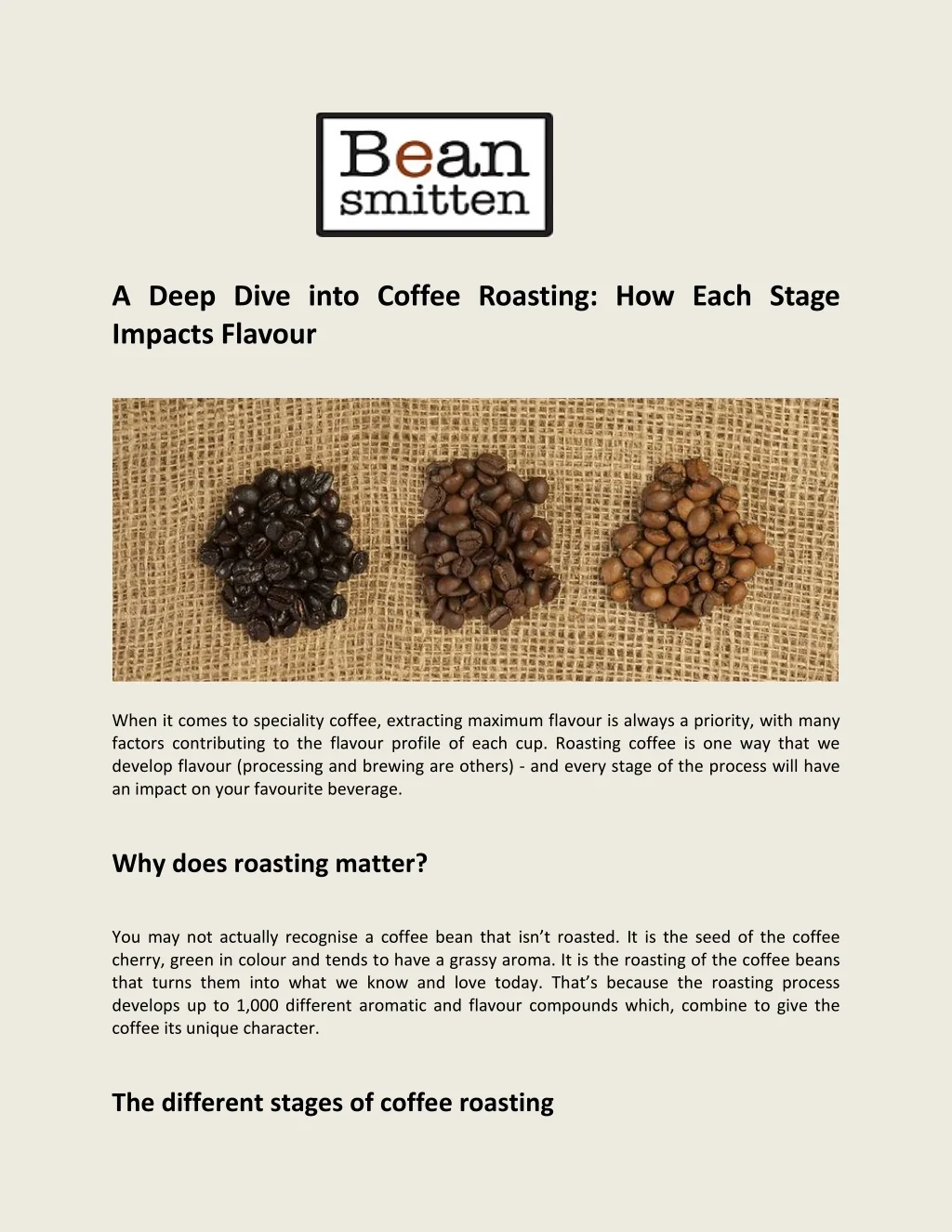
- Roast Level: Lighter roasts tend to have higher concentrations of CGAs, while darker roasts have higher levels of melanoidins and different flavor compounds, potentially altering the balance of metabolic effects.
-
Additives:
The metabolic benefits of black coffee can be significantly altered by the addition of sugar, artificial sweeteners, cream, or flavored syrups. These additions can negate positive effects on glucose metabolism, contribute to excess calorie intake, and potentially alter the gut microbiome in undesirable ways. -
Timing of Consumption:
Consuming coffee too late in the day, especially for slow metabolizers, can disrupt sleep patterns, which in turn negatively impacts glucose regulation and overall metabolic health.
The "Dark Side": Potential Downsides and Considerations
While the metabolic benefits of coffee are increasingly recognized, it’s crucial to acknowledge potential downsides and consider individual tolerance.
-
Sleep Disruption and Anxiety:
For sensitive individuals or those consuming large amounts, caffeine can cause anxiety, nervousness, jitters, and significantly impair sleep quality, which has cascading negative effects on metabolism (e.g., increased insulin resistance). -
Gastrointestinal Distress:
Coffee can stimulate gastric acid secretion, potentially exacerbating symptoms in individuals with gastroesophageal reflux disease (GERD) or sensitive stomachs. -
Blood Pressure:
Caffeine can cause a transient increase in blood pressure, especially in individuals who are not habitual consumers or those with hypertension. While regular consumption does not typically lead to chronic hypertension, sensitive individuals should monitor their intake. -
Bone Health:
Early concerns about coffee and bone density have largely been allayed. While very high caffeine intake (over 400 mg/day) might lead to a small increase in calcium excretion, this effect is generally minor and easily offset by adequate dietary calcium intake. -
Pregnancy and Certain Conditions:
Pregnant women are generally advised to limit caffeine intake due to potential risks to fetal development. Individuals with certain heart conditions, panic disorders, or severe anxiety should consult their doctor regarding coffee consumption.
Conclusion: A Daily Ritual with Profound Biological Implications
The journey from bean to body is a testament to the remarkable complexity of nature’s pharmacy and the intricate adaptability of human physiology. Coffee, far from being a simple stimulant, emerges as a sophisticated metabolic modulator, a daily ritual imbued with profound biological implications. Its diverse array of bioactive compounds, acting synergistically and often paradoxically, influences nearly every facet of our metabolic health – from glucose and insulin regulation to lipid profiles, energy expenditure, inflammation, and even the microbial landscape of our gut.
For the knowledgeable consumer, this deep dive offers a richer appreciation for the cup in hand. It underscores the importance of individual variability, the impact of preparation methods, and the wisdom of mindful consumption. As research continues to unravel the full extent of coffee’s metabolic dance, one thing remains clear: our relationship with this ancient brew is not merely a matter of taste or habit, but a dynamic interplay that profoundly shapes our health, one meticulously brewed cup at a time. The story of coffee’s metabolic impact is a compelling narrative of how a simple plant product can become an integral part of our daily biology, shaping our wellness in ways we are only just beginning to fully comprehend.