
The mirror, that relentless arbiter of time, often tells a story we’d rather not hear. A new fine line etching its way around the eyes, a subtle loss of bounce in the skin, a whisper of dullness where once there was youthful luminosity. It’s a universal narrative, the slow march of time leaving its indelible marks. In our quest to soften these stories, to perhaps even rewrite a few chapters, we often turn to science, to laboratories churning out potent serums and creams. But what if the secret to defying the visible effects of aging lies not in a synthetic marvel, but in the vibrant, sun-drenched bounty of nature itself? What if the humble papaya, a fruit long cherished for its sweet flesh and digestive prowess, holds a potent key to unlocking a more youthful complexion, naturally slowing the signs of aging?
This isn’t a fairy tale of instant transformation, but rather an exploration into the intricate biochemistry of a tropical treasure, a journey into the heart of what makes papaya a compelling contender in the fight against fine lines and the broader narrative of skin aging. For the knowledgeable individual, someone who understands that true beauty emanates from within and without, supported by science and nature alike, the story of papaya and its anti-aging potential is both fascinating and profoundly promising.
The Unfolding Tapestry of Aging: Understanding the Enemy
Before we delve into papaya’s arsenal, it’s crucial to understand the processes that contribute to the visible signs of aging. Our skin, the largest organ, is a complex tapestry constantly renewing itself. However, over time, this renewal process slows, and cumulative damage begins to manifest. The primary culprits are well-documented:
-
Oxidative Stress: This is arguably the most significant contributor. Our bodies are constantly bombarded by free radicals – unstable molecules generated by metabolism, pollution, UV radiation, and stress. These free radicals steal electrons from healthy cells, causing damage to DNA, proteins (like collagen and elastin), and lipids. The result? Cellular dysfunction, inflammation, and accelerated aging. Visibly, this translates to wrinkles, hyperpigmentation, and a loss of skin integrity.
-
Collagen and Elastin Degradation: Collagen, a fibrous protein, provides structural support and firmness to the skin, while elastin gives it elasticity and the ability to snap back. With age, and due to oxidative stress and enzymatic breakdown (matrix metalloproteinases or MMPs), the production of new collagen and elastin decreases, and existing fibers become fragmented and disorganized. This leads to sagging, wrinkles, and a loss of skin’s youthful plumpness.
-
Glycation: This lesser-known but equally damaging process occurs when sugars in our bloodstream attach to proteins and lipids, forming advanced glycation end products (AGEs). AGEs accumulate over time, stiffening collagen and elastin fibers, making them brittle and less functional. This contributes to deep wrinkles, loss of elasticity, and a sallow complexion.
-
Inflammation (Inflammaging): Chronic, low-grade inflammation, often triggered by oxidative stress and environmental factors, can damage skin cells and accelerate the breakdown of collagen and elastin. It contributes to redness, sensitivity, and uneven skin tone, all of which make the skin appear older.
-
Reduced Cell Turnover: As we age, the rate at which our skin cells renew themselves slows down. This means dead, dull skin cells accumulate on the surface, leading to a lackluster complexion, rough texture, and diminished ability to absorb beneficial ingredients.
Understanding these multifaceted attacks on our skin’s youthfulness sets the stage for appreciating how a natural powerhouse like papaya might intervene.
Papaya: A Tropical Jewel with a Hidden Agenda
Carica papaya, a fruit native to Central America and Southern Mexico, has a rich history that extends far beyond its culinary appeal. Indigenous cultures have revered it not just as food, but as medicine, utilizing its leaves, seeds, and fruit for everything from digestive aid to wound healing. Fast forward to the modern era, and scientific inquiry is increasingly validating many of these traditional uses, especially concerning its impact on skin health and anti-aging.
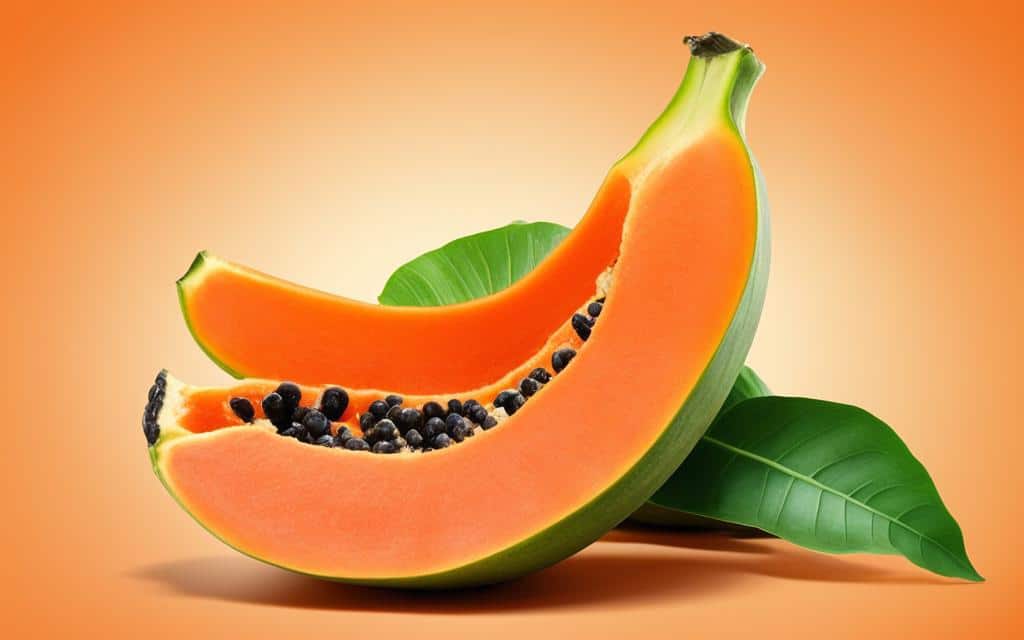
The papaya tree, with its elegant stature and abundant fruit, is a testament to nature’s generosity. The fruit itself, whether green and firm or ripe and sunset-orange, is a cornucopia of bioactive compounds. But how exactly does this tropical delight become a formidable ally in our fight against the fine lines and the deeper narrative of aging? The answer lies in its intricate biochemical composition.
The Nutritional Powerhouse: Deconstructing Papaya’s Anti-Aging Arsenal
Papaya isn’t just one magic bullet; it’s an entire arsenal of compounds working in synergy. Let’s break down its key players: