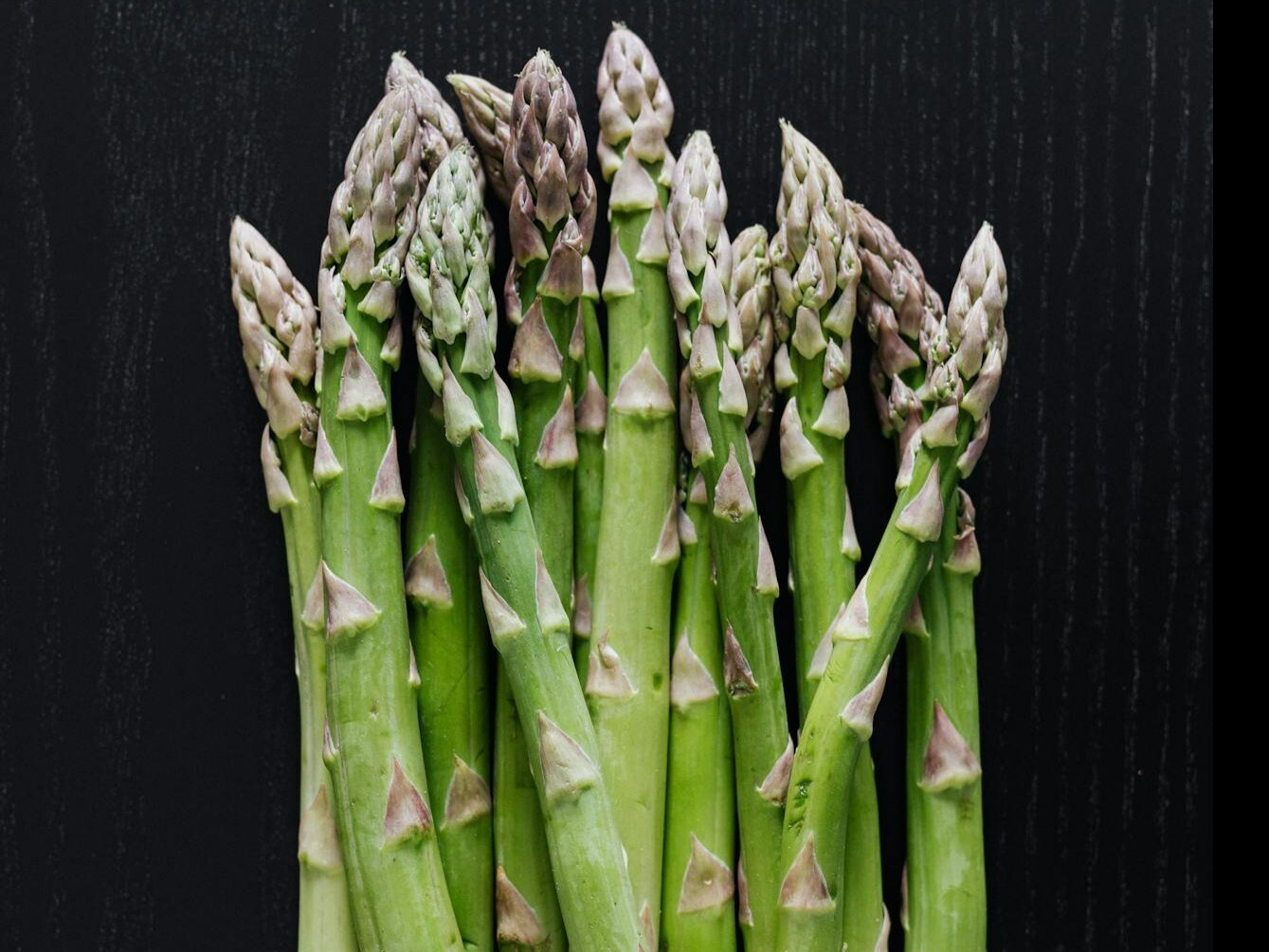
In the grand tapestry of human history, few vegetables have commanded as much respect and culinary adoration as asparagus. From the banquets of Roman emperors to the delicate presentations of modern gastronomy, the slender green spear has always been a symbol of spring, freshness, and sophisticated taste. But beyond its undeniable appeal to the palate, asparagus harbors a profound, almost alchemical power, particularly in the realm of cardiovascular health. This isn’t merely a tale of a delicious vegetable; it’s a compelling narrative of nature’s intricate design, a story of how a humble plant, rich in a often-overlooked nutrient – Vitamin K – can play a pivotal role in one of the most pressing health challenges of our time: hypertension.
Our journey begins not just in the kitchen, but in the very capillaries and arteries that sustain life, where the silent threat of high blood pressure often lays its insidious groundwork. For the knowledgeable individual seeking to understand the deeper science behind dietary interventions, the story of asparagus and its contribution to heart health, particularly through the lens of Vitamin K, offers a compelling and vital chapter in the ongoing saga of well-being.
The Venerable Asparagus: A Legacy Rooted in History and Nutrition
The lineage of Asparagus officinalis stretches back millennia. Ancient Egyptians depicted it on their frescoes, and the Greeks and Romans cultivated it not only for its delicate flavor but also for its reputed medicinal properties. Pliny the Elder, the Roman naturalist, meticulously documented its cultivation, and the Emperor Augustus was so fond of it that he coined the phrase “faster than cooking asparagus” for speed. Its journey through time saw it grace European tables, introduced to the Americas by colonists, and eventually become a global culinary staple.
This enduring popularity is no accident. From a nutritional standpoint, asparagus is a powerhouse, often celebrated for its low calorie count and high fiber content. But delve deeper, and its true genius begins to reveal itself. It is a treasure trove of vitamins, including A, C, E, and a particularly impressive concentration of B vitamins, especially folate. Minerals such as potassium, iron, and manganese are also present in significant amounts. Crucially, it is an excellent source of antioxidants like flavonoids (quercetin, kaempferol, rutin) and anthocyanins (especially in purple varieties), and glutathione. Yet, for our specific narrative, one nutrient stands out with particular brilliance: Vitamin K.
The Silent Epidemic: Understanding Hypertension
Before we fully immerse ourselves in the mechanisms by which asparagus exerts its cardioprotective effects, it is essential to contextualize the adversary: hypertension. Defined as consistently elevated blood pressure, hypertension is a global health crisis affecting billions. Often dubbed the “silent killer,” it frequently presents without noticeable symptoms, yet relentlessly damages the cardiovascular system over time. Uncontrolled high blood pressure significantly increases the risk of heart attack, stroke, kidney disease, heart failure, and even cognitive decline.
The causes of hypertension are multifactorial, encompassing genetics, lifestyle choices (diet high in sodium, low in potassium, physical inactivity, excessive alcohol consumption, smoking), obesity, and stress. While pharmacological interventions are crucial for many, the foundational pillar of both prevention and management lies in lifestyle modifications, with diet playing a paramount role. It is within this critical need for dietary solutions that asparagus steps into the spotlight, offering a natural, potent ally.
Vitamin K: The Unsung Hero of Vascular Calcification and Blood Pressure
For decades, Vitamin K’s claim to fame was predominantly its indispensable role in blood coagulation. Vitamin K, specifically phylloquinone (K1), found abundantly in green leafy vegetables, and menaquinone (K2), synthesized by gut bacteria and found in fermented foods and animal products, is essential for the activation of certain proteins that enable blood clotting. However, the scientific understanding of Vitamin K has evolved dramatically, revealing its critical, often overlooked, functions in bone metabolism and, most pertinent to our story, cardiovascular health.
The narrative of Vitamin K’s impact on blood pressure regulation primarily revolves around its profound influence on arterial calcification and vascular stiffness. These two phenomena are key contributors to the development and progression of hypertension.
The Matrix Gla Protein (MGP): A Guardian of Arterial Elasticity
Central to this story is a remarkable protein known as Matrix Gla Protein (MGP). MGP is a potent inhibitor of soft tissue calcification, particularly within the arterial walls. Think of MGP as a vigilant guardian, preventing calcium crystals from depositing and hardening the delicate elastic fibers of our arteries.
However, MGP doesn’t function in its protective capacity straight out of the cellular machinery. It requires activation, a molecular “switch” that turns it on. This crucial activation step is where Vitamin K steps in. Specifically, Vitamin K acts as a co-factor for an enzyme called gamma-glutamyl carboxylase (GGCX), which carboxylates MGP. This carboxylation process converts inactive MGP (ucMGP – uncarboxylated MGP) into its active, carboxylated form (cMGP).
When there is insufficient Vitamin K, or when its availability is compromised, MGP remains largely inactive. This leads to a diminished ability to prevent calcium accumulation in the arterial walls. The consequences are dire:
- Arterial Stiffness: As calcium builds up, the arteries lose their natural elasticity, becoming stiff and rigid. This rigidity means they cannot expand and contract efficiently with each heartbeat.
- Increased Pulse Pressure: Stiff arteries contribute to a higher pulse pressure (the difference between systolic and diastolic blood pressure), which is an independent risk factor for cardiovascular events.
- Elevated Blood Pressure: The heart has to work harder to pump blood through stiff, constricted vessels, leading to increased systemic vascular resistance and, consequently, elevated blood pressure. This creates a vicious cycle, where hypertension further accelerates arterial damage and calcification.
Numerous studies have elucidated this critical link. Research has consistently shown an inverse relationship between Vitamin K intake (especially K2, but K1 also plays a role) and the risk of arterial calcification and cardiovascular events. Higher circulating levels of active MGP, indicative of adequate Vitamin K status, are associated with healthier, more elastic arteries and lower blood pressure readings. Conversely, elevated levels of inactive MGP are predictive of increased arterial stiffness and cardiovascular mortality.
Asparagus: A Premier Source of Vitamin K1
This brings us back to our protagonist. Asparagus is an exceptional source of Vitamin K1 (phylloquinone). A single cup (approximately 134 grams) of cooked asparagus provides a substantial portion of the recommended daily intake for Vitamin K, often exceeding 70% of the Daily Value. By regularly incorporating asparagus into the diet, individuals can significantly bolster their Vitamin K reserves, thereby promoting the activation of MGP and supporting the crucial inhibition of arterial calcification. This direct mechanism positions asparagus as a powerful dietary tool in the fight against arterial stiffness and the maintenance of healthy blood pressure.
While Vitamin K2 is often highlighted for its superior bioavailability and direct action in calcification inhibition, Vitamin K1 is the precursor and the most abundant form in the diet. The body can convert some K1 to K2, and a high intake of K1 ensures a strong foundation for overall Vitamin K status, benefiting vascular health through the MGP pathway.
Asparagus’s Multifaceted Approach to Blood Pressure Control: Beyond Vitamin K
While Vitamin K plays a starring role, the story of asparagus and heart health is richer and more complex, featuring a supporting cast of compounds that work synergistically to exert a comprehensive antihypertensive effect. Asparagus is not a one-trick pony; it’s a botanical symphony of nutrients harmonizing for cardiovascular well-being.
1. Diuretic Properties: The Natural Flush
One of the oldest known traditional uses of asparagus was as a diuretic. This property is primarily attributed to two compounds:
- Asparagine: An amino acid unique to asparagus, which stimulates kidney activity, increasing urine output.
- Potassium: Asparagus is a good source of potassium, a mineral known to counteract the effects of sodium in the body. Sodium contributes to fluid retention and elevated blood pressure, while potassium promotes the excretion of sodium and helps maintain fluid balance. By increasing urination and flushing excess sodium and fluid from the body, asparagus can help reduce blood volume and consequently lower blood pressure.
2. Antioxidants and Anti-inflammatory Compounds: Shielding the Endothelium
Chronic inflammation and oxidative stress are major drivers of endothelial dysfunction, a critical early step in the development of atherosclerosis and hypertension. The endothelium, the delicate inner lining of blood vessels, plays a vital role in regulating vascular tone and blood flow. When damaged by free radicals and inflammatory mediators, its ability to produce vasodilators like nitric oxide is impaired, leading to vasoconstriction and increased blood pressure.
Asparagus is replete with a formidable array of antioxidants and anti-inflammatory compounds:
- Flavonoids: Quercetin, kaempferol, and rutin are powerful antioxidants that scavenge free radicals, reduce oxidative damage, and exert anti-inflammatory effects. They can help protect endothelial cells and improve their function.
- Anthocyanins: Found in abundance in purple asparagus, these pigments are potent antioxidants known for their cardiovascular benefits, including improved endothelial function and reduced inflammation.
- Glutathione: Often called the “master antioxidant,” glutathione is crucial for detoxifying harmful compounds and protecting cells from oxidative stress. Asparagus is one of the richest vegetable sources of glutathione.
By mitigating oxidative stress and inflammation, these compounds help maintain the integrity and functionality of the endothelium, promoting healthy vasodilation and contributing to lower blood pressure.
3. Fiber Content: The Gut-Heart Axis
The significant fiber content in asparagus (both soluble and insoluble) contributes to heart health through several pathways:
- Weight Management: Fiber promotes satiety, helping to reduce overall calorie intake and supporting healthy weight management. Obesity is a significant risk factor for hypertension.
- Cholesterol Reduction: Soluble fiber can help lower LDL (“bad”) cholesterol levels by binding to cholesterol in the digestive tract and preventing its absorption.
- Gut Microbiome Modulation: Fiber acts as a prebiotic, feeding beneficial gut bacteria. A healthy gut microbiome produces short-chain fatty acids (SCFAs) like butyrate, propionate, and acetate. Emerging research suggests that SCFAs can influence blood pressure regulation through various mechanisms, including interactions with the immune system and the renin-angiotensin system. This highlights the fascinating and increasingly understood “gut-heart axis.”
4. Folate (Vitamin B9): Homocysteine and Vascular Health
Asparagus is an excellent source of folate. Folate plays a crucial role in the metabolism of homocysteine, an amino acid. Elevated levels of homocysteine are an independent risk factor for cardiovascular disease, as they can damage the inner lining of blood vessels, impairing endothelial function and promoting the development of atherosclerosis. By providing ample folate, asparagus helps maintain healthy homocysteine levels, thereby protecting vascular integrity and supporting normal blood pressure.
5. Arginine and Nitric Oxide Production: The Vasodilator Effect
While not as concentrated as in other sources, asparagus contains L-arginine, an amino acid that serves as the primary precursor for nitric oxide (NO) synthesis in the body. Nitric oxide is a potent vasodilator, meaning it relaxes and widens blood vessels, improving blood flow and reducing blood pressure. By contributing to NO production, asparagus can further support the maintenance of healthy vascular tone.
The Story in the Lab: Research and Evidence
The scientific community has increasingly turned its attention to the multifaceted benefits of asparagus. While specific, large-scale human clinical trials focusing solely on asparagus and blood pressure are still emerging, the cumulative evidence from various studies strongly supports its role in cardiovascular health:
- Epidemiological Studies: These studies often link higher consumption of vegetables rich in Vitamin K, folate, fiber, and antioxidants to a reduced risk of hypertension and cardiovascular disease. Asparagus, being a concentrated source of these nutrients, fits perfectly into these findings.
- In Vitro and Animal Studies: Research using cell cultures and animal models has demonstrated the antioxidant, anti-inflammatory, and vasodilatory effects of asparagus extracts and isolated compounds. For instance, studies have shown that asparagus extracts can protect endothelial cells from oxidative damage and improve blood flow in hypertensive animal models.
- Human Intervention Studies (Indirect Evidence): While direct trials on asparagus are limited, studies on Vitamin K supplementation or increased intake of Vitamin K-rich foods have shown promising results in reducing arterial stiffness and improving vascular function, particularly in older adults or those with existing cardiovascular risk factors. Similarly, studies on folate supplementation have shown benefits in reducing homocysteine levels and improving endothelial function.
It’s important for the knowledgeable audience to understand that while the evidence for individual compounds within asparagus is robust, attributing a singular, isolated effect to the whole food can be challenging due to the complex interplay of its constituents. However, the synergistic action of Vitamin K, antioxidants, fiber, and other nutrients creates a powerful argument for asparagus as a significant dietary tool for blood pressure management. Future research is likely to focus on larger, long-term human trials to further solidify these findings and elucidate optimal intake levels.
Integrating Asparagus into a Heart-Healthy Lifestyle: A Practical Narrative
The story of asparagus moves from the lab to the plate, where its scientific benefits translate into tangible health outcomes. Incorporating this royal spear into your diet is both delicious and straightforward.
Dietary Recommendations:
There’s no strict “dose” for asparagus, but regular consumption as part of a balanced diet is key. Aim for at least one cup of cooked asparagus a few times a week to significantly boost your intake of Vitamin K and other beneficial nutrients.
Preparation Methods for Nutrient Preservation:
- Steaming: This is often considered the best method for preserving water-soluble vitamins (like folate and some B vitamins) and minerals, while retaining the vibrant color and crisp-tender texture.
- Roasting or Grilling: These methods caramelize the natural sugars in asparagus, enhancing its flavor. They are also good for preserving fat-soluble vitamins like K, especially when cooked with a drizzle of healthy fat like olive oil, which aids absorption.
- Sautéing: Quick sautéing with minimal oil is another excellent option.
Pairing for Synergy:
Asparagus is incredibly versatile and pairs beautifully with other heart-healthy ingredients:
- Healthy Fats: Drizzle with extra virgin olive oil or avocado oil. These healthy fats not only enhance flavor but also improve the absorption of fat-soluble Vitamin K.
- Lean Proteins: Serve alongside grilled fish (rich in omega-3s), chicken breast, or legumes for a complete, heart-healthy meal.
- Other Vegetables: Combine with bell peppers, spinach, and tomatoes for an antioxidant-rich medley.
- Whole Grains: Toss with quinoa or brown rice for added fiber and complex carbohydrates.
Recipe Ideas:
- Simple Roasted Asparagus: Toss spears with olive oil, garlic, salt, and pepper; roast at 400°F (200°C) for 10-15 minutes.
- Asparagus and Lemon Risotto: A creamy, flavorful dish where asparagus adds a refreshing bite and a nutritional punch.
- Asparagus and Feta Salad: Blanched asparagus, cherry tomatoes, red onion, and crumbled feta with a light vinaigrette.
- Asparagus and Smoked Salmon Frittata: A protein-packed breakfast or light lunch, rich in heart-healthy fats and nutrients.
Important Considerations:
- Warfarin and Vitamin K: Individuals taking blood-thinning medications like warfarin (Coumadin) need to be mindful of their Vitamin K intake. Warfarin works by interfering with Vitamin K’s role in clotting. While maintaining a consistent daily intake of Vitamin K (rather than avoiding it) is generally recommended, consult with your healthcare provider or dietitian to manage your intake safely. They can help you understand how to incorporate Vitamin K-rich foods like asparagus without disrupting your medication’s efficacy.
- Allergies: Although rare, some individuals may experience an allergic reaction to asparagus.
- Asparagus “Odor”: The characteristic odor in urine after eating asparagus is due to the metabolism of asparagusic acid into sulfur-containing compounds. It’s harmless and affects only a portion of the population due to genetic variations in enzyme activity.
Beyond the Plate: A Holistic Perspective on Heart Health
While asparagus offers a compelling argument for its inclusion in a heart-healthy diet, it is crucial to remember that it is but one player in a much larger orchestra. Optimal cardiovascular health, particularly the management of blood pressure, requires a holistic approach:
- Overall Dietary Pattern: Adopting dietary patterns proven to lower blood pressure, such as the DASH (Dietary Approaches to Stop Hypertension) diet or the Mediterranean diet, is paramount. These emphasize fruits, vegetables, whole grains, lean proteins, and healthy fats, while limiting processed foods, saturated fats, and added sugars.
- Regular Physical Activity: Engaging in at least 150 minutes of moderate-intensity aerobic exercise per week significantly contributes to blood pressure reduction and overall cardiovascular fitness.
- Stress Management: Chronic stress can elevate blood pressure. Techniques such as mindfulness, meditation, yoga, or spending time in nature can be beneficial.
- Adequate Sleep: Sufficient, quality sleep is essential for cardiovascular health. Poor sleep patterns can negatively impact blood pressure regulation.
- Smoking Cessation and Moderate Alcohol Intake: Avoiding smoking and limiting alcohol consumption are critical steps in protecting the heart and blood vessels.
- Regular Medical Check-ups: Consistent monitoring of blood pressure, cholesterol levels, and other cardiovascular markers, along with adherence to prescribed medications, is vital for effective management.
Asparagus, with its rich tapestry of nutrients, complements these broader strategies beautifully, acting as a powerful dietary lever in the pursuit of a healthy heart.
The Future of the Spear: Ongoing Research and Potential
The story of asparagus and heart health is far from over. As scientific understanding evolves, new chapters are being written. Researchers are delving deeper into:
- Specific Bioactive Peptides: Identifying novel peptides within asparagus that may have antihypertensive or anti-inflammatory properties.
- Gut Microbiome Interactions: Further exploring how asparagus fiber and prebiotics influence the gut microbiome and its impact on blood pressure.
- Genetic Predisposition: Understanding how individual genetic variations might influence the effectiveness of asparagus-derived nutrients in different people, paving the way for personalized nutrition strategies.
- Sustainable Cultivation: Ensuring that this valuable crop can be grown efficiently and environmentally responsibly to meet growing demand.
Conclusion: Asparagus – A Green Legacy for a Healthy Heart
From ancient tables to modern research labs, the story of asparagus is a testament to the profound power of nature’s bounty. It is a narrative that weaves together history, culinary delight, and cutting-edge science, culminating in a compelling argument for its role in heart health.
At the core of this story is Vitamin K, a once-underappreciated nutrient that, with the help of asparagus, stands as a crucial guardian against arterial calcification and stiffness, fundamental contributors to hypertension. But the spear’s potency extends far beyond this single vitamin, drawing strength from its diuretic properties, its arsenal of antioxidants, its beneficial fiber, and its wealth of other micronutrients.
For the knowledgeable individual committed to proactive health management, asparagus emerges not just as a seasonal treat, but as a strategic dietary ally. It reminds us that often, the most potent medicines are found not in a pill bottle, but in the vibrant, nutrient-dense foods that have sustained humanity for millennia. By embracing the humble, yet mighty, asparagus, we can actively participate in the ongoing story of our own well-being, paving the way for a future where healthy hearts beat strong, supported by the green legacy of this royal spear.