
The pursuit of longevity is a timeless human endeavor, a quest for not just more years, but more vibrant, fulfilling years. For centuries, whispers and wonders have surrounded certain populations, particularly those nestled in the vibrant tapestry of Asia, where age often seems to bestow wisdom without exacting its usual toll on vitality. From the centenarians of Okinawa to the active elders of rural China, the phenomenon of extended healthspan, a life lived with vigor and purpose well into advanced age, has captivated researchers and health enthusiasts alike. While genetics, lifestyle, and environment undoubtedly play their part, the cornerstone of this remarkable resilience often lies, quite literally, on the dinner table.
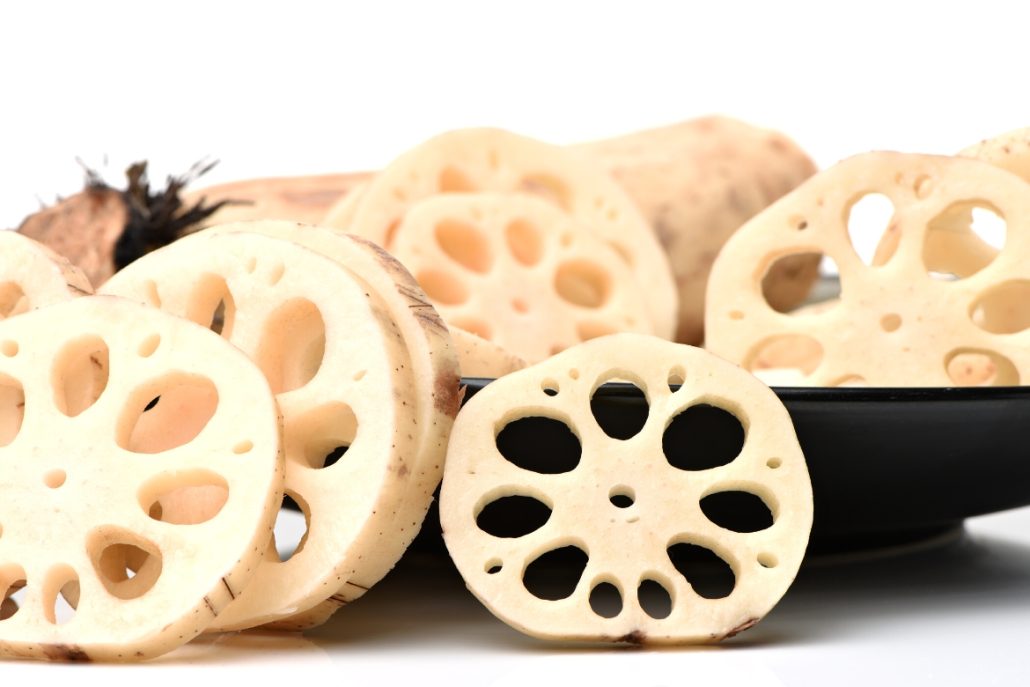
In a world increasingly seeking quick fixes and exotic superfoods, the true secrets to sustained well-being often hide in plain sight, embedded within the culinary traditions of cultures that have perfected the art of harmonious living. One such unassuming hero, deeply woven into the fabric of East and Southeast Asian diets, is the lotus root. Often overshadowed by flashier ingredients, this versatile rhizome, with its intricate, lace-like interior and subtle sweetness, has been a quiet constant in kitchens and traditional medicine for millennia. Could this humble aquatic vegetable be one of the unsung architects of Asian longevity?
To explore this, we must journey beyond a simple ingredient list. We must delve into the story of the lotus root itself – its journey from ancient swamps to revered culinary staple, its cultural symbolism, and the profound nutritional science that underpins its enduring presence in diets linked to exceptional health and lifespan. This isn’t about finding a magic bullet, but rather understanding how a single, wholesome food, integrated thoughtfully into a balanced lifestyle, can contribute to a symphony of biological benefits that resonate with the very essence of healthy aging.
We will uncover five distinct ways lotus root enhances your diet, offering a compelling narrative that connects ancient wisdom with modern nutritional science, ultimately revealing why this beautiful root might just be a significant piece of the puzzle to living longer, healthier, and more vibrantly.
The Story of Lotus Root: A Culinary and Cultural Tapestry
Our journey begins not in a laboratory, but in the tranquil waters where Nelumbo nucifera, the sacred lotus, makes its home. This magnificent aquatic plant, with its iconic pink or white blossoms reaching towards the sun, has captivated humanity for thousands of years. While its flowers symbolize purity and enlightenment in many Eastern philosophies, and its seeds are cherished for their nutritional value, it is the root, or more accurately, the rhizome that burrows beneath the muddy surface, that we turn our attention to.
The lotus root’s story is one of resilience and abundance. Originating in Asia, likely India or China, it has been cultivated for at least 3,000 years, its presence documented in ancient texts and archaeological digs. From these ancient origins, it spread across the continent, becoming an indispensable part of the culinary landscapes of China, Japan, Korea, Vietnam, Thailand, and beyond. Each culture embraced its unique characteristics, weaving it into their distinct gastronomic traditions.
In traditional Chinese medicine (TCM), lotus root (ǒu jié) is revered for its cooling properties and its ability to stop bleeding, strengthen the spleen, and nourish the blood. It’s often prescribed for various ailments, from coughs and fevers to digestive issues. This medicinal reverence elevated its status beyond mere sustenance, positioning it as a food that not only nourishes the body but also restores its balance and harmony.
Culturally, the lotus root carries profound symbolism. Its ability to emerge pristine and beautiful from muddy waters makes it a powerful metaphor for purity and spiritual awakening. Its intricate, interconnected channels, visible when sliced, are sometimes seen as representing the interconnectedness of life or the human heart. This deep cultural resonance imbues the act of consuming lotus root with a sense of tradition and respect, connecting the eater to generations of wisdom.
Culinary versatility is another chapter in its rich narrative. The lotus root possesses a unique texture – crisp when raw, yet tender and slightly starchy when cooked, absorbing flavors beautifully. Its taste is subtly sweet and earthy, making it a chameleon in the kitchen. It can be found pickled, sliced thinly into refreshing salads, stir-fried with meats and vegetables, simmered into hearty soups and stews, or even candied into delightful desserts. From the delicate stir-fried lotus root with celery in Chinese cuisine to the earthy renkon no kinpira (braised lotus root) in Japan, its applications are as diverse as the cultures that cherish it. This omnipresence across varied dishes and its deep cultural roots hint at a food that is not merely eaten for survival, but for wellness, tradition, and indeed, for life.
Deconstructing Longevity: What Does It Mean?
Before we dive into the specifics of lotus root, it’s crucial to understand what we mean by "longevity." It’s more than just a numerical lifespan; it’s about healthspan – the period of life spent in good health, free from chronic disease and disability. True longevity is characterized by vitality, cognitive sharpness, physical independence, and a sustained quality of life, allowing individuals to engage meaningfully with the world around them for as long as possible.
The factors contributing to this extended healthspan are multifaceted: genetics lay a foundational blueprint, but lifestyle choices, environmental influences, and most significantly, diet, sculpt the living experience. Modern science increasingly affirms what ancient wisdom intuitively understood: the food we consume is not merely fuel, but information that dictates how our cells function, how our genes express themselves, and how resilient our bodies are against the ravages of time and stress.
Chronic inflammation, oxidative stress, metabolic dysfunction, and cellular senescence are just a few of the biological hallmarks of aging. A diet rich in whole, unprocessed foods, particularly those abundant in antioxidants, fiber, and essential micronutrients, plays a pivotal role in mitigating these processes. It’s within this scientific framework that the humble lotus root emerges as a compelling candidate, offering a spectrum of benefits that align perfectly with the principles of a longevity-promoting diet. Let’s explore the five remarkable ways it contributes to this profound goal.
The Core: 5 Ways Lotus Root Enhances Your Diet for Longevity
Way 1: A Symphony of Fiber for Gut Health and Beyond
Imagine the human gut as a bustling inner ecosystem, a "second brain" humming with trillions of microorganisms. This microbiome, a complex community of bacteria, fungi, and viruses, is now understood to be a profound influencer of our overall health, impacting everything from immunity and metabolism to mood and cognitive function. The health of this ecosystem is critically dependent on what we feed it, and here, lotus root sings a resounding symphony of fiber.
Lotus root is an exceptional source of dietary fiber, offering both soluble and insoluble types. Insoluble fiber acts as a bulk-forming agent, promoting regular bowel movements and preventing constipation, which is crucial for the efficient elimination of toxins and waste products from the body. A clean, efficient digestive tract reduces the burden on other systems and helps prevent the accumulation of harmful substances that can contribute to cellular aging and disease.
However, it is the soluble fiber in lotus root that plays a particularly vital role in nourishing our internal garden. Soluble fiber dissolves in water to form a gel-like substance, slowing down digestion and nutrient absorption. More importantly, it acts as a powerful prebiotic, serving as sustenance for beneficial gut bacteria. As these bacteria ferment the soluble fiber, they produce short-chain fatty acids (SCFAs) like butyrate, acetate, and propionate. Butyrate, in particular, is a hero molecule, providing energy for colon cells, strengthening the gut barrier, reducing inflammation, and even influencing gene expression.
A robust, diverse gut microbiome, fueled by the prebiotics in lotus root, translates into myriad longevity benefits:
- Enhanced Immunity: A significant portion of our immune system resides in the gut. A healthy microbiome trains and modulates immune responses, making the body more resilient against infections and reducing the risk of autoimmune conditions, which can accelerate aging.
- Improved Nutrient Absorption: A well-functioning gut lining, supported by SCFAs, is more efficient at absorbing essential vitamins, minerals, and other nutrients from our food, ensuring our cells receive the building blocks they need for repair and function.
- Weight Management: Fiber promotes satiety, making us feel fuller for longer and reducing overall calorie intake. Maintaining a healthy weight is paramount for longevity, as obesity is a major risk factor for chronic diseases like diabetes, heart disease, and certain cancers.
- Blood Sugar Regulation: Soluble fiber slows the absorption of glucose into the bloodstream, preventing sharp spikes and crashes in blood sugar. This contributes to better insulin sensitivity, reducing the risk of type 2 diabetes, a condition strongly linked to accelerated aging and reduced healthspan.
- Reduced Inflammation: A balanced gut microbiome helps to keep systemic inflammation in check. Chronic low-grade inflammation is a silent driver of many age-related diseases, from cardiovascular disease to neurodegenerative disorders.
By consistently providing this vital dietary fiber, lotus root doesn’t just aid digestion; it orchestrates a profound influence on our internal ecosystem, laying a resilient foundation for long-term health and vitality. It’s a testament to the idea that true health begins from within, in the intricate dance between our food and our microbial inhabitants.