
Introduction: The Whispers from the Watery Depths
In the culinary tapestry of the world, there are ingredients that transcend mere sustenance, becoming vessels of history, culture, and wellness. Among these, the lotus root, Nelumbo nucifera, emerges from the silken mud of ponds and lakes as a testament to nature’s profound artistry. It is an ingredient that whispers stories of ancient civilizations, of vibrant festivals, and of quiet, healing meals shared across generations. Far from being a mere vegetable, the lotus root embodies a unique trinity: the invigorating crunch that awakens the palate, the subtle, earthy nuttiness that grounds and satisfies, and a profound healing essence woven into its very fibers.
This is not merely a guide to cooking; it is an invitation to embark on a culinary journey, to unearth the secrets of an ingredient that has nourished bodies and souls for millennia. For the knowledgeable palate, for those who seek not just flavor but also depth and story in their food, the lotus root offers a boundless canvas. From its humble origins beneath the water’s surface, to its starring role in sophisticated dishes, we will explore how this remarkable rhizome transforms, tantalizes, and ultimately, heals. Prepare to delve into the heart of a culinary tradition that celebrates texture, embraces nuance, and cherishes the profound connection between earth, water, and well-being.
The Enigma of the Lotus: A Botanical and Cultural Journey
To truly appreciate the lotus root, one must first understand the majestic plant from which it springs. Nelumbo nucifera, the sacred lotus, is an icon of purity, beauty, and spiritual enlightenment across vast swathes of Asia. Its magnificent flowers, often rising pristine and unblemished from muddy waters, have inspired poets, artists, and philosophers for centuries. Yet, beneath this ethereal beauty lies its anchor, the rhizome – the very lotus root we seek to explore.
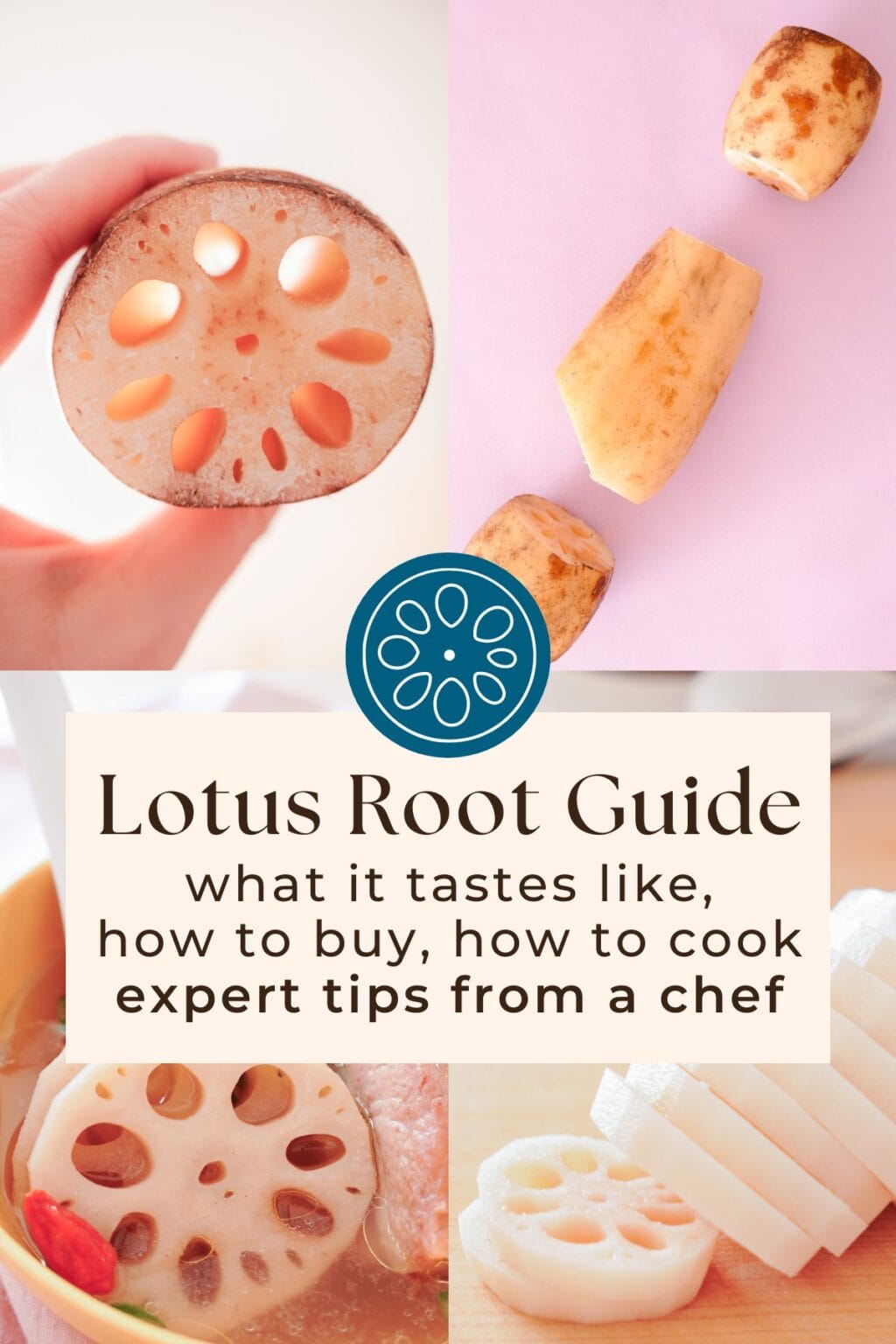
Botanically, the lotus root is not a root in the conventional sense, but a modified stem or rhizome that grows horizontally under the water. Segmented and hollow, with a captivating pattern of air canals, it serves as the plant’s storage organ, accumulating starches and nutrients to sustain its growth. This intricate internal structure, visible when sliced, is not just visually appealing; it contributes to the root’s characteristic texture and its ability to absorb flavors.
The history of the lotus root is as ancient and profound as the civilizations that revered it. In ancient Egypt, the blue lotus (a different species, Nymphaea caerulea) symbolized creation and rebirth, while the pink lotus held similar sacred significance in India and China. Its presence in ancient texts and artifacts across these cultures underscores its importance, not just as a food source but as a symbol of life, purity, and spiritual awakening.
In Asian cultures, particularly Chinese, Vietnamese, Japanese, and Indian, the lotus root is far more than an edible plant. It is deeply interwoven into medicinal practices, religious ceremonies, and daily culinary life. Its journey from the murky depths to the dinner plate is often seen as a metaphor for transformation and resilience. The act of preparing and consuming lotus root is, for many, a connection to this ancient wisdom, a mindful engagement with an ingredient that embodies both physical nourishment and spiritual metaphor.
This cultural reverence translates directly into its culinary applications. From celebratory banquets to humble family meals, the lotus root plays a versatile role. It appears in cooling summer salads, hearty winter stews, delicate stir-fries, and even sweet desserts. Its enduring presence in diverse cuisines speaks volumes about its adaptability, its unique sensory appeal, and its perceived health benefits – a story whispered from the watery depths, carried through time, and now, finally, ready to be told on your plate.
Unearthing the Healing Power: Nutritional Profile and Traditional Wisdom
The designation of "healing" in our exploration of lotus root is not merely poetic license; it is deeply rooted in both traditional wisdom and modern nutritional understanding. For centuries, various Asian medicinal systems have lauded the lotus root for its therapeutic properties, and contemporary science continues to uncover the rich bounty of nutrients it offers.
At its core, lotus root is a nutritional powerhouse. It is remarkably rich in dietary fiber, which is crucial for digestive health. This fiber aids in regulating bowel movements, preventing constipation, and promoting a healthy gut microbiome, which in turn influences overall immunity and mood. The feeling of satiety it provides also makes it an excellent addition to weight management diets.
Beyond fiber, lotus root is an exceptional source of Vitamin C. A potent antioxidant, Vitamin C is vital for immune function, collagen synthesis (promoting healthy skin, bones, and blood vessels), and protecting cells from oxidative damage caused by free radicals. This contribution alone elevates lotus root beyond a simple starch, positioning it as a significant contributor to cellular health and vitality.
The root also boasts a commendable profile of B vitamins, particularly Vitamin B6 (pyridoxine). B6 plays a critical role in numerous bodily functions, including metabolism, nerve function, and the production of neurotransmitters, which can influence mood and cognitive function. Its presence underscores the holistic benefits of incorporating lotus root into one’s diet.
Minerals are another area where lotus root shines. It is a good source of potassium, an essential electrolyte that helps regulate blood pressure and maintain fluid balance. Furthermore, it provides iron, vital for oxygen transport in the blood; copper, involved in energy production and iron absorption; and manganese, an antioxidant and cofactor for many enzymes. These minerals collectively contribute to robust bodily functions, from energy metabolism to bone health.
In Traditional Chinese Medicine (TCM), the lotus root (Lian Ou) is classified as having a cooling nature and is associated with the Spleen, Stomach, and Lung meridians. It is traditionally used to:
- Clear heat and cool blood: Often recommended for conditions involving excess heat in the body, such as nosebleeds, coughing up blood, or blood in the urine (when related to heat).
- Stop bleeding: Both raw and cooked lotus root are believed to have hemostatic properties. Raw lotus root is considered more effective for cooling and stopping bleeding, while cooked lotus root is more nourishing.
- Strengthen the Spleen and Stomach: Cooked lotus root is revered for its ability to tonify Qi (vital energy) and improve digestion, making it beneficial for those with weak digestion, fatigue, or poor appetite.
- Moisten the Lungs: Its slightly viscous texture when cooked is thought to moisten the lungs, making it useful for dry coughs or conditions related to lung dryness.
The contrast between raw and cooked lotus root in TCM highlights its adaptability and the nuanced understanding of its healing properties. Raw, it is crisp, slightly bitter, and cooling. Cooked, it becomes sweet, starchy, and warming. This duality underscores the depth of its therapeutic potential, allowing it to address a wide range of imbalances.
Thus, when we speak of lotus root as "healing," we refer to this confluence of robust nutritional content and time-honored medicinal application. It is a food that doesn’t just fill the stomach but actively contributes to the body’s well-being, from the gut to the immune system, embodying a holistic approach to health that our knowledgeable audience will undoubtedly appreciate.
From Earth to Table: Selecting, Storing, and Preparing Lotus Root
The journey from the murky pond to your gleaming kitchen begins with mindful selection and careful preparation. For the discerning cook, understanding these foundational steps is paramount to unlocking the lotus root’s full potential.
Selecting the Perfect Root
When choosing lotus root, treat it like any prized produce: