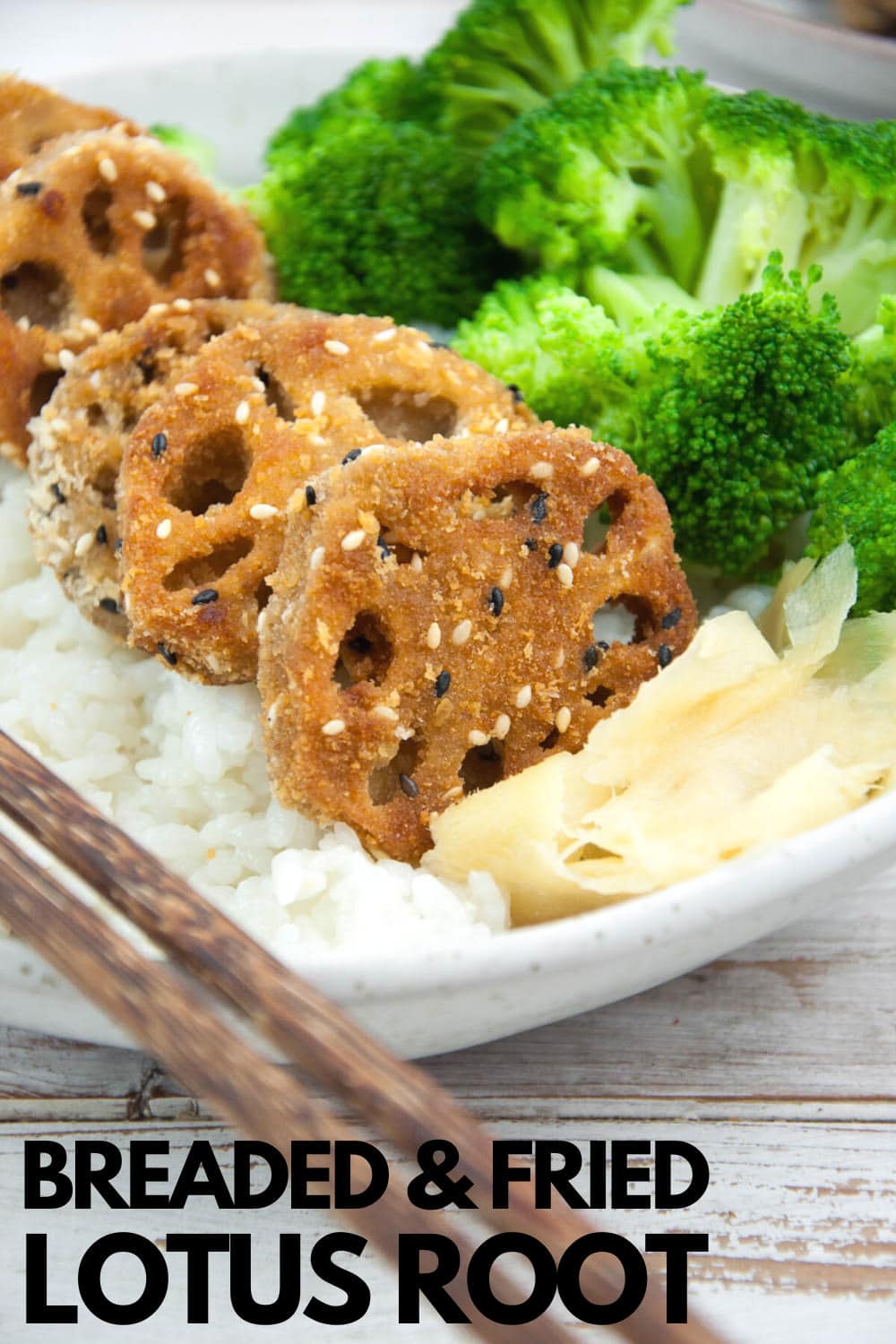

The modern culinary landscape, for all its dazzling innovations and global fusions, often leaves us with a familiar dilemma: the weekly meal prep rut. We cycle through the same cast of characters – chicken and broccoli, quinoa bowls, lentil soups – not out of disinterest, but out of a quest for efficiency and reliable nutrition. The pursuit of health and convenience often stifles the very creativity that makes cooking a joy. But what if there was an ingredient, waiting patiently beneath the surface, that could not only break this monotony but elevate your entire meal prep game? An ingredient that whispers tales of ancient cultures, offers a symphony of textures, a canvas for countless flavors, and a nutritional profile that quietly outperforms many of its more celebrated counterparts.
Enter the lotus root.
For many in the Western world, nelumbo nucifera (or more specifically, its edible rhizome) remains a mysterious, perhaps even intimidating, presence in the produce aisle. Its intricate, almost architectural cross-section, riddled with perfectly symmetrical holes, looks less like a vegetable and more like a piece of culinary art. But to dismiss it as a mere exotic curiosity would be to overlook a culinary powerhouse, a true unsung hero that is remarkably versatile, incredibly nutritious, and astonishingly meal-prep friendly. This isn’t just about adding a new vegetable to your repertoire; it’s about unlocking a new dimension of flavor, texture, and nutritional excellence that can transform your weekly routine from a chore into an exciting journey of culinary discovery.
Chapter 1: The Allure of the Aquatic Tuber – Understanding Lotus Root
To truly appreciate the lotus root, we must first understand its origins and essence. The lotus plant itself is a marvel of nature, deeply embedded in the spiritual and cultural fabric of Asia. From the muddy depths, its magnificent flowers bloom, pristine and unblemished, symbolizing purity, enlightenment, and rebirth in numerous Eastern philosophies. But beneath the water’s surface, anchoring this iconic plant, lies its true culinary treasure: the rhizome, or what we commonly call the lotus root.
This aquatic tuber is not merely a root in the conventional sense; it’s a thickened stem that grows horizontally, segment by segment, forming a chain of oblong, brownish sections. Each segment is a treasure trove of nutrients, protected by a fibrous skin, and revealing, upon slicing, that distinctive, almost geometric pattern of air channels. These channels are not just aesthetically pleasing; they are a testament to the plant’s adaptation to its watery environment, facilitating gas exchange and buoyancy.
For millennia, the lotus root has been a staple in the cuisines of China, Japan, India, Korea, and Southeast Asia. It’s not just food; it’s medicine, a symbol of prosperity, and an ingredient revered for its unique texture and ability to absorb the flavors of its companions. Ancient texts speak of its use in traditional remedies, believed to cool the body, improve digestion, and even enhance vitality. Its journey to Western kitchens has been slower, often confined to specialty Asian markets, but as global palates expand and the search for novel, healthful ingredients intensifies, the lotus root is finally beginning to emerge from the shadows.
What truly sets lotus root apart, however, is its sensory profile. Its flavor is remarkably mild, subtly sweet, with a delicate earthiness and a hint of nuttiness. This makes it an extraordinary canvas, eagerly soaking up the nuances of marinades, broths, and spices without overpowering them. But the star of the show is undeniably its texture. When raw or lightly cooked, it offers an unparalleled crispness, a satisfying crunch that provides a delightful counterpoint to softer ingredients. As it cooks longer, it transforms, becoming tender yet still retaining a slight bite, eventually yielding to a comforting, starchy softness when braised or stewed for extended periods. This textural versatility alone makes it a game-changer for meal prep, allowing for a single ingredient to play multiple roles across different dishes throughout the week. Its beautiful appearance, with its intricate lacework of holes, further elevates any dish, turning a simple meal into a visual feast.
Chapter 2: A Nutritional Powerhouse – More Than Just Crunch
Beyond its captivating texture and subtle flavor, the lotus root quietly boasts a formidable nutritional profile that positions it as a genuine superfood, deserving of its revered status in traditional medicine and cuisine. Far from being an empty calorie crunch, each segment is packed with vitamins, minerals, and potent phytonutrients, making it a valuable ally in your quest for holistic well-being.
Let’s delve into the specifics of what makes this aquatic tuber a nutritional champion:
-
Dietary Fiber: This is perhaps the most significant nutritional contribution of lotus root. Rich in both soluble and insoluble fiber, it plays a crucial role in digestive health. Insoluble fiber adds bulk to stool, promoting regularity and preventing constipation, while soluble fiber forms a gel-like substance in the gut, which can help regulate blood sugar levels, lower cholesterol, and feed beneficial gut bacteria. For meal prep, this means enhanced satiety, helping you feel fuller for longer and potentially aiding in weight management. A healthy gut microbiome, fueled by dietary fiber, is also increasingly linked to improved mood, immune function, and overall vitality.
-
Vitamin C: Lotus root is an excellent source of Vitamin C, a powerful antioxidant and essential nutrient. Vitamin C is vital for immune system function, helping to ward off infections and illnesses. It also plays a critical role in collagen synthesis, which is necessary for healthy skin, hair, nails, and connective tissues. Furthermore, as an antioxidant, Vitamin C combats free radicals in the body, reducing oxidative stress and inflammation, which are underlying causes of numerous chronic diseases.
-
B Vitamins: While not in exceptionally high amounts, lotus root provides a range of B vitamins, including B6 (pyridoxine), folate, riboflavin, and niacin. These vitamins are crucial cofactors in countless metabolic processes, primarily involved in energy production from the food we eat. B6, in particular, is essential for brain development and function, and for the body’s ability to metabolize proteins and carbohydrates. Folate is critical for cell growth and DNA synthesis, making it especially important during periods of rapid growth and for women of childbearing age.
-
Potassium: An essential electrolyte, potassium is vital for maintaining fluid balance, nerve signals, and muscle contractions. It plays a significant role in cardiovascular health, helping to regulate blood pressure by counteracting the effects of sodium. A diet rich in potassium can contribute to a reduced risk of stroke and heart disease.
-
Copper: Though required in smaller amounts, copper is an indispensable trace mineral. It’s crucial for iron absorption and utilization, red blood cell formation, and maintaining healthy connective tissues. Copper also acts as an antioxidant and plays a role in energy production.
-
Iron: Lotus root contains a respectable amount of non-heme iron, which is essential for the formation of hemoglobin, the protein in red blood cells that transports oxygen throughout the body. Adequate iron intake is critical for preventing anemia, which can lead to fatigue, weakness, and impaired cognitive function.