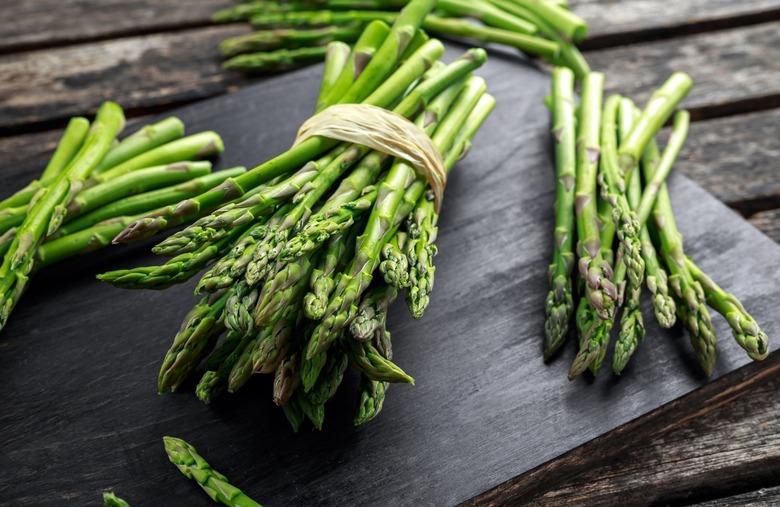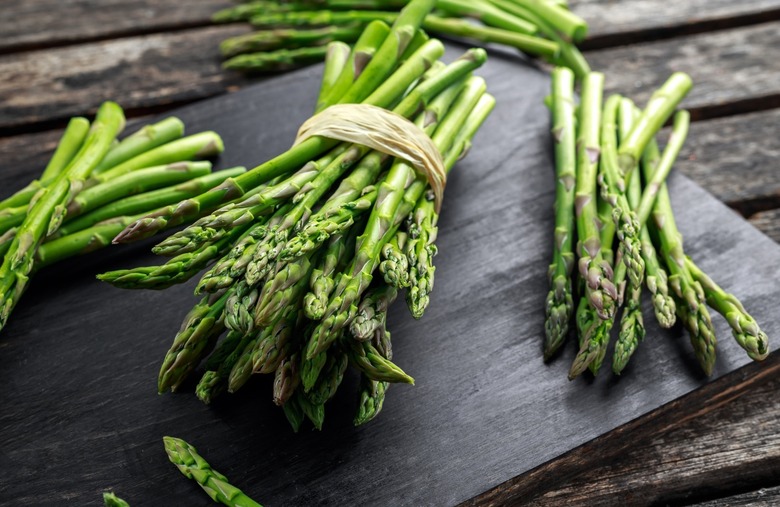

In an age saturated with wellness trends and the siren song of quick fixes, the concept of "detoxification" often conjures images of restrictive diets, expensive supplements, and uncomfortable rituals. Yet, beneath the clamor of modern marketing lies a quieter, more ancient wisdom: that our bodies are exquisitely designed for self-cleansing, and nature provides gentle, potent allies to support this innate process. Among these unassuming heroes, none shines quite as brilliantly, especially as spring unfurls its tender greens, as the humble asparagus.
This article invites you on a journey, not just through the nutritional profile of a vegetable, but into the very heart of natural detoxification. We will unearth the historical reverence for asparagus, delve deep into the sophisticated science that underpins its unique ability to flush toxins and reduce bloat, and ultimately, tell the story of how this emerald spear, when embraced consciously, can become a cornerstone of vibrant health. Our audience, discerning and knowledgeable, seeks not just facts, but understanding – the "why" behind the "what," woven into a narrative that respects both tradition and cutting-edge science.
Chapter 1: The Modern Predicament and the Body’s Ancient Wisdom
Before we laud our green protagonist, let’s set the scene. We live in an era of unprecedented environmental exposure. From the air we breathe and the water we drink to the processed foods we consume and the plastics that touch our lives daily, our bodies are constantly bombarded by xenobiotics – foreign chemicals that our systems must identify, neutralize, and eliminate. Add to this the internal metabolic waste products generated by our own cellular processes, and it becomes clear that our internal detoxification pathways are perpetually busy.
The human body is a marvel of biological engineering, equipped with an intricate network of systems dedicated to this crucial task. The liver, often hailed as the body’s master detoxifier, performs a two-phase process of enzymatic transformation, converting fat-soluble toxins into water-soluble compounds that can then be excreted. The kidneys act as sophisticated filters, meticulously sifting waste from the blood and forming urine. The gastrointestinal tract, with its vast microbiome, plays a vital role in binding and eliminating toxins, while also serving as a barrier against harmful substances. Even the lymphatic system, the skin, and the lungs contribute to this continuous cleansing effort.
However, in the face of chronic exposure, stress, poor dietary choices, and inadequate hydration, these systems can become overwhelmed, leading to a subtle but pervasive sense of malaise. Symptoms like fatigue, brain fog, digestive issues, skin breakouts, and persistent bloating are often the body’s quiet cries for help, signals that its natural cleansing mechanisms might benefit from gentle, informed support.
This is where the concept of "natural detox" truly resonates – not as a harsh purge, but as a conscious commitment to nourish and empower the body’s inherent detox machinery. It’s about providing the right building blocks, facilitating efficient elimination, and reducing the toxic load where possible. And among the most potent, yet gentle, botanical allies in this endeavor, stands asparagus.
Chapter 2: A History Steeped in Health – The Asparagus Saga
Our story of asparagus doesn’t begin in a modern laboratory, but in the fertile crescent of ancient Mesopotamia, where its cultivation dates back over 2,000 years. The Egyptians depicted it on their monuments, recognizing its slender elegance and perhaps, even then, its health-giving properties. The Greeks and Romans, ever appreciative of both culinary delight and medicinal utility, were avid consumers. The Greek physician Hippocrates, the "Father of Medicine," is believed to have prescribed asparagus for its diuretic qualities, a wisdom that has echoed through millennia.
The name "asparagus" itself is derived from the Greek "asparagos," meaning "sprout" or "shoot," a testament to its vibrant emergence from the earth in early spring. Its journey through history saw it travel across continents, cherished by various cultures. The Arabs used it as an aphrodisiac, the Chinese incorporated it into traditional medicine for kidney and lung health, and medieval European monasteries cultivated it for its perceived healing powers.
During the Renaissance, asparagus regained its culinary prominence, gracing the tables of royalty and aristocracy. Louis XIV, the Sun King, was reportedly so fond of it that he demanded its cultivation year-round in specially designed greenhouses. It was in this era that its delicate flavor and perceived health benefits truly cemented its place in Western cuisine and traditional pharmacopeias.
What’s striking about this historical narrative is the consistent thread of recognizing asparagus not just as a food, but as a therapeutic agent. Its diuretic properties, its role in "cleansing the blood," and its purported ability to soothe various ailments have been observed and appreciated long before modern science could dissect its biochemical wonders. This rich history lends a profound weight to our current understanding, suggesting that our ancestors, through empirical observation, intuitively grasped the powerful story this emerald spear had to tell.
Chapter 3: The Science Unveiled – Asparagus as a Biochemical Powerhouse
To understand how asparagus orchestrates its detoxifying symphony, we must peel back its tender layers and examine its remarkable biochemical composition. It’s not just one compound, but an orchestra of nutrients, antioxidants, and unique phytochemicals working in concert.
The Diuretic Dynamo: Flushing Bloat and Waste
Perhaps the most immediately recognizable effect of consuming asparagus is its potent diuretic action. This is the primary reason it’s revered for reducing bloat and supporting kidney function. But how does it work?
- Asparagine: This unique amino acid, after which asparagus is named, plays a significant role. Asparagine is metabolized in the body, producing compounds that stimulate kidney activity, promoting increased urine production. It acts as a natural osmodiuretic, meaning it helps draw excess water and salts from the body into the urine.
- Potassium: Asparagus is an excellent source of potassium, an essential electrolyte. Potassium works synergistically with sodium to maintain fluid balance in the body. A diet rich in potassium and low in sodium helps the kidneys excrete excess sodium and water, directly combating fluid retention and reducing bloat. This is particularly beneficial for individuals whose diet might be high in processed foods, which are often loaded with sodium.
- High Water Content: Simple yet effective, asparagus itself is over 90% water. Consuming water-rich foods naturally contributes to overall hydration, which is fundamental for efficient kidney function and toxin elimination. Adequate hydration ensures that the kidneys have enough fluid to process waste products and excrete them effectively.
The combined effect of these components is a gentle, natural encouragement for the kidneys to work more efficiently. This increased urine output doesn’t just reduce uncomfortable bloating; it actively helps to flush out metabolic waste products, excess salts, and potentially, some environmental toxins that have been processed by the liver and are ready for excretion. It’s a fundamental step in supporting the body’s natural detox pathways.
Fiber’s Gentle Sweep: Gut Health and Toxin Elimination
Beyond its diuretic prowess, asparagus is a significant source of dietary fiber, both soluble and insoluble. This fiber content is absolutely critical for digestive health and, by extension, detoxification.
- Insoluble Fiber: This type of fiber acts like a broom, adding bulk to stool and facilitating its smooth passage through the digestive tract. Regular bowel movements are paramount for detoxification, as they ensure that waste products, bile-bound toxins from the liver, and undigested food are efficiently eliminated from the body. Stagnant waste in the colon can lead to reabsorption of toxins, placing an additional burden on the liver.
- Soluble Fiber (Prebiotic Power): Here’s where asparagus truly shines for gut health. It contains a substantial amount of inulin, a type of fructan and a powerful prebiotic fiber. Inulin is not digested by human enzymes but travels to the large intestine where it acts as a preferred food source for beneficial gut bacteria, particularly Bifidobacteria.
- Microbiome Support: A thriving gut microbiome is a cornerstone of overall health and plays a direct role in detoxification. Beneficial bacteria help to break down certain toxins, produce beneficial short-chain fatty acids (like butyrate) that nourish colon cells, and maintain the integrity of the gut lining (preventing "leaky gut" which can allow toxins to enter the bloodstream).
- Toxin Binding: Some components of fiber can directly bind to toxins and heavy metals in the gut, preventing their reabsorption and facilitating their excretion via stool.
- Bile Acid Excretion: Soluble fiber can bind to bile acids, which are produced by the liver to aid fat digestion and also carry excreted toxins. By binding to these bile acids, fiber ensures they are eliminated with the stool rather than being reabsorbed, thereby promoting the liver’s continuous detoxification efforts.
The synergy between asparagus’s fiber content and its diuretic effects creates a comprehensive internal cleansing system, addressing both the urinary and gastrointestinal routes of elimination.
The Antioxidant Arsenal: Protecting Against Cellular Damage
Detoxification isn’t just about flushing; it’s also about neutralizing harmful substances, particularly free radicals, which are unstable molecules that can cause oxidative damage to cells and DNA. Asparagus is a rich source of various antioxidants that act as protective sentinels within the body.
- Glutathione (The "Master Antioxidant"): Asparagus is one of the best dietary sources of glutathione, a tripeptide crucial for numerous detoxification pathways in the liver. Glutathione directly neutralizes free radicals, and it’s also a vital co-factor for various detox enzymes (Phase II detoxification enzymes) that bind toxins and make them more water-soluble for excretion. Adequate glutathione levels are fundamental for the liver’s ability to process and eliminate a vast array of toxins, from pharmaceuticals to environmental pollutants.
- Flavonoids (Rutin, Quercetin, Kaempferol): These powerful plant compounds contribute significantly to asparagus’s antioxidant capacity.
- Rutin: Known for its anti-inflammatory properties and ability to strengthen capillaries.
- Quercetin: A potent antioxidant and anti-inflammatory agent that has been studied for its potential roles in immune support and cellular protection.
- Kaempferol: Another flavonoid with antioxidant, anti-inflammatory, and potentially anti-cancer properties.
These flavonoids work by scavenging free radicals, reducing oxidative stress, and protecting cells from damage, thus indirectly supporting the body’s overall resilience against toxic insults.
- Vitamins C and E: Asparagus contains good amounts of these classic antioxidants, which further contribute to cellular protection and immune function. Vitamin C is water-soluble and helps regenerate other antioxidants like Vitamin E. Vitamin E is fat-soluble and protects cell membranes from oxidative damage.
By supplying these critical antioxidants, asparagus helps to fortify the body’s internal defense systems, mitigating the damage caused by toxins and supporting cellular health during the detoxification process.
A Symphony of Vitamins and Minerals: Supporting Metabolic Function
Beyond the headline-grabbing detoxifiers, asparagus offers a rich spectrum of essential vitamins and minerals that underpin overall health and indirectly support detoxification.
- Folate (Vitamin B9): Crucial for DNA synthesis and repair, cell division, and the methylation cycle, a fundamental biochemical pathway involved in numerous detox processes, including the conversion of homocysteine (a potentially harmful amino acid) to methionine.
- Vitamin K: Essential for blood clotting and bone health, but also plays a role in cellular growth and metabolism.
- Vitamin A (Beta-carotene): A powerful antioxidant and crucial for immune function, vision, and healthy skin.
- Chromium: An important trace mineral that helps regulate blood sugar levels by enhancing the action of insulin. Stable blood sugar is vital for maintaining energy levels during a detox period.
- Other B Vitamins: Asparagus provides several B vitamins, which are co-factors in countless enzymatic reactions throughout the body, including those involved in energy production and metabolic waste processing.
This comprehensive nutritional profile ensures that the body’s complex metabolic machinery, including its detox pathways, has the necessary raw materials to function optimally.
The Unique Asparagusic Acid: The Scent of Detox?
No discussion of asparagus would be complete without acknowledging its most infamous characteristic: the distinctive odor it imparts to urine. This phenomenon is attributed to the metabolism of asparagusic acid, a sulfur-containing compound unique to asparagus. When digested, asparagusic acid is broken down into various volatile sulfur compounds (like methanethiol, dimethyl sulfide, and dimethyl disulfide) which are then excreted through the kidneys.
While the "asparagus pee" might seem like a mere curiosity, it serves as a fascinating, albeit anecdotal, marker of the vegetable’s active compounds being processed and eliminated by the body. While asparagusic acid itself isn’t a primary detoxifier in the same way as glutathione or fiber, its rapid metabolism and excretion underscore the active engagement of the body’s detox pathways in response to consuming asparagus. It’s a fleeting, aromatic testament to the internal work being done.
Chapter 4: Beyond the Biochemical – Holistic Benefits and the Asparagus Advantage
The immediate, measurable effects of asparagus – reduced bloat, regular elimination, antioxidant protection – cascade into a host of broader, holistic benefits that contribute to an overall sense of well-being, often associated with a successful "detox" experience.
- Increased Energy and Mental Clarity: When the body’s elimination pathways are working efficiently, the burden on its systems is reduced. Less energy is expended on processing toxins, freeing up resources for other vital functions. This often translates into improved energy levels, reduced fatigue, and a clearer, more focused mind. The reduction in systemic inflammation and oxidative stress also plays a role here.
- Improved Skin Health: The skin is often considered the body’s largest organ of detoxification. When internal systems are overwhelmed, toxins can sometimes manifest as skin issues – dullness, breakouts, or inflammation. By supporting liver and kidney function and promoting efficient waste removal, asparagus can contribute to a clearer, healthier complexion, reflecting internal balance.
- Weight Management Support: While not a magic bullet for weight loss, the reduction in fluid retention (bloat) can lead to an immediate, albeit temporary, decrease in scale weight and a feeling of lightness. Furthermore, the high fiber content promotes satiety, helping to reduce overall calorie intake, while stable blood sugar (thanks to chromium) can curb cravings.
- Anti-inflammatory Effects: Many of the antioxidants and phytochemicals in asparagus, particularly the flavonoids, possess anti-inflammatory properties. Chronic low-grade inflammation is a hallmark of many modern diseases and can be exacerbated by a toxic burden. By helping to reduce inflammation, asparagus supports overall health and resilience.
- Liver Support: While we’ve discussed its role in glutathione production, it’s worth reiterating that asparagus directly aids the liver. By promoting bile flow (through fiber’s interaction with bile acids) and providing essential nutrients for Phase I and Phase II detoxification enzymes, it ensures the liver can perform its master detoxifier role with greater efficiency.
The story of asparagus, therefore, is not just one of isolated compounds, but of a synergistic botanical intelligence that gently yet powerfully nudges the body back towards its natural state of balance and vitality.
Chapter 5: Integrating Asparagus into Your Life – A Practical Guide
Understanding the science is one thing; weaving this knowledge into daily practice is another. For our knowledgeable audience, the goal is not just information, but actionable wisdom. Incorporating asparagus effectively into your "natural detox" strategy is simple, delicious, and highly rewarding.
Choosing and Storing Your Emerald Spears
- Selection: Look for firm, bright green or purplish spears with tightly closed, compact tips. Avoid spears that are limp, shriveled, or have open, flowering tips, as these indicate age. Thicker spears are often more tender than very thin ones, contrary to popular belief.
- Storage: Asparagus is best consumed fresh. To maximize its shelf life (up to a week), trim the dry ends and stand the spears upright in a glass jar with an inch or two of water, like a bouquet. Cover loosely with a plastic bag and refrigerate.
Simple Preparations to Maximize Benefits
The beauty of asparagus lies in its versatility and ease of preparation. Overcooking can diminish its delicate flavor and some of its water-soluble nutrients, so aim for tender-crisp.
- Steaming: Perhaps the gentlest method, preserving most nutrients. Steam for 3-5 minutes until bright green and tender.
- Roasting: Toss spears with a drizzle of olive oil, a pinch of sea salt, and black pepper. Roast at 400°F (200°C) for 10-15 minutes until slightly caramelized and tender. This brings out a wonderful nutty flavor.
- Grilling: Similar to roasting, grilling imparts a smoky flavor. Brush with olive oil and grill for 3-5 minutes per side.
- Sautéing: Quickly sauté in a pan with a little garlic and olive oil.
- Raw: Don’t overlook raw asparagus! Thinly shaved spears can add a refreshing crunch to salads, retaining all their heat-sensitive nutrients.
Seasonal Integration and Pairing
Asparagus is a true harbinger of spring. Embrace its seasonality to maximize freshness and nutrient density. During its peak season, aim to incorporate it into your diet several times a week.
- Breakfast: Add chopped asparagus to omelets, frittatas, or scrambled eggs.
- Lunch: Toss roasted asparagus into salads, grain bowls, or wrap it into whole-wheat tortillas.
- Dinner: Serve as a vibrant side dish to lean protein (fish, chicken), or incorporate into pasta dishes, risottos, or stir-fries.
- Snacks: Enjoy blanched or raw spears with a light dip.
Complementary Pairings: To enhance its detoxifying power, pair asparagus with other nutrient-dense foods:
- Lemon: A squeeze of lemon juice not only brightens the flavor but also provides additional Vitamin C, an antioxidant.
- Garlic and Onions: These alliums contain sulfur compounds that further support liver detoxification.
- Leafy Greens: Combine with spinach, kale, or arugula for an added boost of fiber, vitamins, and antioxidants.
- Healthy Fats: A drizzle of extra virgin olive oil or a sprinkle of nuts (like almonds or walnuts) can help with the absorption of fat-soluble vitamins (A, E, K).
Dosage and Realistic Expectations
There isn’t a magic "detox dose" for asparagus. The key is consistent, mindful incorporation as part of a balanced, whole-foods diet. Aim for 1-2 servings (about 5-10 spears) several times a week, especially during spring.
It’s crucial to manage expectations. Natural detoxification is a gentle, ongoing process, not a dramatic event. While you may notice reduced bloating and improved regularity relatively quickly, profound shifts in energy or skin health will come from sustained dietary improvements and a holistic approach to wellness, of which asparagus is a valuable component.
Beyond Asparagus: A Holistic Detox Lifestyle
Remember, asparagus is an ally, not the sole solution. True natural detoxification thrives within a broader lifestyle framework:
- Hydration: Drink plenty of pure water throughout the day to aid kidney function and flush toxins.
- Whole Foods: Prioritize a diet rich in fruits, vegetables, whole grains, and lean proteins, minimizing processed foods, refined sugars, and unhealthy fats.
- Stress Management: Chronic stress can impair detoxification pathways. Incorporate practices like meditation, yoga, or spending time in nature.
- Movement: Regular physical activity supports lymphatic circulation, sweating (another detox pathway), and overall metabolic health.
- Adequate Sleep: The body performs much of its repair and detoxification work during sleep.
Chapter 6: Cautions and Considerations – A Balanced Perspective
While asparagus is overwhelmingly beneficial for most individuals, a knowledgeable audience understands that even natural remedies require a balanced perspective.
- Kidney Stones: Due to its purine content, individuals prone to uric acid kidney stones might need to consume asparagus in moderation. However, for most people, the benefits of its diuretic action in flushing the kidneys outweigh this concern. Always consult a healthcare professional if you have pre-existing kidney conditions.
- Allergies: Although rare, some individuals may experience an allergic reaction to asparagus, presenting as skin rash, digestive upset, or respiratory symptoms.
- Interactions with Medications: Its diuretic properties mean asparagus could theoretically interact with diuretic medications (water pills), potentially leading to excessive fluid loss or electrolyte imbalance. If you are on such medication, consult your doctor. Similarly, its Vitamin K content could affect blood thinners, though the amount in typical servings is unlikely to be significant.
- The "Asparagus Pee" Factor: While harmless, some individuals might find the odor unsettling. Rest assured, it’s a normal physiological response.
These are minor caveats that do not diminish the immense value of asparagus but underscore the importance of individual awareness and, when necessary, professional guidance.
Conclusion: The Enduring Story of the Emerald Spear
Our journey through the world of asparagus has taken us from ancient history to modern biochemistry, revealing a powerful narrative of natural healing and gentle cleansing. We’ve seen how this unassuming vegetable, a herald of spring, is not merely a culinary delight but a sophisticated biochemical marvel, armed with a potent array of diuretics, fibers, antioxidants, and essential nutrients.
It tells a story of the body’s incredible capacity for self-renewal, and how, with the right allies from nature’s larder, we can support its silent, tireless work. Asparagus doesn’t promise a miraculous overnight detox; instead, it offers a gentle, scientifically backed path to enhanced well-being, reduced bloat, and a clearer, more vibrant internal landscape.
As you next encounter these emerald spears, whether at the farmer’s market or on your plate, remember the rich tapestry of history and science they represent. Embrace their subtle power, appreciate their unique flavor, and let them be a delicious, nutritious chapter in your ongoing story of health and vitality. For in the heart of nature’s simple gifts, often lies the profound wisdom we seek for true and lasting wellness.