
The crisp, invigorating scent of wintergreen is instantly recognizable, a nostalgic whisper of childhood candies, a bracing note in muscle rubs, or a refreshing hint in oral care products. For many, its story begins and ends with this familiar aroma. Yet, beneath the surface of this delightful fragrance lies a profound botanical narrative, one deeply rooted in indigenous wisdom and increasingly illuminated by modern scientific inquiry. The humble wintergreen plant, Gaultheria procumbens, a resilient evergreen shrub native to the forests of North America, offers far more than a pleasant olfactory experience, particularly when its essence is gently coaxed into a warming, therapeutic infusion.
This article embarks on a journey to explore the scientifically-backed benefits of wintergreen infusions, moving beyond the superficial to delve into the intricate chemistry and physiological actions that make this plant a powerhouse of natural wellness. We will peel back the layers of tradition and anecdote to reveal how this unassuming forest dweller, when prepared as a tea, offers a spectrum of health advantages, from potent anti-inflammatory effects to subtle mood enhancement, all supported by a growing body of scientific understanding. For the knowledgeable audience, we aim not just to list benefits, but to unravel the mechanisms, explore the evidence, and articulate the responsible integration of this remarkable botanical into a holistic approach to health.
The Ancestral Whisper and Modern Revelation: A Plant’s Enduring Legacy
Long before its compounds graced pharmaceutical shelves, wintergreen held a place of reverence among indigenous peoples of North America. The Cherokee, Iroquois, and other tribes utilized its leaves and berries extensively, not merely for their pleasant taste but for their potent medicinal properties. They chewed the leaves to alleviate headaches, made poultices for sore muscles and joints, and brewed teas for fevers, respiratory ailments, and general malaise. This ancestral knowledge, passed down through generations, laid the groundwork for modern scientific exploration, prompting researchers to ask: what is it about this plant that bestows such diverse healing capabilities?
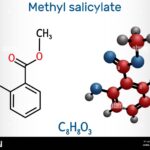
The answer, as often is the case with nature’s pharmacy, lies in its complex phytochemistry. While wintergreen contains a symphony of beneficial compounds, one stands as its undisputed star: methyl salicylate (MS). This organic ester is responsible for wintergreen’s characteristic aroma and much of its therapeutic power. It is chemically related to salicylic acid, the active metabolite of aspirin (acetylsalicylic acid), forging a compelling link between a wild forest plant and one of humanity’s most widely used synthetic drugs. However, the experience and efficacy of consuming wintergreen as an infusion differ significantly from its highly concentrated essential oil form or synthetic analogues, offering a gentler, more holistic approach to its benefits.
When we speak of wintergreen infusions, we refer to the process of steeping the dried or fresh leaves of Gaultheria procumbens in hot water, allowing its water-soluble compounds, including methyl salicylate, flavonoids, tannins, and other volatile organic compounds, to dissolve into the liquid. This method provides a milder, more balanced concentration of active ingredients compared to the potent, undiluted essential oil, which is generally not safe for internal consumption. Understanding this distinction is paramount for safe and effective utilization.
Let us now delve into five scientifically-backed benefits of embracing wintergreen infusions, exploring the intricate ways this plant contributes to human well-being.
1. Potent Anti-Inflammatory and Analgesic Properties: Nature’s Answer to Pain
The most celebrated and scientifically substantiated benefit of wintergreen infusions stems from its remarkable ability to combat inflammation and alleviate pain. This property is primarily attributed to methyl salicylate and its metabolic transformation within the body.
The Mechanism Unveiled:
Upon ingestion, methyl salicylate is rapidly metabolized by enzymes in the liver and gut into salicylic acid. This is the same active compound found in aspirin, making wintergreen a natural precursor to a time-tested analgesic. Salicylic acid exerts its anti-inflammatory effects by inhibiting the activity of cyclooxygenase (COX) enzymes, specifically COX-1 and COX-2. These enzymes are crucial in the synthesis of prostaglandins, lipid compounds that act as local hormones, mediating pain, inflammation, and fever. By blocking COX activity, salicylic acid effectively reduces the production of pro-inflammatory prostaglandins, thereby diminishing swelling, redness, heat, and pain at the site of injury or inflammation.
This mechanism places wintergreen in the category of non-steroidal anti-inflammatory drugs (NSAIDs) by its action, albeit through a natural, plant-derived route. The systemic absorption of salicylic acid from an infusion allows it to circulate throughout the body, targeting widespread inflammatory processes, rather than just localized topical relief.
Scientific Evidence and Traditional Wisdom:
The efficacy of salicylates in managing pain and inflammation is one of the most thoroughly researched areas in pharmacology. Numerous studies have elucidated the pathways through which salicylic acid modulates inflammatory responses, demonstrating its ability to reduce pain perception and mitigate inflammatory markers. While direct clinical trials specifically on wintergreen infusions for pain relief in humans are less abundant than those for synthetic salicylates, the well-established pharmacokinetics of methyl salicylate and its conversion to salicylic acid provide a strong scientific basis for its traditional use.
Historically, indigenous communities relied on wintergreen infusions for conditions like rheumatism, arthritis, muscle aches, and general body pain. They understood, through observation and experience, that the plant offered profound relief. Modern research now provides the molecular explanation for this ancient wisdom. For instance, studies on the bioavailability of methyl salicylate from various sources confirm its absorption and subsequent conversion to salicylic acid, validating the systemic action of wintergreen when consumed as an infusion. Furthermore, the presence of other compounds in the whole plant extract, such as flavonoids, may offer synergistic anti-inflammatory benefits, enhancing the overall therapeutic profile beyond what methyl salicylate alone might provide.
Nuance and Application:
Wintergreen infusion can serve as a natural adjunct for managing chronic inflammatory conditions, post-exercise muscle soreness, headaches, and menstrual cramps. Its gentler action compared to concentrated extracts or synthetic drugs makes it an appealing option for those seeking a more holistic approach. However, it is crucial to recognize that while effective, it should be consumed in moderation and with awareness of potential interactions, especially for individuals on anticoagulant medications or those with aspirin sensitivity. The systemic nature of its action underscores its potential as a broad-spectrum anti-inflammatory agent, making it a valuable addition to a knowledgeable wellness regimen.
2. Digestive Aid and Gastrointestinal Comfort: Soothing from Within
Beyond its renowned pain-relieving capabilities, wintergreen infusions offer significant benefits for the digestive system, promoting comfort and supporting healthy gut function. This aspect of its efficacy is multifaceted, involving carminative, antiseptic, and antispasmodic actions.
The Mechanism Unveiled:
Wintergreen is classified as a carminative herb, meaning it helps to prevent or relieve flatulence and soothe digestive discomfort. The volatile compounds, including methyl salicylate, contribute to this effect by relaxing the smooth muscles of the gastrointestinal tract. This relaxation helps to release trapped gas, reduce bloating, and alleviate abdominal distension.
Furthermore, the gentle antiseptic properties of wintergreen’s constituents can play a supportive role in maintaining a healthy gut microbiome. While not a potent antimicrobial agent in infusion form like its essential oil, it can contribute to discouraging the overgrowth of certain undesirable bacteria or yeasts in the gut, which often contribute to gas and discomfort.
The antispasmodic action is another key contributor to digestive comfort. By relaxing the intestinal muscles, wintergreen infusion can help to alleviate cramps, spasms, and general irritability of the gut, which are common symptoms of conditions like irritable bowel syndrome (IBS) or simple indigestion.
Lastly, wintergreen leaves contain tannins, compounds known for their astringent properties. In the digestive tract, tannins can have a mild tightening effect on mucous membranes, which may help to reduce inflammation and secretions, potentially offering relief from mild diarrhea or gut irritation.
Scientific Evidence and Traditional Wisdom:
Traditional medicine systems across cultures have long utilized aromatic plants for digestive ailments. The inclusion of wintergreen in folk remedies for indigestion, colic, and stomachaches attests to its perceived efficacy. While specific clinical trials on wintergreen infusions for digestive comfort are limited, the mechanisms are well-supported by broader pharmacological research on the compounds it contains.
Studies on carminative herbs in general demonstrate how volatile oils can stimulate bile flow, relax the sphincter muscles, and reduce gas production. The antimicrobial properties of methyl salicylate and other phenolic compounds found in wintergreen have been documented in in vitro studies, showing inhibitory effects against various bacterial strains, including some implicated in gut dysbiosis. The antispasmodic effects of various plant constituents are also a recognized area of phytotherapy, often attributed to the relaxation of smooth muscle tissues.
Nuance and Application:
Wintergreen infusion can be a gentle and effective remedy for everyday digestive complaints such as bloating, gas, mild indigestion, and cramping. It can be particularly soothing after a heavy meal or during periods of stress that often manifest as gastrointestinal upset. It acts as a supportive agent rather than a primary treatment for severe digestive diseases. Its regular, moderate consumption can contribute to overall gut health by promoting a balanced environment and reducing inflammatory responses within the digestive tract. As with any herbal remedy, understanding one’s own body and consulting with a healthcare professional for persistent or severe symptoms is always recommended.