
The aroma alone is a promise: a deep, rich, slightly bitter sweetness that evokes comfort, indulgence, and perhaps a flicker of ancient mystery. For millennia, cacao, the botanical parent of cocoa, has been revered across cultures, dubbed the "Food of the Gods" by the Mayans and Aztecs, who understood its power to energize, uplift, and even inspire. Today, as we reach for a square of dark chocolate or a comforting mug of hot cocoa, we rarely pause to consider the intricate biochemical ballet unfolding within our brains. Yet, beneath the pleasurable veneer lies a profound scientific story – a narrative of potent plant compounds interacting with our most complex organ, orchestrating a symphony of cognitive enhancement and neuroprotection.
This isn’t merely about a temporary sugar rush or the mild jolt of caffeine. This is a tale rooted in vascular biology, neurotransmitter modulation, and the delicate dance of cellular pathways that govern learning, memory, and mood. It’s the story of how a humble bean, through meticulous scientific inquiry, is revealing itself as a remarkable ally in our quest for optimal brain health, challenging us to look beyond mere enjoyment and embrace the sophisticated science of cocoa’s incredible impact on the human mind.
From Sacred Brew to Scientific Marvel: A Journey Through Time
Our journey into cocoa’s brain-boosting prowess begins not in a modern laboratory, but in the humid rainforests of Mesoamerica, thousands of years ago. The Olmecs, followed by the Mayans and Aztecs, cultivated Theobroma cacao – literally "food of the gods" – transforming its bitter beans into a frothy, often spiced, ceremonial drink. This wasn’t a sweet treat; it was a potent elixir, consumed by warriors before battle, by priests in sacred rituals, and by nobility for its invigorating and mood-enhancing properties. They instinctively understood its power, attributing to it divine origins and immense vitality.
When cacao arrived in Europe in the 16th century with Spanish conquistadors, it underwent a slow but significant transformation. Initially a curiosity, then a luxury of the elite, it was gradually sweetened and refined, evolving from a bitter medicinal beverage into the beloved chocolate we know today. Yet, even as it shed its ancient ceremonial guise, the underlying physiological effects remained. People continued to report feelings of enhanced energy, improved focus, and a general sense of well-being after consuming cocoa. These anecdotal observations, dismissed for centuries as mere subjective pleasure or the effect of sugar, laid the groundwork for modern scientific investigation, compelling researchers to ask: what precisely is happening inside the brain when we consume cocoa? And how does it exert such a diverse array of effects?
The Chemical Symphony: Unpacking Cocoa’s Bioactive Compounds
The magic of cocoa, from a scientific perspective, resides in its incredibly rich and complex phytochemical profile. It’s not a single "active ingredient" but a synergistic ensemble of compounds working in concert. While many substances contribute, three categories stand out as the primary architects of cocoa’s brain benefits: flavonoids, methylxanthines, and a host of other fascinating neuroactive molecules.
1. The Star Players: Cocoa Flavonoids
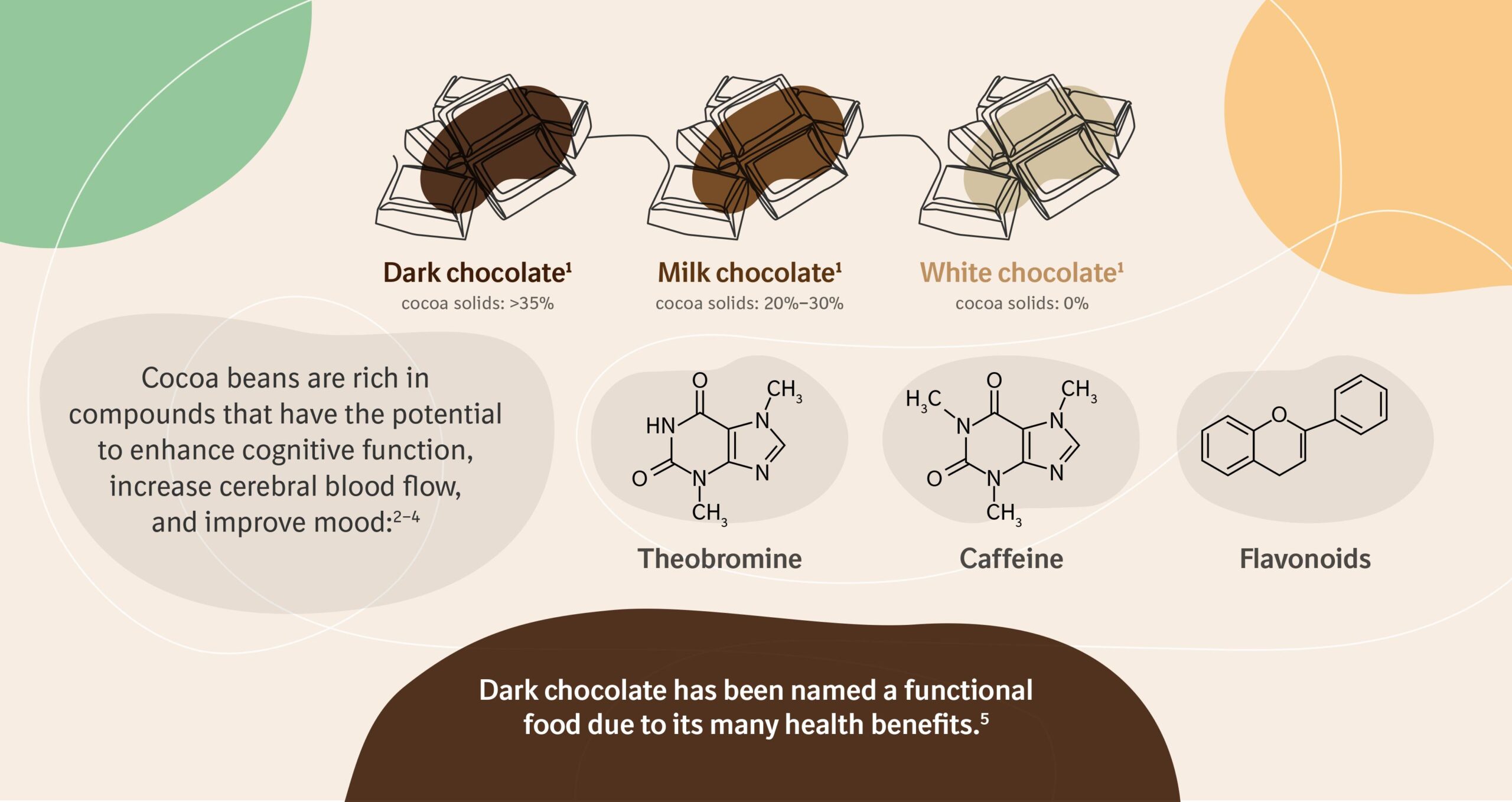
At the heart of cocoa’s cognitive power are its flavonoids, a diverse group of plant-derived polyphenols renowned for their antioxidant and anti-inflammatory properties. Among these, flavanols are the undisputed stars, with epicatechin, catechin, and various procyanidins (polymers of epicatechin and catechin) being the most abundant and well-studied.
- Epicatechin: This specific flavanol has garnered significant attention, with research suggesting it is a primary mediator of cocoa’s cardiovascular and neurological benefits. It’s particularly abundant in high-quality cocoa.
- Catechin: Another potent antioxidant, catechin works alongside epicatechin to protect cells from oxidative damage.
- Procyanidins: These larger flavonoid molecules are thought to be particularly effective in modulating inflammation and influencing gut microbiota, which in turn can impact brain health.
Crucially, the concentration of these flavanols varies dramatically depending on the type of cocoa product and its processing. Dark chocolate, with a high percentage of cocoa solids (70% or more), and raw, non-alkalized cocoa powder are the richest sources. Alkalization, or "Dutching," a process used to reduce bitterness and darken cocoa, unfortunately significantly degrades flavanol content, rendering many conventional cocoa powders and milk chocolates less potent from a scientific standpoint.
2. The Gentle Stimulants: Methylxanthines
Beyond flavonoids, cocoa also contains methylxanthines, a class of compounds that includes the more familiar caffeine and its lesser-known but equally important cousin, theobromine.
- Theobromine: Present in much higher concentrations than caffeine in cocoa, theobromine provides a milder, longer-lasting stimulatory effect. Unlike caffeine, which primarily acts on the central nervous system, theobromine has a more pronounced effect on smooth muscle relaxation, including that of blood vessels. It’s thought to contribute to cocoa’s mood-lifting and cardiovascular benefits without the jitters often associated with high caffeine intake.
- Caffeine: While cocoa contains significantly less caffeine than coffee, its presence contributes to the overall stimulating effect and can work synergistically with theobromine and the flavanols to enhance alertness and focus.
3. The Supporting Cast: A Neuroactive Ensemble
Cocoa’s biochemical richness doesn’t stop there. It also boasts a fascinating array of other compounds that contribute to its neurobiological effects:
- Tryptophan: An essential amino acid and a precursor to serotonin, a neurotransmitter vital for mood regulation, sleep, and appetite. This link suggests a direct pathway for cocoa to influence feelings of well-being.
- Anandamide: An endocannabinoid that mimics the effects of cannabis, anandamide is naturally produced in the brain and plays a role in pleasure, motivation, and pain modulation. While cocoa itself doesn’t contain anandamide, it contains compounds that can inhibit its breakdown, potentially prolonging its positive effects.
- Phenylethylamine (PEA): Often dubbed the "love chemical," PEA is an amphetamine-like compound that can stimulate the release of dopamine and norepinephrine, contributing to feelings of euphoria, excitement, and increased focus. While PEA is present in cocoa, its rapid metabolism in the body means its direct impact might be less significant than often speculated, though its presence contributes to the overall neurochemical milieu.
- Minerals: Cocoa is a surprisingly good source of essential minerals vital for brain function, including magnesium (critical for nerve transmission and muscle function), iron (necessary for oxygen transport to the brain), and copper (involved in neurotransmitter synthesis).
