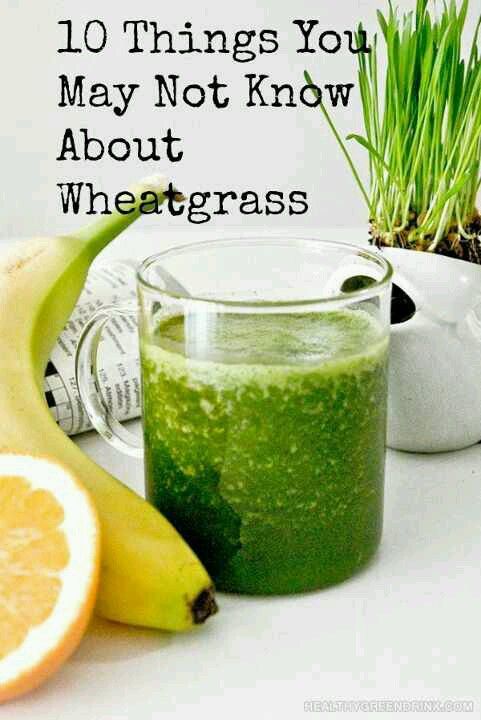

The image is potent, almost mythical: a small, vibrant shot of liquid emerald, promising rejuvenation, detoxification, and a potent surge of vitality. For decades, wheatgrass has been hailed as "liquid gold," a miraculous elixir capable of transforming health, fighting disease, and bestowing an almost otherworldly glow upon its devotees. From bustling urban juice bars to serene health retreats, the verdant shot has become an emblem of the wellness movement, whispered about with reverence and consumed with hope. But beneath the verdant veneer and the fervent testimonials, a more complex narrative unfolds. Is wheatgrass truly the superfood we all need, a non-negotiable cornerstone of optimal health, or is its reputation a cleverly cultivated myth, shimmering with the allure of quick fixes and exaggerated claims?
To unravel this story, we must journey through its historical roots, dissect its proclaimed nutritional bounty, scrutinize the scientific evidence (or lack thereof), and ultimately, weigh its place in a balanced, modern diet. Our audience, knowledgeable and discerning, seeks not just affirmation, but a nuanced exploration of a phenomenon that has captivated the health-conscious for generations.
The Genesis of a Legend: From Soil to Sanctuary
Our story begins not in a sterile laboratory, but in the fertile imagination and pioneering spirit of individuals who looked to nature for healing. While various cultures have utilized young grasses for medicinal purposes throughout history, the modern wheatgrass phenomenon largely traces its origins to the extraordinary figure of Ann Wigmore.
Born in Lithuania in the early 20th century, Wigmore arrived in the United States with a foundational belief in the healing power of raw foods. Having reportedly healed herself from various ailments, including a severe leg injury and later colon cancer (though the latter claim remains unsubstantiated by medical records), she became a fervent advocate for "living foods." In the 1960s, she established the Hippocrates Health Institute, initially in Boston and later in West Palm Beach, Florida, where wheatgrass juice became the cornerstone of her healing protocols.
Wigmore’s philosophy was simple yet radical: nature provides all the necessary tools for healing. She believed that wheatgrass, with its incredibly dense nutrient profile, could detoxify the body, oxygenate the blood, rebuild cells, and restore the body’s innate ability to heal itself. Her institute attracted thousands, many desperate for alternatives to conventional medicine, and her teachings spread like wildfire through health food circles, alternative medicine practitioners, and a burgeoning wellness counterculture.
Her work was heavily influenced by the earlier research of Dr. Charles F. Schnabel, an agricultural chemist who, in the 1930s, had experimented with feeding young grasses to chickens, observing significant improvements in their health and egg-laying capacity. Schnabel’s research, published in scientific journals, highlighted the rich nutritional content of cereal grasses, though he focused more on their agricultural potential than their human therapeutic use. Wigmore, however, took this foundational understanding and extrapolated it to human health with missionary zeal, popularizing the idea that wheatgrass was a complete food, a "perfect food," brimming with life force.
The narrative of wheatgrass, therefore, is deeply intertwined with a specific philosophical approach to health: one that emphasizes detoxification, raw foods, enzyme therapy, and a profound trust in the body’s inherent capacity for self-repair when given the right tools. It was positioned not merely as a supplement, but as a lifestyle, a daily ritual, a sacred communion with nature’s purest essence.
Botanical Roots and Nutritional Tapestry: What Exactly is in That Shot?
Before we delve into the claims, let’s understand what wheatgrass actually is. It is the young grass of the common wheat plant, Triticum aestivum, harvested before the grain head forms. At this tender stage, the plant is a vibrant green, brimming with the chlorophyll and nascent nutrients it needs for vigorous growth. Unlike wheat grain, which is a common allergen due to its gluten content, wheatgrass itself is generally considered gluten-free because gluten develops in the seed, not the grass blades. However, cross-contamination during harvesting or processing can be a concern for those with severe gluten sensitivities.
The allure of wheatgrass juice lies in its impressive list of constituents:
-
Chlorophyll: This is arguably wheatgrass’s most famous component. Chlorophyll, the green pigment responsible for photosynthesis, is structurally similar to hemoglobin, the oxygen-carrying molecule in human blood, differing only in its central atom (magnesium in chlorophyll, iron in hemoglobin). This structural similarity led to early theories that chlorophyll could "build blood," improve oxygen transport, and have a profound detoxifying effect. While direct conversion to hemoglobin in the human body is not scientifically supported, chlorophyll does possess potent antioxidant and anti-inflammatory properties.
-
Vitamins: Wheatgrass is often touted as a rich source of a broad spectrum of vitamins. It contains significant amounts of Vitamin A (beta-carotene), Vitamin C, Vitamin E, Vitamin K, and a range of B-complex vitamins, including B1 (thiamine), B2 (riboflavin), B3 (niacin), B5 (pantothenic acid), B6 (pyridoxine), and B7 (biotin). These vitamins play crucial roles in everything from immune function and energy metabolism to vision and skin health.
-
Minerals: A single shot is said to deliver a powerful dose of essential minerals. These include iron, calcium, magnesium, potassium, phosphorus, zinc, copper, selenium, and manganese. Many of these minerals are chelated, meaning they are bound to amino acids, which some proponents argue enhances their bioavailability and absorption by the body.
-
Enzymes: Wheatgrass is particularly rich in living enzymes, often highlighted as a key benefit of raw food consumption. Enzymes are biological catalysts essential for countless biochemical reactions in the body, including digestion, nutrient absorption, and detoxification. Specific enzymes found in wheatgrass include:
- Protease: Aids in protein digestion.
- Amylase: Breaks down carbohydrates.
- Lipase: Helps digest fats.
- Cytochrome oxidase: An antioxidant enzyme.
- Superoxide dismutase (SOD): A powerful antioxidant enzyme that neutralizes harmful free radicals, often linked to anti-aging and disease prevention.