
For decades, the crimson allure of red wine has held court as the undisputed monarch of antioxidant-rich beverages. Touted for its resveratrol and the "French Paradox" it supposedly explained, a glass of Merlot or Cabernet Sauvignon became synonymous with cardiovascular health and the fight against oxidative stress. Yet, in the quiet corners of traditional East Asian kitchens, a far more potent, albeit less celebrated, antioxidant powerhouse has been fermenting for millennia: dark soy sauce.
This article delves into the surprising science behind why this humble, umami-rich condiment, often relegated to a supporting role, actually boasts a superior polyphenol profile to red wine. We will embark on a journey from the sun-drenched vineyards of France to the ancient fermentation vats of Asia, unraveling the chemical complexities and cultural narratives that have shaped our perceptions of health and flavor. Prepare to challenge long-held beliefs and discover a secret that could transform your understanding of dietary antioxidants.
The Reign of Red Wine: A Familiar Narrative
The story of red wine’s ascent to antioxidant stardom is well-trodden. In the early 1990s, the "French Paradox" captured the world’s imagination. Researchers observed that the French, despite a diet rich in saturated fats, exhibited remarkably low rates of coronary heart disease. The prevailing theory pointed to their regular consumption of red wine. This observation sparked a scientific frenzy, leading to the identification of resveratrol, a stilbenoid polyphenol predominantly found in grape skins, as the primary hero.
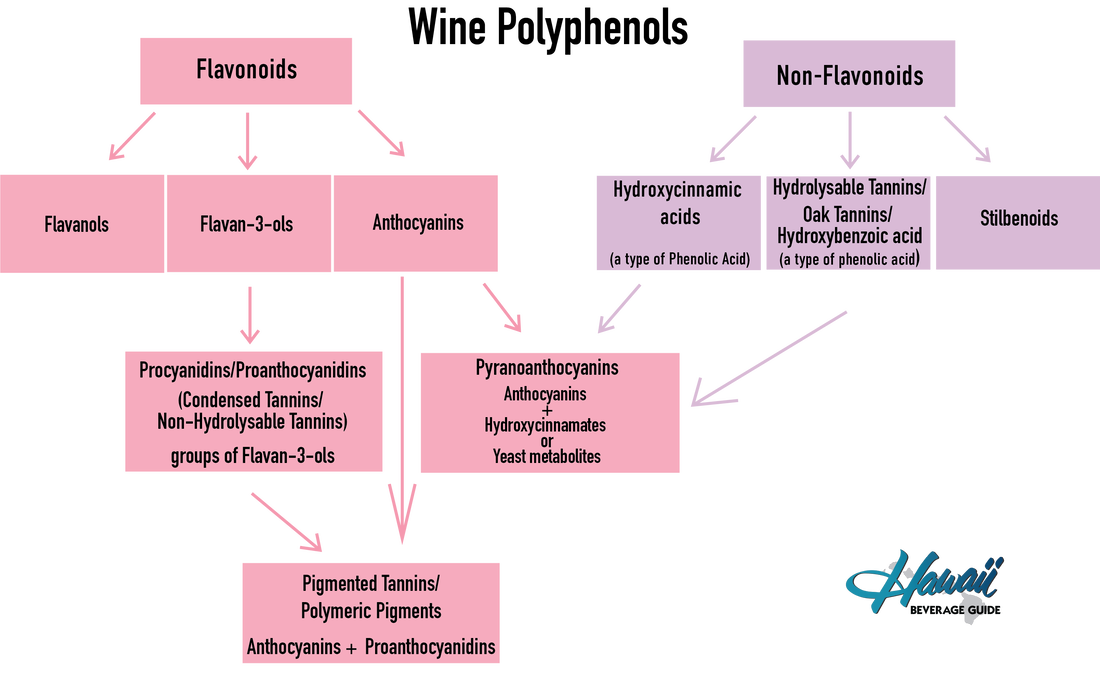
Resveratrol became a household name, lauded for its potential to protect against heart disease, cancer, and neurodegenerative disorders. Its proposed mechanisms of action were impressive: anti-inflammatory properties, ability to improve endothelial function, reduction of LDL oxidation, and even activation of sirtuins, a class of proteins linked to longevity. Other polyphenols in red wine, such as proanthocyanidins, anthocyanins (which give red wine its vibrant color), and various phenolic acids, also contributed to its perceived health halo. The complex fermentation process, involving yeast and grape must, was understood to extract and transform these compounds, making them more bioavailable.
The narrative was compelling: a delicious, culturally significant beverage, consumed in moderation, could actively contribute to a longer, healthier life. This understanding cemented red wine’s position at the apex of antioxidant-rich foods in the Western diet, influencing dietary recommendations and consumer choices for decades. Its benefits, however, often came with a significant caveat: the presence of alcohol. While moderate alcohol consumption has been linked to certain health benefits, excessive intake carries well-documented risks, from liver damage to increased cancer risk and dependency. This inherent duality has always cast a shadow, albeit a small one, over its otherwise glowing reputation.
Unveiling Dark Soy Sauce: A Symphony of Fermentation
To truly appreciate the antioxidant prowess of dark soy sauce, we must first understand its intricate genesis. Far from a simple condiment, soy sauce is the result of a sophisticated, multi-stage fermentation process that has been refined over thousands of years, primarily in East Asia. Its origins can be traced back to ancient China, where it evolved from fermented fish sauces and preserved meat products. The basic ingredients are deceptively simple: soybeans, wheat, salt, water, and koji mold (Aspergillus oryzae). However, it is the transformation orchestrated by these elements that unlocks its profound nutritional and flavorful complexity.
The process begins with cooking soybeans and roasting wheat, which are then mixed with koji spores to create a mash called koji. This initial fungal fermentation breaks down the complex carbohydrates, proteins, and fats into simpler sugars, amino acids, and fatty acids. This enzymatic pre-digestion is crucial, as it sets the stage for the subsequent, more prolonged brine fermentation.
The koji is then transferred to large vats, mixed with a salt brine, and allowed to ferment for months, sometimes even years. This stage, known as moromi fermentation, involves a complex interplay of lactic acid bacteria and yeast. The bacteria produce lactic acid, contributing to the characteristic tang, while the yeast converts sugars into alcohol and other aromatic compounds. Throughout this extended period, countless biochemical reactions occur, transforming the raw ingredients into the rich, savory liquid we recognize as soy sauce.
Dark soy sauce, specifically, undergoes an additional aging period and often contains caramel coloring or molasses, which contributes to its deeper hue, slightly thicker consistency, and often a subtly sweeter, more robust flavor profile compared to light soy sauce. It is this extended fermentation and aging, combined with the Maillard reaction (the chemical reaction between amino acids and reducing sugars that gives browned foods their distinctive flavor), that plays a pivotal role in the development and concentration of its unique array of polyphenols.
While red wine polyphenols are primarily derived from the grape itself, soy sauce polyphenols are a dynamic blend. They originate from the soybeans (isoflavones like genistein and daidzein) and wheat (phenolic acids), but crucially, many novel antioxidant compounds are synthesized or significantly transformed during the fermentation and aging process. Koji mold, lactic acid bacteria, and yeast all contribute enzymes that modify existing phenolic compounds and even create new ones. This enzymatic activity, coupled with the Maillard reaction, generates a diverse spectrum of potent antioxidants, including melanoidins, which are complex brown polymers responsible for soy sauce’s dark color and contribute significantly to its antioxidant capacity.
The Polyphenol Showdown: A Quantitative and Qualitative Victory
Now, let’s get to the crux of the matter: the direct comparison. While research into soy sauce’s specific polyphenol content is still evolving compared to the extensive studies on red wine, emerging data paints a compelling picture.
Multiple studies have indicated that the total phenolic content (TPC) in various types of soy sauce, particularly dark and aged varieties, can be significantly higher than that found in red wine. Some analyses have reported TPC values for dark soy sauce ranging from 1,000 to over 3,000 mg Gallic Acid Equivalents (GAE) per 100 ml, while red wine typically falls in the range of 100 to 400 mg GAE per 100 ml. While these numbers can vary depending on the specific product, origin, and analytical methods, the trend is undeniable: dark soy sauce often contains several times more total polyphenols than red wine.
But the superiority isn’t just quantitative; it’s also qualitative.
Red Wine’s Key Players:
- Resveratrol: A well-known stilbene, lauded for its anti-inflammatory and anti-aging potential.
- Anthocyanins: Provide color and possess antioxidant properties.
- Proanthocyanidins (Tannins): Contribute to astringency and have antioxidant activity.
Dark Soy Sauce’s Diverse Arsenal:
- Isoflavones (Genistein, Daidzein): These are potent phytoestrogens derived from soybeans, known for their roles in bone health, hormone balance, and potential anti-cancer properties. They are significantly more abundant in fermented soy products like soy sauce than in unfermented soybeans.
- Phenolic Acids (Ferulic Acid, Caffeic Acid, Syringic Acid): Derived from both soybeans and wheat, these compounds are strong free radical scavengers.
- Melanoidins: These complex, high-molecular-weight compounds are formed during the Maillard reaction, particularly prominent in aged and dark soy sauces. They are not typically found in red wine and represent a unique and powerful class of antioxidants in soy sauce, contributing significantly to its overall antioxidant capacity. Their activity has been shown to be comparable to, or even exceed, that of simple phenolic compounds.
- Tetramethylpyrazine: A compound known for its antioxidant and anti-platelet aggregation effects.
- Pyrazines and Furans: These nitrogen- and oxygen-containing heterocyclic compounds contribute to the aroma and also possess antioxidant properties.