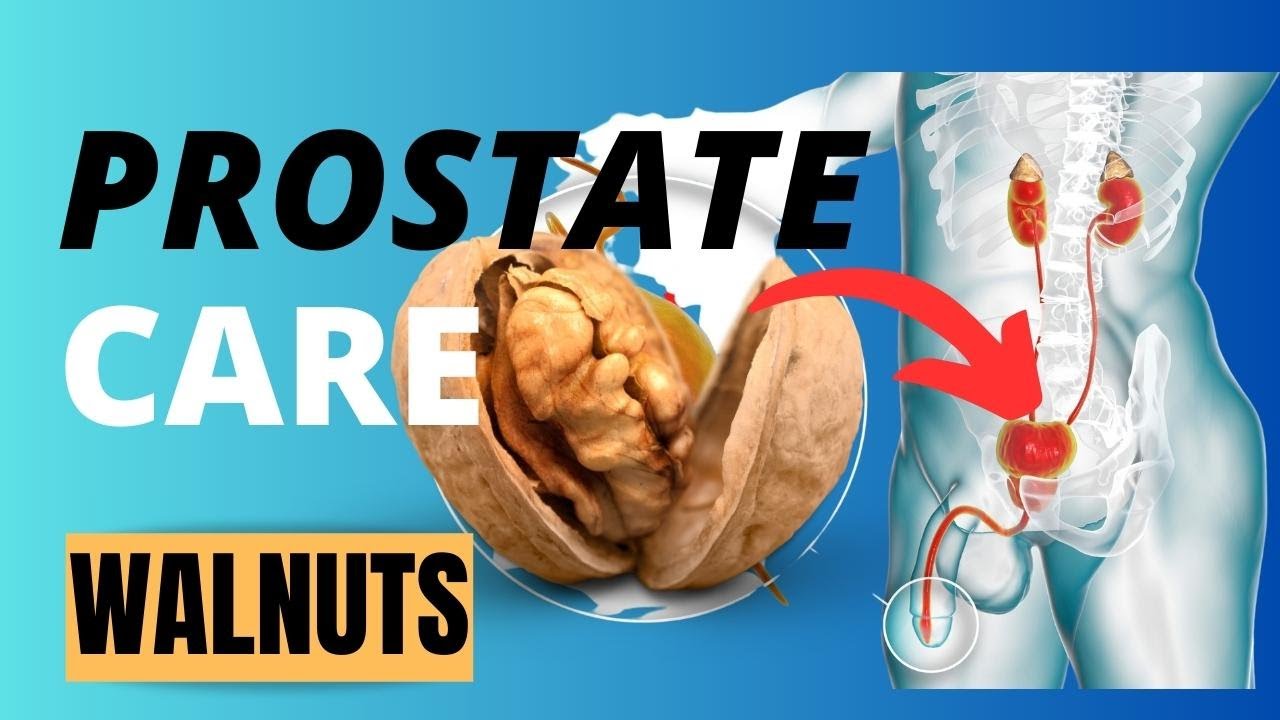

The human body is a tapestry of intricate systems, each playing a vital role in our health and vitality. Among these, the prostate gland, a small, walnut-sized organ nestled beneath the bladder in men, often remains an unsung hero until it begins to whisper – or, for some, to shout – for attention. For centuries, its functions were poorly understood, and its ailments often shrouded in a veil of discomfort and silence. Yet, as our scientific understanding has deepened, so too has our appreciation for this gland and, crucially, for the remarkable ways nature provides us with tools to safeguard its health.
This is a story not of miraculous cures, but of profound prevention and intelligent self-care, deeply rooted in the wisdom of the earth. It is a journey through kitchens and gardens, through the vibrant hues of fruits and vegetables, the earthy crunch of seeds and nuts, and the subtle power of ancient spices and teas. For the knowledgeable individual seeking to understand and proactively manage their prostate health, this guide serves as an exploration of nature’s formidable arsenal, moving beyond simple dietary advice to uncover the intricate biological mechanisms that make these humble foods true protectors. We delve into the science, the synergy, and the enduring narrative of how we can cultivate wellness from the ground up.
The Prostate: A Silent Guardian and Its Vulnerabilities
Before we embark on our culinary quest, let us first acknowledge the prostate itself. This exocrine gland, part of the male reproductive system, plays a crucial role in producing seminal fluid, which nourishes and transports sperm. Its location, encircling the urethra, is key to understanding many of the common issues that arise as men age.
Typically, prostate health concerns manifest in three primary forms:
-
Benign Prostatic Hyperplasia (BPH): Often referred to as an enlarged prostate, BPH is a non-cancerous condition that affects most men as they age. As the prostate grows, it can compress the urethra, leading to bothersome urinary symptoms such as frequent urination, weak stream, urgency, and incomplete bladder emptying. While not life-threatening, BPH significantly impacts quality of life.
-
Prostatitis: This is an inflammation of the prostate gland, which can be acute or chronic, bacterial or non-bacterial. It can cause pain in the pelvic area, groin, or genitals, painful urination, and flu-like symptoms. Prostatitis can be debilitating and challenging to treat effectively.
-
Prostate Cancer: The second most common cancer among men worldwide, prostate cancer is a serious concern. While many prostate cancers are slow-growing and may never pose a significant threat, aggressive forms can spread rapidly. Early detection and prevention strategies are paramount.
The common thread linking these conditions, particularly BPH and prostate cancer, often involves hormonal shifts (especially dihydrotestosterone, or DHT, derived from testosterone), chronic inflammation, and oxidative stress. These are the battlegrounds where nature’s protectors truly shine, offering mechanisms to modulate hormones, quell inflammation, and neutralize damaging free radicals. Our diet and lifestyle are not merely ancillary factors; they are foundational pillars in the edifice of prostate health, influencing cellular processes down to the genetic level.
The Vanguard of Protection: Tomatoes and the Lycopene Legend
Our journey begins in the sun-drenched fields where a humble fruit, once feared as poisonous, now stands as a titan of prostate protection: the tomato. The story of the tomato’s ascent from ornamental curiosity to dietary staple is matched only by the scientific narrative of its key bioactive compound, lycopene.
Lycopene, a vibrant red carotenoid, is a potent antioxidant responsible for the characteristic color of tomatoes, watermelons, and pink grapefruits. But its role extends far beyond aesthetics. For the prostate, lycopene acts as a cellular bodyguard, disarming free radicals – unstable molecules that can damage DNA, proteins, and cell membranes, contributing to chronic inflammation and the initiation of cancer.
The scientific narrative supporting lycopene’s role in prostate health is compelling. Epidemiological studies have consistently shown a correlation between higher consumption of tomato-based products and a reduced risk of prostate cancer. But how does this bright pigment work its magic?
- Antioxidant Powerhouse: Lycopene is one of the most powerful natural antioxidants, particularly effective at quenching singlet oxygen, a highly reactive form of oxygen that can cause significant cellular damage. By mitigating oxidative stress, lycopene helps protect prostate cells from the kind of damage that can lead to malignant transformation.
- Anti-inflammatory Properties: Chronic inflammation is a known driver of many diseases, including prostate cancer. Lycopene has been shown to modulate inflammatory pathways, reducing the production of pro-inflammatory cytokines and enzymes, thereby creating a less hospitable environment for disease progression.
- Cell Cycle Regulation: Research suggests lycopene can influence cell signaling pathways, promoting healthy cell differentiation and inhibiting uncontrolled cell proliferation – a hallmark of cancer. It can induce apoptosis (programmed cell death) in prostate cancer cells, effectively telling rogue cells when it’s time to retire.
- Hormonal Modulation: While less direct, some studies indicate lycopene may influence steroid hormone metabolism, potentially contributing to a healthier hormonal balance within the prostate, which is crucial for mitigating BPH and hormone-sensitive cancers.
The bioavailability of lycopene is a fascinating aspect of its story. Unlike many nutrients that are degraded by heat, lycopene’s absorption is actually enhanced when tomatoes are cooked and consumed with a little fat. Heating breaks down the cell walls of the tomato, releasing more lycopene, and fat aids in its absorption into the bloodstream. This means tomato paste, sauces, and cooked tomatoes are often more effective sources than raw tomatoes, turning the simple act of making a pasta sauce into a powerful prostate-protective ritual. Aim for several servings of cooked tomato products per week.