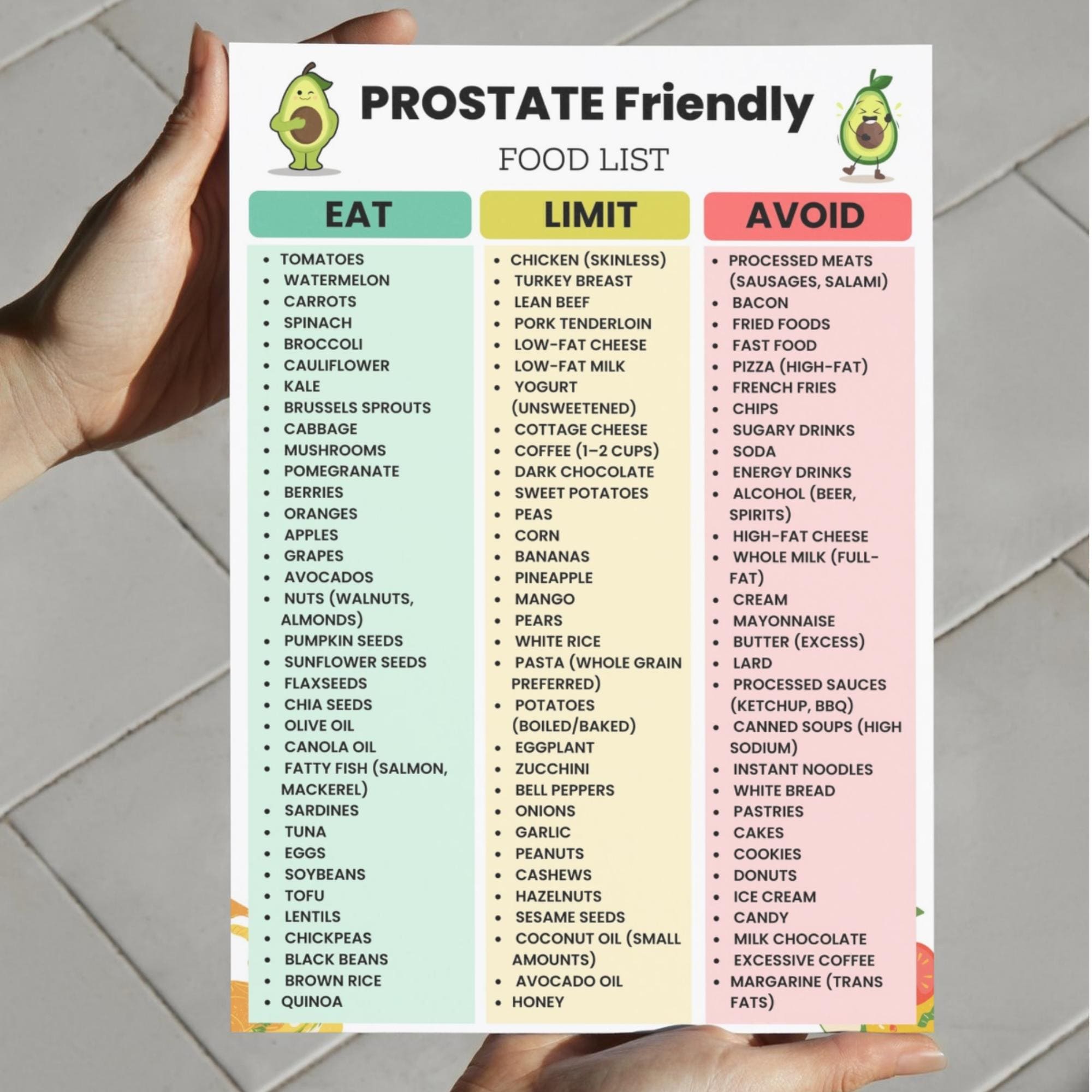

The prostate gland, often referred to as the "silent guardian" of male urinary and reproductive health, plays a pivotal role in a man’s life. Yet, for many, its existence only truly registers when issues arise – be it the benign enlargement of BPH, the inflammatory discomfort of prostatitis, or the more formidable challenge of prostate cancer. While genetics, age, and lifestyle factors undoubtedly influence prostate health, one of the most powerful and accessible tools we possess for its care lies within the aisles of our local grocery store.
This isn’t merely a list of good and bad foods; it’s an invitation to embark on a culinary journey, a narrative of conscious choices that can profoundly impact the health of this vital gland. For the knowledgeable audience, this story delves beyond surface recommendations, exploring the mechanisms, compounds, and scientific rationale behind each dietary decision. Imagine your grocery cart as a vessel, and the supermarket as a landscape of opportunity, where every item chosen or rejected shapes your prostate’s future.
The Overture: Understanding the Prostate’s Vulnerabilities
Before we fill our virtual cart, let’s briefly understand what we’re protecting against. The prostate is susceptible to several common conditions:
- Benign Prostatic Hyperplasia (BPH): A non-cancerous enlargement of the prostate that often leads to bothersome urinary symptoms as men age.
- Prostatitis: Inflammation of the prostate, which can be bacterial or non-bacterial, acute or chronic, causing pain and urinary issues.
- Prostate Cancer: The most common cancer among men, with varying degrees of aggressiveness.
Many of these conditions share underlying physiological pathways: chronic inflammation, oxidative stress, hormonal imbalances (particularly involving androgens like testosterone and dihydrotestosterone – DHT), and cellular dysfunction. Our "prostate grocery list" is strategically designed to target these very pathways, offering a shield against potential threats and fostering an environment conducive to cellular harmony.
Part 1: The "What to Buy" Aisles – Filling Your Cart with Prostate Powerhouses
Our journey begins in the vibrant and essential sections of the grocery store, where nature’s pharmacy awaits.
Aisle 1: The Produce Section – A Symphony of Color and Protection
This is where the magic truly begins. The sheer diversity of fruits and vegetables offers an unparalleled spectrum of vitamins, minerals, fiber, and, critically, phytochemicals – plant-derived compounds with potent biological activities.
-
Tomatoes and Tomato Products (Lycopene’s Luminous Glow):
- Why they’re prostate heroes: Lycopene, a powerful carotenoid responsible for the red hue of tomatoes, is a superstar for prostate health. It’s a potent antioxidant, neutralizing free radicals that can damage prostate cells and contribute to cancer development. Studies suggest lycopene can slow the progression of BPH and reduce the risk of prostate cancer.
- The scientific nuance: Lycopene’s bioavailability (how well your body absorbs it) is significantly enhanced when cooked with a small amount of fat. This means tomato paste, tomato sauce, and even ketchup (in moderation, watch the sugar!) can be more effective than raw tomatoes. Processing breaks down cell walls, releasing the lycopene, and fat aids its absorption in the digestive tract.
- How to enjoy: Incorporate cooked tomatoes into pasta sauces, soups, stews, chilis, or enjoy a healthy homemade pizza.
-
Cruciferous Vegetables (The Mighty Detoxifiers):
- Why they’re prostate heroes: Broccoli, cauliflower, Brussels sprouts, cabbage, and kale are rich in compounds like sulforaphane and indole-3-carbinol (I3C). These compounds are renowned for their anti-cancer properties, particularly their ability to detoxify carcinogens, induce apoptosis (programmed cell death in cancer cells), and modulate estrogen metabolism, which can indirectly influence prostate health.
- The scientific nuance: Sulforaphane, in particular, has been shown to inhibit histone deacetylases (HDACs), enzymes often overactive in cancer cells, thus promoting tumor suppression. I3C helps shift estrogen metabolism towards less proliferative pathways.
- How to enjoy: Steam, roast, or lightly sauté these vegetables to retain their beneficial compounds. Add them to stir-fries, salads, or as a side dish.