
In the intricate tapestry of a woman’s life, few decisions carry the weight and profound personal significance as those concerning reproductive autonomy. From the earliest stirrings of adolescence to the mature contemplation of family planning, the narrative of control over one’s body and future is a powerful, enduring theme. For many, this narrative culminates in the choice of permanent contraception, a decision often made after years of navigating temporary methods, their associated side effects, and the silent hum of constant worry. Among these permanent options, tubal ligation stands as a time-tested, science-backed procedure, offering a constellation of benefits that extend far beyond mere pregnancy prevention.
This is not merely a medical procedure; it is a profound act of self-determination, a deliberate charting of one’s course in life. For the knowledgeable audience, those who understand the nuances of health, psychology, and personal agency, the benefits of tubal ligation unfold as a story of liberation, well-being, and an empowered future. Let us delve into seven scientifically supported advantages that underscore why, for many, choosing tubal ligation is not just an end to fertility, but the beginning of an enriched existence.
1. Unrivaled Contraceptive Effectiveness and Irreversibility: The Foundation of Peace
At the heart of the decision for tubal ligation lies its primary, most compelling benefit: its near-perfect efficacy in preventing pregnancy. While various temporary contraceptive methods boast high effectiveness rates when used perfectly, the reality of human error, forgotten pills, missed appointments, or inconsistent application often leads to unintended pregnancies. Tubal ligation, often referred to colloquially as "getting your tubes tied," dramatically removes this variable.
The Science: The procedure involves surgically blocking, cutting, tying, or sealing the fallopian tubes, which are the pathways for eggs to travel from the ovaries to the uterus, and for sperm to reach the egg. By disrupting this vital connection, fertilization becomes virtually impossible. According to the U.S. Centers for Disease Control and Prevention (CDC) and numerous epidemiological studies, tubal ligation is over 99% effective, with a Pearl Index (a common measure of contraceptive effectiveness, representing the number of pregnancies per 100 woman-years of exposure) typically ranging from 0.05 to 0.5. This makes it one of the most effective forms of contraception available, surpassed only by certain highly effective intrauterine devices (IUDs) and implants, which still carry a minute risk of expulsion or migration.
The Story: Imagine the mental landscape of a woman who has spent years meticulously tracking cycles, setting phone alarms for pills, or enduring the physical presence of other devices. Each month, a silent tension, a subtle anxiety, accompanies the wait for menstruation. This constant background hum of "what if" can subtly erode peace of mind, influencing spontaneity, career choices, and even intimate relationships. With tubal ligation, this tension dissolves. The statistical certainty it offers translates into a profound psychological shift: the complete cessation of pregnancy fear. This isn’t merely about preventing a child; it’s about reclaiming a vast reservoir of mental and emotional energy, redirecting it from apprehension to aspiration. It’s the definitive period at the end of a long sentence of reproductive uncertainty, allowing the next chapter of life to begin with unwavering clarity.
The irreversible nature of tubal ligation, while a significant consideration for potential candidates, is precisely what underpins its effectiveness and the absolute peace it provides for those certain about their family size. For these individuals, the permanence is not a drawback but the very cornerstone of its liberating power.
2. Freedom from Hormonal Side Effects: Reclaiming Endogenous Equilibrium
For many women, the journey through various contraceptive methods has been a trial of balancing efficacy against an array of often unwelcome hormonal side effects. From mood swings and weight fluctuations to decreased libido and migraine headaches, the systemic impact of exogenous hormones can significantly diminish quality of life. Tubal ligation offers a definitive escape from this hormonal roller coaster.
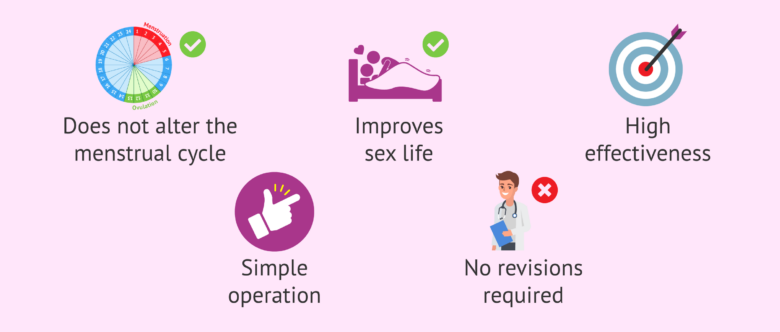
The Science: Unlike hormonal contraceptives (pills, patches, injections, hormonal IUDs, implants), tubal ligation is a mechanical procedure that does not interfere with a woman’s natural endocrine system. It does not alter hormone production by the ovaries, nor does it affect the menstrual cycle (aside from the cessation of the fear of pregnancy each cycle). Ovulation continues normally, and endogenous estrogen and progesterone levels fluctuate as they would without contraception. This means that women who have struggled with side effects such as mood changes, depression, anxiety, weight gain, fluid retention, breast tenderness, headaches, or decreased sex drive due to hormonal contraceptives will typically find these issues resolve or significantly improve after tubal ligation.
The Story: Consider Sarah, a professional navigating a demanding career while also striving for personal well-being. For years, she experienced a subtle but persistent dullness, an emotional flatness that she attributed to stress, but which she later realized coincided with her hormonal birth control. Her libido waned, her energy levels dipped, and she felt a disconnect from her authentic self. After choosing tubal ligation, she slowly began to recognize the return of a vibrancy she hadn’t realized she’d lost. Her moods stabilized, her energy returned, and her natural rhythm reasserted itself. This wasn’t just about avoiding pregnancy; it was about recovering her baseline physiological and psychological state.
The story of freedom from hormones is particularly resonant for women who are sensitive to hormonal fluctuations, have contraindications to hormonal contraception (e.g., certain cardiovascular risks, a history of migraines with aura), or simply yearn to experience their body’s natural rhythm unmodulated by synthetic compounds. It’s about feeling "more like myself," a deeply personal and profound benefit that contributes significantly to overall well-being and a heightened sense of self-awareness.
3. Elimination of Pregnancy Anxiety and Mental Load: A Cognitive Liberation
The persistent, often subconscious, fear of unintended pregnancy imposes a significant mental and emotional burden on women throughout their reproductive years. This "pregnancy anxiety" is a quiet, yet pervasive, undercurrent in daily life, shaping decisions both large and small. Tubal ligation acts as a definitive release from this constant vigilance.
The Science: While not a direct physiological benefit, the psychological impact of eliminating pregnancy risk is profound and well-documented in quality-of-life studies following permanent contraception. The cognitive load associated with contraception—remembering to take pills, tracking cycles, scheduling injections, ensuring proper barrier method use—is substantial. Furthermore, the emotional toll of a potential unintended pregnancy, including worries about financial stability, career progression, relationship strain, and the physical and emotional demands of pregnancy and childbirth, can be immense. Removing this threat significantly reduces stress hormones (like cortisol) and improves overall psychological well-being. Studies indicate higher rates of satisfaction and lower rates of anxiety and depression in women who have chosen permanent contraception and are certain about their family size.
The Story: Imagine a woman planning a significant career move, contemplating an international adventure, or simply striving to be fully present in her current relationships. The possibility of an unintended pregnancy, however remote, casts a long shadow. It can subtly influence career ambition ("Should I take this promotion if I might get pregnant?"), financial planning ("Can we afford this house if we suddenly have another child?"), and even the simple enjoyment of intimacy ("Is this the right day? Did we use protection correctly?").
For many women, the mental load of reproductive management is a constant, exhausting background process. It’s the silent tally of fertile windows, the quick calculation after a missed pill, the internal debate about emergency contraception. Tubal ligation eliminates this entirely. It’s a cognitive liberation, freeing up mental bandwidth to focus on personal growth, career aspirations, hobbies, and the deepening of relationships. It allows a woman to plan her life with a level of certainty and intention that was previously unattainable, transforming her relationship with her future from one of cautious navigation to confident construction.
4. Enhanced Sexual Spontaneity and Satisfaction: Rekindling Intimacy
The intersection of contraception and intimacy is complex. While contraception is designed to facilitate sexual freedom, the methods themselves can sometimes create barriers to spontaneity and enjoyment. The fear of pregnancy, the interruption of foreplay for barrier methods, or the side effects of hormonal contraception can all detract from the sexual experience. Tubal ligation often rekindles a sense of uninhibited intimacy.
The Science: The psychological and physiological freedom offered by tubal ligation directly contributes to improved sexual well-being. Psychologically, the complete removal of pregnancy fear allows for a deeper, more relaxed engagement in sexual activity. There’s no need to interrupt moments of passion for contraception, nor to worry about the aftermath. Physiologically, the absence of exogenous hormones means no more hormonally-induced decreases in libido, vaginal dryness, or discomfort. Research, including studies published in journals like Contraception, has shown that women who undergo tubal ligation often report increased sexual frequency, satisfaction, and spontaneity compared to their pre-procedure experiences, and compared to users of other contraceptive methods. The absence of a tangible contraceptive method during sex also removes a potential psychological barrier.
The Story: Consider Maria and her partner. For years, their intimate life was punctuated by the practicalities of birth control – the rush to grab condoms, the anxiety after a potential slip-up, or Maria’s own experience with a reduced sex drive due to hormonal pills. After Maria chose tubal ligation, a new chapter unfolded. Their intimacy became more fluid, more present, and deeply spontaneous. The fear was gone, replaced by a quiet confidence. She no longer felt the subtle emotional distance created by fluctuating hormones, and her natural desire returned. Their connection deepened, unburdened by external worries or internal hormonal imbalances.
This benefit extends beyond the individual to the relationship itself. When one partner is freed from the burden of contraception, it can foster a deeper sense of shared intimacy and trust. It allows for a more authentic expression of desire, unencumbered by the practical or psychological barriers that often accompany other forms of birth control. It’s about reclaiming the joy and freedom inherent in sexual connection, allowing intimacy to flourish naturally.
5. Long-Term Cost-Effectiveness: A Prudent Financial Choice
While the initial cost of tubal ligation may seem higher than a month’s supply of pills or a single pack of condoms, its long-term financial benefits are substantial, making it a highly cost-effective choice for those certain about their family planning goals.