
The aroma of freshly brewed coffee filled the kitchen as Alex scrolled through articles on her tablet. Across the table, Ben, her partner of ten years, was reviewing a spreadsheet, his brow furrowed in concentration. They were, in many ways, the quintessential modern couple: dual careers, a shared love for travel, and a meticulously planned life that, after two beautiful children, had reached a new, satisfying equilibrium. Yet, a quiet but persistent conversation had begun to weave its way into their evenings, an important decision hanging in the balance: permanent contraception.
The landscape of family planning has evolved dramatically over the past few decades, moving beyond just preventing pregnancy to embracing reproductive autonomy and shared responsibility. For couples like Alex and Ben, who have completed their families or made the conscious choice to remain child-free, the quest for a permanent, worry-free solution often leads to two primary surgical options: tubectomy for women, and vasectomy for men. This isn’t merely a medical decision; it’s a profound declaration of intent, a reaffirmation of their chosen path, and a testament to their partnership.
In a world where gender roles are continually being redefined and health literacy is on the rise, modern couples approach such decisions with a desire for comprehensive understanding. They seek to weigh not just the immediate medical implications, but also the long-term benefits, potential drawbacks, psychological impacts, and the equitable distribution of responsibility. This article aims to delve deep into tubectomy and vasectomy, comparing their respective benefits for the contemporary couple, dispelling common myths, and guiding individuals through the informed decision-making process, all while acknowledging the shared narrative of their journey.
The Modern Couple’s Context: A Shift in the Sands of Family Planning
The decision to pursue permanent contraception is rarely made in isolation. It is often a culmination of life experiences, personal philosophies, and evolving societal norms. Modern couples are characterized by several key trends that influence this choice:
- Delayed Parenthood: Many couples choose to establish their careers and financial stability before starting a family, leading to a later age for first births. By the time they have their desired number of children, they may be in their late 30s or 40s, making permanent contraception a more immediate and appealing option than years of temporary methods.
- Dual-Income Households & Shared Responsibilities: With both partners often contributing significantly to household income and child-rearing, there’s a greater emphasis on equitable distribution of responsibilities, including family planning. The burden is no longer automatically assumed to fall solely on the woman.
- Health and Wellness Focus: Modern couples are generally more health-conscious, seeking methods that minimize side effects and long-term health risks. The cumulative impact of hormonal contraceptives over many years can be a concern, driving interest in non-hormonal, permanent solutions.
- Environmental and Lifestyle Choices: Some couples consciously choose to have smaller families or remain child-free, driven by environmental concerns, a desire for greater personal freedom, or a focus on other life pursuits like travel or philanthropy.
- The Pursuit of Peace of Mind: The mental load associated with tracking cycles, remembering pills, or managing other temporary birth control methods can be significant. Permanent contraception offers an unparalleled sense of freedom and eliminates the anxiety of unintended pregnancy.
For Alex and Ben, who had navigated the demanding early years of parenthood while both building successful careers, the thought of continuing with daily pills or periodic injections felt increasingly burdensome. They wanted to reclaim a certain spontaneity in their intimacy, free from the shadow of contraception worries. This shared desire for freedom and finality set the stage for their exploration of permanent options.
Understanding Vasectomy: The Male Partner’s Path to Shared Responsibility
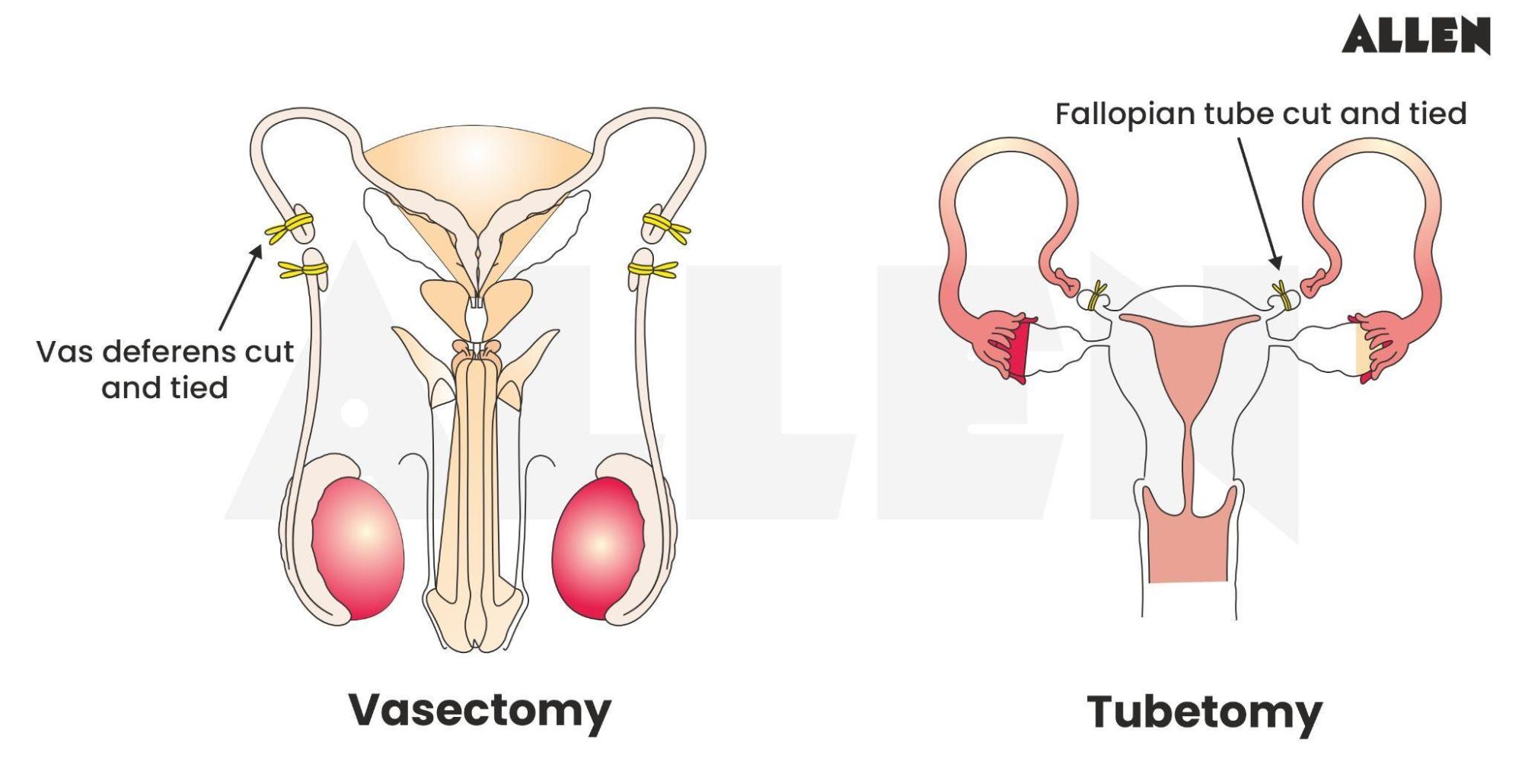
Vasectomy, often touted as the simpler and safer of the two permanent contraceptive options, involves a minor surgical procedure performed on a male. It targets the vas deferens, the tubes that carry sperm from the testes to the urethra.
The Procedure
A vasectomy is typically performed in an outpatient setting, often in a doctor’s office, under local anesthesia. The procedure usually takes between 10 to 30 minutes. There are two primary techniques:
- Conventional Vasectomy: Involves one or two small incisions (about ¼ to ½ inch) on each side of the scrotum. The vas deferens are located, cut, and a small segment may be removed. The ends are then sealed (tied, clipped, or cauterized) to prevent sperm from passing through. The incisions are closed with stitches, which may dissolve or need to be removed.
- No-Scalpel Vasectomy (NSV): This increasingly popular technique uses a special instrument to make a tiny puncture in the scrotal skin, rather than an incision. The vas deferens are then gently brought through the opening, cut, and sealed. The puncture site is so small that it typically doesn’t require stitches and heals quickly. This method is associated with less bleeding, lower infection rates, and faster recovery.
Regardless of the technique, the goal is the same: to block the passage of sperm. It’s crucial to understand that vasectomy only affects the transport of sperm; it does not affect the production of semen (which is mostly fluid from the seminal vesicles and prostate gland). Thus, ejaculation still occurs, but the fluid will be sperm-free.
Benefits for the Modern Couple (Focusing on the Male Experience)
For couples like Alex and Ben, choosing vasectomy offers a compelling array of benefits:
- Simplicity and Safety: Vasectomy is significantly less invasive than tubectomy. It’s an outpatient procedure with a very low complication rate. The risks of infection, bleeding, or chronic pain are minimal compared to any abdominal surgery. For Ben, this meant a quick visit to the clinic and a relatively straightforward recovery.
- Highly Effective: Once confirmed successful (after follow-up sperm counts), vasectomy is nearly 100% effective at preventing pregnancy, with a failure rate of less than 0.15%. This level of efficacy provides unparalleled peace of mind.
- Rapid Recovery: Most men can return to light activities within a day or two and resume strenuous activity within a week. Discomfort is generally mild and manageable with over-the-counter pain relievers. Ben appreciated that he wouldn’t be out of commission for long, allowing him to quickly return to work and family life.
- No Hormonal Side Effects: This is a major advantage for both partners. Unlike female hormonal contraception, vasectomy has no impact on hormone levels, libido, or sexual function. It doesn’t cause mood swings, weight gain, or other systemic effects that can be disruptive to a couple’s dynamic.