
This article delves into the multifaceted world of tubectomy, moving beyond clinical descriptions to explore the profound health and lifestyle advantages it offers. We aim to tell the story of this decision – a journey of contemplation, empowerment, and the quiet revolution of taking definitive control over one’s body and destiny. Our audience, knowledgeable and discerning, seeks not just facts, but context, nuance, and a holistic understanding of how this procedure can shape a woman’s life for the better.
The Foundation: Understanding Tubectomy
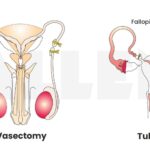
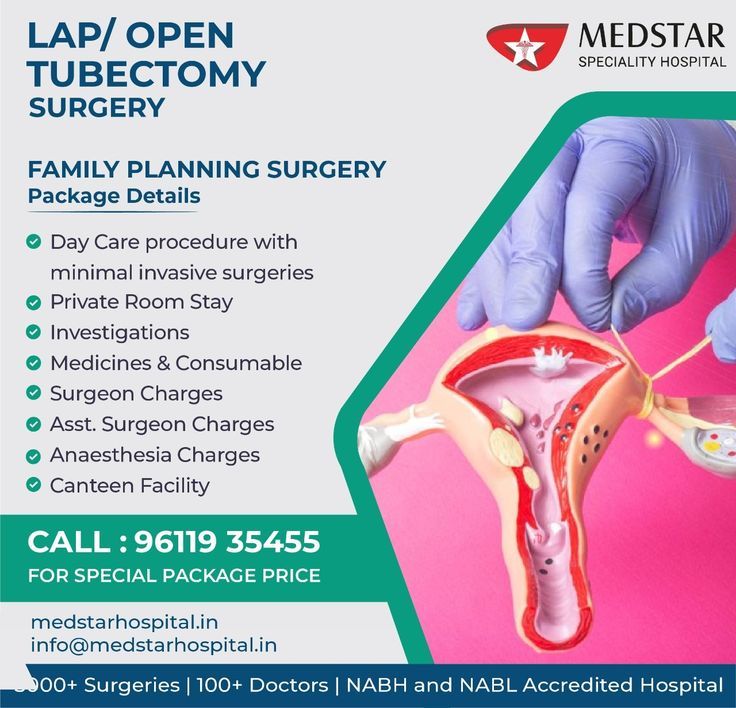
Before exploring the benefits, a clear understanding of what a tubectomy entails is essential. At its core, a tubectomy is a surgical procedure that permanently prevents pregnancy by blocking or severing the fallopian tubes, which are the pathways for eggs to travel from the ovaries to the uterus. Without this pathway, sperm cannot reach the egg, and a fertilized egg cannot reach the uterus.
Historically, tubal ligation involved cutting and tying the tubes (hence "tying the tubes"). Modern techniques are often less invasive and more effective, frequently performed laparoscopically – a minimally invasive surgery using small incisions, a camera, and specialized instruments. The most common methods today include:
- Bipolar Coagulation: Using electrical current to burn and seal segments of the fallopian tubes.
- Monopolar Coagulation: Similar to bipolar, but using a single electrode.
- Mechanical Occlusion: Applying rings (e.g., Falope rings) or clips (e.g., Filshie clips) to block the tubes.
- Partial Salpingectomy: Removing a segment of the fallopian tube.
- Bilateral Salpingectomy: The complete removal of both fallopian tubes. This method is increasingly favored due to emerging evidence of its potential to reduce the risk of ovarian cancer, as many ovarian cancers are now believed to originate in the fimbrial ends of the fallopian tubes.
The procedure is typically quick, often taking less than an hour, and can be performed under general or local anesthesia with sedation. Recovery is generally swift, with most women resuming normal activities within a few days to a week. For a knowledgeable audience, it’s crucial to understand that while "tubal ligation" is often used as a blanket term, the specific technique chosen can have implications for effectiveness, potential secondary benefits (like cancer risk reduction), and even future attempts at reversal (though reversal should never be the primary expectation).
The Health Pros: A Landscape of Relief and Protection
The decision to undergo a tubectomy is often rooted in a desire for robust, unwavering contraception, but its health benefits extend far beyond simply preventing pregnancy. For many women, it ushers in a new era of physical and mental well-being.
1. Unparalleled Contraceptive Effectiveness
The most immediate and significant health benefit of a tubectomy is its near-perfect effectiveness in preventing pregnancy. With a failure rate of less than 1% (typically around 0.5% in the first year and cumulative failure rates increasing slightly over time, but remaining exceptionally low), it surpasses almost all other reversible contraceptive methods.
- Comparison to Other Methods: Consider the typical use failure rates of other popular methods: birth control pills (7%), condoms (13%), IUDs (0.1-0.8%). While IUDs are highly effective, they are not permanent. For women who have completed their families, or who are certain they do not wish to have children, the peace of mind offered by a tubectomy is unparalleled. The constant vigilance, the daily pill, the monthly injection, the risk of expulsion with an IUD – all these concerns evaporate.
- Freedom from Contraceptive Burden: This translates into a significant reduction in health-related anxiety. The fear of an unplanned pregnancy, with all its potential medical, emotional, and financial ramifications, can be a constant undercurrent in a sexually active woman’s life. Eliminating this fear is a profound health benefit, freeing up cognitive and emotional resources.
2. Elimination of Hormonal Side Effects
For a vast segment of the female population, hormonal contraception, while effective, comes with a spectrum of undesirable side effects. These can range from inconvenient to debilitating, impacting daily life and overall well-being. A tubectomy offers a complete escape from these hormonal fluctuations.
- Common Hormonal Side Effects: Many women experience mood swings, weight gain, headaches (including migraines), nausea, breast tenderness, changes in libido, and breakthrough bleeding when using hormonal birth control (pills, patches, rings, injections, hormonal IUDs). For some, these side effects are mild; for others, they significantly detract from their quality of life, leading to a constant search for "the right pill" or "the right method."
- Restoration of Natural Cycles: A tubectomy does not interfere with a woman’s natural hormonal cycle. Ovulation continues, periods generally remain regular (unless other underlying conditions exist or a woman was previously on a method that altered her cycle), and the body’s natural hormonal rhythm is preserved. This can lead to a sense of "getting back to oneself" for many who have long been on hormonal birth control. The return of natural libido, stable moods, and predictable physical responses can be a significant health boon.
- No Impact on Menopause: It’s a common misconception that tubal ligation affects menopause. It does not. The ovaries continue to function normally, producing hormones and releasing eggs until the natural onset of menopause.
3. Potential Reduction in Ovarian Cancer Risk
This is a particularly compelling health benefit, especially with the increasing adoption of bilateral salpingectomy. Research over the past decade has revolutionized our understanding of ovarian cancer. It is now widely believed that many high-grade serous ovarian cancers, the most common and aggressive type, actually originate in the fimbriae (the finger-like projections) of the fallopian tubes, rather than the ovaries themselves.