
The human experience is a tapestry woven with decisions, each thread pulling us towards a future we either consciously shape or passively inherit. Among these, few decisions carry the profound weight and deeply personal resonance of reproductive choice. It is a domain often framed by medical facts, ethical debates, or societal pressures, yet beneath these visible layers lies an intricate architecture of emotional and psychological states – a landscape where mental clarity emerges as both a prerequisite and a powerful consequence of taking control. This is not merely about preventing or facilitating life; it is about constructing a life, one informed choice at a time, and the profound, often undervalued, emotional upside that such agency confers.
To truly understand this, we must move beyond the clinical and delve into the lived experience, the internal narratives that unfold within individuals grappling with reproductive decisions. This article intends to tell a story – not of a single protagonist, but of a universal human journey towards self-possession, where the act of exercising reproductive choice becomes a crucible for forging an unparalleled sense of mental clarity, peace, and emotional resilience.
The Murmur of Uncertainty: When Clarity Evades
Imagine Elara, a woman in her late twenties, brilliant and ambitious, standing at a crossroads. Her career trajectory is steep, her partnership with Liam is loving but nascent, and the societal drumbeat – subtle yet insistent – about "starting a family" grows louder with each passing year. Elara isn’t sure if she wants children, or when, or under what circumstances. She uses contraception, but the underlying questions persist, a quiet hum of unresolved anxiety that permeates her daily life. This isn’t a crisis, but a persistent lack of clarity.
This state of uncertainty is a heavy cloak. It manifests as a diffuse anxiety, a difficulty focusing, a feeling of being untethered from one’s own future. Every career decision, every conversation about long-term goals with Liam, every social gathering where friends announce pregnancies, becomes a reminder of this internal dissonance. Elara’s mental energy is subtly siphoned off by the unspoken questions: Am I delaying too long? Am I being selfish? Am I missing out? What if I regret it? What if I choose wrong?
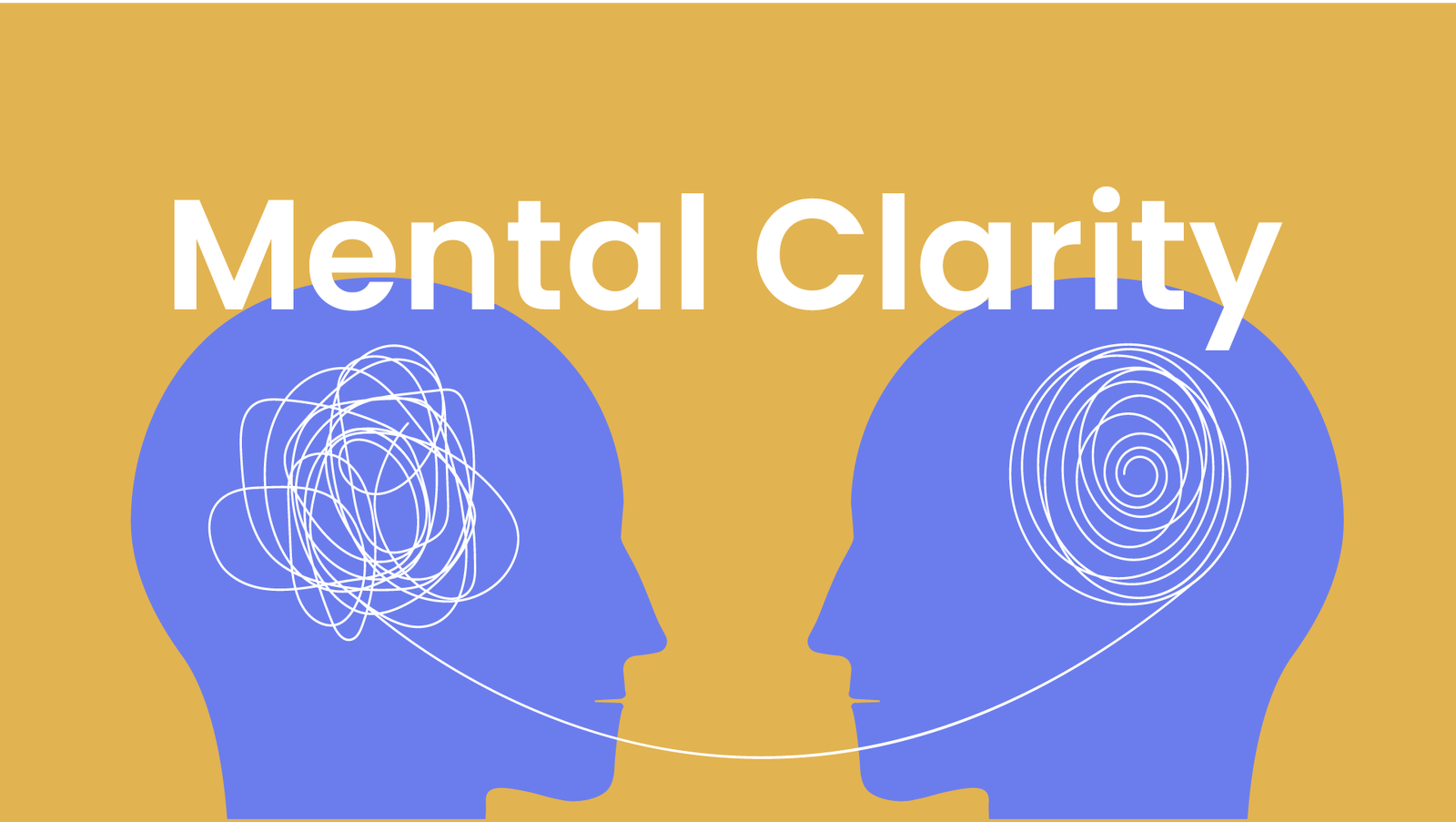
This cognitive load, this constant low-level processing of an unresolved future, is a significant drain on mental clarity. It creates a fog that obscures present enjoyment and future planning. It fosters indecision in other areas of life because the foundational reproductive question remains unanswered. The ability to make firm commitments, to invest fully in present endeavors, is compromised when a significant, looming "what if" hangs in the balance. This is the baseline from which the emotional upside of taking control truly shines.
The Act of Choice: A Praxis of Self-Discovery
Taking control of reproductive choice is not a singular event; it’s a dynamic process, a praxis of self-discovery that culminates in a decision, but whose true value lies in the journey itself. This journey is multifaceted, encompassing:
- Information Gathering and Critical Analysis: This involves researching contraception options, understanding fertility windows, exploring the realities of parenthood (or child-free living), and examining medical procedures like IVF or abortion. For a knowledgeable audience, we understand this isn’t passive absorption but active engagement, weighing scientific data against personal values.
- Introspection and Value Alignment: This is perhaps the most crucial step. It requires deep self-reflection: What truly matters to me? What kind of life do I envision? What are my core values regarding family, partnership, personal growth, and societal contribution? How do my desires align with my capabilities and circumstances? This isn’t just a mental exercise; it’s an emotional excavation.
- Communication and Negotiation (Internal and External): This involves articulating one’s desires and fears, first to oneself, then potentially to a partner, family, or trusted friends. For someone like Elara, it might mean having frank conversations with Liam about their shared future, or even seeking counsel from a therapist or counselor specializing in family planning.
- Decision and Affirmation: The ultimate act of choosing, whether it’s to pursue parenthood, to remain child-free, to use specific contraception, to terminate a pregnancy, or to pursue fertility treatments. This decision, born of the preceding steps, is then affirmed, not just as a practical step but as a statement of self.
Each of these steps, when undertaken consciously and with agency, chips away at the fog of uncertainty. The very act of engaging with these questions, even before a final decision is made, begins to foster mental clarity. It’s like turning on lights in a dimly lit room – even if you haven’t decided where to place the furniture, you can at least see the space you’re working with.
The Emotional Upside: A Symphony of Liberation
The true genius of reproductive choice, when exercised with conscious control, lies in its profound emotional upside. It’s a cascade of positive psychological states that extend far beyond the immediate logistical outcome.
1. The Exhale of Relief and Reduced Anxiety
The most immediate and palpable benefit is often an immense sense of relief. The constant, low-grade hum of anxiety that Elara experienced begins to dissipate. This isn’t merely the absence of a problem; it’s the presence of peace. The mental bandwidth previously consumed by unresolved questions is freed up.
Consider the individual facing an unplanned pregnancy. The initial shock, fear, and panic can be overwhelming, a tsunami of uncertainty threatening to capsize their entire life plan. The decision to carry to term, to place for adoption, or to have an abortion, when made autonomously and with full understanding of the implications, immediately brings a measure of clarity. Regardless of the path chosen, the torment of indecision is replaced by the solid ground of a chosen direction. The mind, no longer cycling through endless permutations of "what if," can finally rest. This allows for a deeper, more sustained focus on the practicalities of the chosen path, rather than the paralyzing paralysis of choice itself.
2. Empowerment and Unshakable Agency
Taking control of one’s reproductive destiny is perhaps the most fundamental assertion of bodily autonomy and personal agency. It’s a declaration: "This is my body, my life, my future, and I am the primary architect." This empowerment is not fleeting; it’s a deep-seated conviction that resonates through every aspect of life.
When Elara finally sits down with Liam and articulates her current desire to focus on her career for another five years before revisiting the idea of children, and that she’s choosing a long-term contraceptive method to support that, she feels a surge of power. It’s not power over Liam, but power within herself. She has asserted her needs, her timeline, her vision. This agency is a profound antidote to feelings of helplessness or being swept along by external forces. It instills a sense of capability and resilience, fostering the belief that one can navigate future challenges because one has successfully navigated this foundational one.
3. Self-Trust and Authenticity: Living Aligned
Mental clarity isn’t just about knowing what to do; it’s about knowing who you are and aligning your actions with that authentic self. Reproductive choices are deeply intertwined with identity, values, and life purpose. When these choices are made genuinely, they foster an unparalleled sense of self-trust.
Imagine David, who always felt societal pressure to have children, but deep down, felt a stronger calling towards global humanitarian work that demanded intense travel and unpredictable hours. The decision to embrace a child-free life, after years of internal struggle, felt like shedding a skin. It wasn’t a rejection of parenthood for others, but an affirmation of his unique path. This decision, though potentially misunderstood by some, brought him immense peace and authenticity. He no longer felt like he was performing a role. His actions were now fully congruent with his deepest desires and values. This alignment is a cornerstone of robust mental clarity, eliminating the cognitive dissonance that drains energy and fosters internal conflict.
4. Future Orientation and Goal Setting: A Calibrated Compass
When the fundamental question of one’s reproductive future is addressed, the path ahead becomes clearer, allowing for more concrete and confident goal setting. The mental fog lifts, revealing the landscape of future possibilities.
For Elara, once her decision about family planning was made, her career goals sharpened. She could confidently commit to projects requiring extensive travel or long hours, knowing they wouldn’t clash with an imminent pregnancy. She could invest more fully in professional development, knowing her chosen timeline. Similarly, for someone actively trying to conceive, the decision to pursue fertility treatments like IVF, after careful consideration, allows them to channel their emotional and financial resources with a clear purpose, rather than languishing in the agonizing limbo of passive hope. This ability to orient oneself towards a chosen future, with a calibrated compass, is a hallmark of mental clarity and a powerful motivator.