
The landscape of reproductive freedom has been irrevocably shaped by the advent of modern contraception. For decades, hormonal birth control, in its myriad forms – the pill, the patch, the ring, the injection, and hormonal IUDs – has been heralded as a revolutionary tool, offering women unprecedented control over their fertility. It promised liberation, autonomy, and the ability to plan a family on one’s own terms. And for many, it delivered on that promise, becoming the default, often unquestioned, solution for pregnancy prevention.
However, beneath the veneer of convenience and perceived infallibility, a growing chorus of voices is emerging, challenging the long-held assumptions about hormonal contraceptives. These are voices of women who have experienced the subtle yet pervasive impacts of synthetic hormones on their bodies, minds, and overall well-being. They speak of a yearning for physiological integrity, for a return to a natural rhythm, and for a deeper understanding of their own hormonal landscape.
This article delves into that critical conversation, juxtaposing the pervasive use of hormonal contraceptives with the often-underestimated, hormone-free alternative of tubectomy. It’s a journey not just through medical facts, but through personal empowerment, informed choice, and the quiet revolution of reclaiming one’s body from the daily influence of synthetic hormones. Our goal is to tell a story – the story of understanding, questioning, and ultimately, choosing a path that aligns with a vision of holistic health and enduring freedom.
The Unquestioned Reign: A Deeper Look at Hormonal Contraceptives
Let’s begin where many women’s contraceptive journey starts: with hormonal birth control. Since the approval of the first oral contraceptive pill in 1960, these methods have become deeply ingrained in modern society, almost synonymous with female contraception. Their mechanisms are varied but generally fall into categories designed to prevent ovulation, thicken cervical mucus to block sperm, or thin the uterine lining to prevent implantation.
The Spectrum of Hormonal Methods:
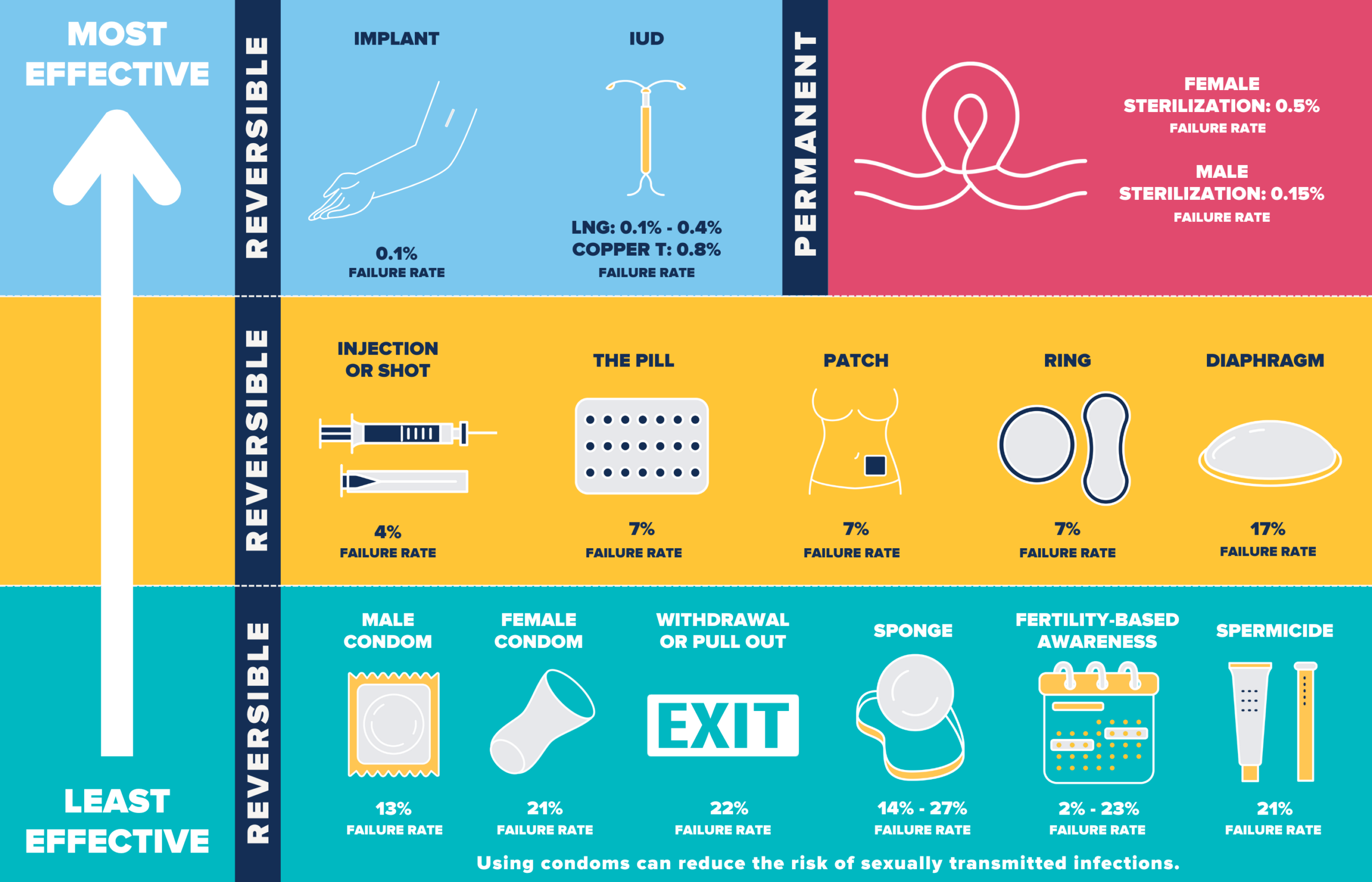
- Combined Oral Contraceptives (COCs): The classic "Pill," containing both estrogen and progestin. It primarily works by suppressing ovulation, but also thickens cervical mucus and thins the uterine lining. Highly effective when taken correctly.
- Progestin-Only Pills (POPs): Also known as the "mini-pill," these contain only progestin and are often prescribed for women who cannot take estrogen. They primarily work by thickening cervical mucus and altering the uterine lining; ovulation suppression is less consistent than with COCs.
- The Patch: A transdermal patch releasing estrogen and progestin through the skin. Worn for three weeks, with one week off.
- The Vaginal Ring: A flexible ring inserted into the vagina, releasing estrogen and progestin for three weeks, followed by one week out.
- Contraceptive Injections (e.g., Depo-Provera): An intramuscular injection of progestin every three months. Works primarily by preventing ovulation.
- Hormonal Intrauterine Devices (IUDs): Small, T-shaped devices inserted into the uterus, releasing a localized dose of progestin. They thicken cervical mucus, thin the uterine lining, and may suppress ovulation in some women. Effective for 3-8 years depending on the brand.
The Perceived Benefits (And Why They’re So Popular):
- High Effectiveness: When used correctly, most hormonal methods boast very high effectiveness rates (91-99%).
- Convenience: Depending on the method, it can range from daily (pill) to weekly (patch/ring) to monthly (injection) to multi-year (IUD).
- Non-Contraceptive Benefits: Many women are prescribed hormonal contraceptives not just for birth control, but to manage conditions like acne, endometriosis, Polycystic Ovary Syndrome (PCOS) symptoms, heavy or painful periods, and even to reduce the risk of certain cancers (ovarian and endometrial). These "side benefits" often become a primary reason for continued use.
- Cycle Control: For many, the predictability of a withdrawal bleed (or absence of bleeding with continuous use) is a significant advantage.
The Unseen Costs: Navigating the Hormonal Labyrinth
While the benefits are undeniable for a segment of the population, a deeper, more critical examination reveals a complex interplay of subtle and significant drawbacks. The narrative often centers on the efficacy, but rarely on the systemic impact of introducing synthetic hormones into a finely tuned endocrine system.
Let’s introduce Elara, a composite character representing countless women on this journey. Elara started the pill at 18, primarily for acne and heavy periods, then continued it for contraception through her twenties. She loved the freedom it offered, the predictable "period," and the clear skin. But as she approached her mid-thirties, married, and with two children, a subtle unease began to creep in. She felt… different. Not necessarily sick, but not quite herself. Her libido was almost non-existent, her moods were more volatile than she remembered, and she struggled with a persistent brain fog. She’d been on hormonal birth control for 15 years, and it had become so interwoven with her identity that she hadn’t considered it might be the source of her malaise.
Elara’s experience is far from unique. The list of potential side effects and long-term implications of hormonal contraceptives is extensive, and often downplayed in medical consultations:
- Mood and Mental Health: Perhaps one of the most frequently reported and insidious side effects. Studies have linked hormonal contraceptives, particularly COCs and injections, to an increased risk of depression, anxiety, and mood swings. The synthetic hormones can disrupt the delicate balance of neurotransmitters in the brain, affecting serotonin and dopamine pathways. For Elara, this manifested as a subtle but persistent feeling of flatness, a muted joy, and an exaggerated response to stress.
- Libido Suppression: A significant number of women experience a decrease in sex drive while on hormonal birth control. This is often attributed to the suppression of natural testosterone production, a key hormone for female libido, and changes in sex hormone-binding globulin (SHBG), which binds free testosterone, making it unavailable.
- Weight Fluctuations: While often debated, many women report weight gain or difficulty losing weight while on hormonal contraceptives. This can be due to fluid retention, changes in appetite, or metabolic shifts.